





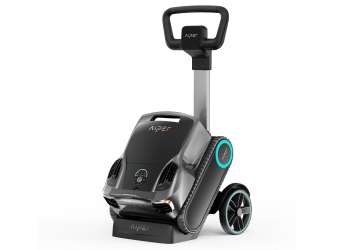

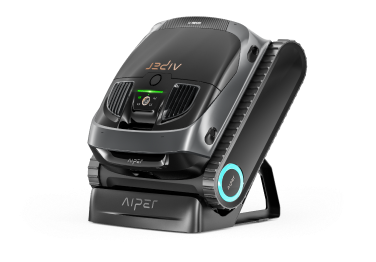



















How should I store my Aiper device during the off-season?
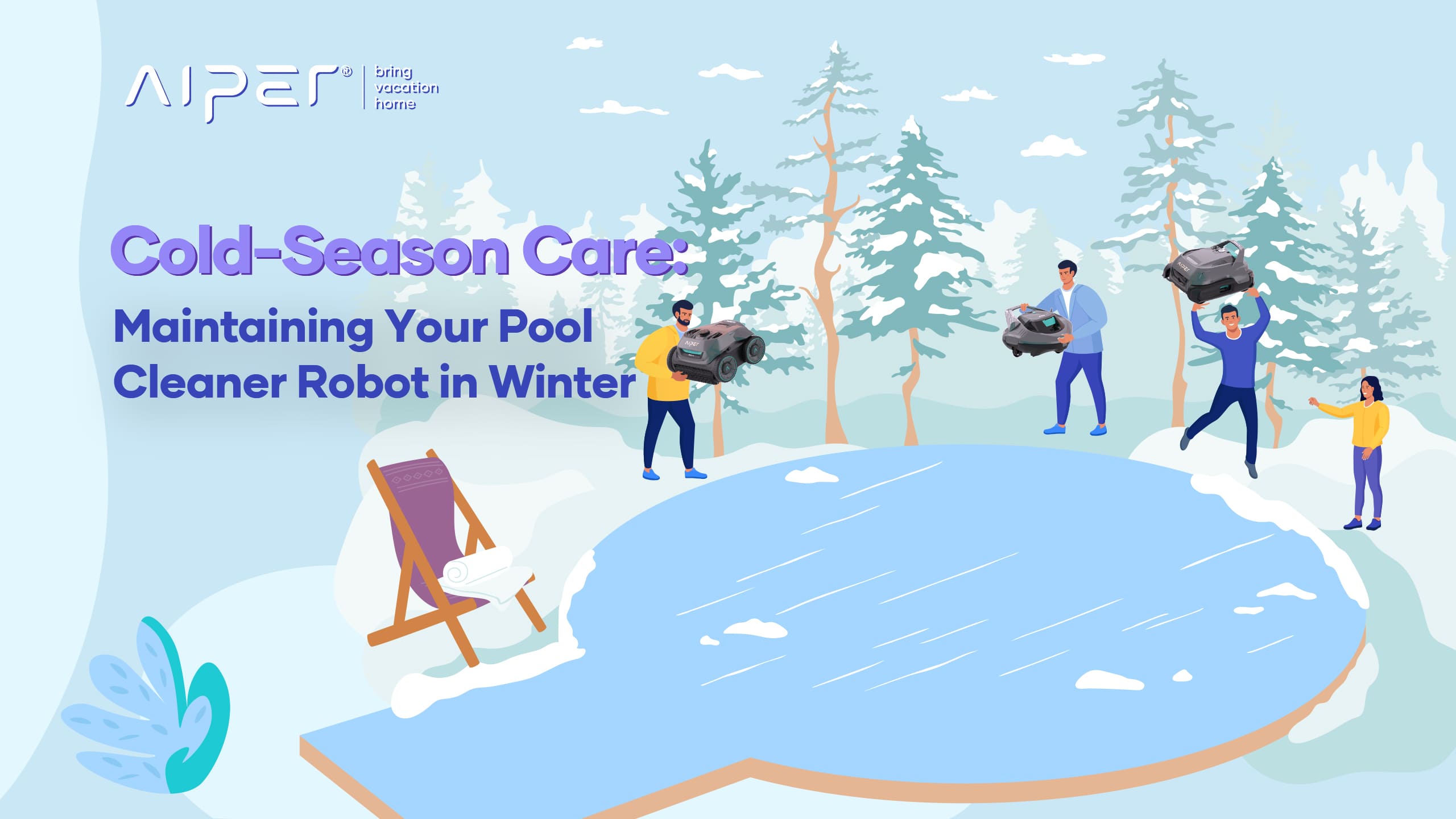
In your pool’s off-season, such as winter months or long vacations when your Aiper device won’t be used, there are a few steps to take to protect your device and keep it in the best condition possible.
1. Power off your device and disconnect it from the charger.
2. Clean the device of any residual dirt, including the top & bottom shell, wheels, roller brushes, and charging port.
3. Using a paper towel or soft cloth, wipe dry your device.
4. Box and store your device in a cool, well-ventilated area.
5. Charge your device every TWO months to 40%-60% battery capacity to maintain the battery health of your device.
When you’re ready to use your Aiper device in your pool, fully charge the device before using it in your pool, and never charge your device in direct sunlight.
Subscribe now for Exclusive Offers!
Get Up to CA$110 OFF Your First Purchase
Aiper Membership Perks

Earn AiperPoints with every order

Use AiperPoints as cash deductions

Redeem AiperPoints for special gifts

24/7 customer support