
Your pool surround is half the visual impact — and a well-designed landscape makes the difference between a basic backyard pool and a resort-worthy retreat. We have gathered 50 of the best pool landscaping, deck, patio, shade, and coping ideas across every style and budget. Each idea includes a real photo for inspiration.
Pool Deck Design & Materials
Stamped Concrete Pool Deck
Stamped concrete mimics the look of natural stone or brick at a fraction of the cost. Choose from cobblestone, slate, or wood-plank patterns — all sealed for slip resistance and UV protection. Best for homeowners who want the premium look of pavers without the premium price tag.
Photo by Kindel Media on Pexels
Classic Brushed Concrete Deck
A smooth, brushed-finish concrete deck is the most budget-friendly hardscape option and pairs well with any pool style. Add a colored dye or exposed aggregate finish to elevate the look beyond plain gray. Ideal for modern and minimalist backyards.
Photo by Kindel Media on Pexels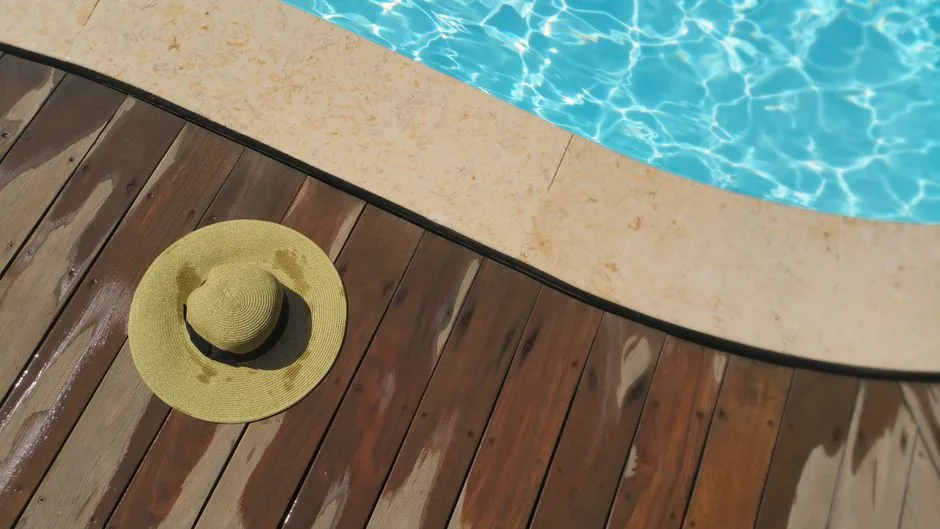
Travertine Paver Pool Deck
Travertine stays naturally cool underfoot — even in direct summer sun — making it a favorite for hot climates. The warm ivory and beige tones complement blue pool water beautifully, and the natural pitting gives it an old-world Mediterranean charm.
Photo by Pixabay on Pexels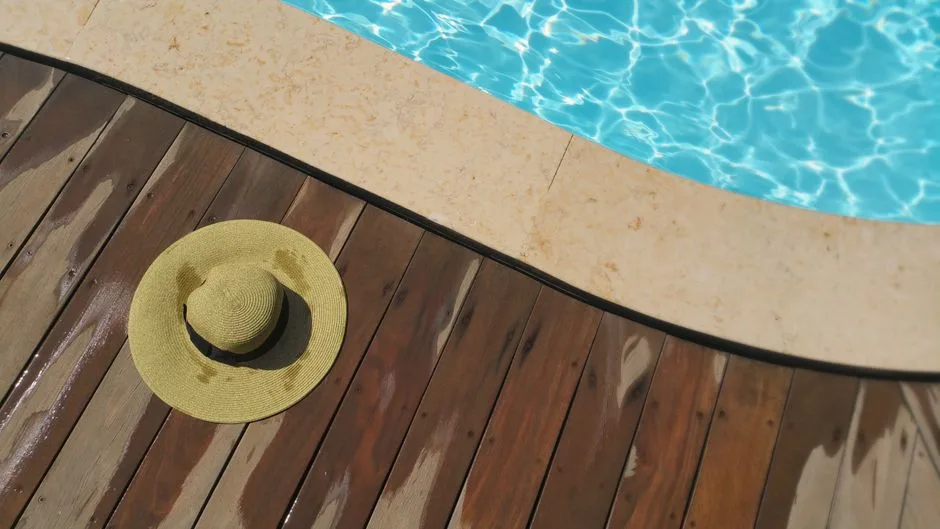
Bluestone / Flagstone Pool Deck
Irregular flagstone pieces set in gravel or mortar create a rustic, natural look that blends seamlessly with wooded or country settings. Bluestone’s deep gray-blue hue offers a striking contrast to turquoise pool water. Sealing is recommended to prevent flaking.
Photo by Pixabay on Pexels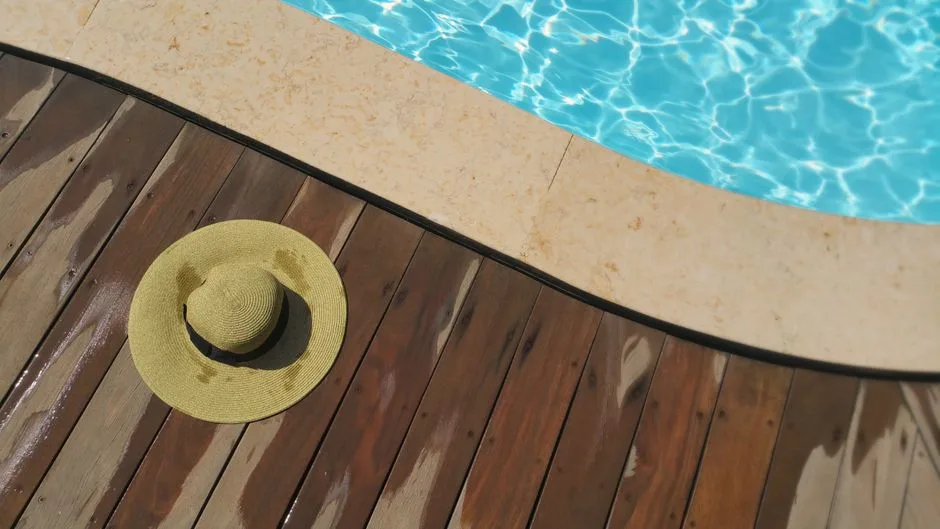
Wood Deck Wraparound
A wraparound ipe or cedar wood deck turns your pool into a resort. The rich wood grain warms up the aesthetic and feels great on bare feet — but budget for annual oiling or sealing. For a lower-maintenance alternative, try wood-look composite decking.
Photo by Pixabay on Pexels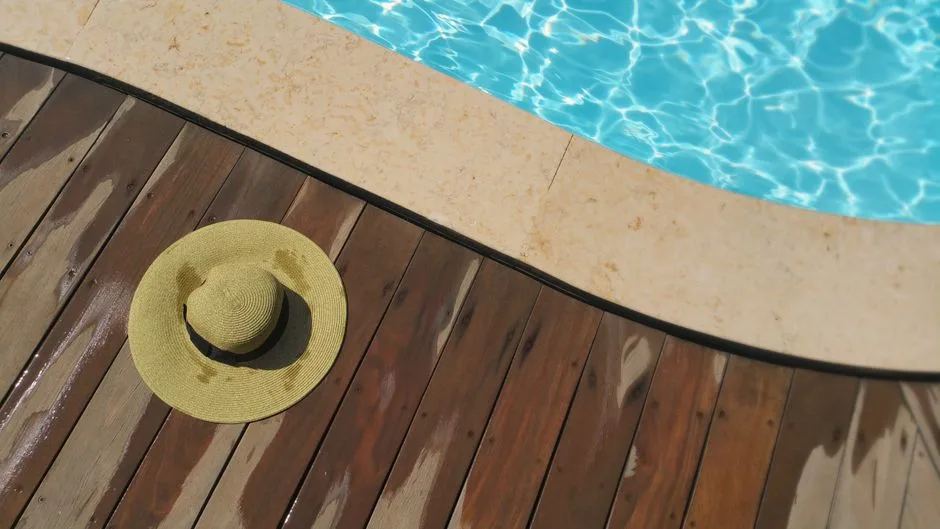
Composite Decking for Pools
Composite deck boards give you the look of wood without the upkeep — no sanding, staining, or splinters. Look for capped composite with UV inhibitors to prevent fading, and choose lighter colors to keep the surface cool. A smart long-term investment.
Photo by Pixabay on Pexels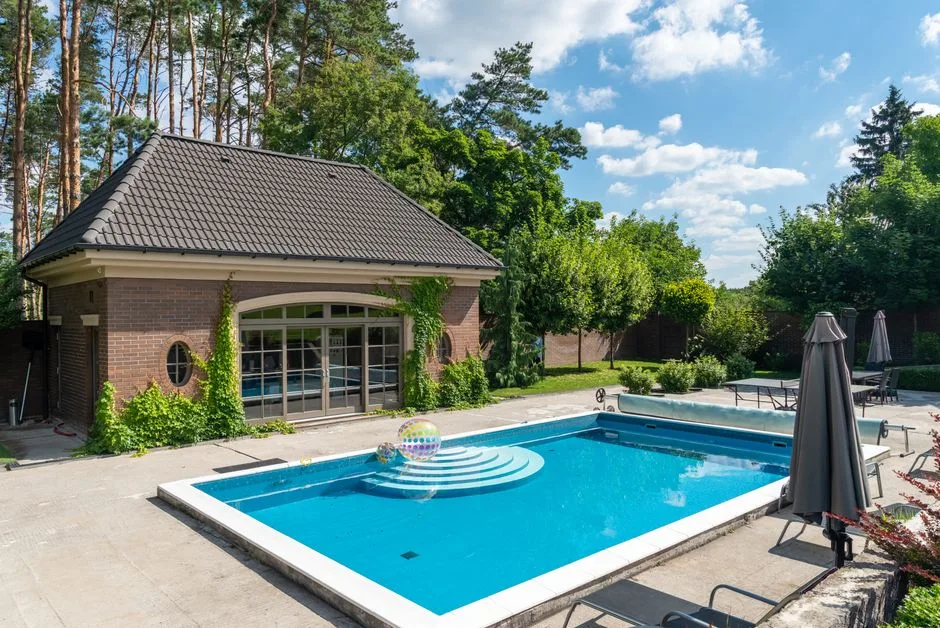
Brick Paver Pool Deck
Classic red brick pavers bring timeless East Coast character to a pool surround. Laid in herringbone or basketweave patterns, brick offers excellent traction when wet. Over time, the color develops a warm patina that adds vintage charm.
Photo by Max Vakhtbovych on Pexels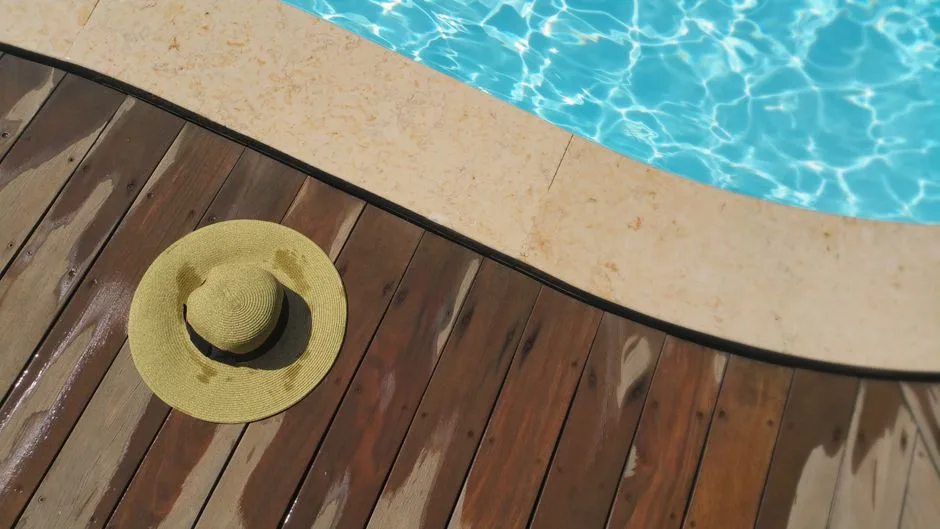
Limestone Pool Coping & Deck
Limestone’s soft gray and cream tones create an elegant, understated pool surround. It stays cooler than concrete but is more porous — apply a penetrating sealer to prevent water absorption and staining. Pairs especially well with geometric, modern pools.
Photo by Pixabay on Pexels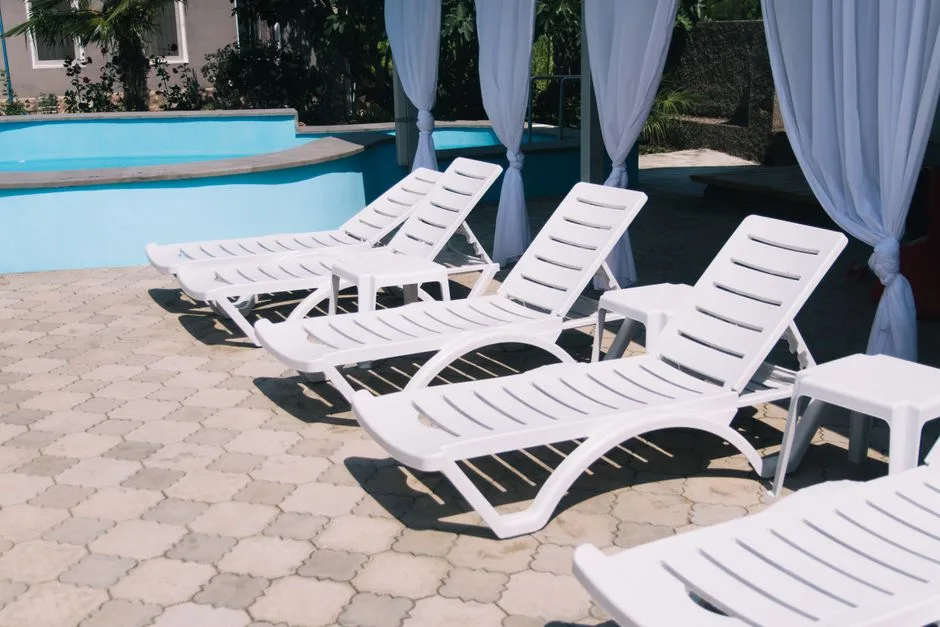
Gravel & Decomposed Granite Surround
A gravel or decomposed granite surround is the ultimate budget landscaping hack. At $2–$5 per square foot installed, it’s far cheaper than any paver or concrete option. Add a compacted base layer and edging strips to keep gravel from migrating into the pool.
Photo by Алексей Вечерин on Pexels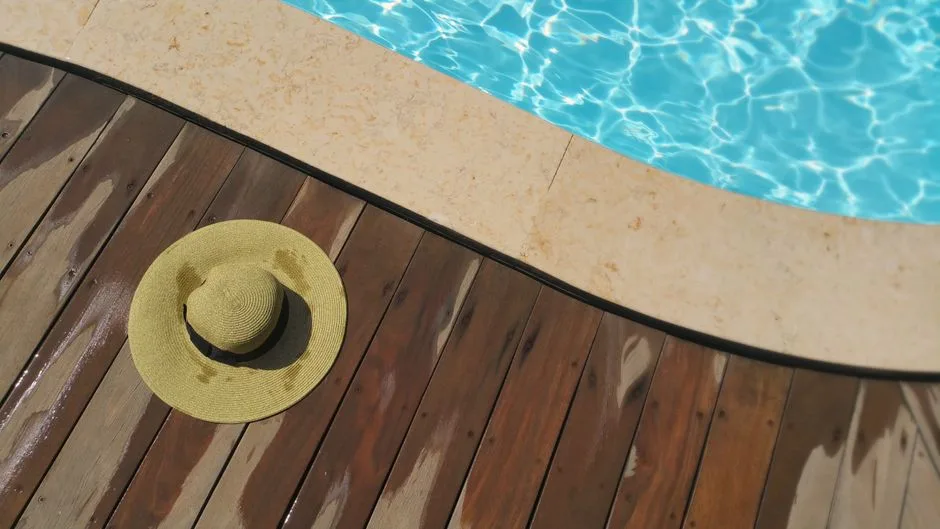
Mixed-Material Pool Deck
Why choose one material? Combine concrete with wood decking inserts, or pavers with gravel borders, to define different zones — lounging, dining, and entry. Mixed materials add visual texture and can help keep costs down by using premium materials only in key areas.
Photo by Pixabay on PexelsPool Patio Layouts & Hardscaping
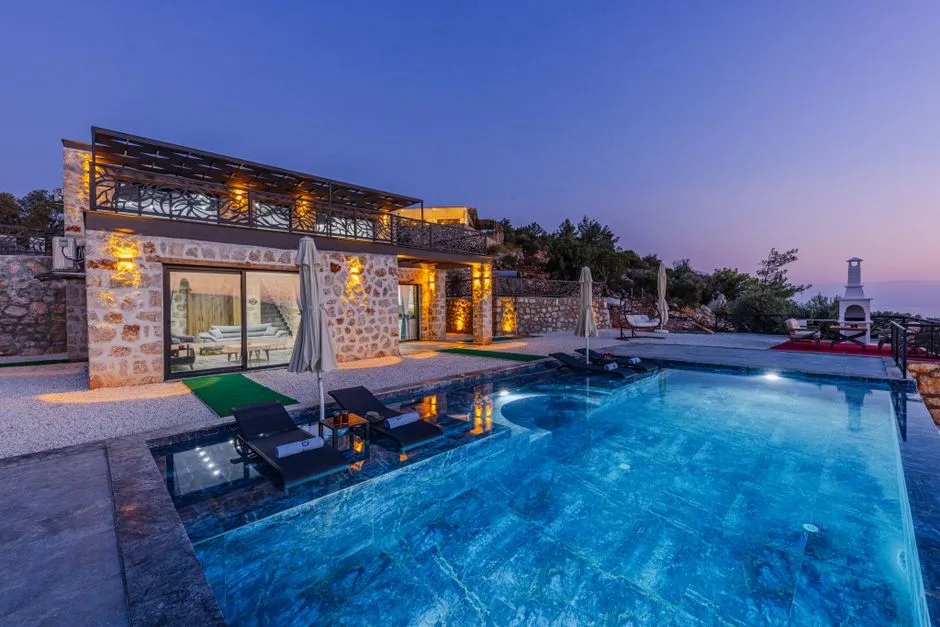
Wraparound Pool Patio
A patio that extends fully around the pool creates a continuous flow for entertaining and lounging. Plan for at least 4 feet of deck space on each side — 8+ feet on the main gathering side. This layout maximizes usability and gives the pool a balanced, anchored look.
Photo by Ahmet ÇÖTÜR on Pexels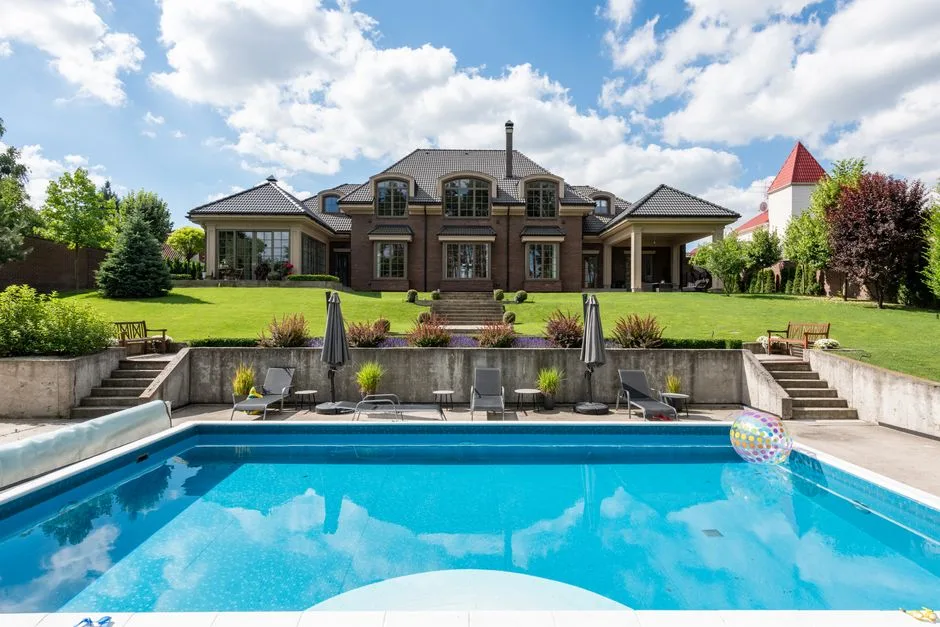
Multi-Level Pool Terrace
On sloped lots, terracing the patio into multiple levels creates natural zones — sun shelf up top, dining in the middle, pool at the bottom. Retaining walls double as extra seating. This approach turns a challenging slope into a design feature.
Photo by Max Vakhtbovych on Pexels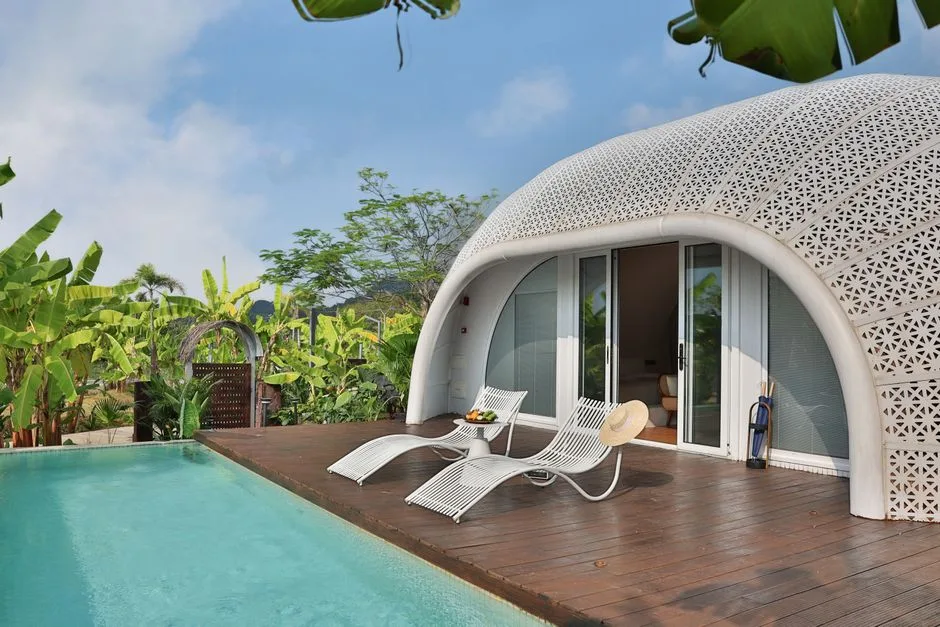
Curved / Freeform Patio Edge
Soft, sweeping patio curves echo the shape of a freeform pool and feel more natural than rigid rectangles. Curved edges guide foot traffic organically and create pockets for planters, lounge chairs, or feature trees. Use a flexible paver or poured concrete to achieve the shape.
Photo by 果 芒 on Pexels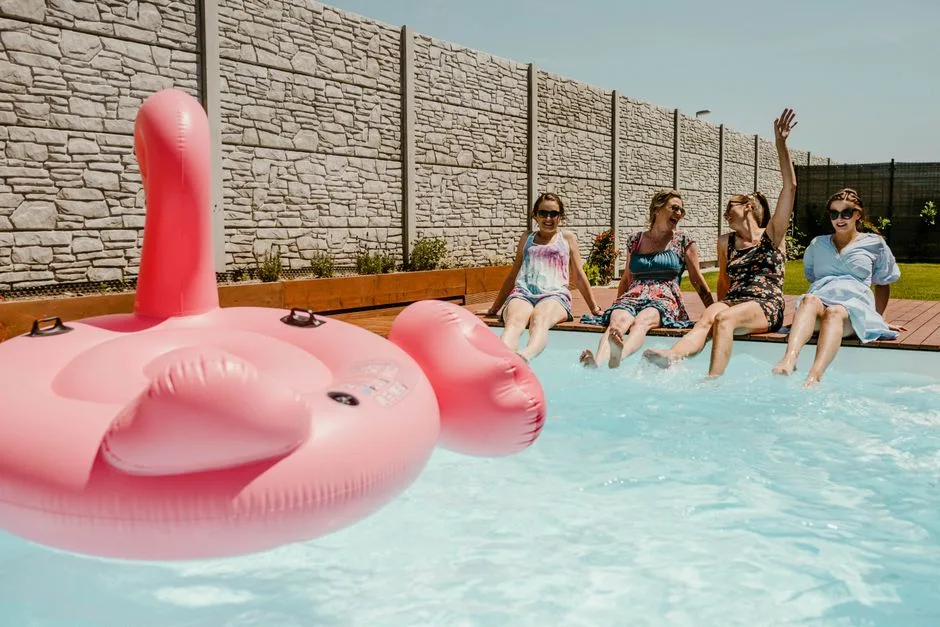
Built-In Bench Seating Wall
Integrate a low seating wall (18 inches high) into the patio design — it seats more people than individual chairs and defines the patio edge cleanly. Build with the same stone or paver as the deck for a cohesive look, and add outdoor cushions for comfort.
Photo by Helena Jankovičová Kováčová on Pexels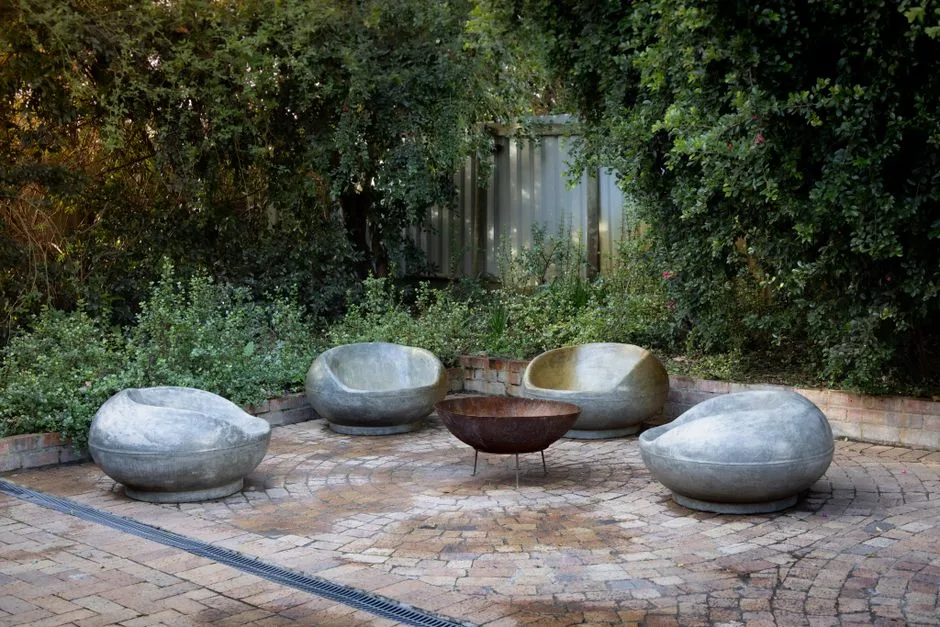
Fire Pit Conversation Zone
A fire pit area set 10–15 feet from the pool edge extends your outdoor season into cooler evenings. Use a contrasting paver pattern or a circular gravel bed to visually separate the fire zone from the pool deck. Gas-fueled fire pits mean no smoke drifting toward swimmers.
Photo by Magda Ehlers on Pexels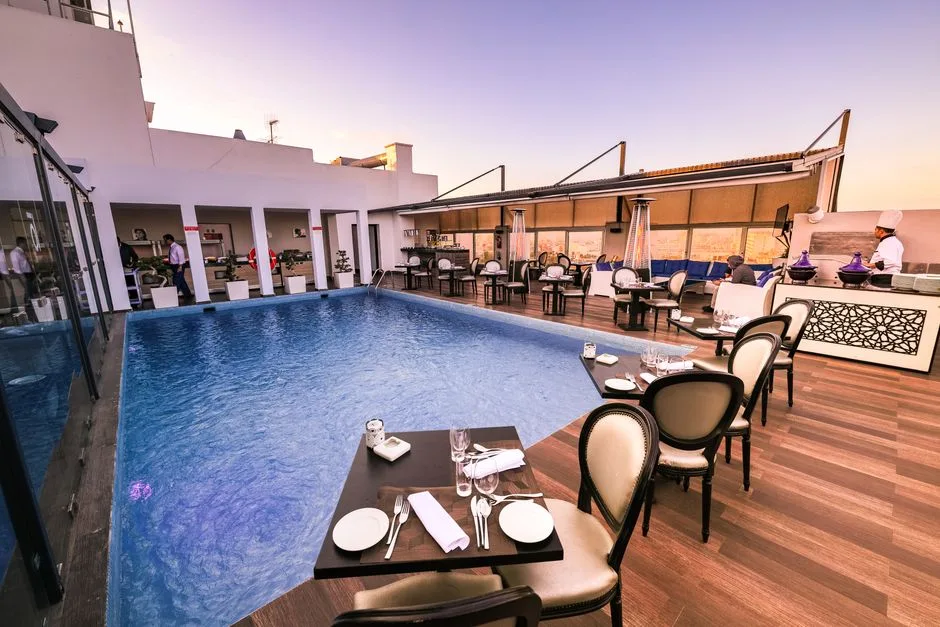
Outdoor Dining Pavilion
An open-air dining area adjacent to the pool — covered by a pergola or pavilion roof — keeps meals shaded and close to the action. Position it between the house and the pool for the shortest food-and-drink commute. Include a built-in serving counter or outdoor kitchen pass-through.
Photo by Zak Chapman on Pexels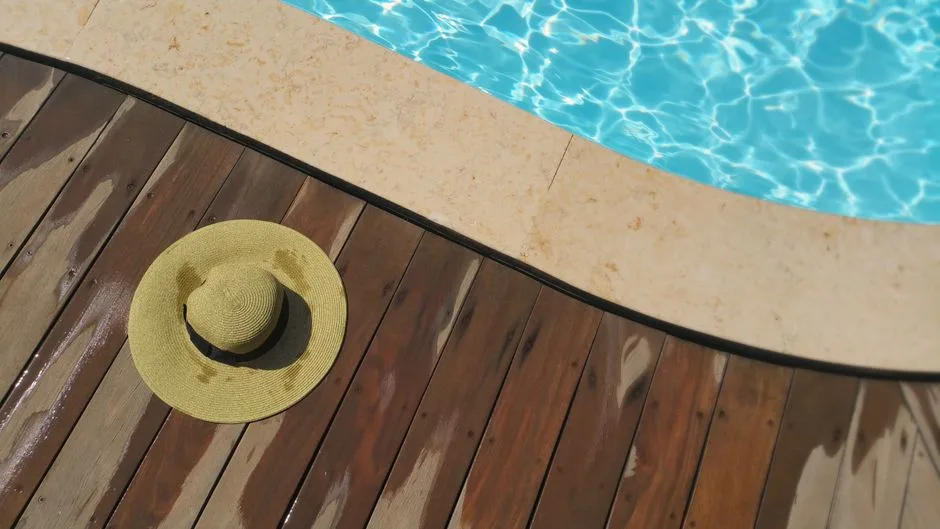
Pool Deck with Integrated Planters
Cut out planting pockets directly in the patio surface — fill them with ornamental grasses, small palms, or flowering perennials. This breaks up large expanses of hardscape and brings greenery right up to the water’s edge without a full landscaping bed.
Photo by Pixabay on Pexels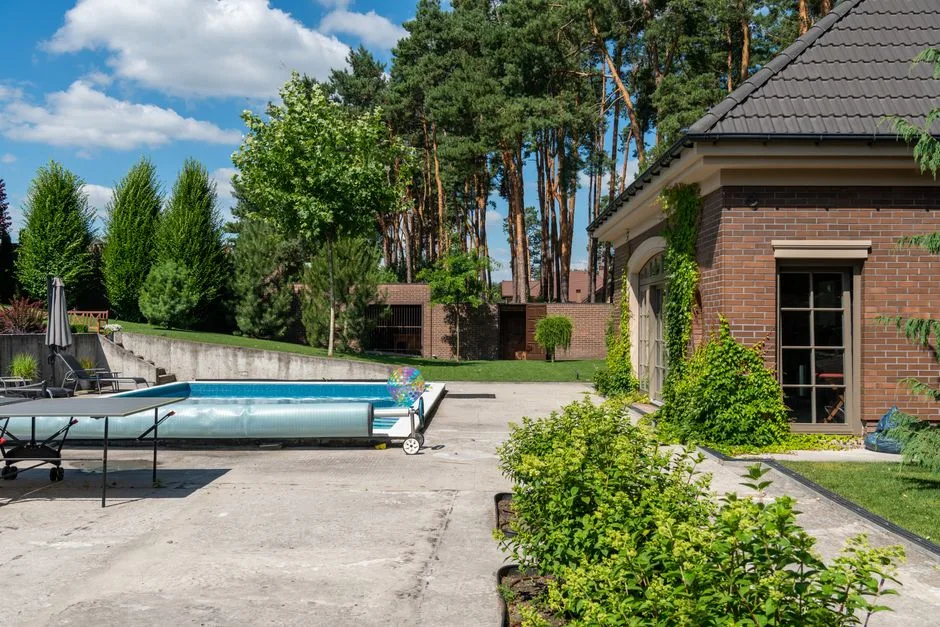
Herringbone Paver Pattern
A herringbone brick or paver layout adds subtle visual energy to the pool surround — the alternating angles catch light differently throughout the day. It’s also one of the strongest patterns for load-bearing, resisting shifting better than running-bond layouts over time.
Photo by Max Vakhtbovych on PexelsLandscaping Plants & Gardens
Tropical Paradise Landscaping
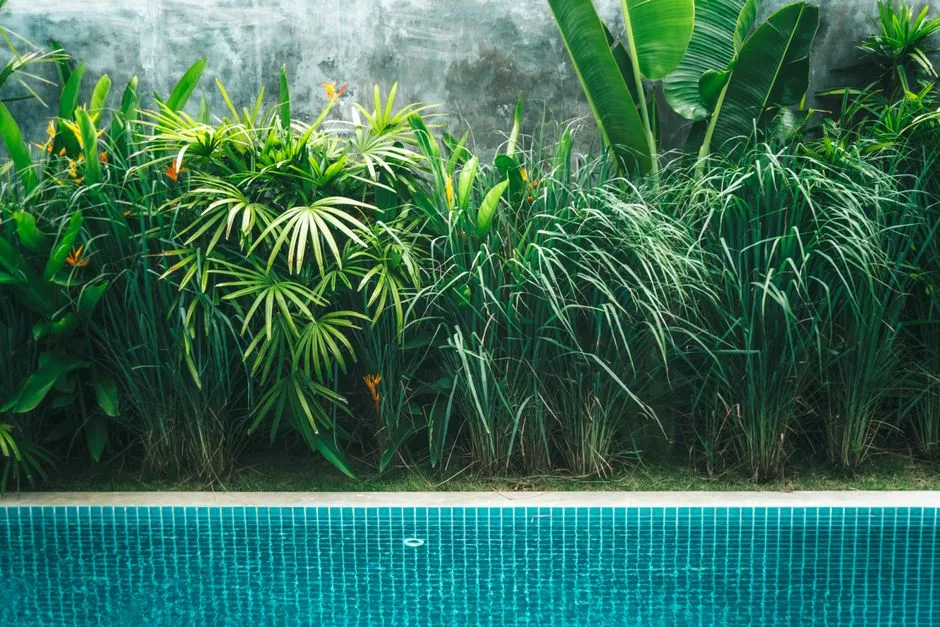
Layer banana plants, bird of paradise, canna lilies, and elephant ears around the pool for a lush resort feel. The oversized leaves cast dappled shade and make the pool feel like a hidden jungle lagoon. Best for warm climates (USDA zones 9–11) or seasonal replanting. One trade-off: those oversized leaves are among the heaviest debris-shedders in this guide. Pair a tropical border with a robotic pool vacuum running daily, and the water stays clear without hand-netting.
Photo by ROMAN ODINTSOV on Pexels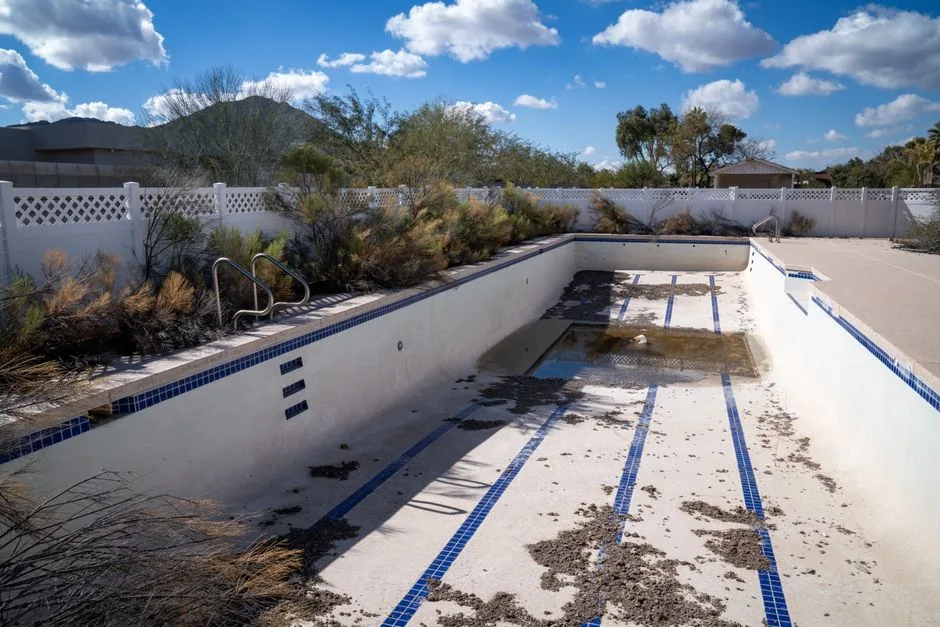
Desert / Xeriscape Pool Garden
Agave, yucca, barrel cactus, and red yucca create a striking architectural landscape that uses practically zero water beyond rainfall. Gravel mulch keeps weeds down and reflects heat away from the pool deck. This look pairs perfectly with modern geometric pools in the Southwest.
Photo by Strange Happenings on Pexels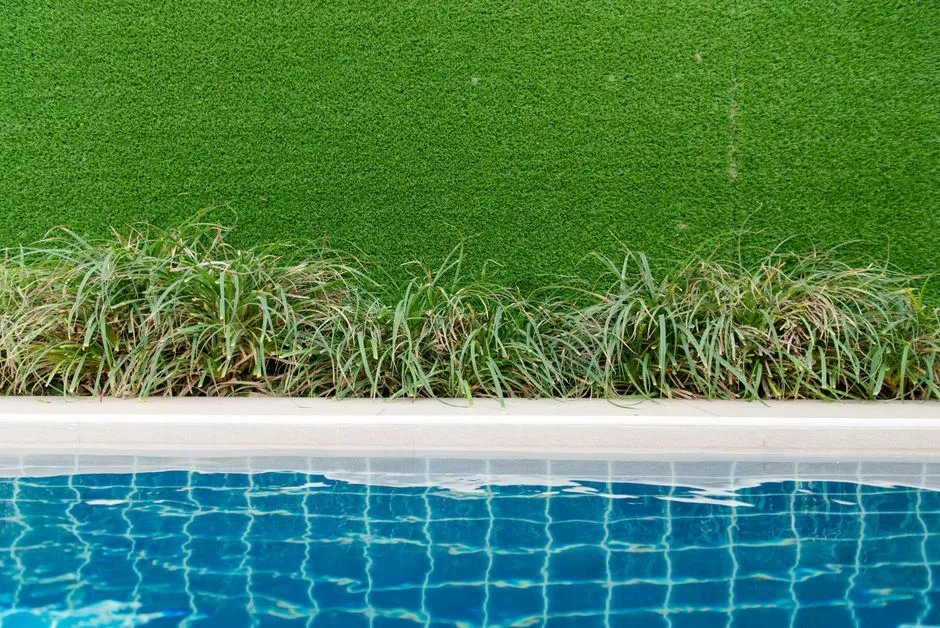
Artificial Turf Pool Surround
Artificial grass around the pool gives you year-round green without mud, mowing, or grass clippings floating into the water. Choose a product with drainage backing so splash-out percolates through. It stays cooler than concrete and is soft underfoot — great for families with kids.
Photo by Tirachard Kumtanom on Pexels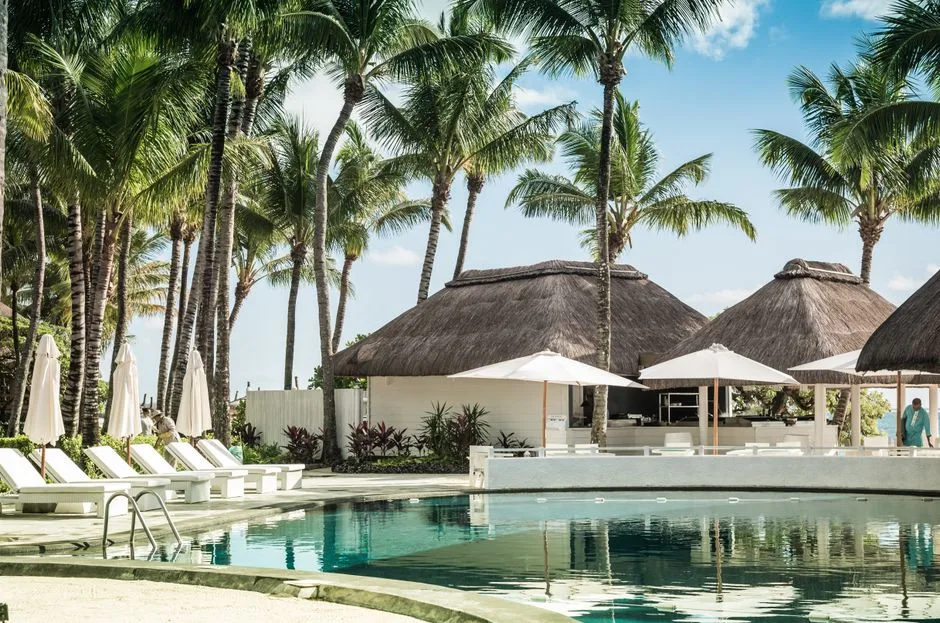
Palm Tree Avenue
Line the pool with a row of queen palms, pygmy date palms, or Mediterranean fan palms to frame the water and create a sense of enclosure. Palms drop less leaf litter than broadleaf trees — an important consideration for pool maintenance. Dwarf varieties work for smaller yards.
Photo by Lelani Badenhorst on Pexels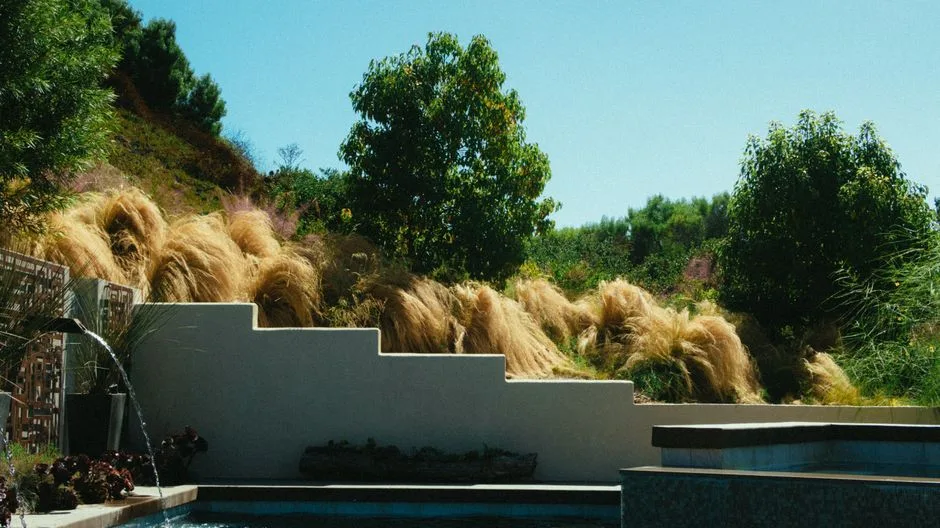
Ornamental Grass Border
Fountain grass, muhly grass, and pink muhly create a soft, swaying edge around the pool that catches the breeze. Plant in clusters of 3–5 for impact, and leave 2–3 feet between the grass and the pool coping so seed heads don’t blow directly into the water.
Photo by Athena Sandrini on Pexels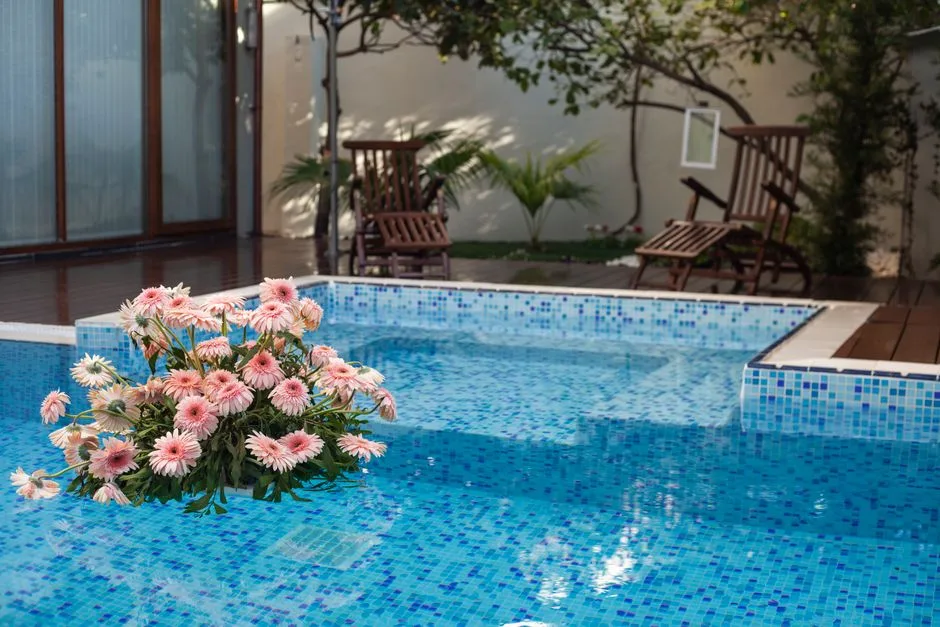
Flowering Perennial Bed
A border of lavender, Russian sage, salvia, and agapanthus adds color without the constant replanting of annuals. These drought-tolerant perennials are low-maintenance and attract pollinators — keep the bed at least 3 feet from the pool edge to avoid bees too close to swimmers.
Photo by Engin Akyurt on Pexels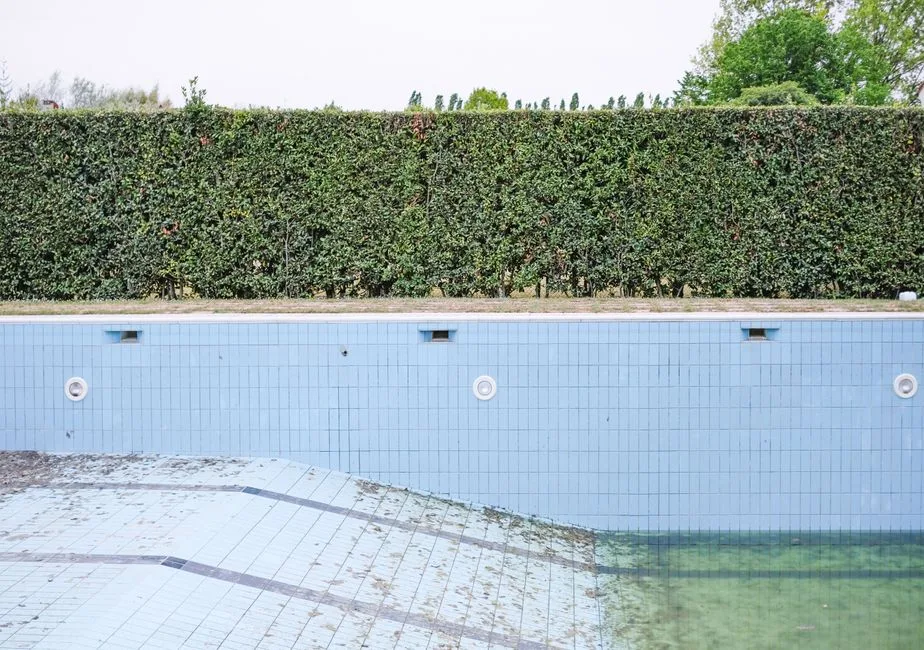
Hedge Privacy Wall
A clipped podocarpus, boxwood, or ficus hedge forms a living green wall around the pool perimeter. At 6–8 feet tall, hedges provide natural privacy screening without the hard look of a fence. Allow 2–3 years for full density and plan for quarterly trimming.
Photo by Stefano Zanet on Pexels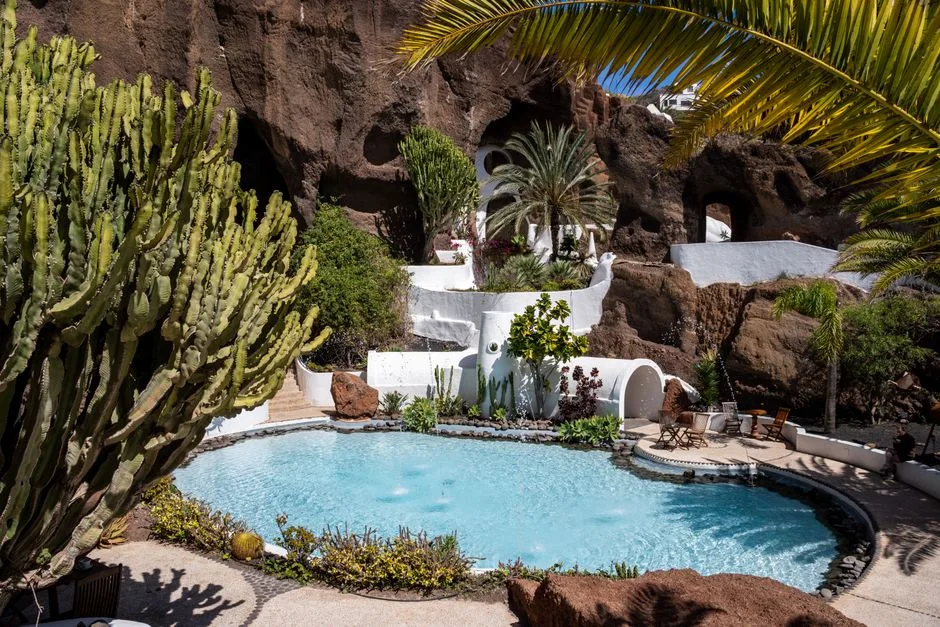
Rock Garden & Boulder Features
Large natural boulders embedded in the landscape create a sense of permanence and anchor planting beds. Combine with creeping juniper, ice plant, or sedum groundcover for a low-water alpine look. Boulder placement should feel random, not symmetrical — mimic natural outcroppings.
Photo by Mihai Vlasceanu on Pexels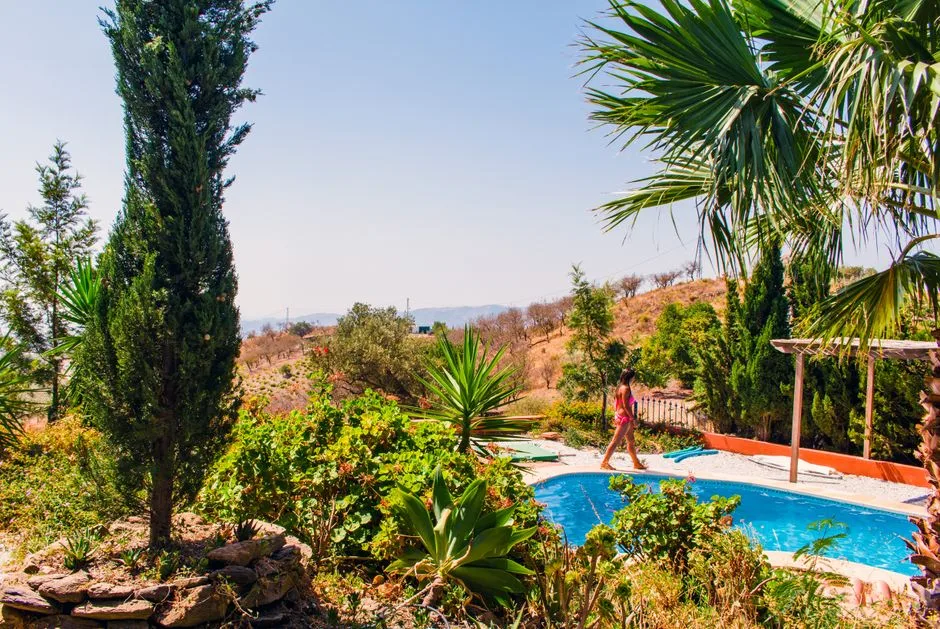
Mediterranean Pool Garden
Olive trees, rosemary bushes, lavender, and Italian cypress create a sun-drenched Mediterranean landscape. Gravel mulch and terracotta planters complete the look. This style thrives in hot, dry summers and requires minimal irrigation once established.
Photo by anna-m. w. on Pexels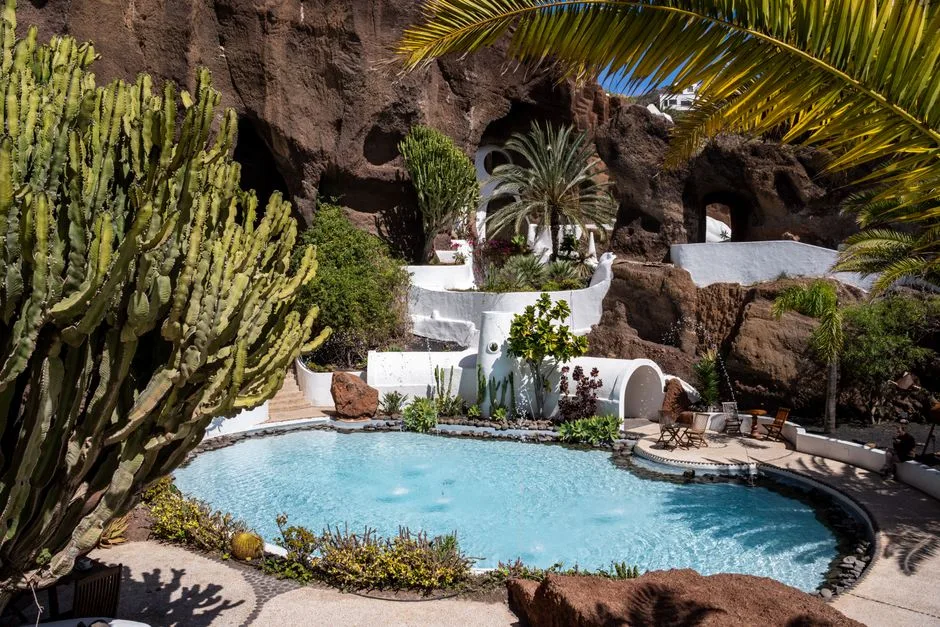
Succulent & Cactus Cluster
Group aeonium, echeveria, aloe, and small barrel cactus in raised beds or large planters near the pool. The sculptural forms look architectural and modern, and succulents need almost no water. A top dressing of decorative pebbles keeps the display crisp and tidy.
Photo by Mihai Vlasceanu on PexelsPool Shade Structures
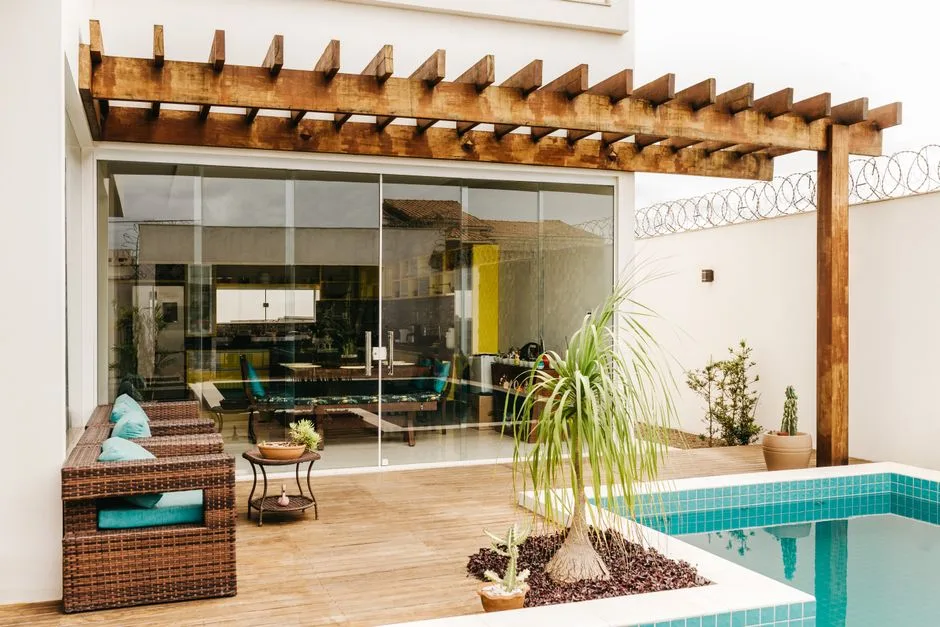
Classic Wood Pergola
A cedar or pressure-treated pine pergola over part of the pool or adjacent patio creates dappled shade and defines the lounge zone. Add retractable shade cloth panels across the top beams for adjustable sun protection. Train climbing vines like wisteria or grape for natural cooling.
Photo by Jonathan Borba on Pexels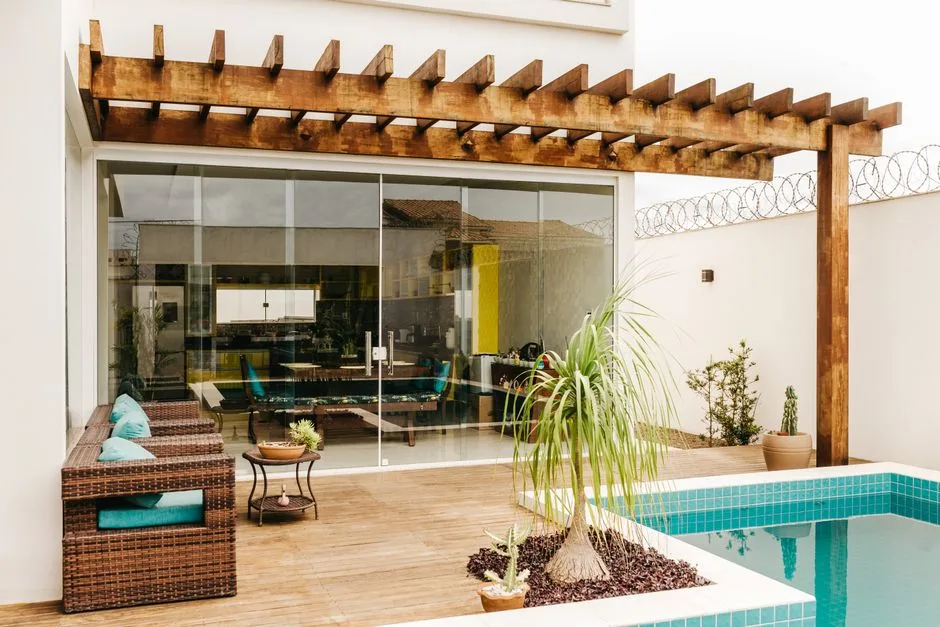
Modern Aluminum Pergola
Sleek powder-coated aluminum pergolas with motorized louvers let you control shade with a remote — open for sun, closed for rain protection. The clean lines suit contemporary architecture and the aluminum frame needs zero maintenance beyond occasional washing.
Photo by Jonathan Borba on Pexels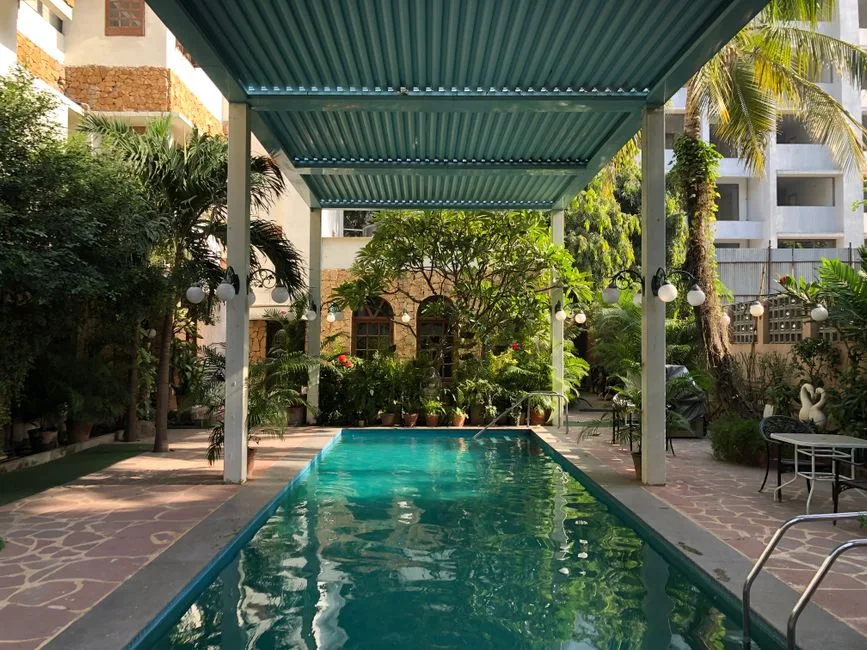
Retractable Shade Canopy
A motorized retractable awning or canopy extends over the pool deck at the push of a button and retracts when you want full sun. Mount on the house wall facing the pool or on freestanding posts. Fabric options include UV-blocking and waterproof grades.
Photo by Infinity Pool on Pexels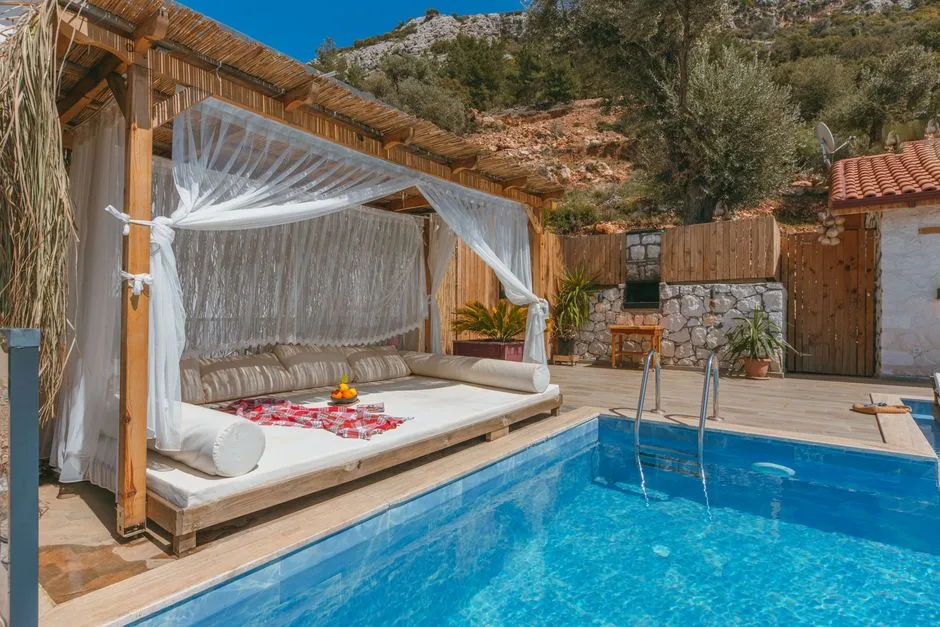
Poolside Cabana
A freestanding cabana with curtains, a daybed, and a small side table creates a private retreat steps from the water. Build with weatherproof materials — teak furniture and Sunbrella fabric — and add an outdoor ceiling fan for air circulation on still summer days.
Photo by Ahmet ÇÖTÜR on Pexels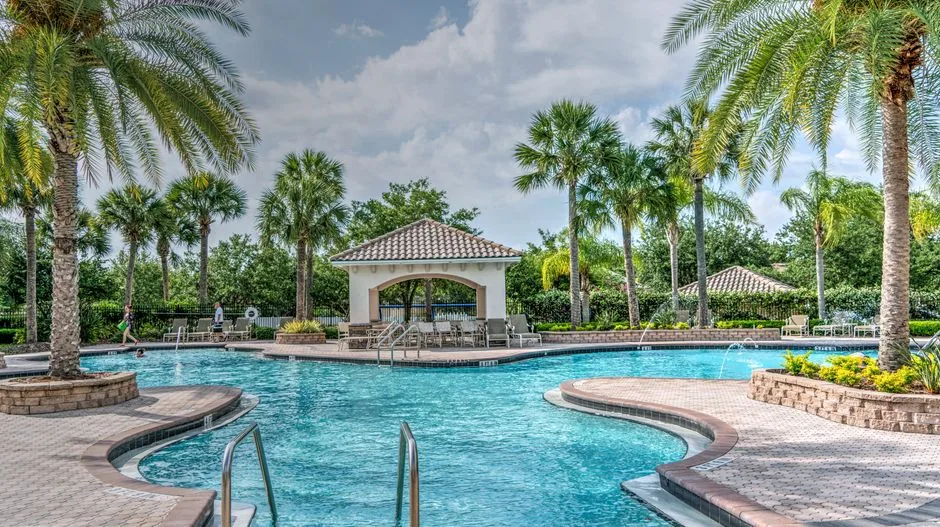
Gazebo by the Pool
An octagonal wooden gazebo placed at one end of the pool creates a shaded dining or lounge room with 360-degree views. Screen panels keep bugs out while letting the breeze through. Hardwire outdoor string lights under the roof peak for evening ambiance.
Photo by Pixabay on Pexels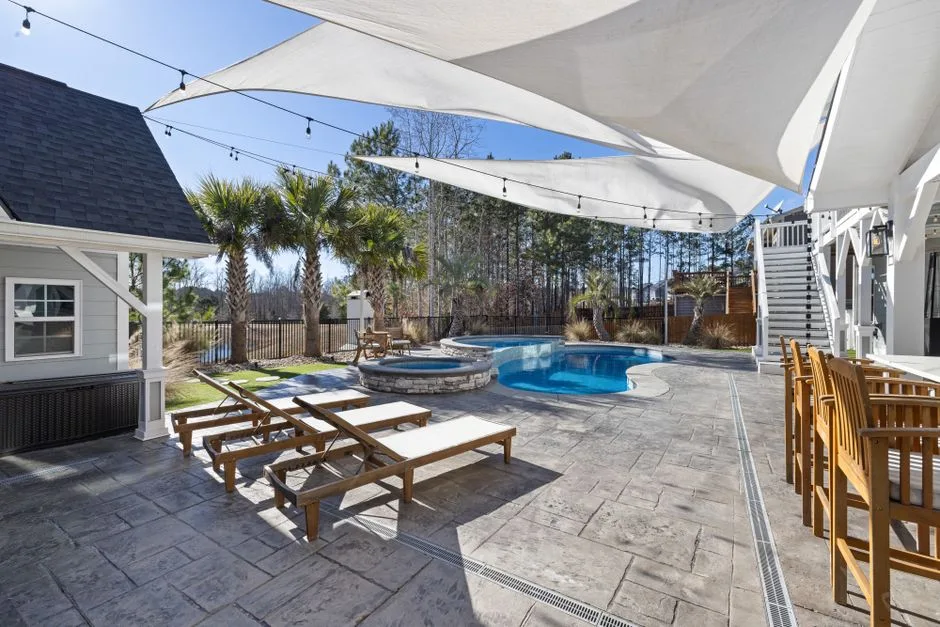
Triangle Sail Shades
Tensioned triangular shade sails stretched above the pool create a dramatic architectural look at a low cost ($50–$200 per sail). Install at varying heights and angles for a sculptural effect. Use UV-stabilized HDPE fabric — it blocks 90%+ of UV rays while allowing airflow.
Photo by Curtis Adams on Pexels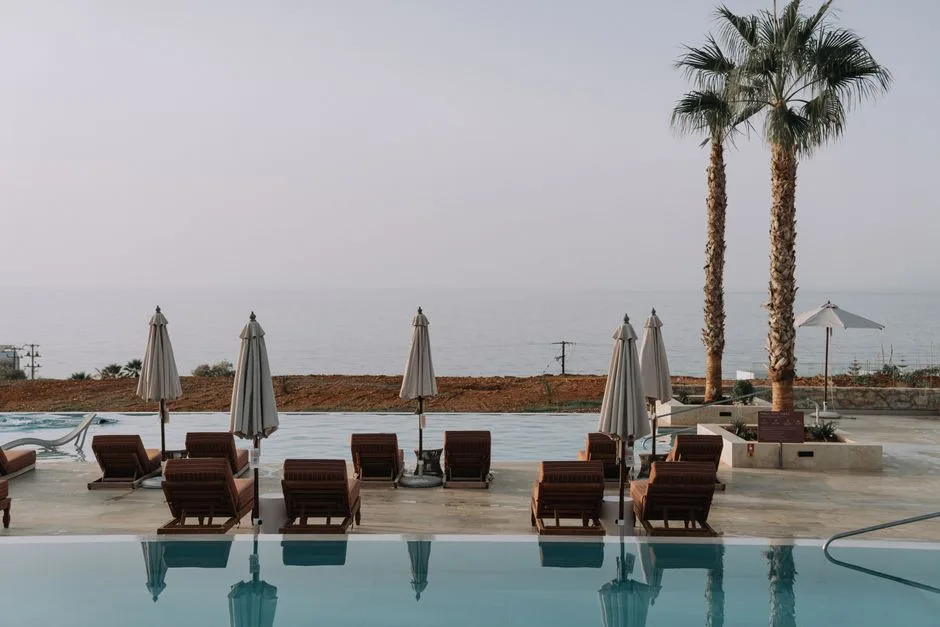
Cantilever Umbrella Cluster
Two or three large cantilever umbrellas (10–13 ft diameter) positioned around the pool provide flexible, movable shade. Unlike fixed structures, you can adjust them as the sun moves. Choose a color that contrasts with the pool water for a pop of visual energy.
Photo by alleksana on Pexels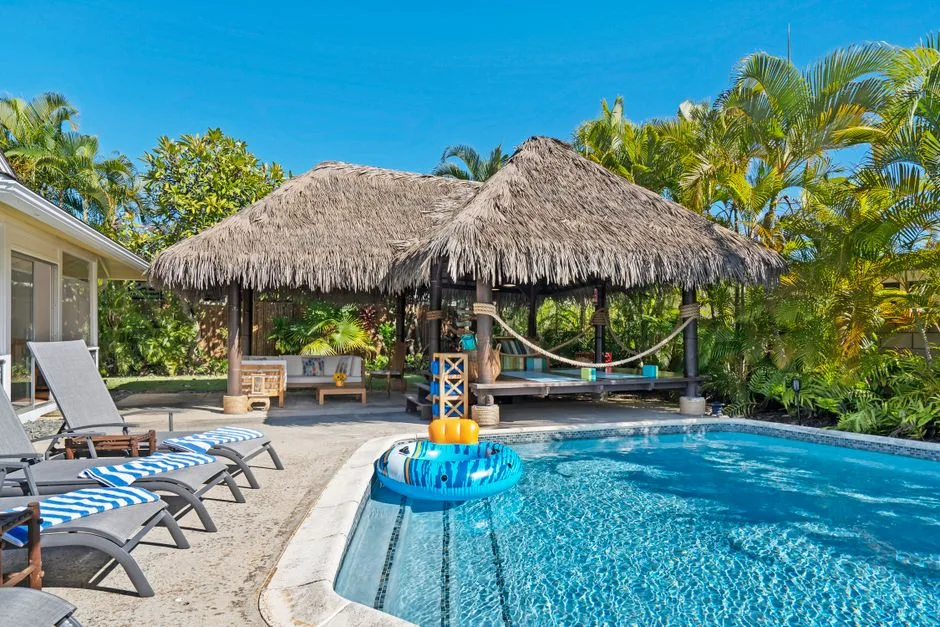
Thatched Palapa / Tiki Hut
A palm-thatched palapa brings instant tropical vacation energy to the pool. The natural thatch provides excellent shade and the open-sided design maximizes airflow. Budget for re-thatching every 3–5 years, or use synthetic thatch for lower maintenance.
Photo by Jason Boyd on PexelsPool Surrounds for Awkward & Small Spaces
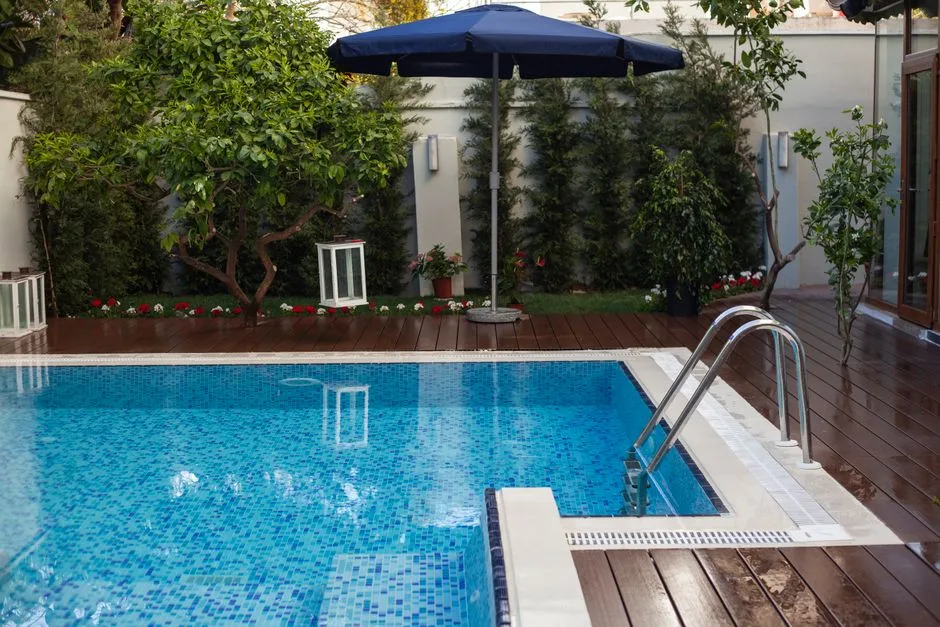
Small Backyard Pool Layout
A compact pool (12 × 24 ft or smaller) with a single narrow deck on one side leaves room for a strip of landscaping along the fence line. Vertical elements — a tall privacy screen, wall-mounted planters, or a slim water feature — draw the eye up and make the space feel larger.
Photo by Engin Akyurt on Pexels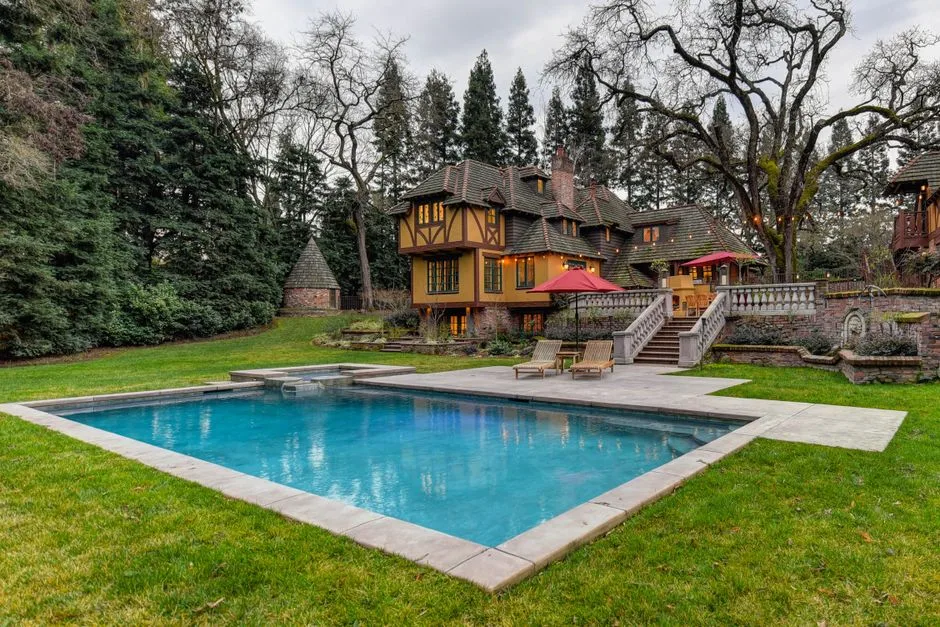
Sloped Lot Pool Design
A semi-inground or partially raised pool built into a slope eliminates expensive retaining walls. Use the raised pool wall as a backdrop for a waterfall feature, and terrace the remaining slope into planting beds or stepped seating that cascades down toward the water.
Photo by Stephen Leonardi on Pexels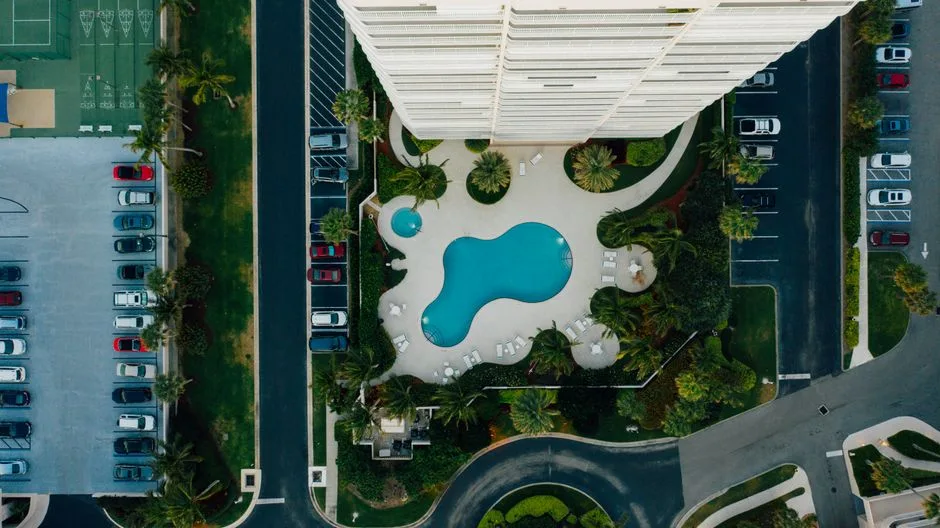
Corner Lot Pool Placement
Positioning the pool diagonally across a corner lot maximizes swim area while minimizing the visual footprint from the street. Plant a dense hedge or build a decorative screen along the two street-facing sides for privacy. The diagonal orientation creates interesting triangular planting pockets.
Photo by K on Pexels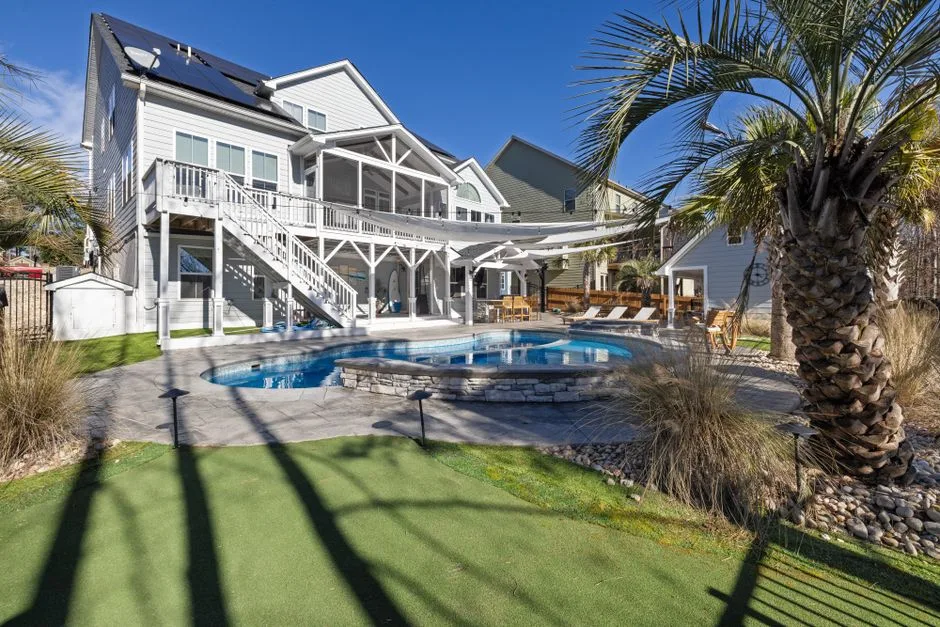
Narrow Side Yard Lap Pool
A long, narrow pool (8 × 40 ft) transforms an unused side yard into a lap swimmer’s sanctuary. The pool runs parallel to the property line with just 3–4 feet of deck on each side. A glass fence preserves the open feel while meeting code requirements.
Photo by Curtis Adams on Pexels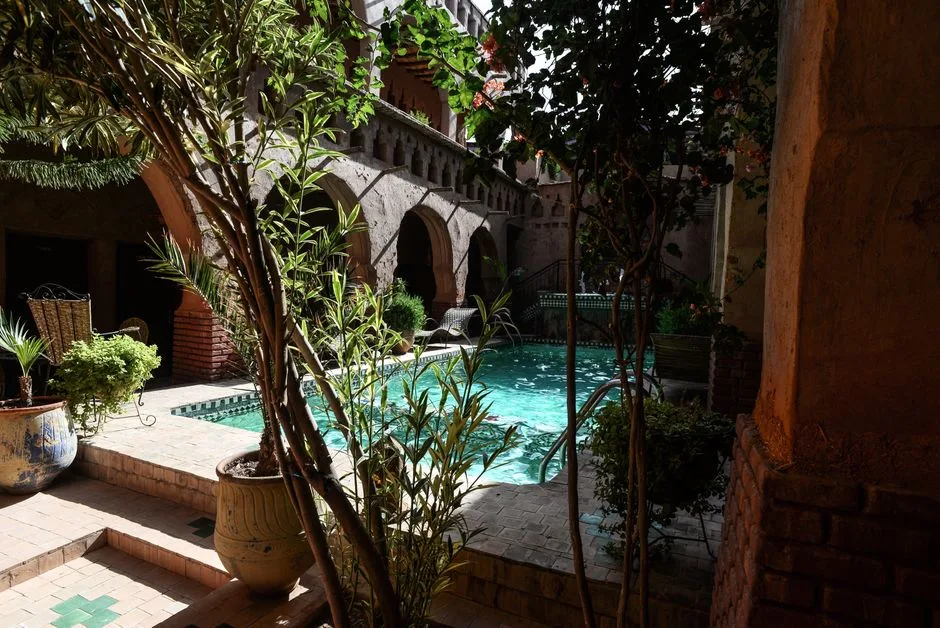
Courtyard Pool Enclosure
A pool completely enclosed by the house or walls on 3–4 sides creates a private inner sanctuary. The architecture itself provides wind protection and privacy. Choose light-colored paving to bounce sunlight into the courtyard and keep the space from feeling canyon-like.
Photo by Andrea Musto on Pexels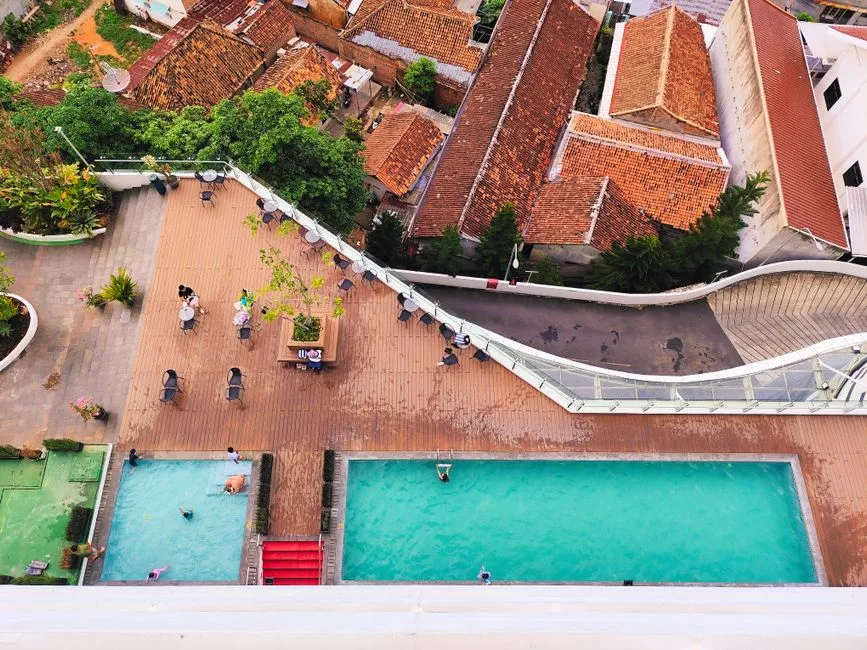
Rooftop / Elevated Pool Deck
An above-ground or container pool on a rooftop or elevated deck offers skyline views while you swim. Weight is the primary consideration — consult a structural engineer first. Use lightweight composite decking and fiberglass pool shells to minimize structural load.
Photo by Diesma Kesuma on Pexels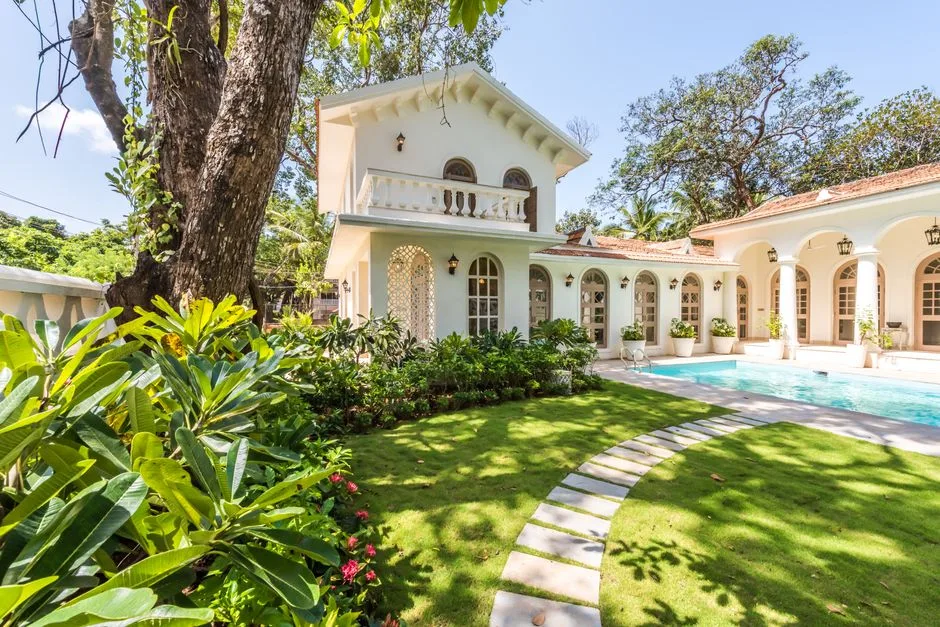
Front Yard Pool Landscape
A front yard pool — common in Australia and gaining traction in the US — flips the traditional backyard layout. A tall hedge or decorative fence provides street privacy, and the pool becomes a striking entry feature. Check local setback requirements before planning.
Photo by Souranshi Fashion and Lifestyle Magazine on Pexels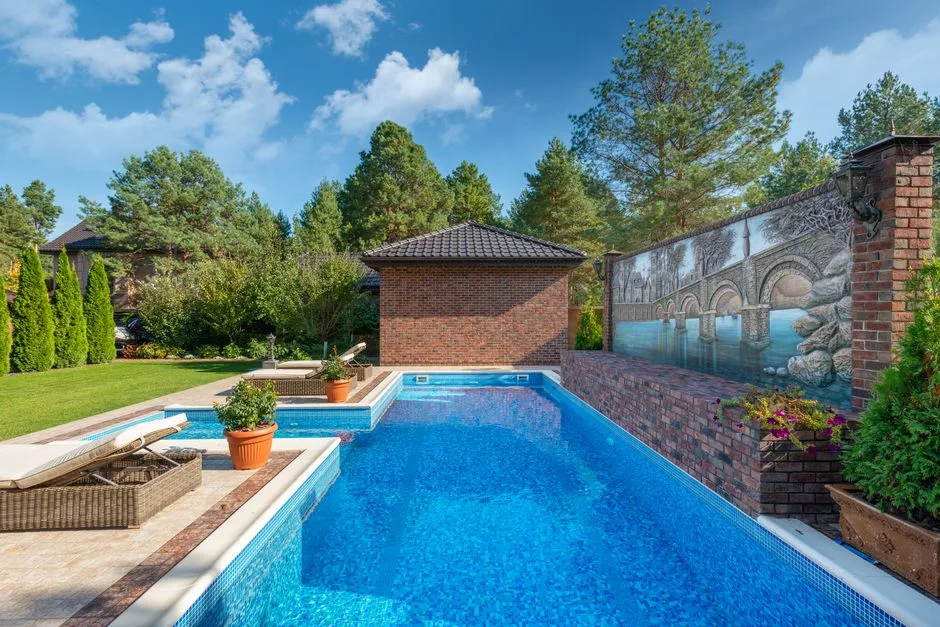
Long Narrow Backyard Pool
Run a rectangular pool lengthwise along one side of a long, narrow yard with a continuous deck strip. Place the outdoor lounge at the far end as a destination, creating a journey through the landscape. A water feature at the far end provides a focal point from the house.
Photo by Max Vakhtbovych on PexelsPool Coping, Railings & Finishing Details
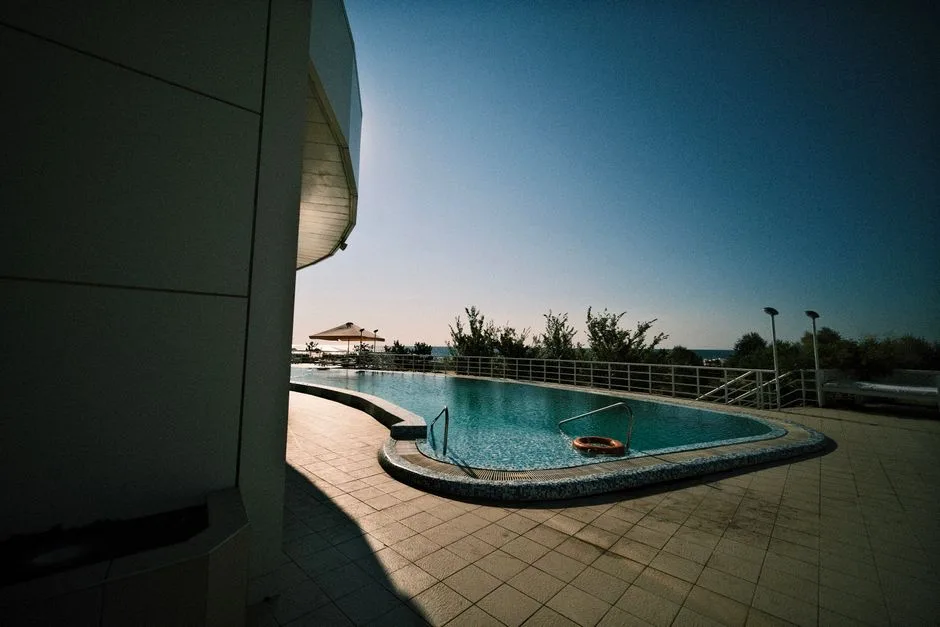
Natural Stone Bullnose Coping
Travertine or limestone coping with a rounded bullnose edge creates a finished, furniture-quality rim around the pool. The smooth rounded edge is comfortable for arms and elbows when resting at the waterline. Expect to pay $15–$30 per linear foot installed.
Photo by Egor Komarov on Pexels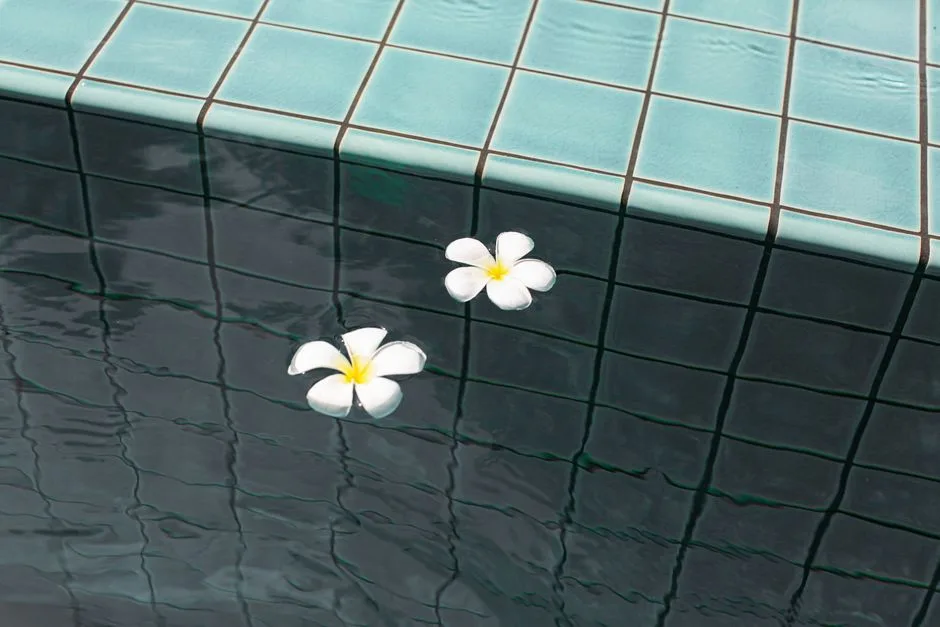
Cantilever Concrete Coping
Cantilever coping extends the concrete deck slab slightly over the pool edge with a clean, shadow-line reveal — no separate coping stone needed. This minimalist detail is a hallmark of modern pool design. The deck and coping are poured as one continuous piece.
Photo by Cup of Couple on Pexels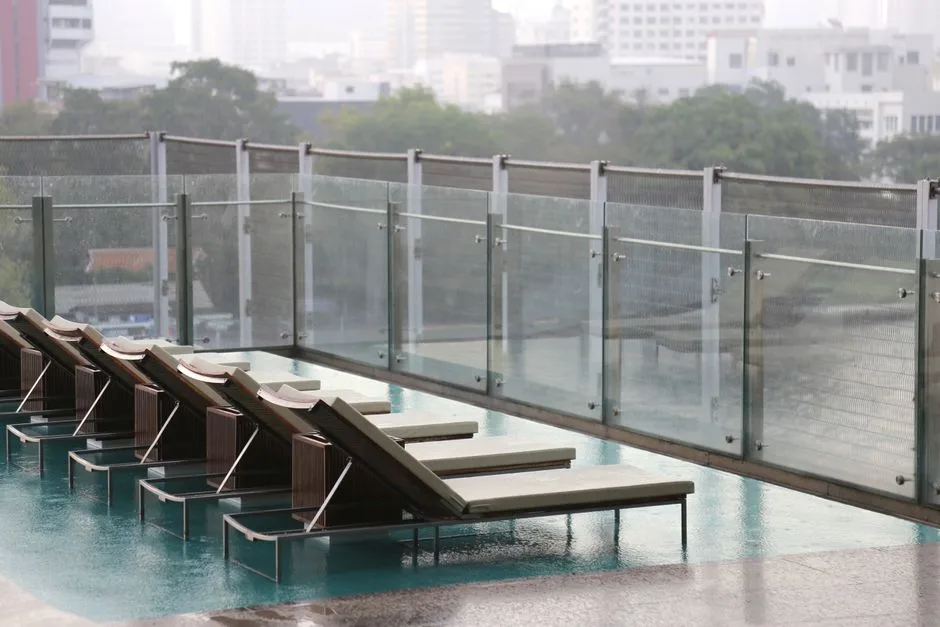
Glass Panel Pool Railing
Frameless tempered glass panels around the pool preserve sightlines while meeting safety codes. The nearly invisible barrier makes small spaces feel larger and keeps the focus on the water and landscape. Choose stainless steel spigot mounts for a sleek, corrosion-proof installation.
Photo by wutthichai charoenburi on Pexels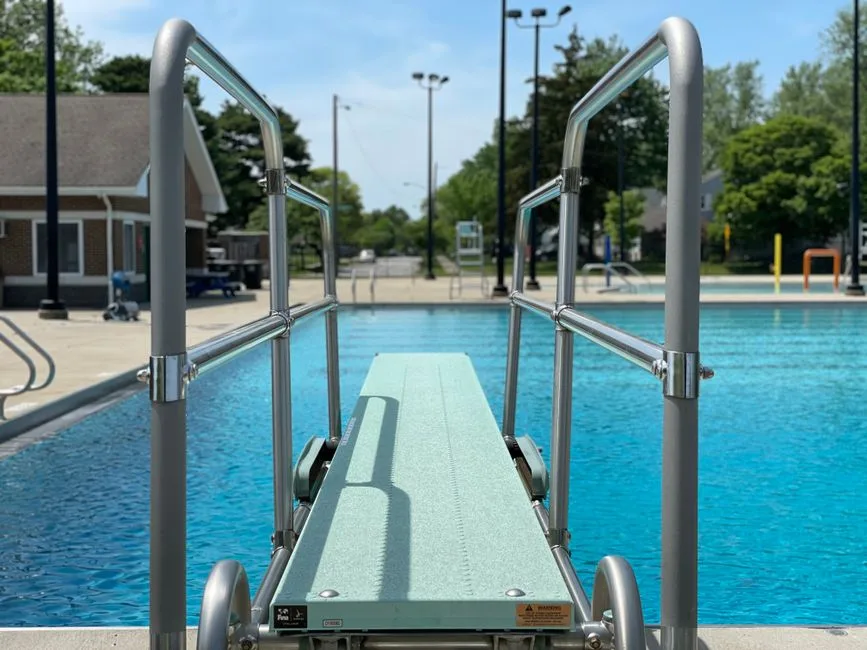
Aluminum Pool Fence with Style
Black or bronze powder-coated aluminum fencing provides code-compliant safety with a more open feel than wood or vinyl. The slender pickets and arched top rails add an ornamental touch. Aluminum won’t rust — a key advantage over steel in the chlorinated micro-climate around a pool.
Photo by Steve DiMatteo on Pexels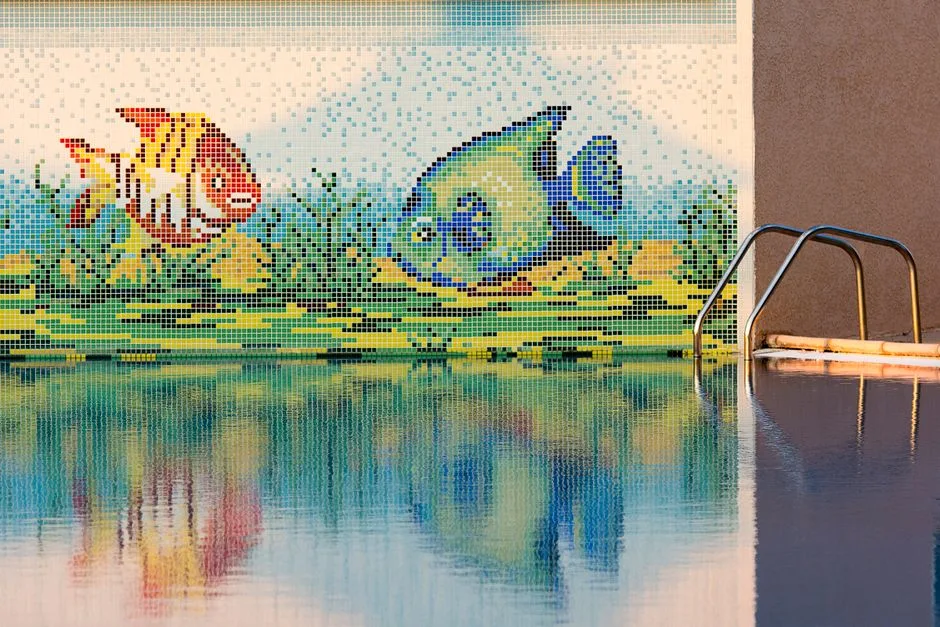
Mosaic Tile Waterline Accent
A band of glass or ceramic mosaic tile at the waterline adds a jewelry-like detail that catches light as the water ripples. Blue, turquoise, and teal mosaics intensify the water color; iridescent tiles shimmer even under overcast skies. Budget $10–$30 per square foot for glass tile.
Photo by Jan van der Wolf on Pexels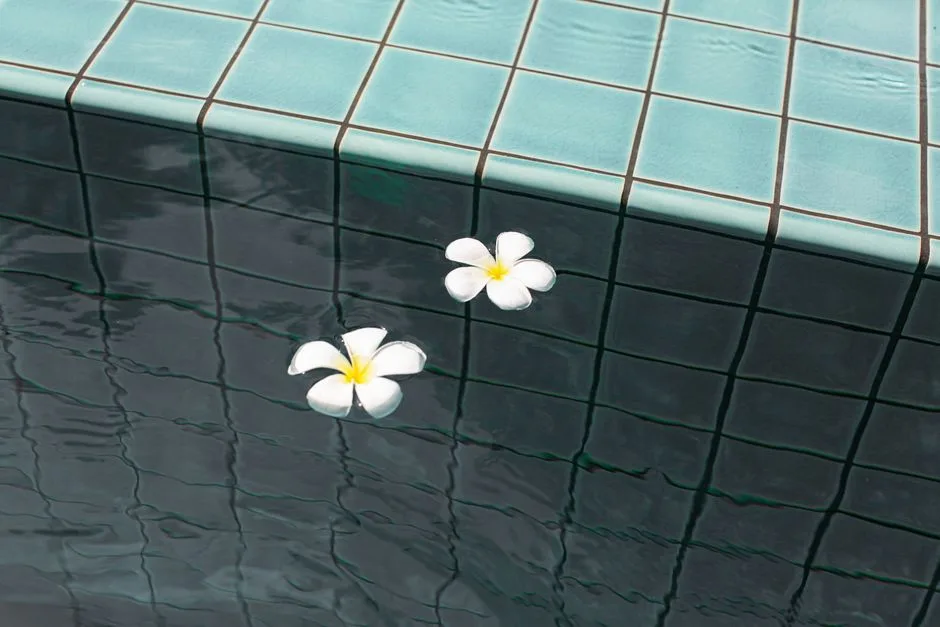
Paver Coping with Contrast Border
Use a contrasting paver color or material for the coping row — darker coping against a lighter deck, or vice versa — to create a crisp visual frame around the pool. This simple detail adds definition and makes the pool shape read clearly from any angle in the yard.
Photo by Cup of Couple on PexelsA note from our service team. Landscaping is the biggest source of organic load we see in backyard pools. Tree canopies, flower beds, and mulch lines send leaves, petals, and soil into the water on windy days, and the shaded corners they create are exactly where mustard algae starts first. Before planting anything near the coping, our techs ask the same two questions on every install: does this plant drop debris, and will its shade keep one end of the pool colder and dirtier? Leaf-heavy landscaping makes the skimmer work harder; a shaded, unbrushed corner means you’ll be treating algae all season. A skimmer can only catch what reaches it; a daily sweep keeps everything else from settling on the floor. Running an Aiper pool robot each night is the simplest way to keep a heavily planted pool as clean as it looks.
Green surroundings make a busier pool floor
Leaves, petals, soil, and mulch find their way into the water no matter how carefully you plant. A robotic cleaner works the floor, walls, and waterline overnight so you get the landscape you designed and the water clarity you actually swim in.
Shop Aiper robotic pool cleanersMore Pool Design Inspiration
This is the first in our Pool Design Ideas series. Explore more guides to plan every part of your perfect pool:


