
From invasive weed identification and fungal disease protocols to managing pests and unwanted growth, we provide the diagnostic tools and technical solutions to restore your lawn’s health and resilience.
28 articles

Dogs damage lawns in two different ways, and each needs its own fix. Your own dog leaves urine spots in the same few places…

Johnsongrass is a coarse, warm-season perennial that spreads through thick underground rhizomes and heavy seed production. In a mowed lawn, it stays short, but…

Quackgrass is a cool-season perennial that spreads through underground rhizomes and forms coarse, blue-green patches in bluegrass, fescue, and ryegrass lawns. It grows fastest…

Bahiagrass throws up tall, V-shaped seed stalks three or four days after the lawn is mowed. It is a warm-season perennial that spreads by…

Horseweed starts as a flat rosette that is easy to miss in a lawn. By early summer, it can send up a single stalk…
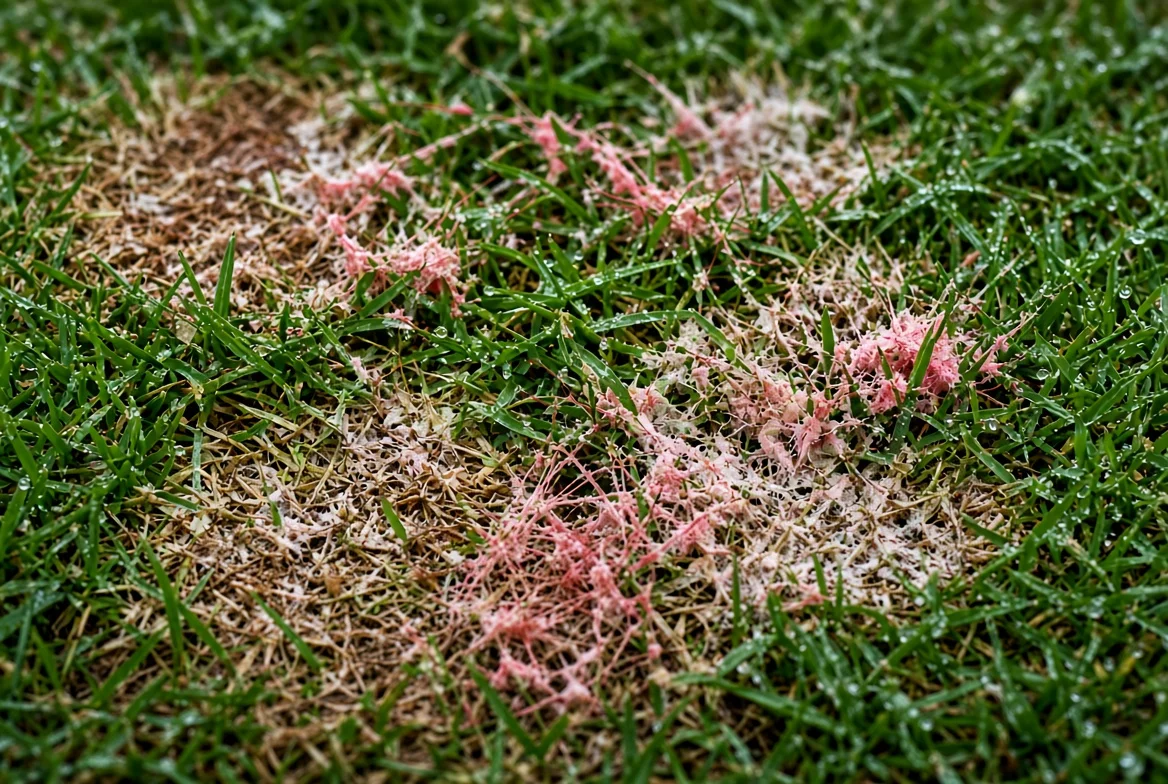
Red thread shows up as pink or reddish patches in the lawn, usually after a run of cool, wet weather. Up close, the grass…
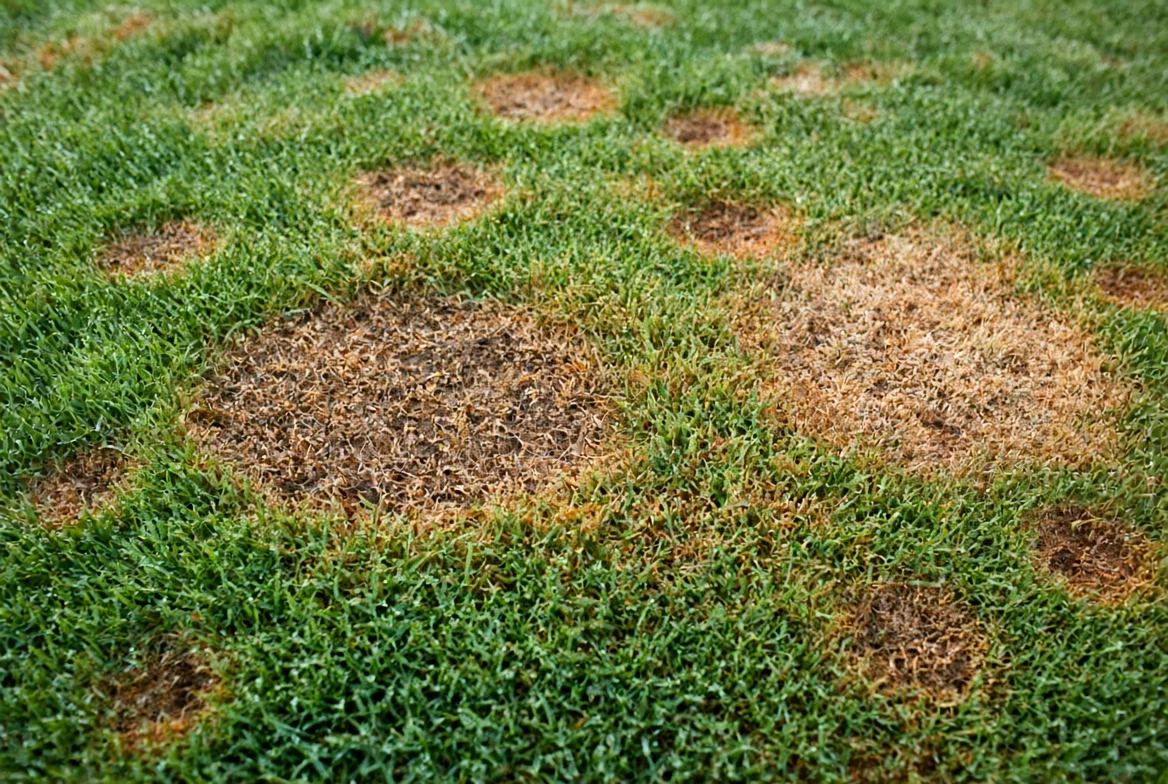
Lawn fungus usually shows up after a stretch of warm, humid weather. Brown circles appear overnight, pale spots spread across the yard, or your…
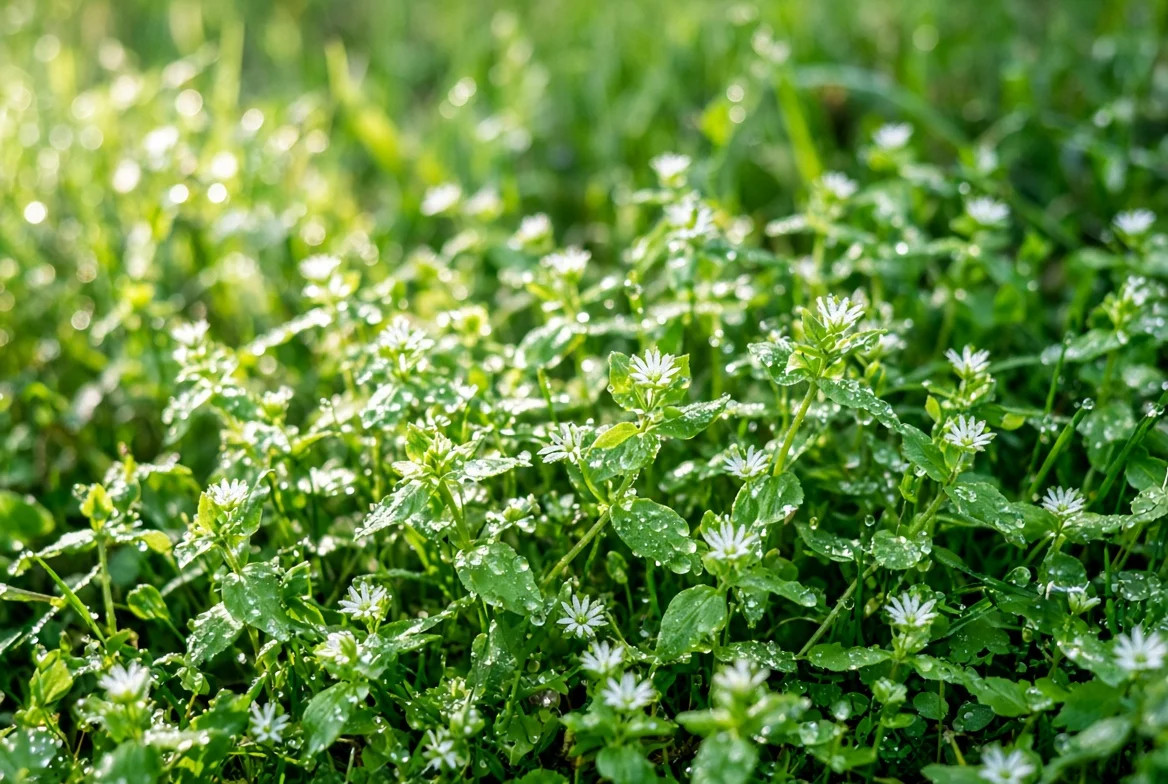
Chickweed takes advantage of thin, damp, or stressed areas of lawn, the same weak spots that let foxtail seed heads spread through a lawn…
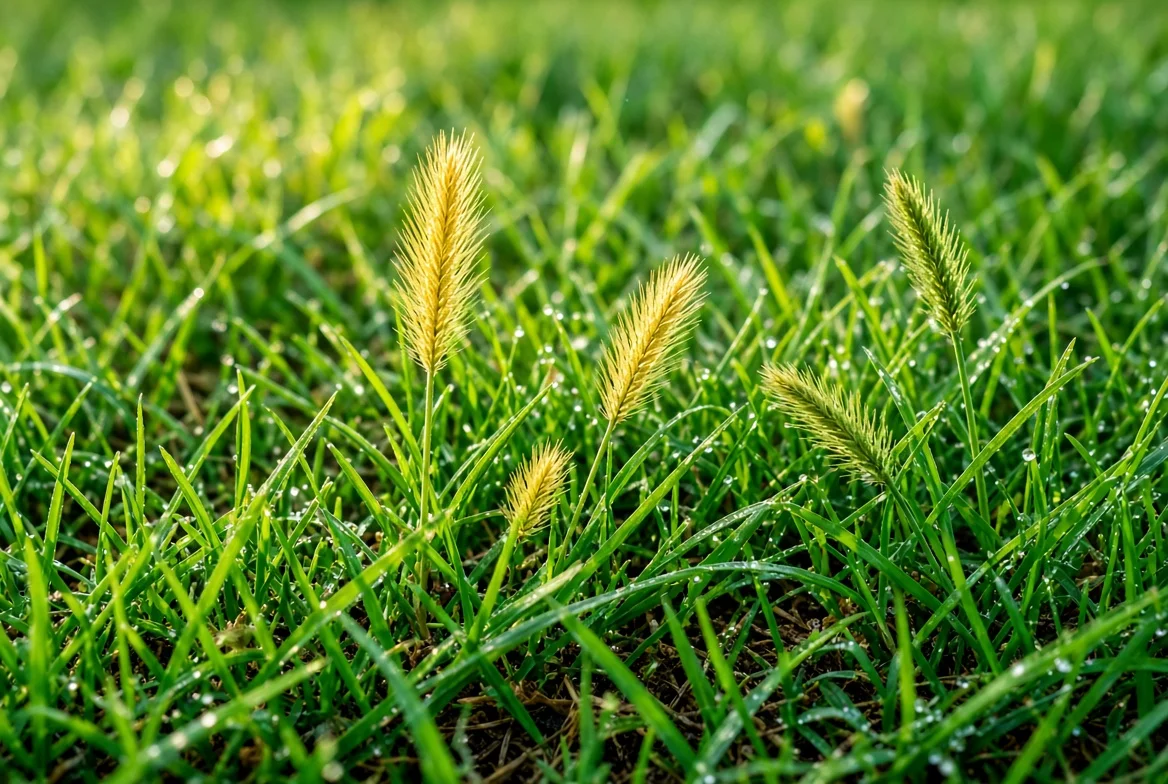
Foxtail is a grass growing in a lawn, so most broadleaf weed killers that handle low-growing winter weeds like chickweed will not get rid…
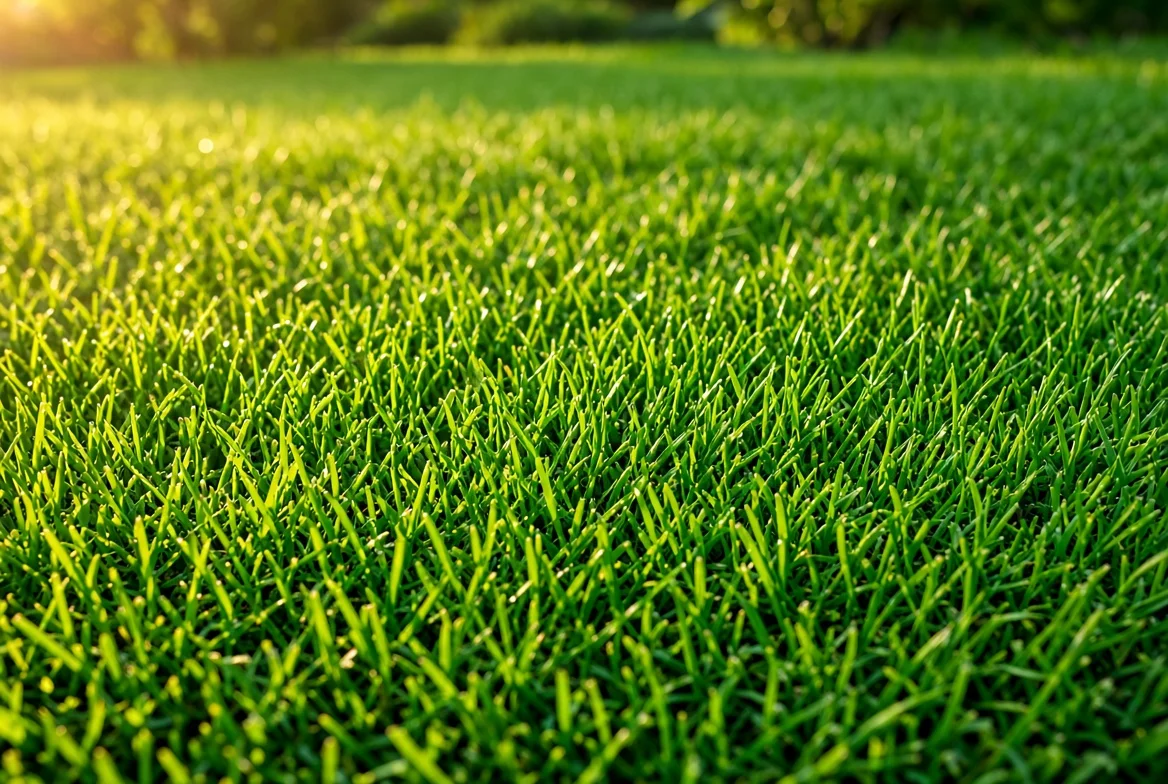
Bermuda grass spreads in two ways. Runners creep across the surface and root as they go, much like foxtail seed heads spreading through a…
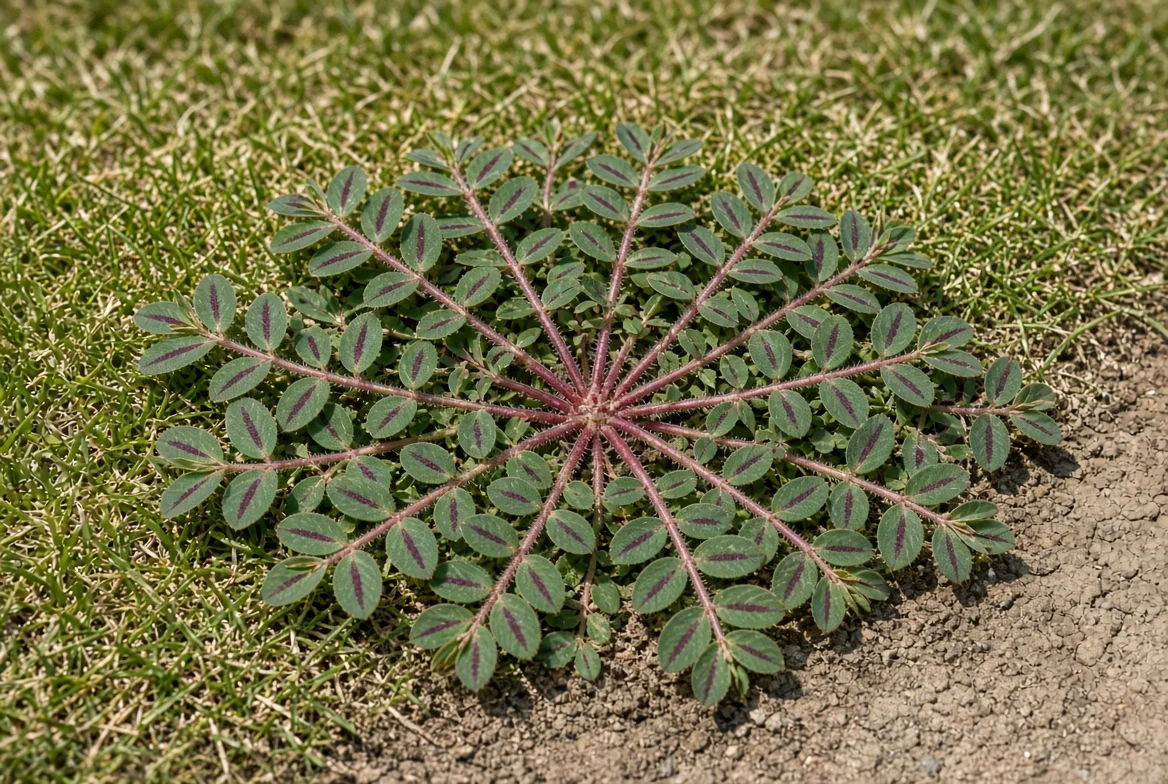
Spurge is the flat green mat that appears along the driveway edge in July, spreading out from a single point as if something spilled.…
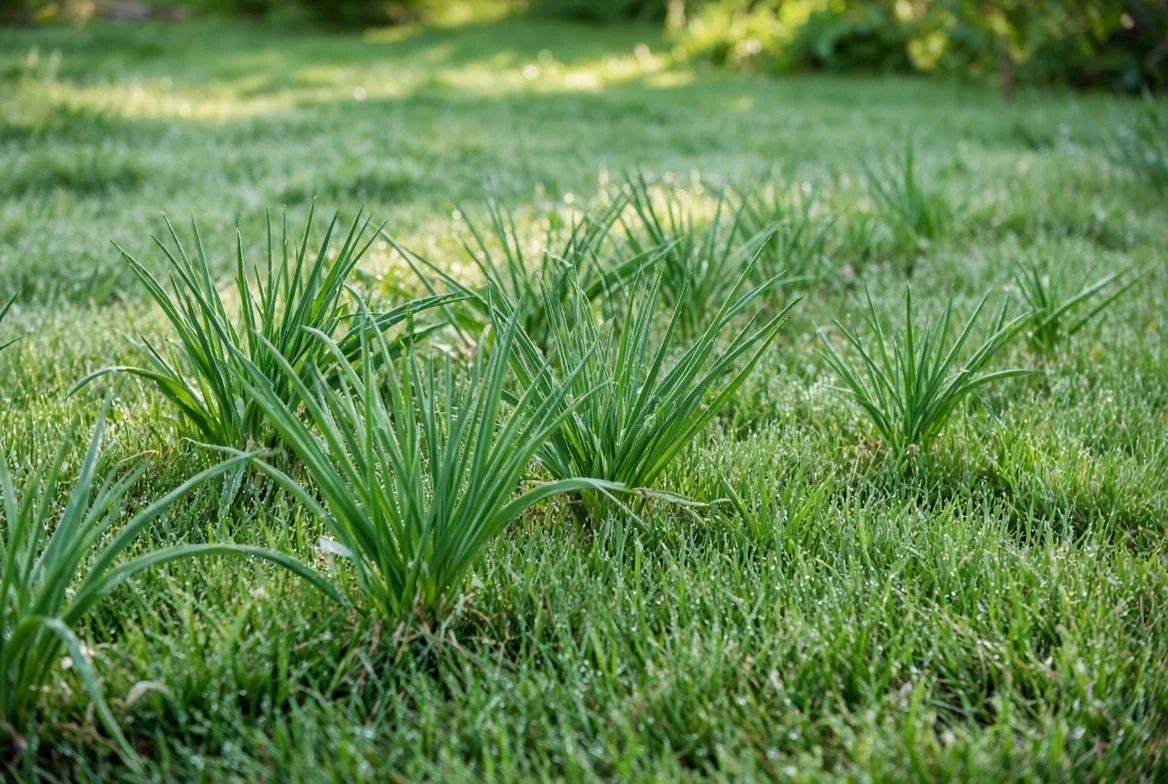
You usually smell it before you see it. Somewhere around the second mow of spring, the whole yard comes up smelling like a cutting…
Choose your region
Choose your region