
Explore technical guides on balancing chemical parameters, optimizing sanitization, and protecting your water from environmental stressors to ensure crystal-clear stability.
26 articles
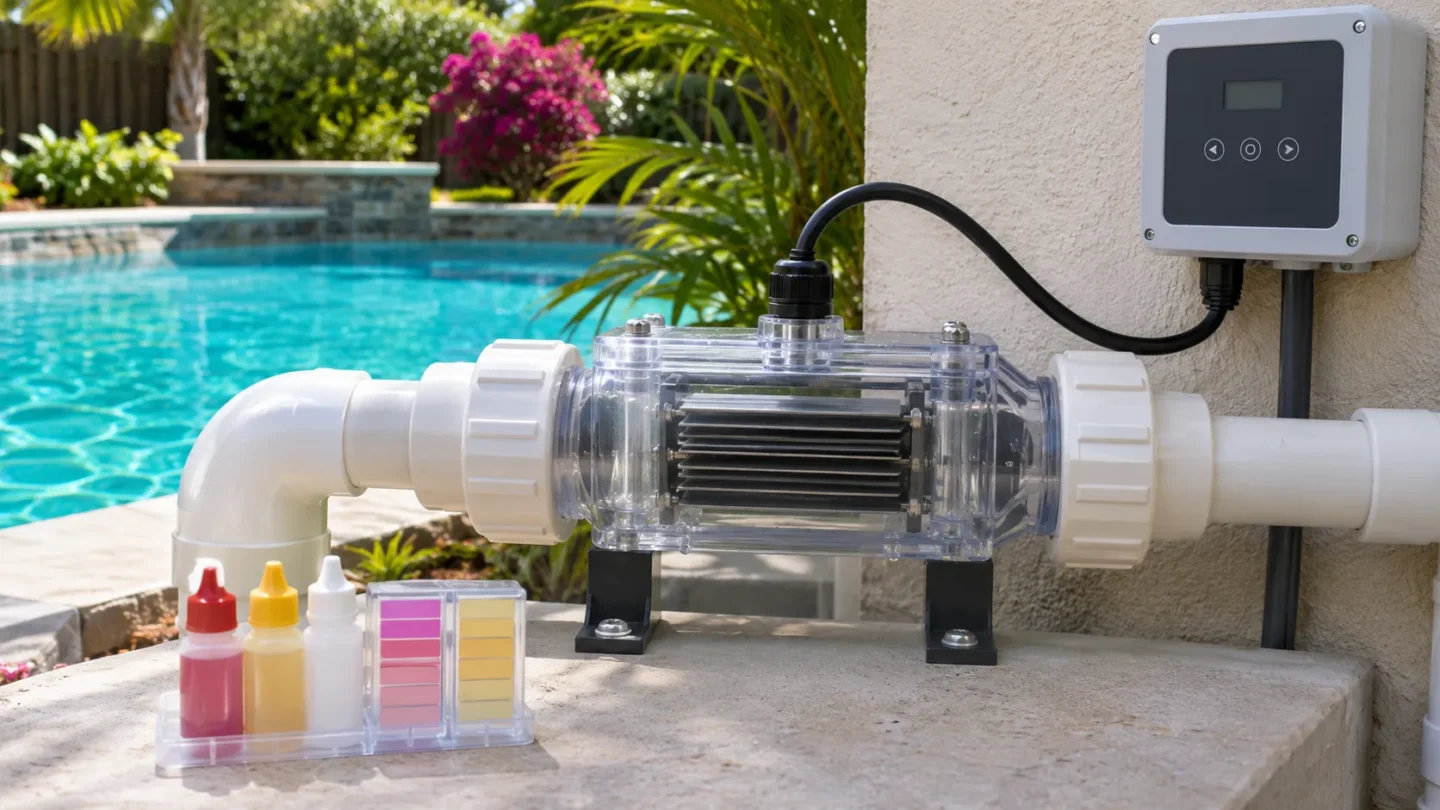
Here’s the thing most people get wrong before they’ve even priced a system: a salt water pool is a chlorine pool. Same sanitizer, same…
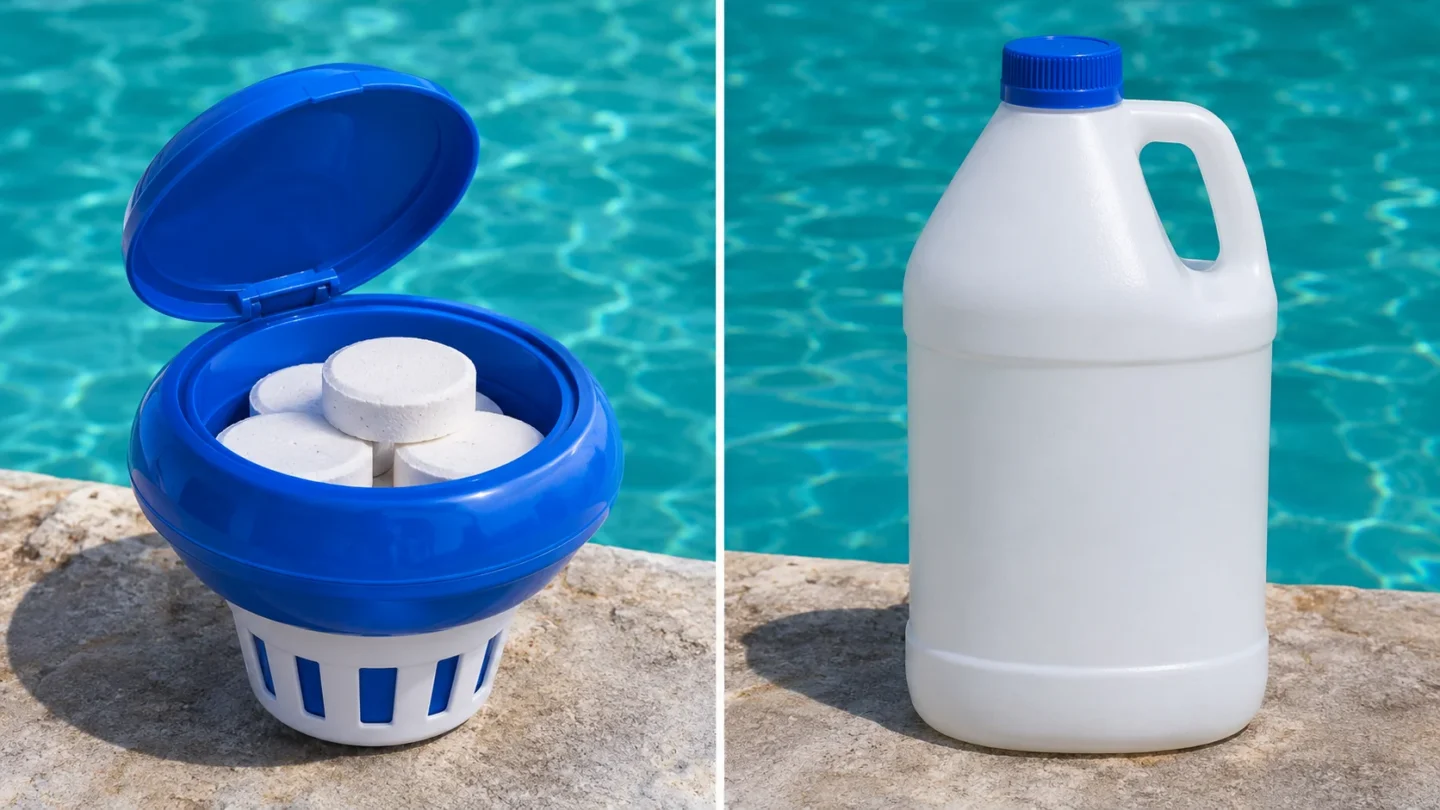
Both put chlorine in the water, and on that count there’s nothing to choose between them. The difference is everything that comes along with…
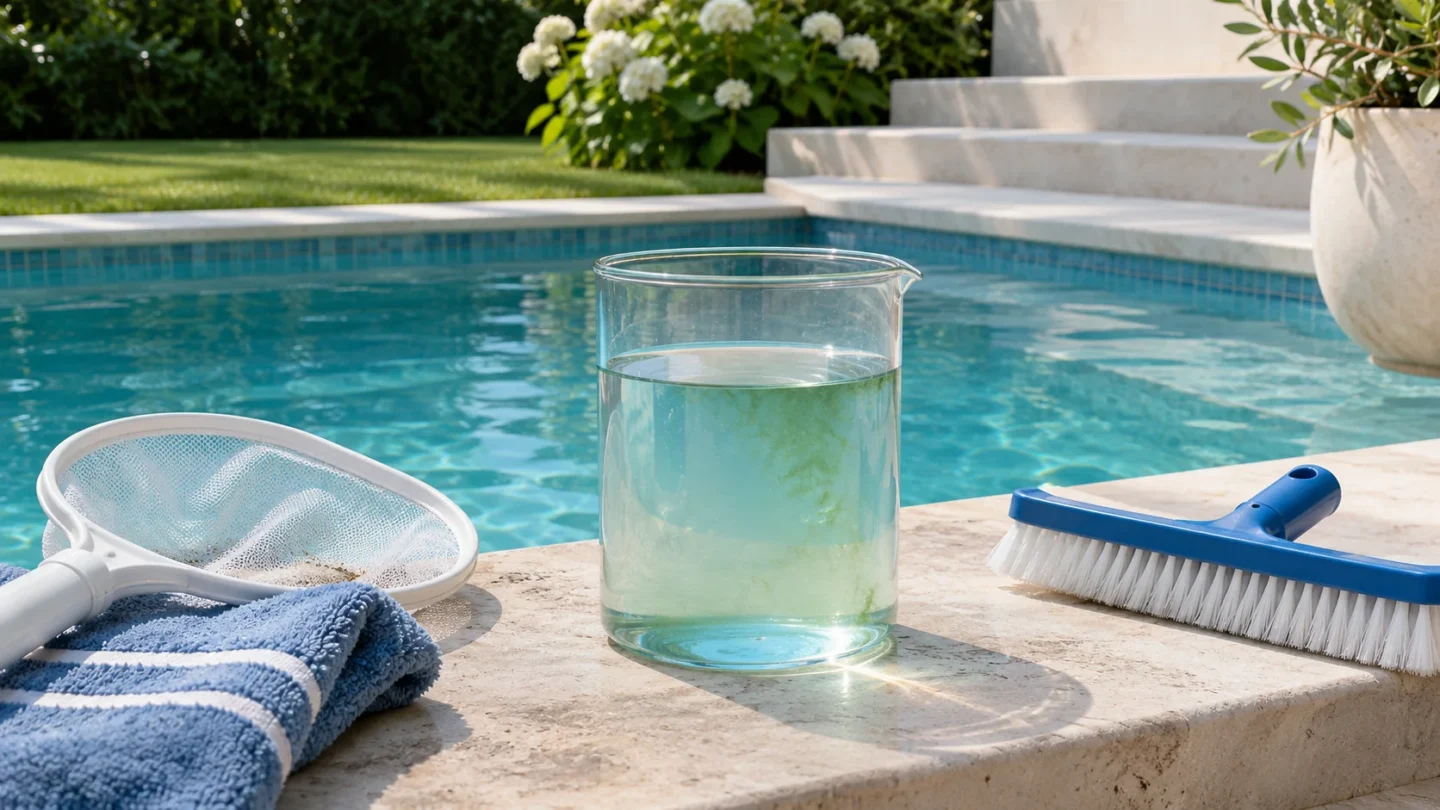
Copper stays invisible in pool water. It can sit dissolved and colorless for weeks, then show up as a blue-green cast across the shallow-end…
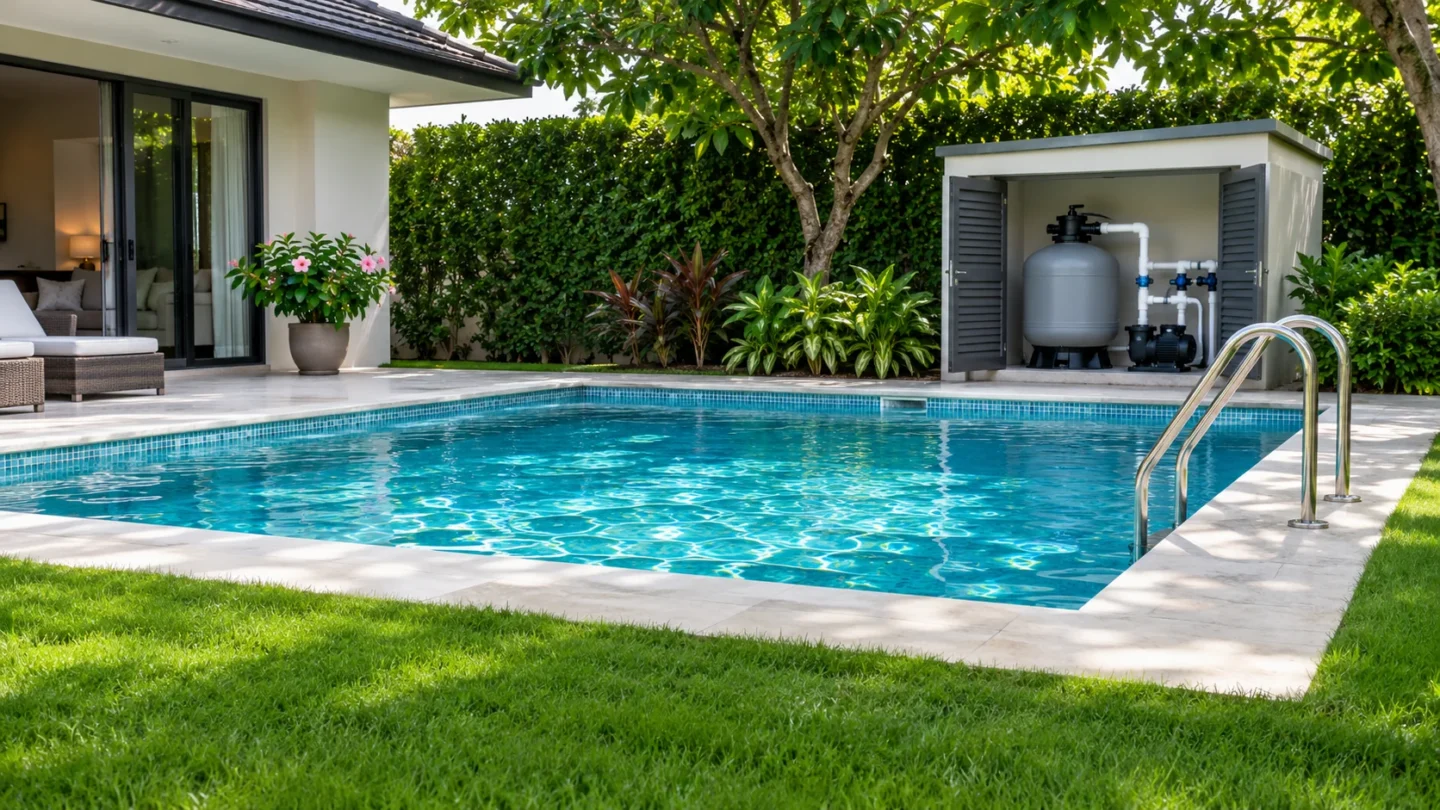
Every one of these has to clear the same bar, and it’s worth naming before getting into them. A sanitizer keeps a germ-killing agent…
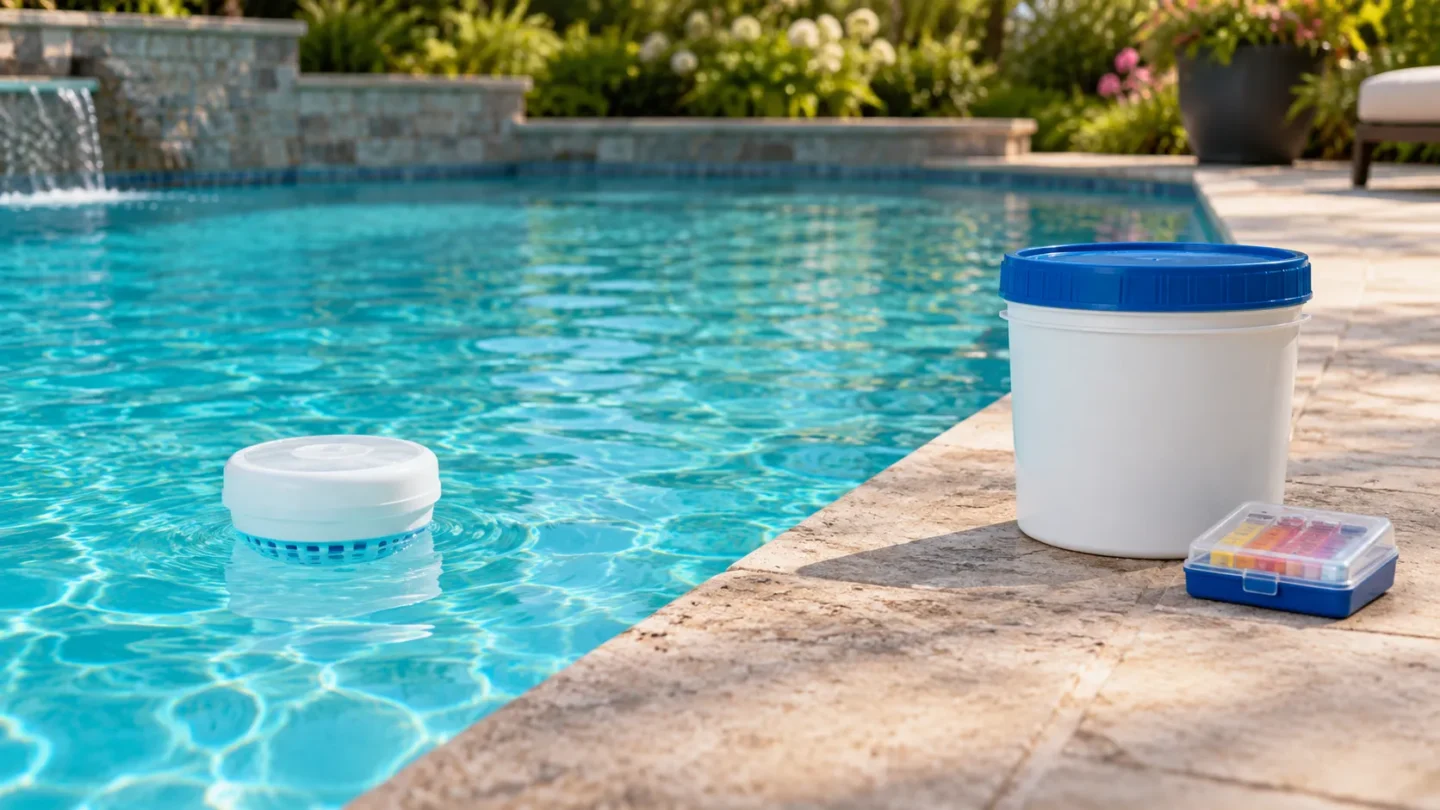
Ask ten pool owners what shock does, and a fair number will say it’s a bigger scoop of whatever sits in the chlorine floater.…
When pool pH climbs above 7.8, chlorine loses much of its ability to kill germs, and the water starts to scale and irritate eyes.…

Walk into any pool store, and you’ll find chlorine tablets on one shelf and bags labeled “shock” on another, priced differently, described differently, and…
Bromine is better than chlorine at several specific things, and one of its weaknesses is severe enough to disqualify it outright for most residential…
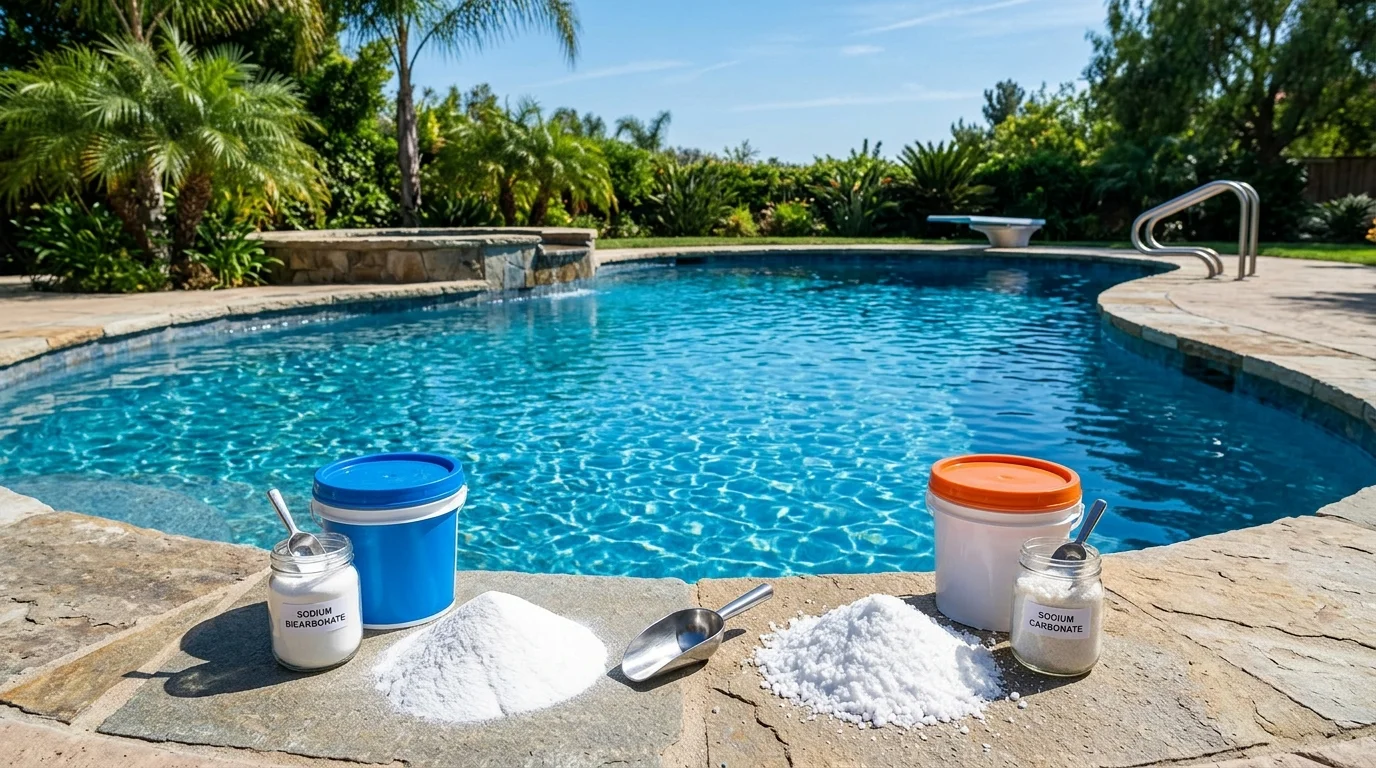
Two white powders, sold in nearly identical buckets, in the same aisle, at roughly the same price. One is labeled pH Increaser, and one…
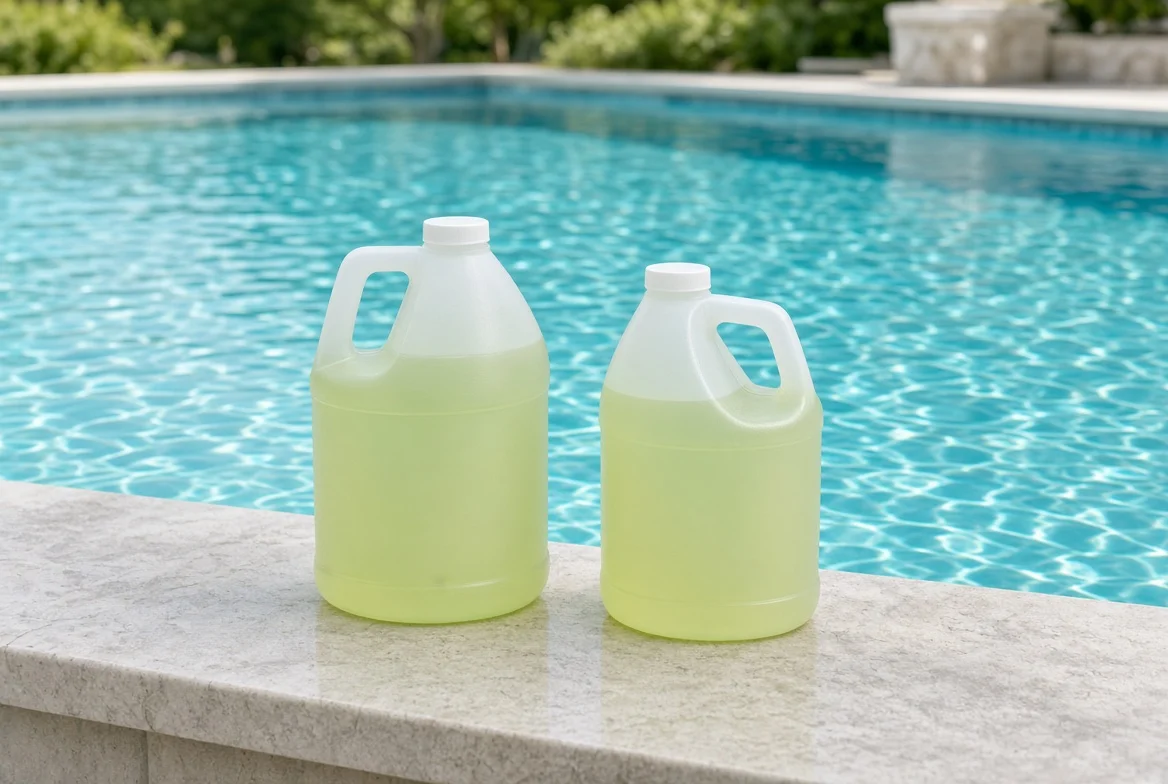
Someone at the pool store will tell you that bleach isn’t made for pools. Someone in a forum will tell you it’s identical and…
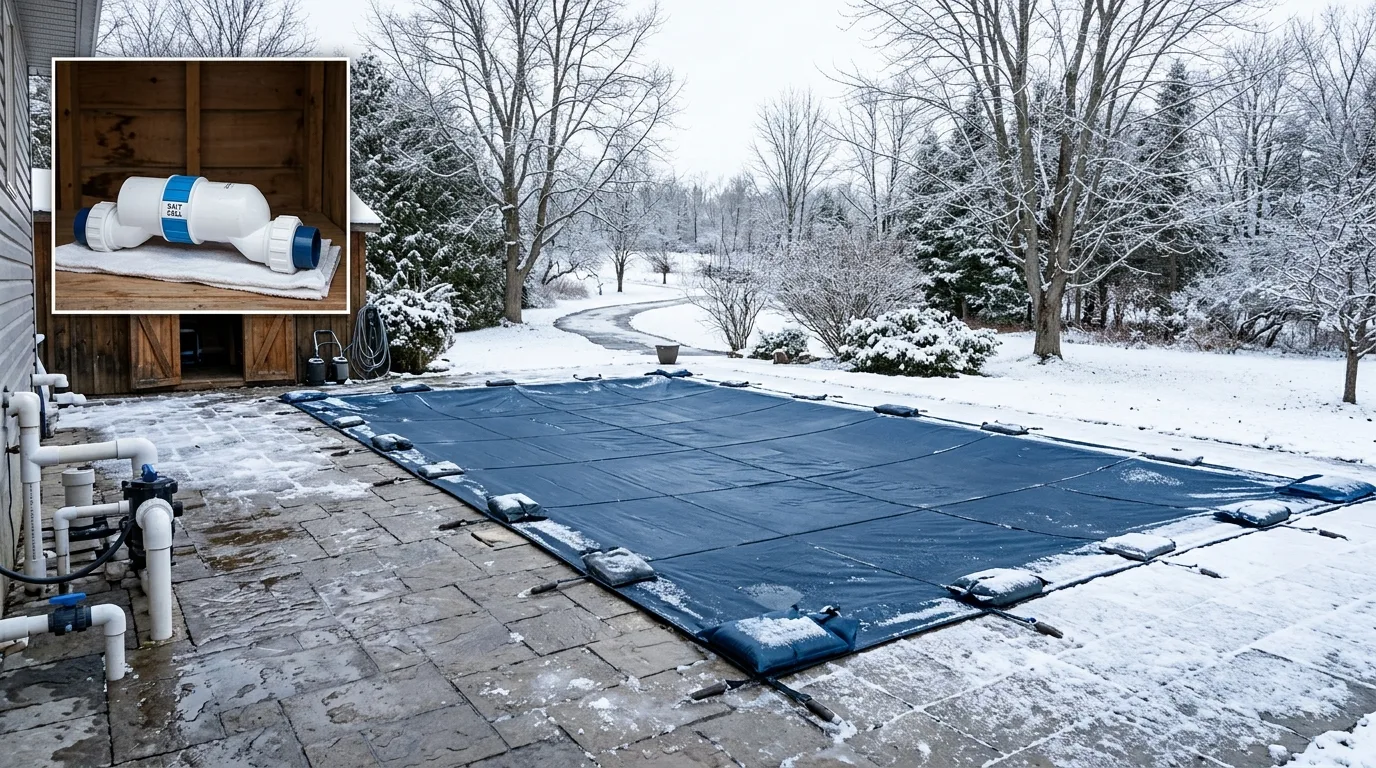
Winterizing a salt water pool takes a little more care than closing a traditional chlorine pool. The main difference is the salt chlorine generator,…
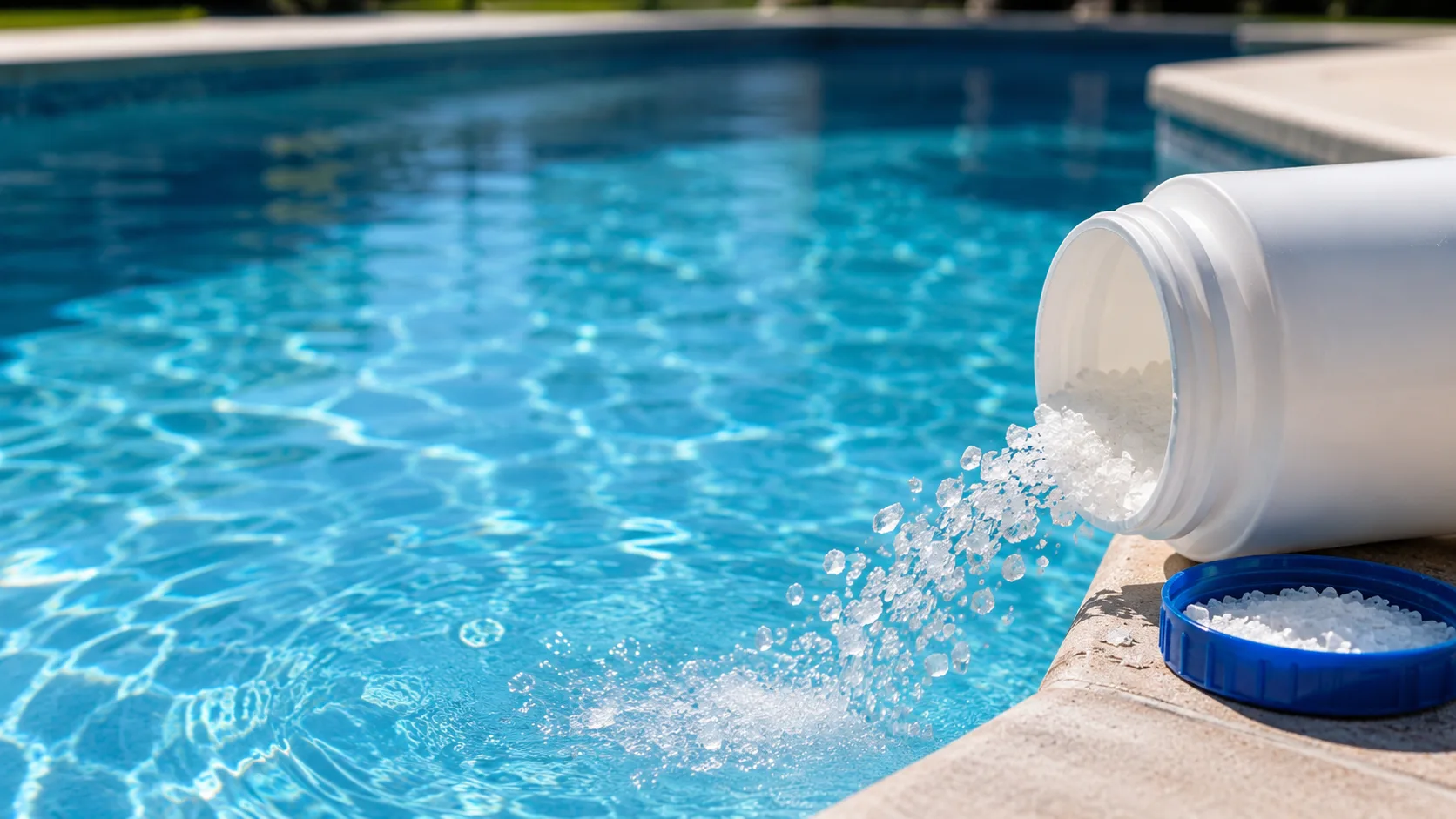
What shock is safe to use on a salt pool is a question that comes up constantly despite salt systems generating their own chlorine.…
Choose your region
Choose your region