From structural winterization and safe draining procedures to leak detection and chemical storage, we provide the essential protocols for maintaining pool integrity throughout the year."
15 articles
Every outdoor pool loses water to evaporation, so a dropping water level doesn’t automatically mean a leak. The first job is to measure how…
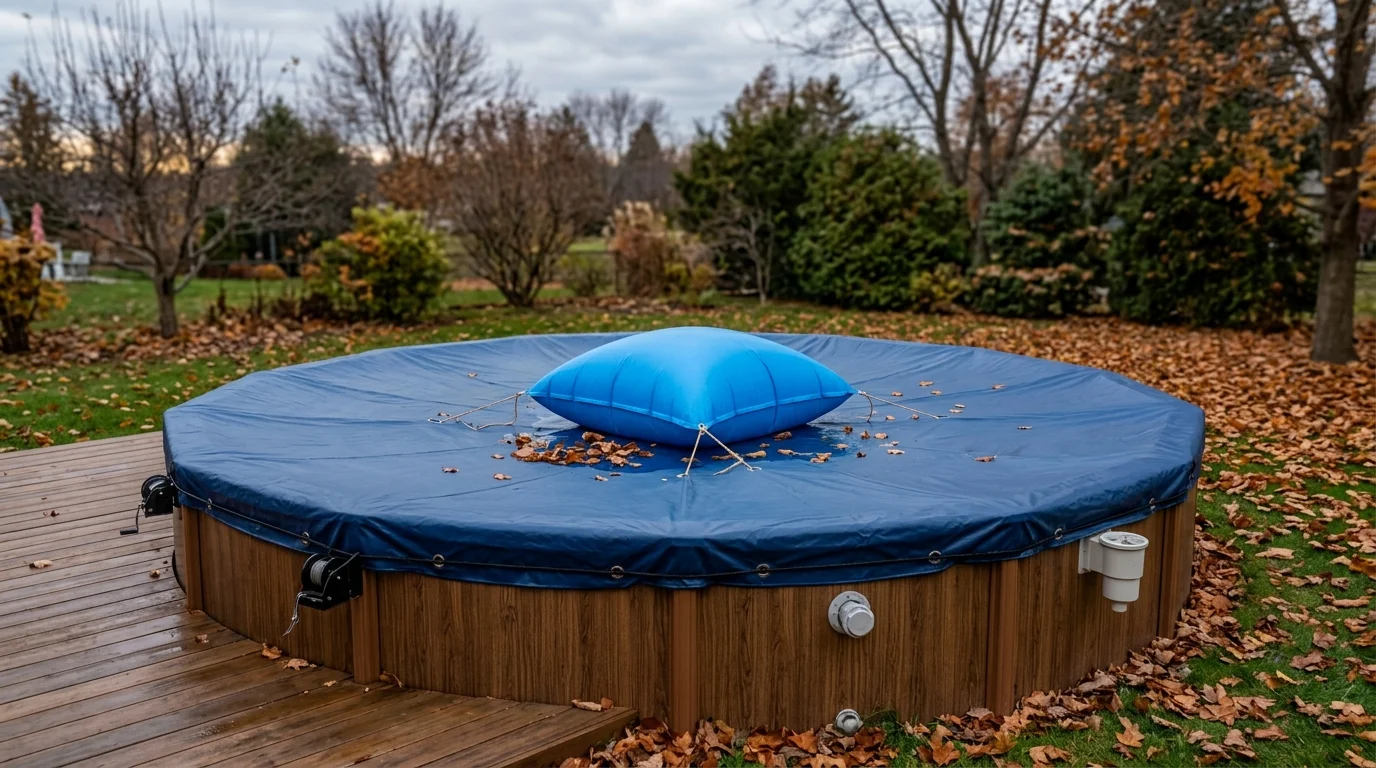
Winterizing an above-ground pool is about protecting the liner, skimmer, cover, pump, and other equipment from months of cold weather. Most winter damage comes…
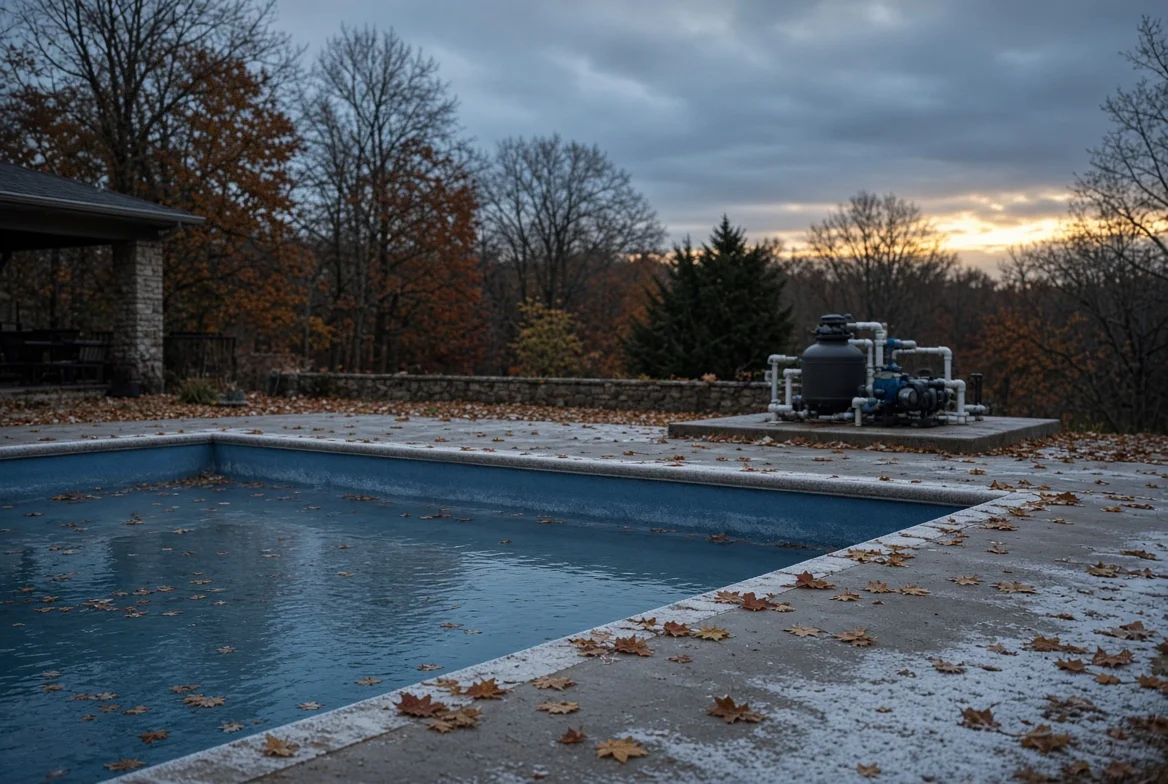
Water left inside pool plumbing can freeze during winter and crack pipes, fittings, skimmers, and equipment. The goal of blowing out pool lines is…
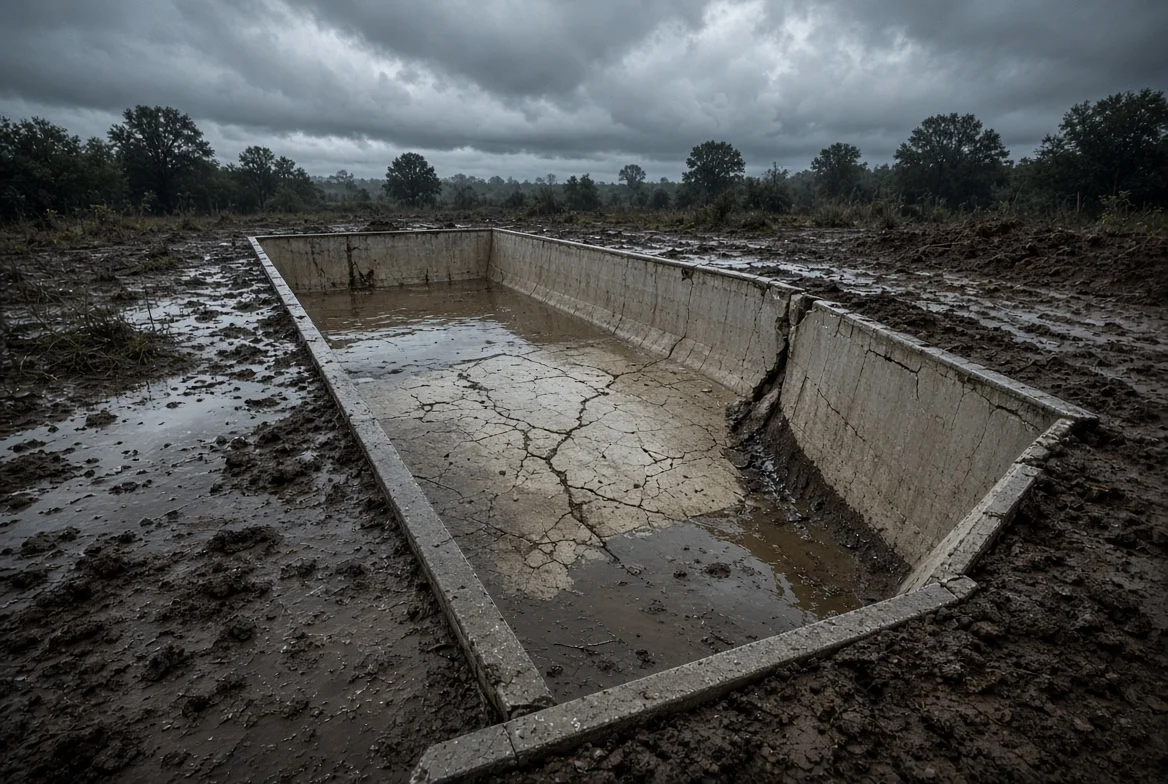
A pool full of water is one of the heaviest objects on a residential property. Empty, it becomes one of the lightest things buried…
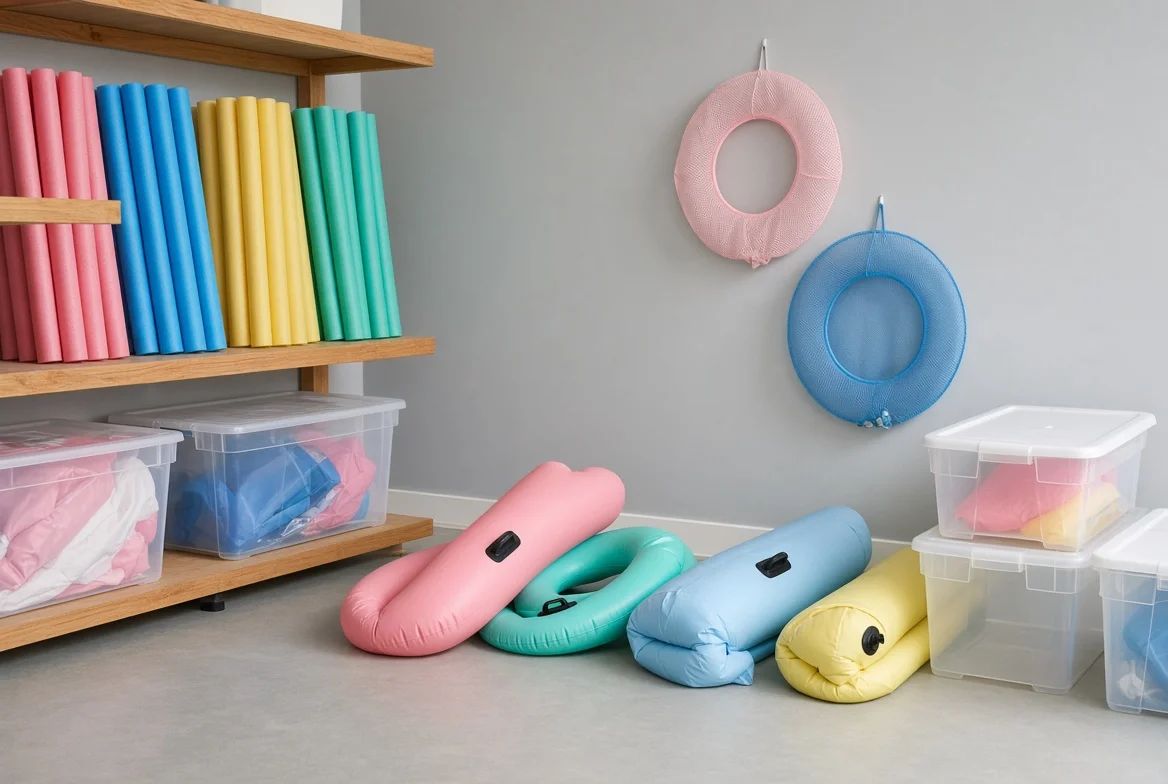
Pool floats usually get damaged in storage because they were put away wet, dirty, or in the wrong conditions. Trapped water can lead to…
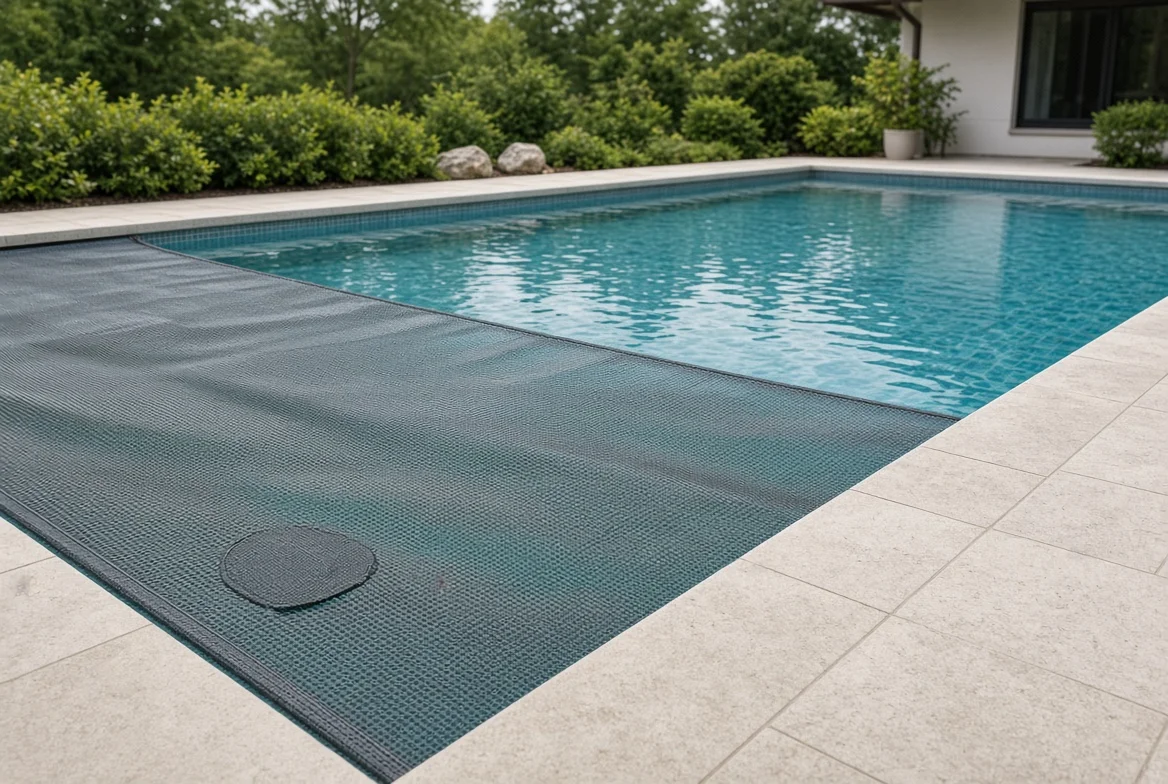
A damaged pool cover doesn’t always need replacing. Small tears, holes, and worn areas can often be repaired, but the right fix depends on…
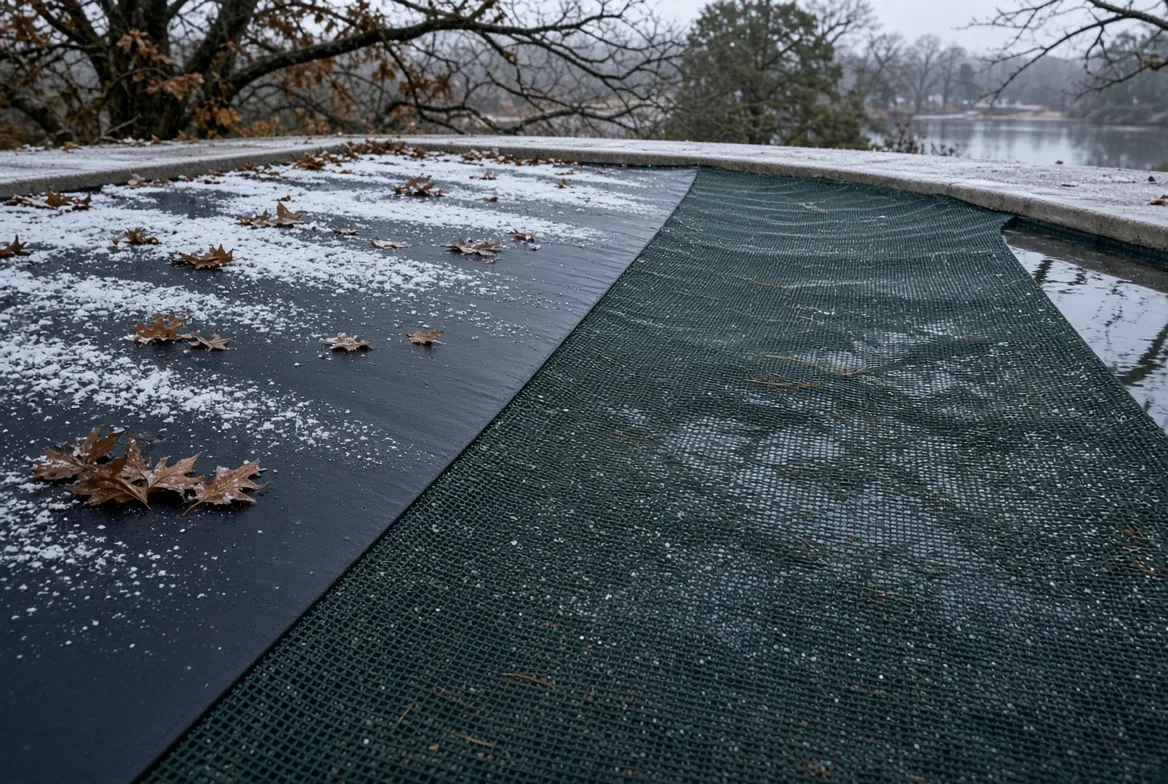
The cover decision usually gets made in about four minutes. October, over the phone, while you’re doing something else. Then you live with it…
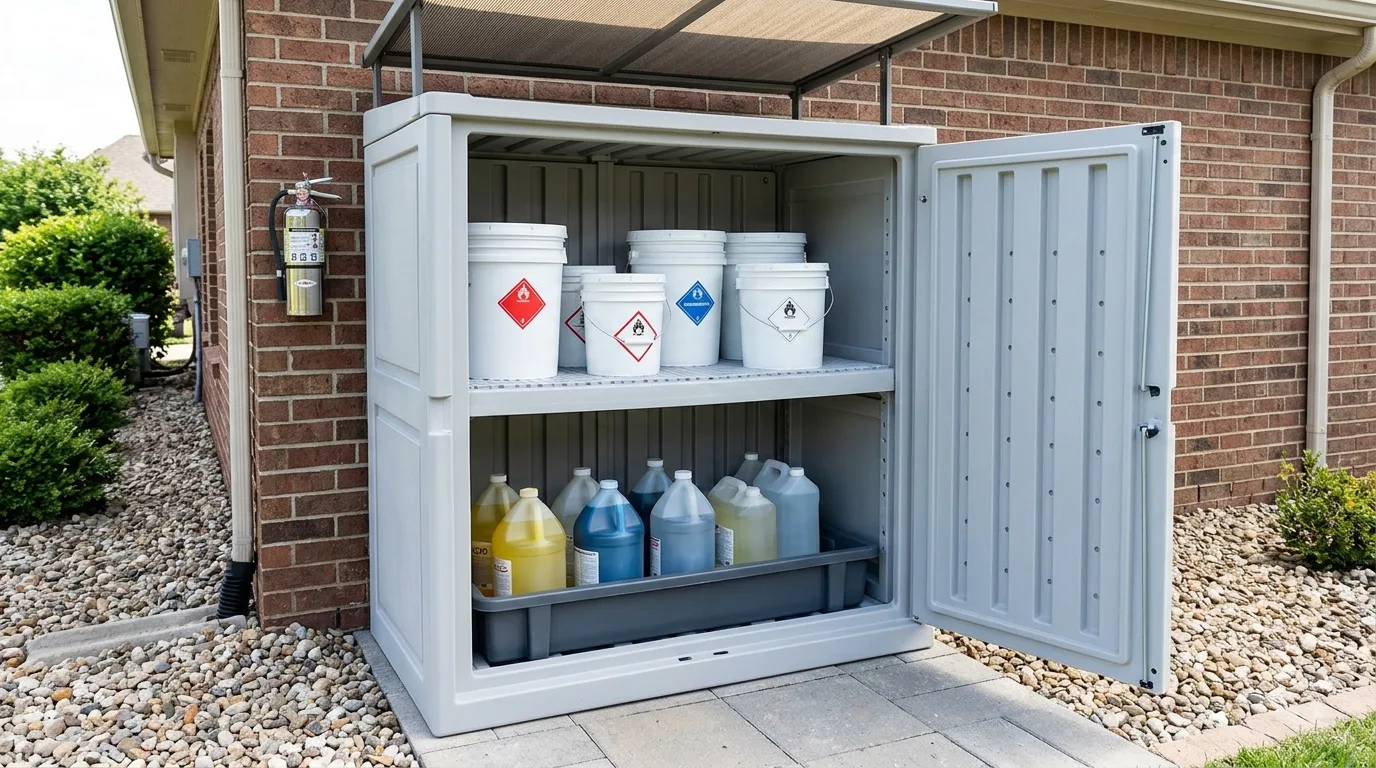
Pool chemicals are the most dangerous thing most homeowners keep on the property, and they get stored like paint cans. The failures are not…
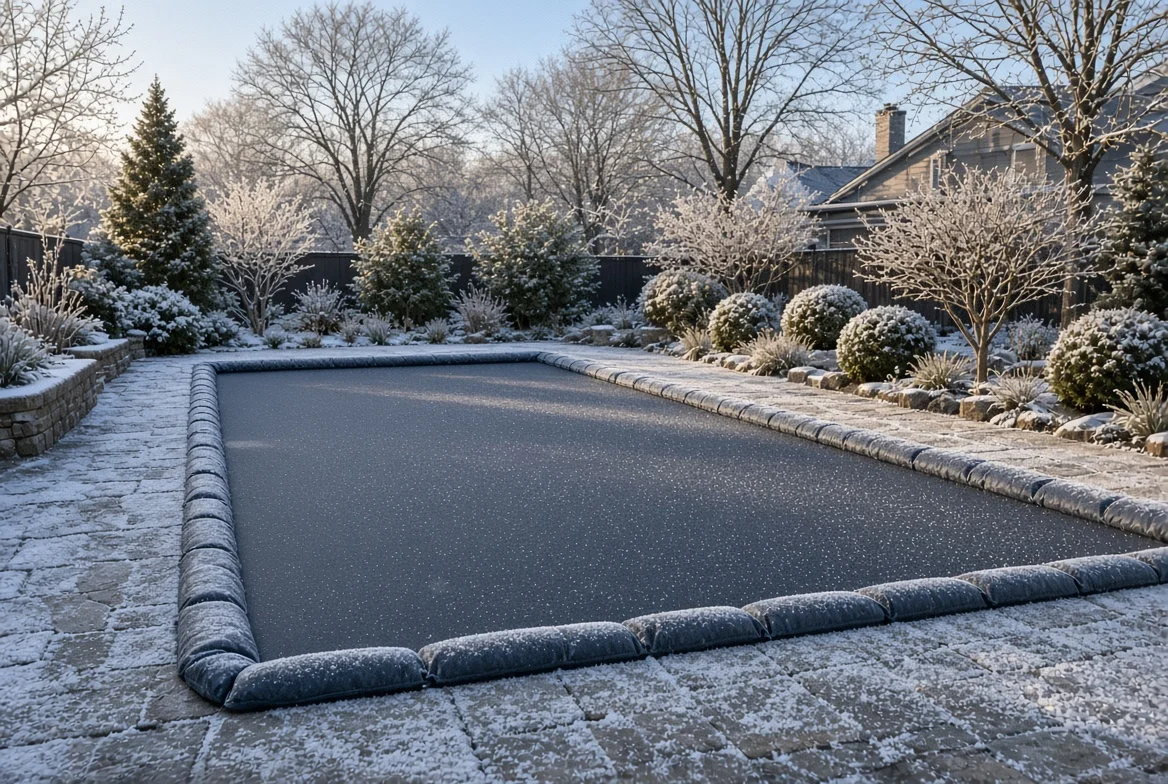
Nobody looks at a winter cover between closing day and the first thaw. It goes on in October, the pool stops being part of…
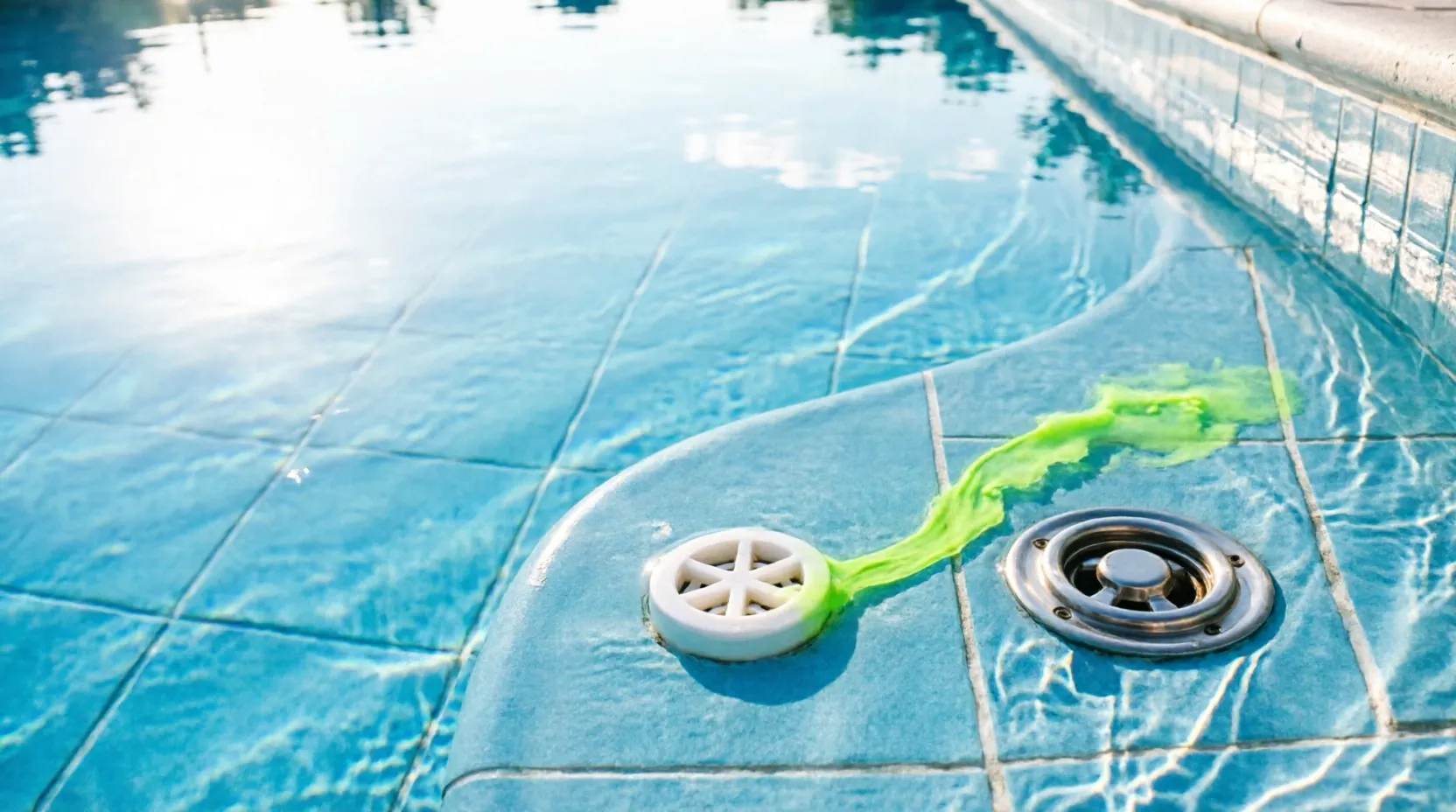
Pools lose water to evaporation constantly. A hot, dry, breezy week in an uncovered pool can pull down a quarter inch a day without…
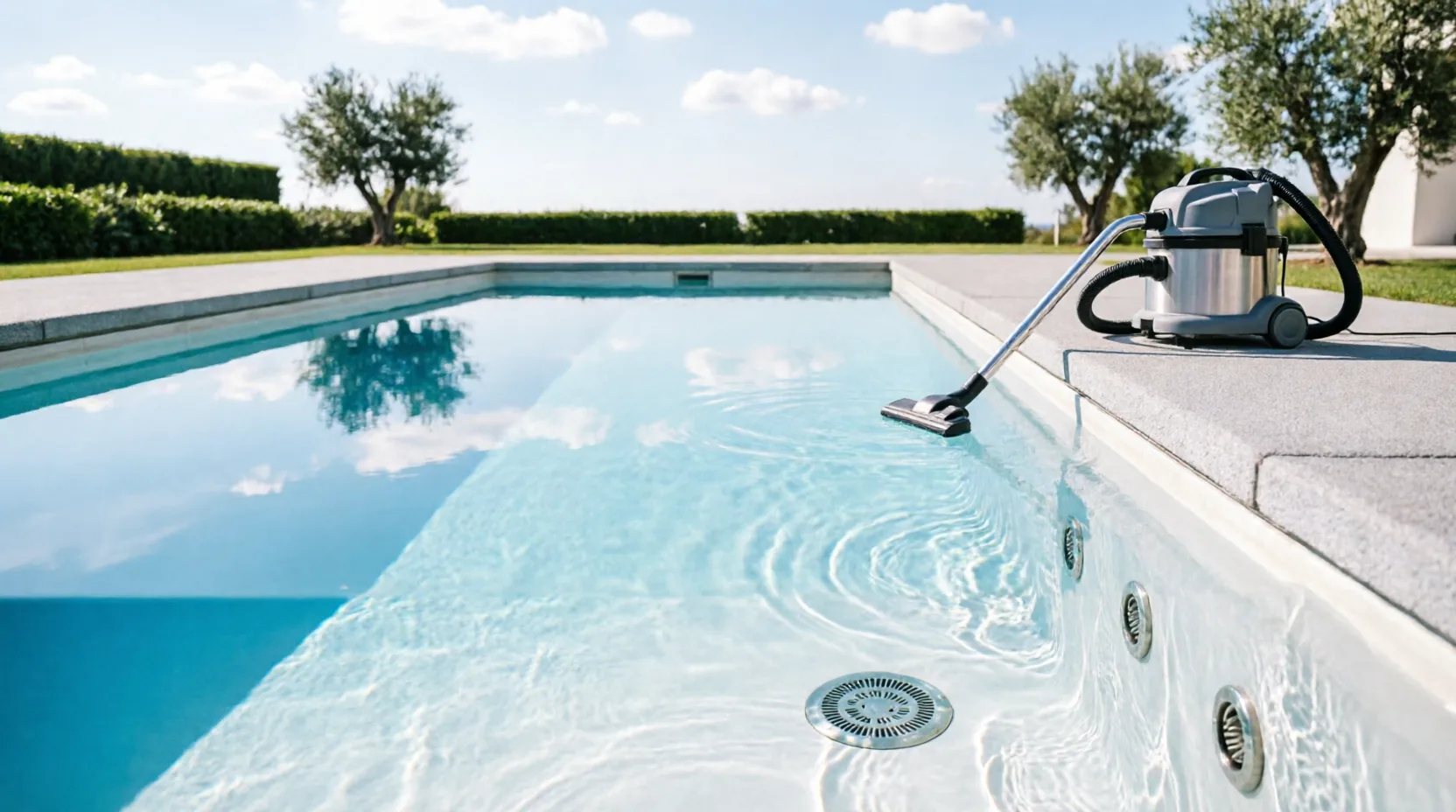
Weak suction at the skimmer or a pressure gauge reading below normal points to a clogged pool line, and clearing it usually doesn’t need…
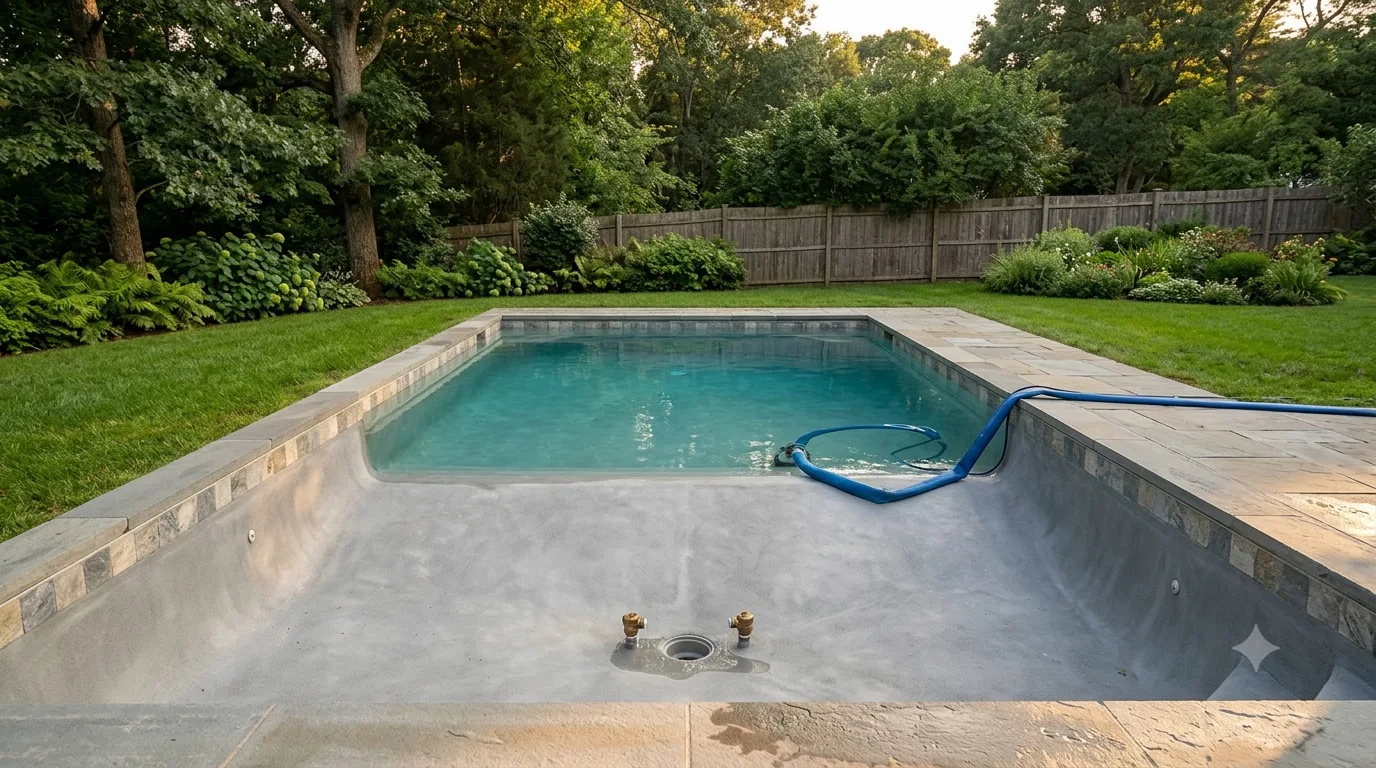
Here’s the thing nobody tells you until it’s too late: an empty pool is more dangerous to itself than a dirty one. Pools are…
Choose your region
Choose your region