
The surface inside your pool does more than hold water — it determines the color of the water, how the pool feels underfoot, how long the finish lasts, and a surprising chunk of the build budget. We have gathered 38 of the best pool surface, tile, coping, and interior color ideas, from classic white plaster to full glass mosaic interiors and dramatic dark-bottom mirror pools. Each idea includes a real photo and practical guidance on cost, durability, and which pool styles each finish suits best.
Plaster & Pebble Finishes: The Foundation
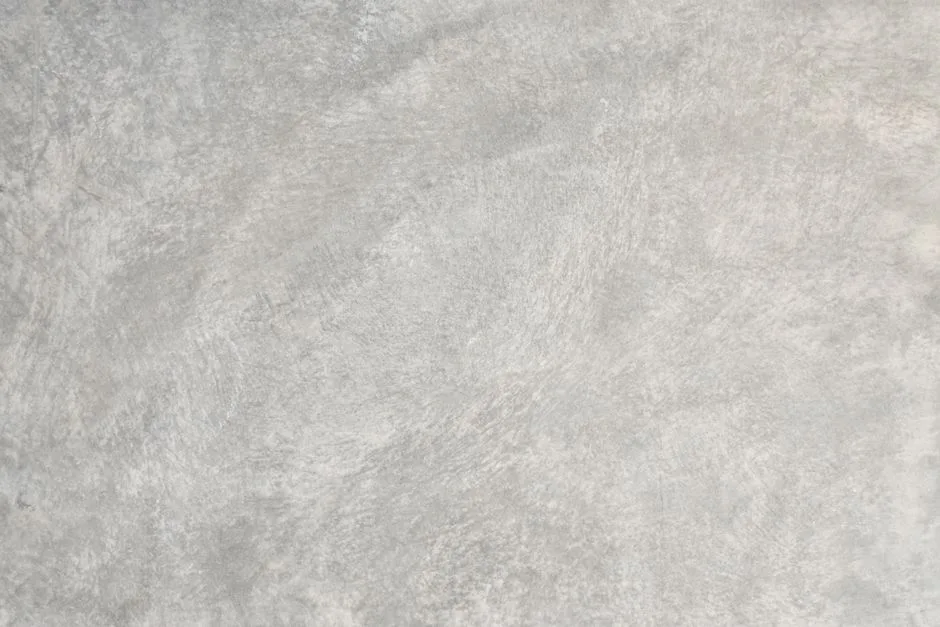
Classic White Marble Plaster
White marble plaster is the most widely used pool interior finish — and for good reason. It delivers that iconic bright blue water color everyone pictures when they think of a swimming pool, at the most affordable price point ($5,000–$8,000 for an average pool). The smooth, creamy surface feels great underfoot and reflects sunlight beautifully. The trade-off: plaster is the least durable option, typically needing replastering every 8–12 years with proper water chemistry maintenance. On the maintenance side, algae staining and settling debris age plaster faster than anything else — and aggressive brushing wears the soft surface even faster. The gentlest upkeep is a robotic pool cleaner with soft brushes running daily: it lifts what stains before the stain sets, without scrubbing away the finish.
Photo by Aknarin Thika on Pexels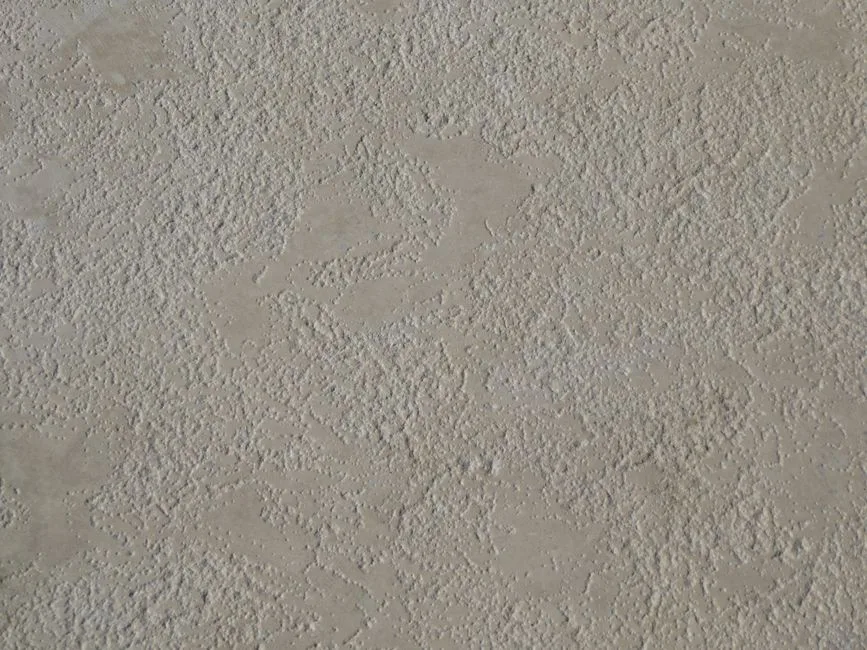
Colored Plaster (Blue, Gray & Custom Tints)
Adding pigment to standard plaster — think soft blue, warm gray, or pale aqua — changes the water’s apparent color without jumping to premium aggregate pricing. A medium blue plaster makes the water look deeper and more tropical; gray plaster reads as modern and sophisticated. The pigment adds roughly $500–$1,500 to the plaster cost depending on pool size. Keep in mind that darker plaster colors may show mottling and unevenness more than white, so the applicator’s skill matters even more.
Photo by Timothy Huliselan on Pexels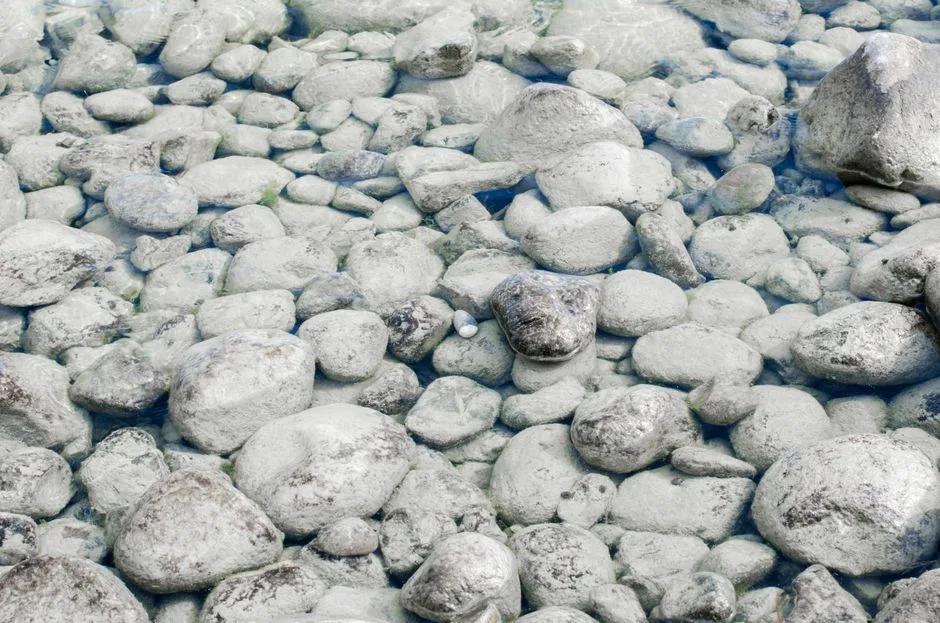
Pebble Tec & Pebble Sheen
Pebble Tec — the most recognized name in aggregate finishes — embeds smooth natural pebbles into a cement matrix, creating a textured, slip-resistant surface that can last 15–20+ years. The pebbles come in a wide range of color blends (tahoe blue, aqua cool, caribbean blue) that produce richer, more complex water colors than plaster alone. Pebble Sheen is the same concept with smaller pebbles for a smoother feel. Expect to pay $8,000–$14,000 and get roughly double the lifespan of standard plaster.
Photo by Nika Benedictova on Pexels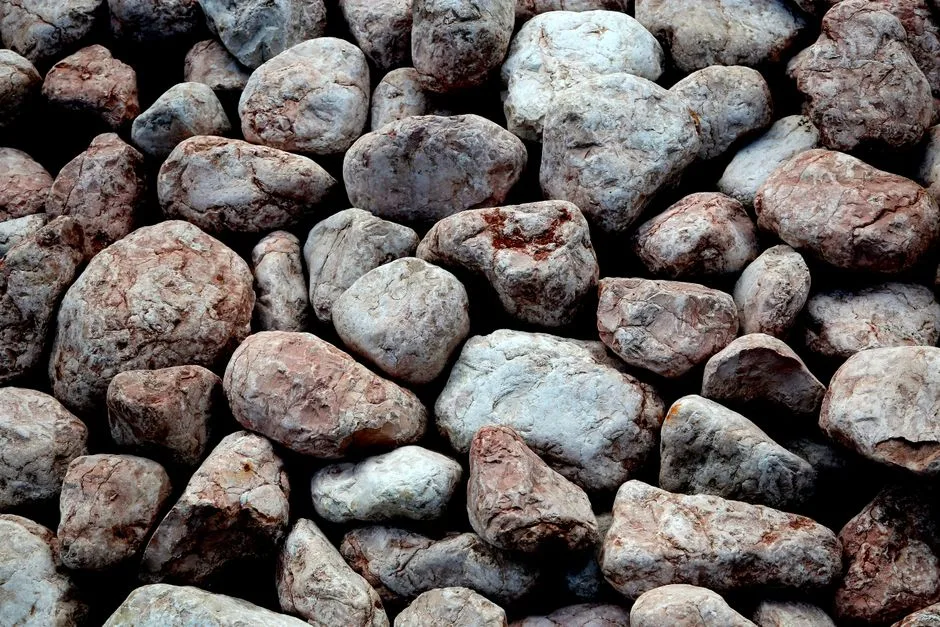
Quartz Aggregate Finish
Quartz finishes blend crushed quartz crystals into the plaster mix, creating a surface that sparkles subtly in sunlight. The quartz particles add durability — these finishes typically last 12–15 years — and resist staining and etching better than plain plaster. Color options range from crisp white to deep blue and warm tan. At $7,000–$12,000 for a typical pool, quartz sits in the sweet spot between basic plaster and premium pebble finishes in both price and performance.
Photo by Giannino Nalin on Pexels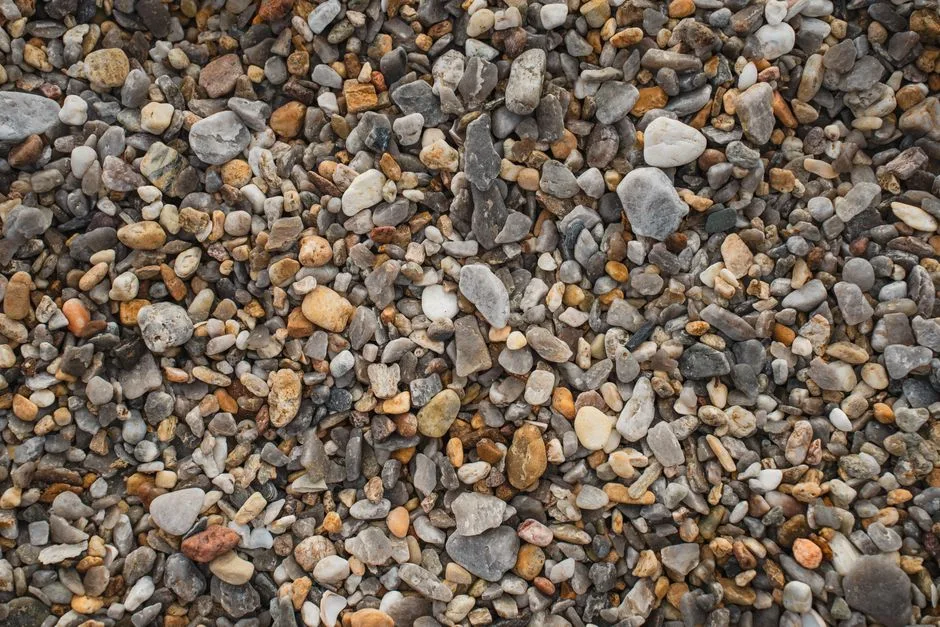
Polished Aggregate (Hydrazzo / Wet Edge Primera)
Polished aggregate takes a pebble or quartz finish and mechanically polishes it — similar to grinding and polishing a concrete floor — until it feels almost as smooth as glass. The polishing process exposes the aggregate colors fully, creating a luminous, depth-rich surface that rivals the look of natural stone. The ultra-smooth texture is gentler on feet and swimsuits than unpolished pebble. This is a premium option at $12,000–$18,000, but the combination of durability and luxurious feel is hard to beat.
Photo by Clément Proust on Pexels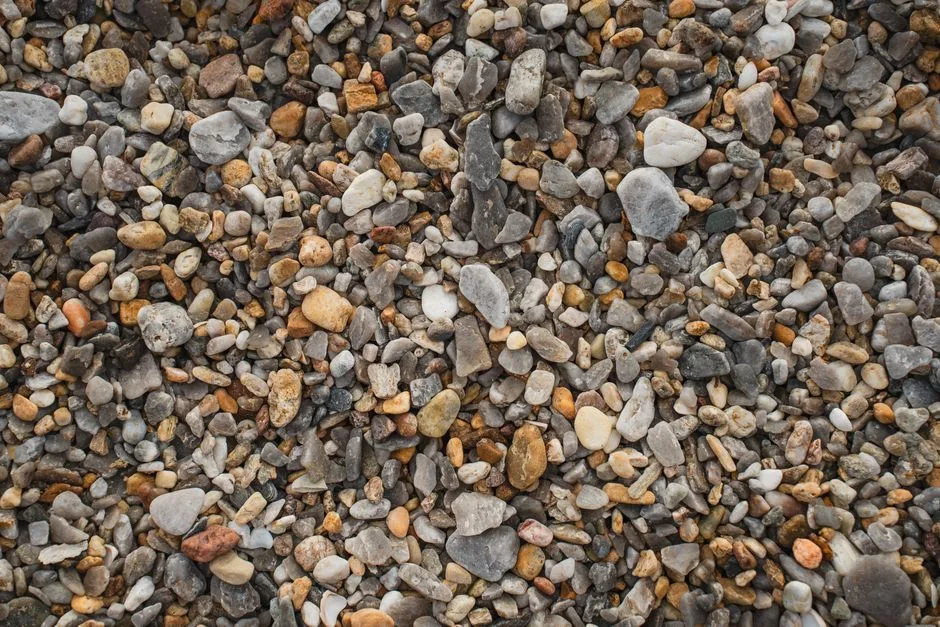
Exposed Aggregate (Non-Slip Natural Look)
Exposed aggregate leaves stone and pebble textures prominent on the surface — it is intentionally rougher than polished finishes, making it the most slip-resistant pool interior available. This finish is popular for family pools with active kids, entry steps, and shallow lounging areas where traction matters most. The natural, organic appearance works well with lagoon-style and freeform pools. The rougher texture does mean more elbow grease during brushing and cleaning, but many families find the safety trade-off well worth it.
Photo by Clément Proust on Pexels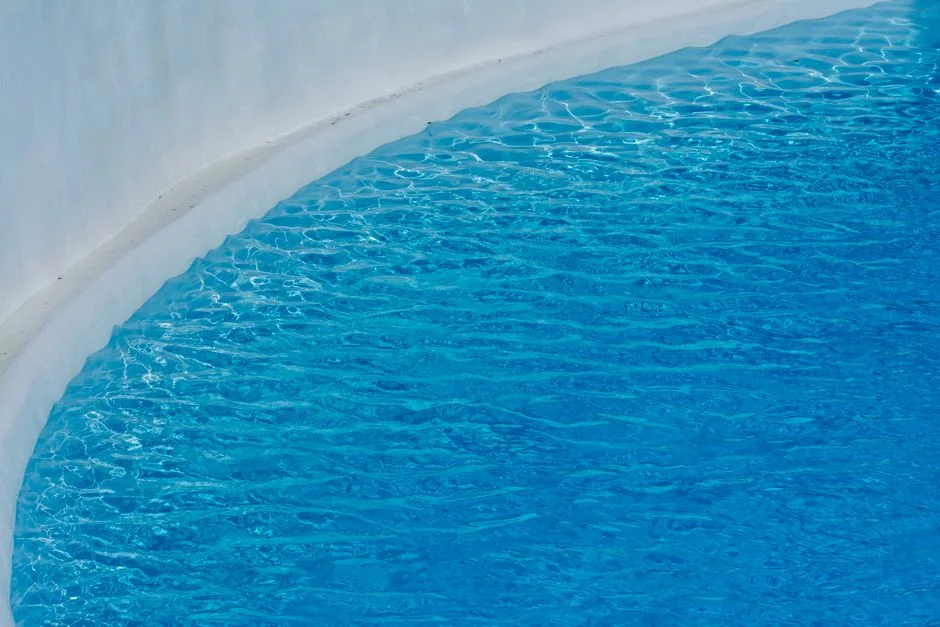
Wet Edge / Stonescapes Premium Blends
Wet Edge and Stonescapes are two major brands of premium aggregate finishes that offer curated color blends — combinations of pebbles, quartz, glass beads, and cement in designer palettes. Wet Edge’sSignature Matrix line and Stonescapes’Tropics Blue or Aqua White are common upgrades that produce vivid, resort-quality water color. These systems run $9,000–$15,000 and typically come with longer warranties than basic plaster, reflecting manufacturer confidence in their durability.
Photo by Jan van der Wolf on Pexels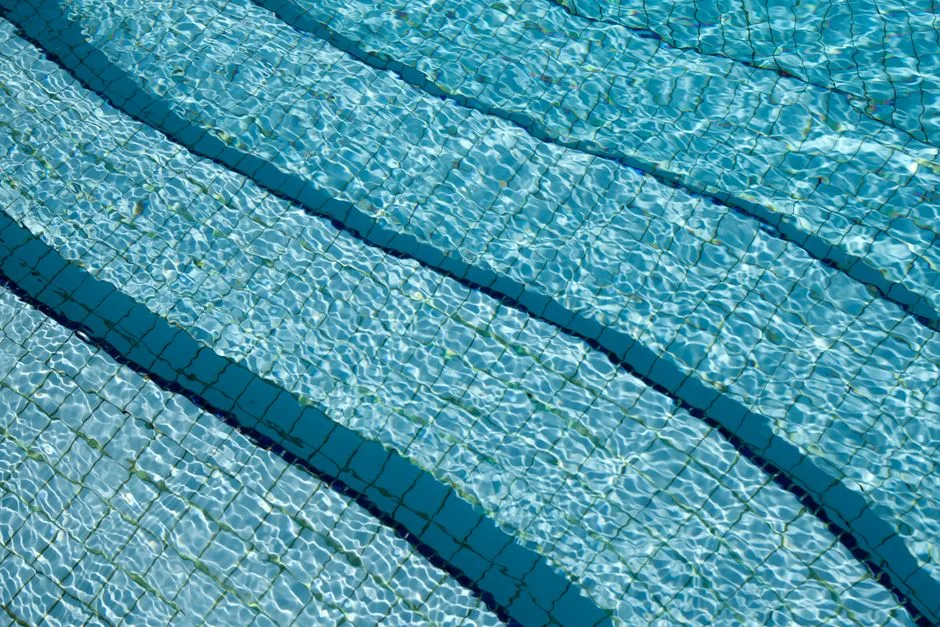
Diamond Brite / Marble Aggregate
Diamond Brite is a brand-name quartz-and-marble aggregate finish known for its brilliant white color and long-lasting smooth surface. The marble aggregate reflects light more intensely than standard plaster, giving the water an especially bright, clean look. It resists staining, etching, and UV fading better than plain plaster. At a mid-range price point ($7,000–$11,000), Diamond Brite is a popular choice for homeowners who want a step up from basic plaster without entering the pebble-finish price tier.
Photo by Jeffry Surianto on Pexels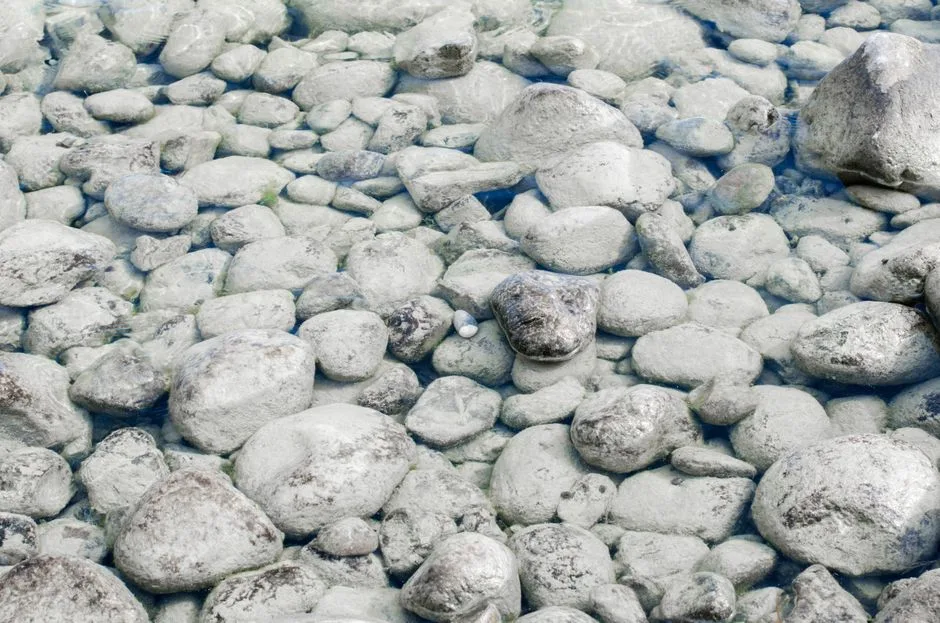
Micro-Pebble / Baby-Pebble Finish
Micro-pebble finishes use aggregate particles smaller than 3mm — roughly half the size of standard pebble — to achieve a surface that is smoother than traditional pebble but more durable than plaster. The small pebbles still provide the color complexity and longevity of aggregate, just with a refined, less textured feel. This is an excellent compromise for homeowners who love the look of pebble but find full-size Pebble Tec too rough on feet. Cost is similar to standard pebble at $8,000–$13,000.
Photo by Nika Benedictova on PexelsGlass & Mosaic Tile: Color, Sparkle & Pattern
Waterline Glass Tile Border
A band of glass tile running along the waterline — typically 6 inches tall, spanning the entire pool perimeter — is the single most popular tile upgrade in pool design. The glass catches and refracts sunlight, creating a jewel-like sparkle at the water’s edge that makes the whole pool look more polished. The waterline tile also serves a practical purpose: it creates an easy-to-clean surface right where sunscreen, body oils, and debris accumulate. Budget $30–$80 per linear foot installed, depending on tile quality.
Photo by Jan van der Wolf on Pexels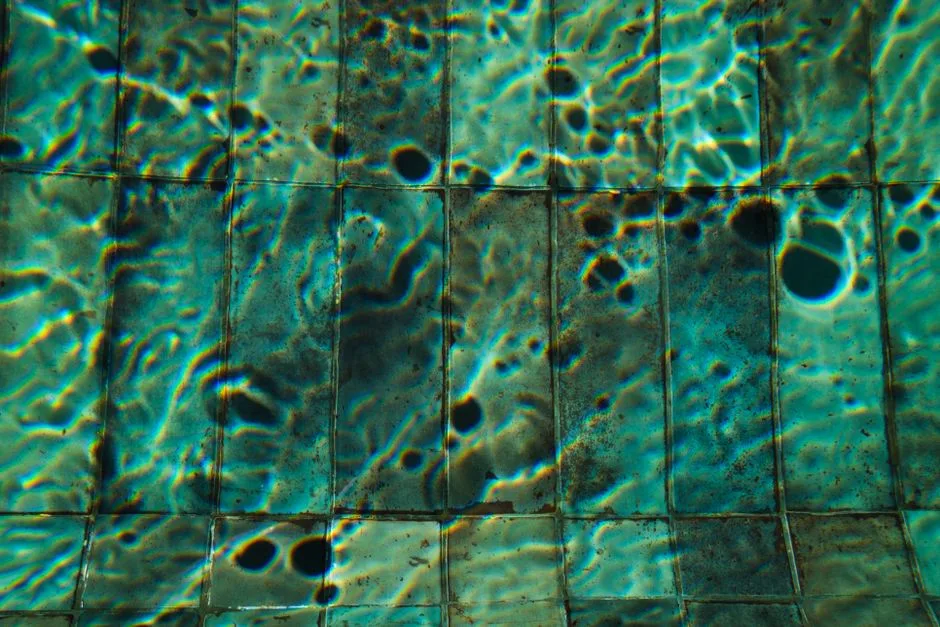
Iridescent Glass Tile
Iridescent glass tile has a metallic oxide coating that shifts color depending on the angle of light and the viewer’s position — think oil-slick rainbows in blue, green, silver, and gold tones. When the pool pump is running, the moving water makes the iridescence dance and shimmer across the entire tile band. These tiles are show-stoppers but cost more than standard glass ($40–$100+ per square foot for the tile alone). Even a small accent band of iridescent tile can transform the pool’s personality.
Photo by Anthony Dalesandro on Pexels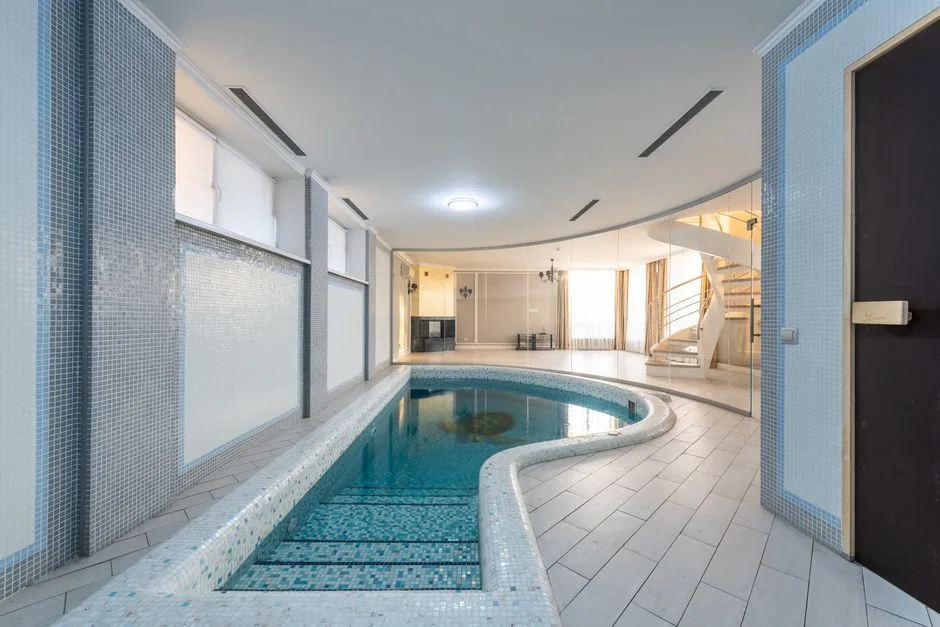
Full Glass Tile Pool Interior
Covering the entire pool interior — not just the waterline — in glass mosaic tile is the ultimate luxury pool finish. The result is breathtaking: every inch of the pool surface sparkles, and the water takes on an almost gem-like clarity. Full glass tile is also the most durable pool surface available, lasting 25+ years with minimal maintenance, because glass is impervious to pool chemicals. The cost is correspondingly high: $50,000–$100,000+ for an average pool, making this the choice for high-end resorts and luxury residential projects.
Photo by Max Vakhtbovych on Pexels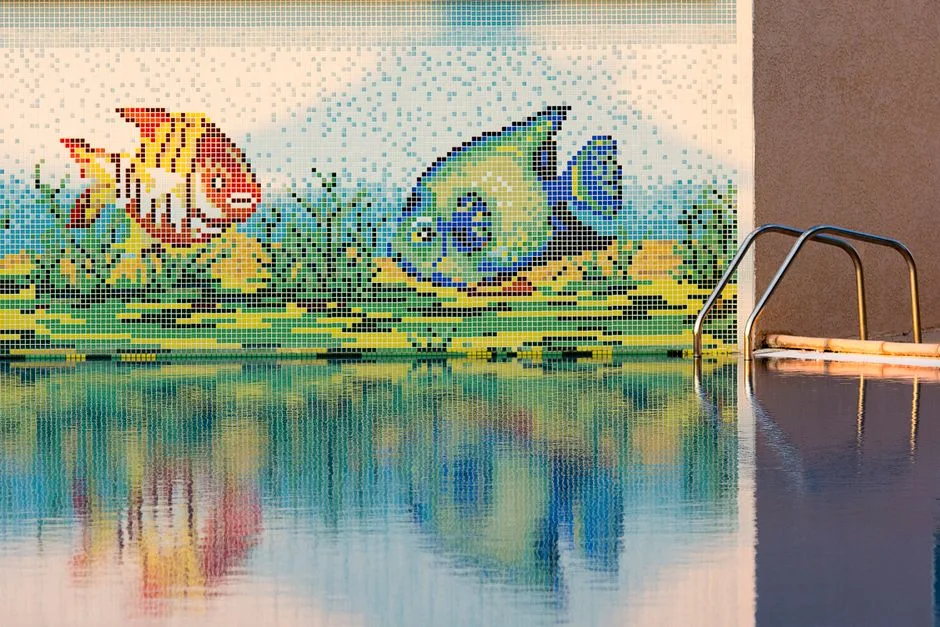
Mosaic Accent Bands & Step Markers
Horizontal bands of mosaic tile running across the pool floor or walls — often just 2–4 inches wide — create visual rhythm and help define the pool’s shape. Step and bench edge markers (rows of contrasting tile along stair nosings and seat edges) are both decorative and a genuine safety feature: they make underwater depth changes visible at a glance. Combining accent bands with a simpler waterline border gives you a lot of design impact for a modest tile budget ($1,500–$4,000).
Photo by Jan van der Wolf on Pexels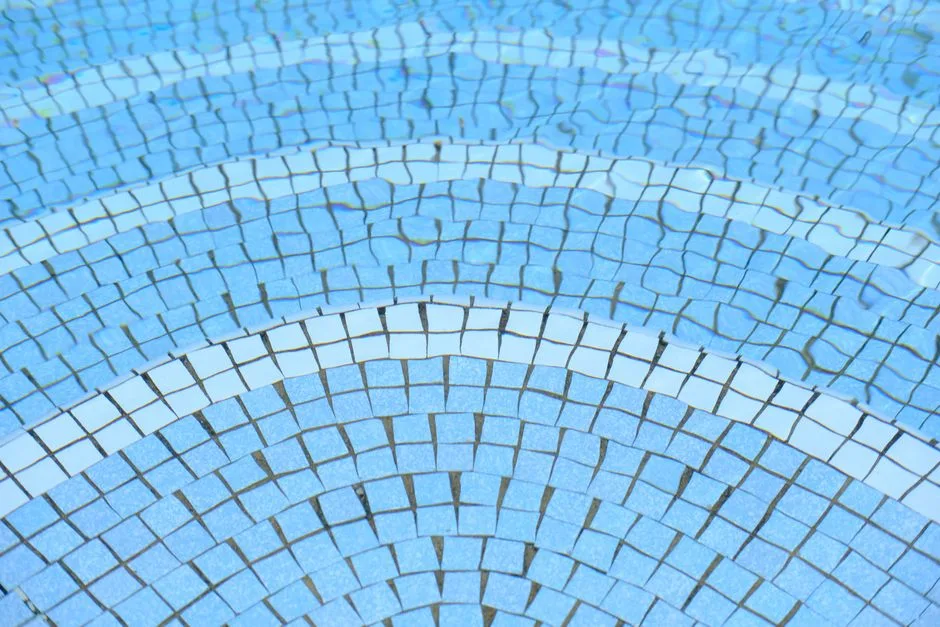
Ceramic & Porcelain Mosaic Tile
Ceramic and porcelain mosaic tiles are more budget-friendly alternatives to glass that still deliver rich color and pattern options. Porcelain is especially well-suited to pools because it absorbs almost no water (under 0.5%), making it frost-proof and resistant to chemical degradation. Available in virtually every color, pattern, and finish — matte, gloss, textured — ceramic tiles allow for intricate decorative designs at roughly half the cost of glass tile per square foot.
Photo by Towfiqu barbhuiya on Pexels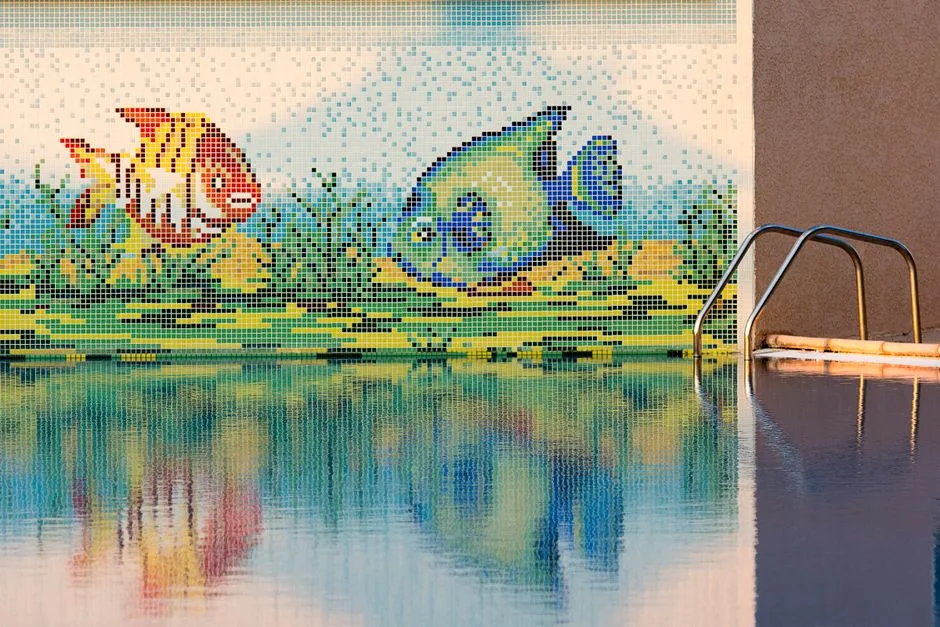
Custom Mosaic Pool Murals
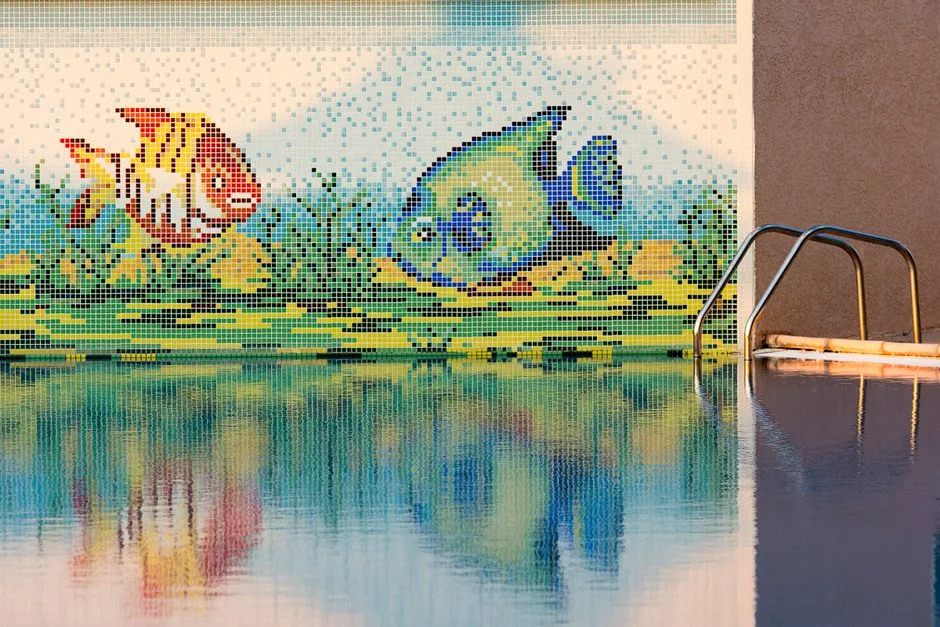
A hand-laid mosaic mural on the pool floor or a feature wall — anything from a sea turtle and tropical fish to a geometric mandala or family crest — turns the pool itself into a piece of art. Skilled mosaic artists cut and place each individual tessera (tile piece) to create detailed images that are visible through the water. A custom mural typically starts at $3,000 for a simple design and can reach $15,000+ for complex, artist-driven work. The mosaic is set in thin-set mortar and grouted like any other tile, so it is fully submerged and permanent.
Photo by Jan van der Wolf on Pexels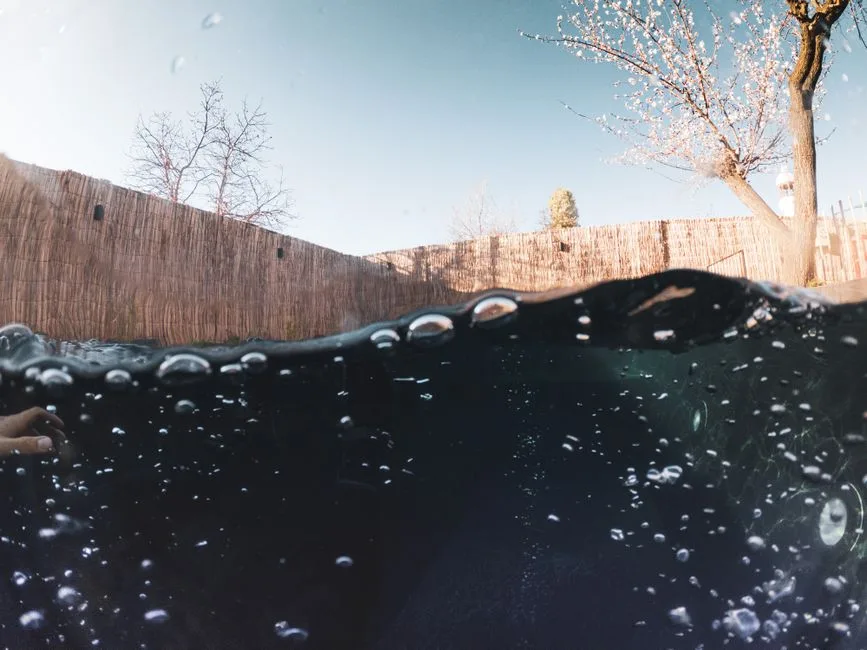
Subway Tile Waterline (Classic Rectangular)
Subway tile — rectangular, often 3×6 inches — brings a clean, timeless aesthetic to the pool waterline. Available in glass, ceramic, and porcelain, the familiar brick-lay pattern reads as both classic and contemporary depending on the color and grout choice. White subway tile with white grout is crisp and architectural; dark blue glass subway tile with contrasting grout leans modern and dramatic. At $20–$50 per linear foot installed, subway tile is one of the most cost-effective waterline upgrades.
Photo by Mau Torres V on Pexels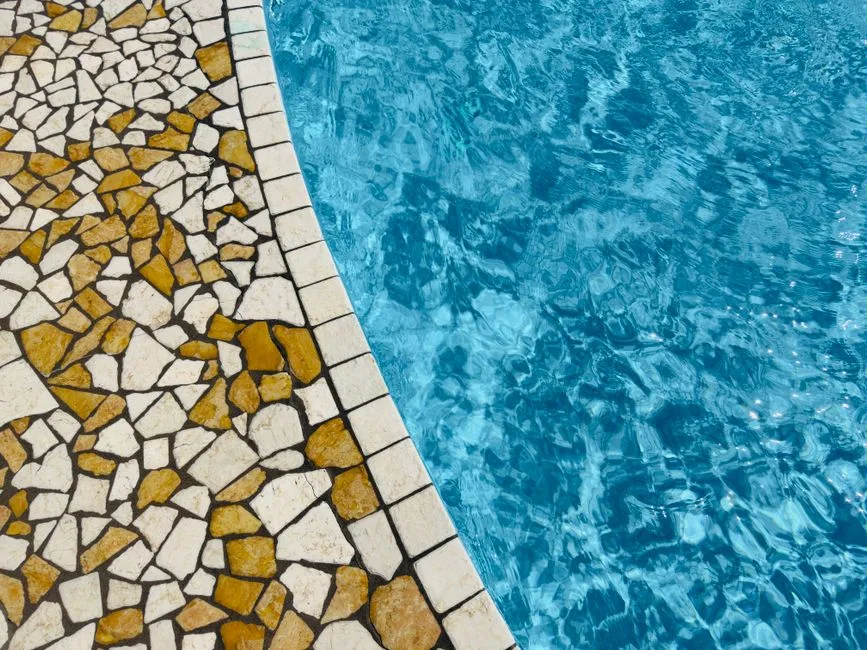
Mixed-Material Tile Blends (Glass + Stone)
Blending glass mosaic tiles with natural stone pieces in a single waterline or accent band creates a textured, organic look that pure glass cannot achieve alone. The glass adds sparkle and color saturation; the stone adds earthy warmth and tactile variation. These blends work especially well with naturalistic pool designs — lagoons, rock pools, and freeform shapes — where a uniform glass waterline would feel too polished. Pricing is similar to mid-range glass tile at $30–$70 per linear foot.
Photo by Christian Zimmermann on Pexels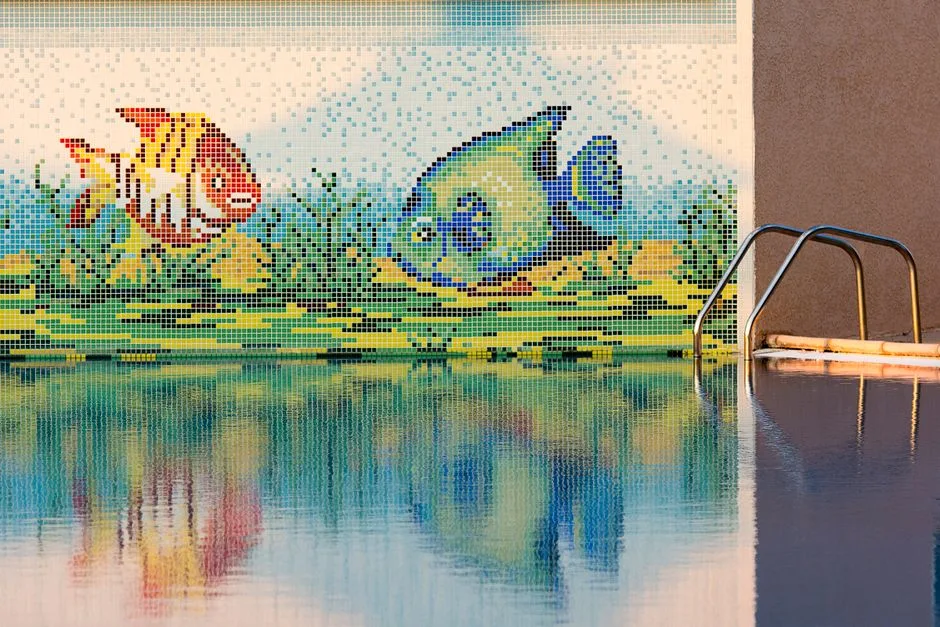
Penny Round & Hexagon Mosaic Tile
Small circular (penny) or hexagonal mosaic tiles create a completely different rhythm than rectangular tiles — the repeating circles or honeycomb pattern reads as playful and mid-century modern. These shapes are most often used for waterline accents, step markers, or small feature panels rather than full pool interiors. Available in glass, porcelain, and even metal finishes (though metal should be verified as pool-safe due to chemical reactivity). The unusual geometry makes even a simple color scheme feel intentional and design-forward.
Photo by Jan van der Wolf on PexelsPool Coping Materials: The Crown Edge
Travertine Coping
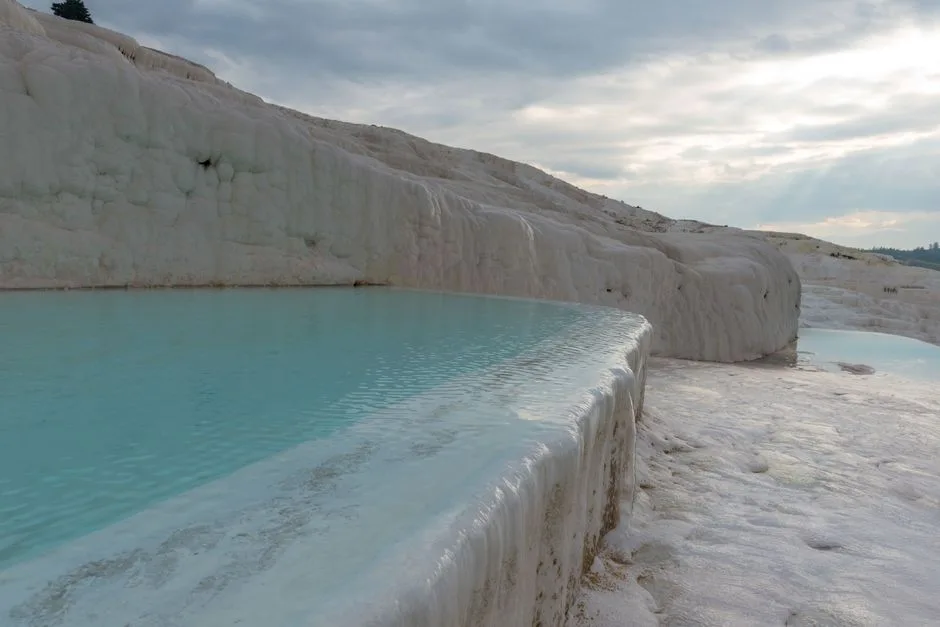
Travertine is the most popular pool coping stone in warm climates — and it is easy to see why. The natural limestone stays cool underfoot even in direct summer sun, its porous surface provides natural slip resistance, and its warm beige-to-walnut color palette complements almost any landscape. Travertine comes in tumbled (rustic, textured), honed (smooth matte), and polished (glossy) finishes. Expect to pay $15–$35 per linear foot installed. Seal it every 2–3 years to protect against pool chemical staining.
Photo by Ehtiram Mammadov on Pexels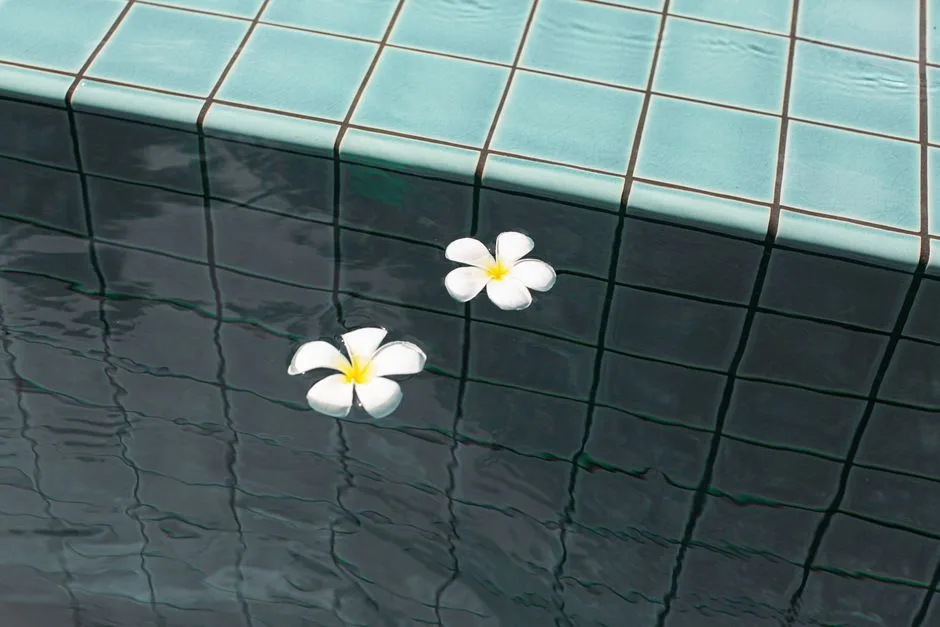
Limestone Coping
Limestone coping offers a more uniform, refined appearance than travertine — fewer visible pores, more consistent color, and cleaner edges. It stays relatively cool underfoot and weathers to a beautiful silvery-gray patina over time. Limestone works beautifully with modern and transitional architecture where travertine’s rustic character would feel out of place. At $20–$40 per linear foot installed, it sits at a similar price point to travertine. Choose a honed or sandblasted finish for the best slip resistance around the pool.
Photo by Cup of Couple on Pexels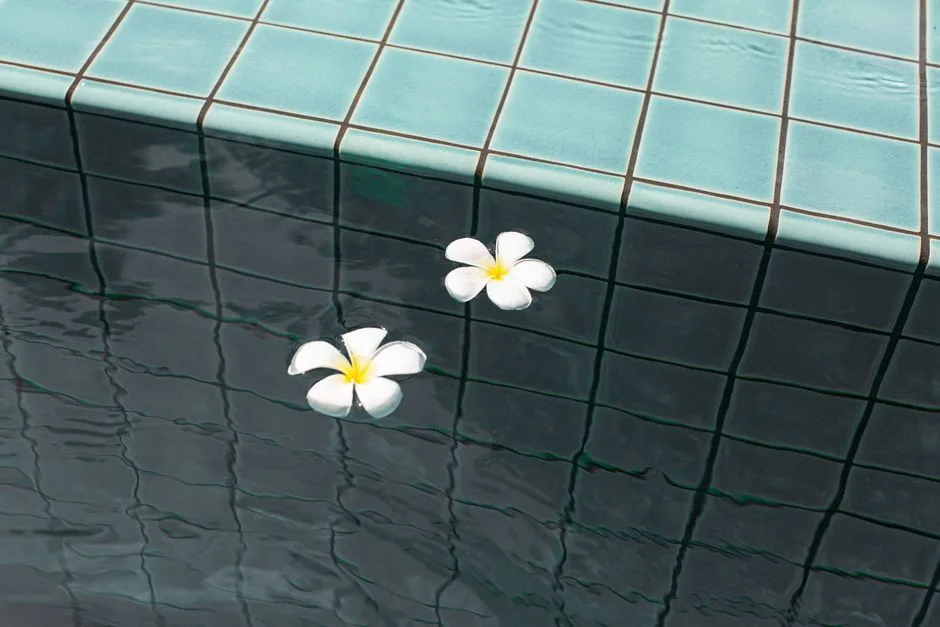
Flagstone Coping (Irregular Natural Edge)
Flagstone coping uses irregularly shaped pieces of natural stone — sandstone, bluestone, or quartzite — fitted together like a puzzle around the pool edge. The organic, uneven edges and varied stone colors create a look that blends seamlessly into naturalistic landscapes and freeform pools. Each piece is individually cut and fitted, so installation labor is higher than for uniform-cut stone. Flagstone coping costs $18–$38 per linear foot installed. The slightly rough, textured surface provides excellent grip even when wet.
Photo by Cup of Couple on Pexels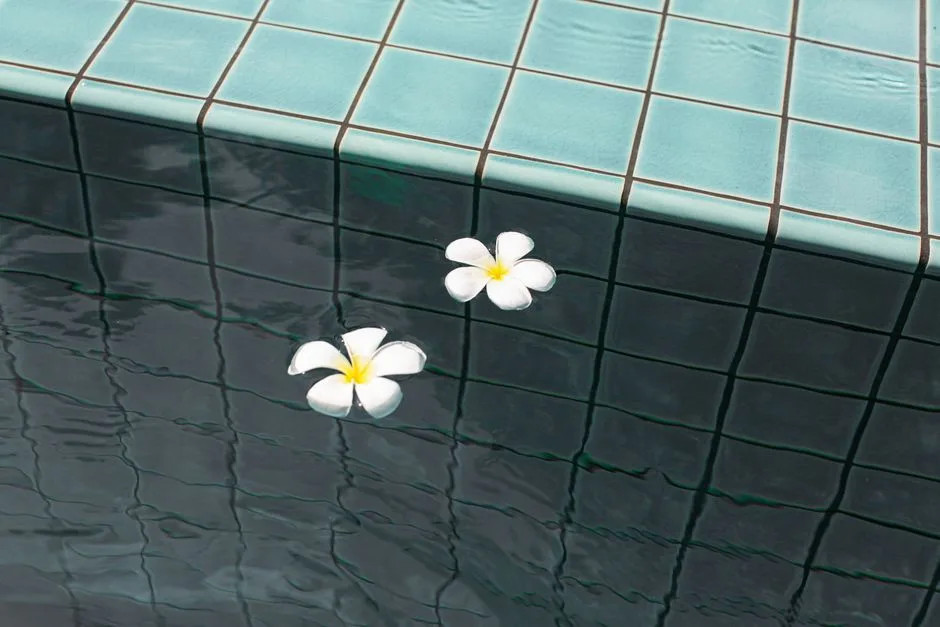
Precast Concrete Coping
Precast concrete coping is factory-made in standard bullnose or cantilever profiles, then delivered to the site ready to install. It is the most affordable coping option at $8–$18 per linear foot installed, and modern manufacturing techniques produce consistent, good-looking pieces in a variety of integral colors (gray, tan, buff, charcoal). The bullnose profile — rounded at the outer edge — is the classic pool look. Precast coping is also the easiest to replace if a single piece cracks or settles over time.
Photo by Cup of Couple on Pexels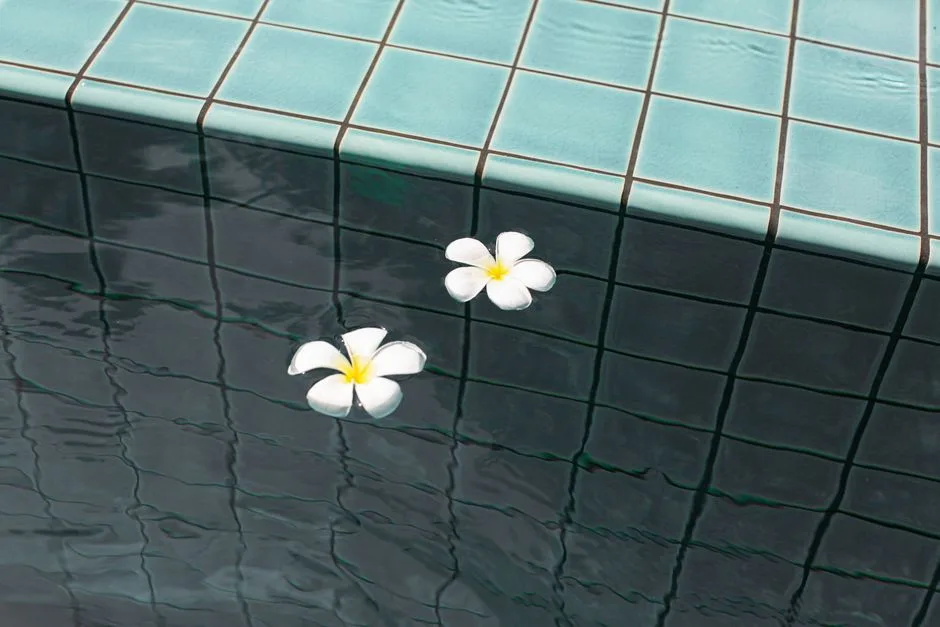
Brick Coping (Traditional & Colonial)
Brick coping gives the pool a warm, traditional feel that pairs especially well with Colonial, Georgian, and Craftsman-style homes. The familiar brick color and texture create a visual link between the pool and the house’s masonry. Use solid, frost-rated brick (not hollow brick) rated for exterior use in wet conditions. At $12–$25 per linear foot installed, brick coping is mid-range in price. The slight texture and porous surface provide decent slip resistance; seal brick periodically to prevent spalling in freeze-thaw climates.
Photo by Cup of Couple on Pexels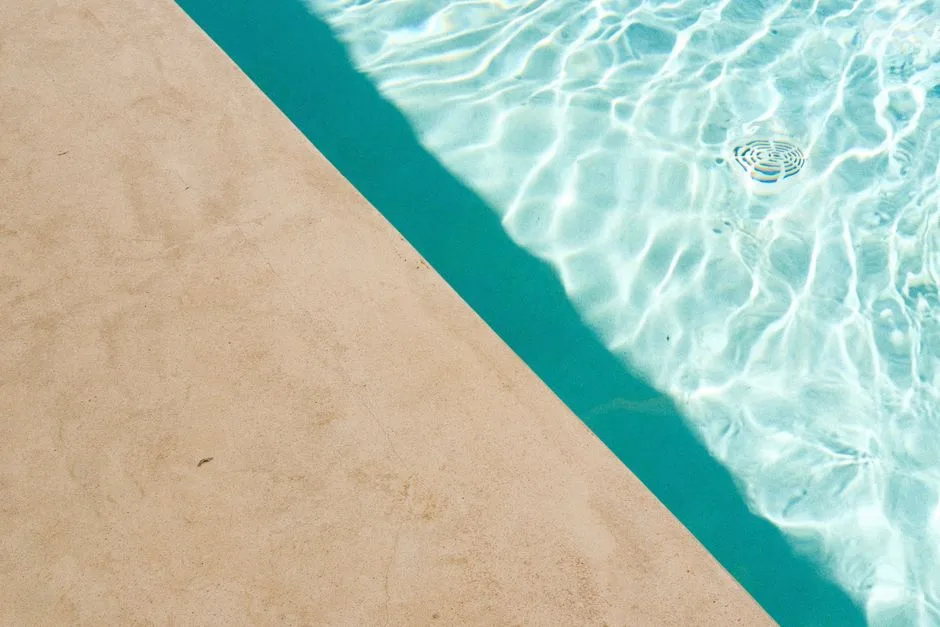
Cantilever Concrete Coping (Modern Minimalist)
Cantilever coping creates a clean, seamless look where the pool deck material (poured concrete or pavers) extends slightly over the pool edge with no visible coping piece at all — just a crisp shadow line. This minimalist detail is a hallmark of modern and architectural pool design. A form is set during the concrete pour to create the overhang and the drip groove underneath that prevents water from wicking back across the deck. No separate coping material means one less transition to maintain, but the formwork and precise finishing add to the deck cost.
Photo by Pavel Kuznetsov on Pexels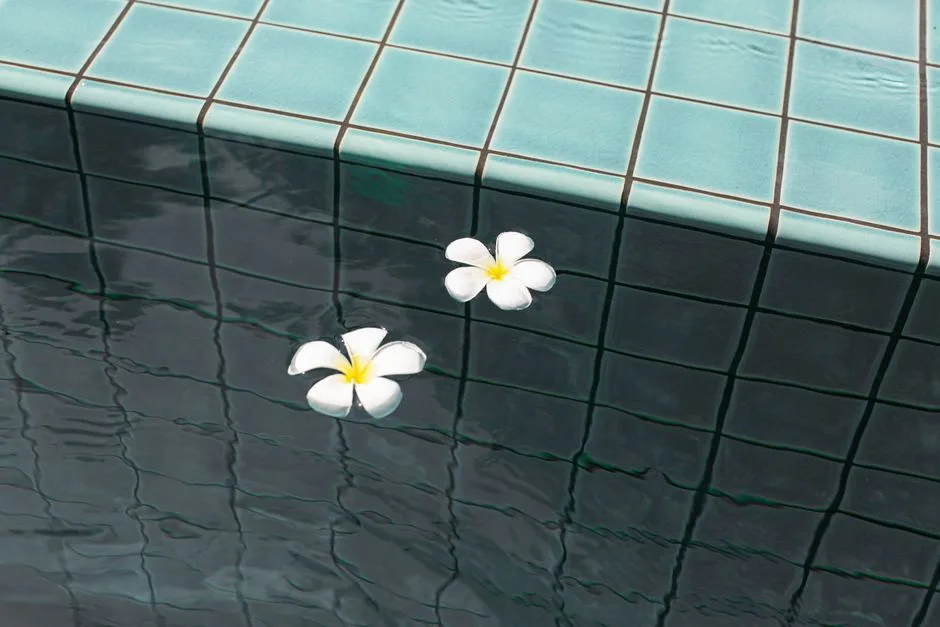
Bullnose Tile Coping (Mediterranean Style)
Bullnose tile coping — also called rolled-edge tile or Spanish coping — uses glazed ceramic or porcelain tiles with a rounded front edge set in a row around the pool perimeter. The look is unmistakably Mediterranean, Spanish Revival, or Santa Barbara style, especially in terracotta, cobalt blue, or hand-painted patterns. Tile coping is smooth and comfortable to grip from inside the pool. At $25–$50 per linear foot installed for quality outdoor-rated tile, it is a mid-to-premium option that delivers maximum character per linear foot.
Photo by Cup of Couple on PexelsInterior Color Choices: What Your Water Will Look Like
White & Light Blue — The Classic Resort Look
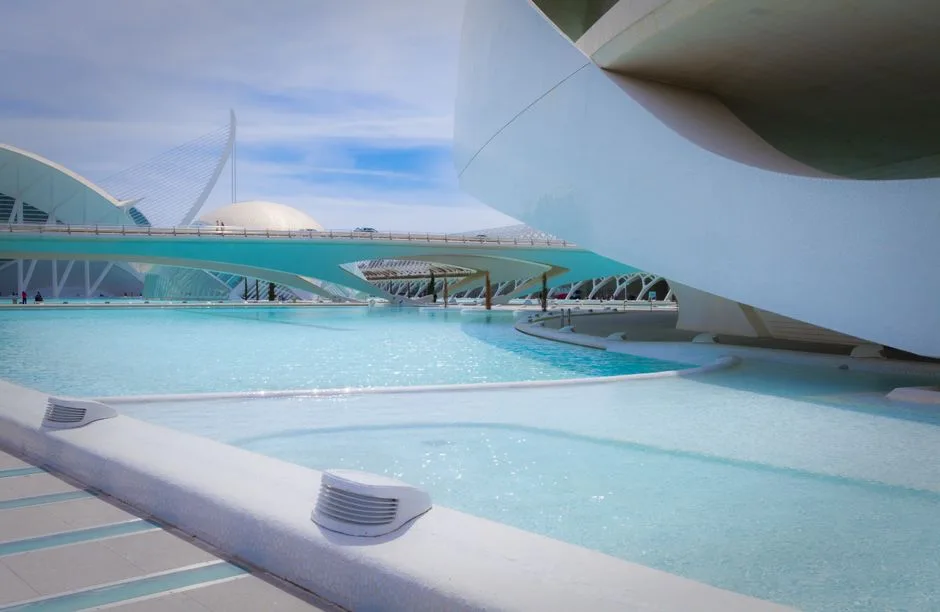
A white or very pale blue interior produces that iconic tropical-resort water color: bright, clear turquoise that looks inviting from a hundred yards away. White plaster or white quartz reflects the most light, making the pool feel open and energetic. This is far and away the most popular interior color choice, and it works in every architectural style. The only practical downside: white surfaces show dirt and staining more readily than darker colors, so you will brush and vacuum a bit more often to keep it looking pristine.
Photo by Marco De Luca on Pexels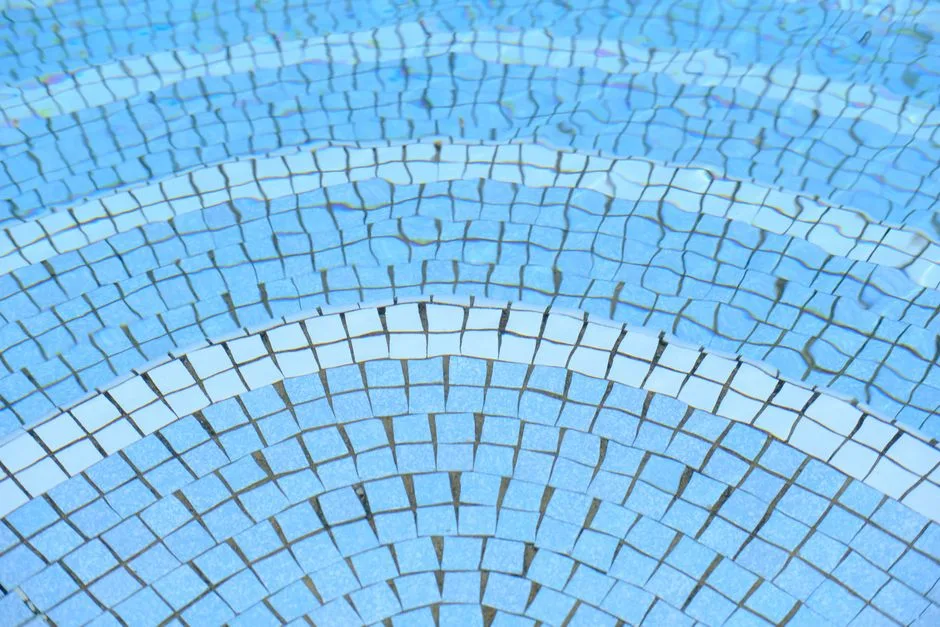
Medium Blue Interior — The Most Popular Choice
A medium blue interior finish — achieved with blue-tinted plaster, quartz, or pebble — deepens the water color from turquoise to a rich sky blue that feels energetic without being dark. This is the safe, universally appealing middle ground: deeper than white, friendlier than black, and complementary to virtually every landscape palette. Medium blue interiors also hide minor imperfections and light debris better than white, making them forgiving for families and first-time pool owners.
Photo by Towfiqu barbhuiya on Pexels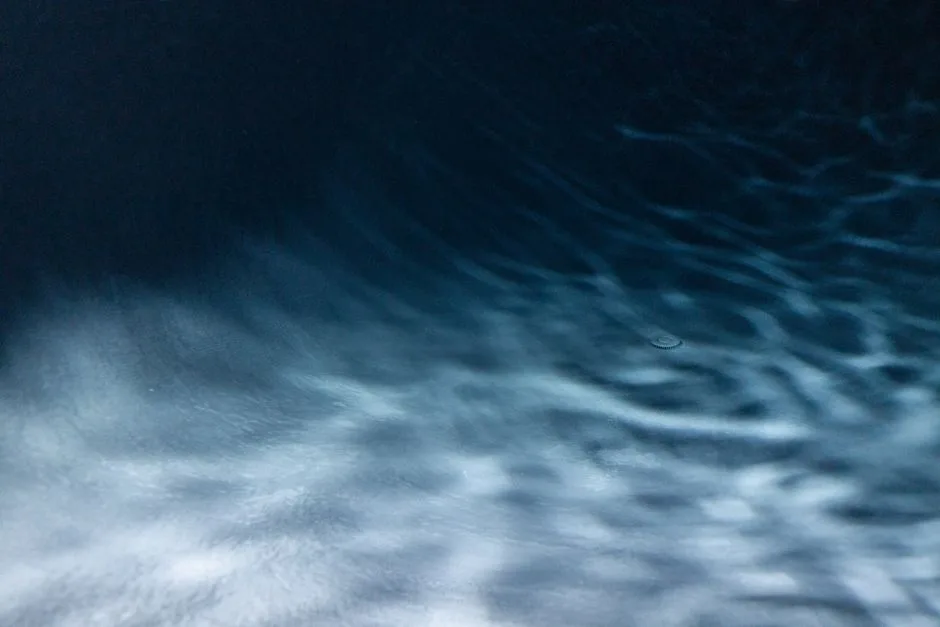
Deep Blue & Navy Interior
A deep blue or navy interior turns the water a rich, saturated sapphire that reads as luxurious and resort-like. The darker color absorbs more sunlight, which can help warm the water naturally — a nice bonus in cooler climates. Deep blue pools look especially dramatic at night with underwater lighting. Be aware that dark blue plaster may show mottling (uneven color patches) more than lighter shades, so choosing an experienced applicator is crucial. Aggregate finishes in deep blue tend to be more forgiving than dark plaster.
Photo by James Cheney on Pexels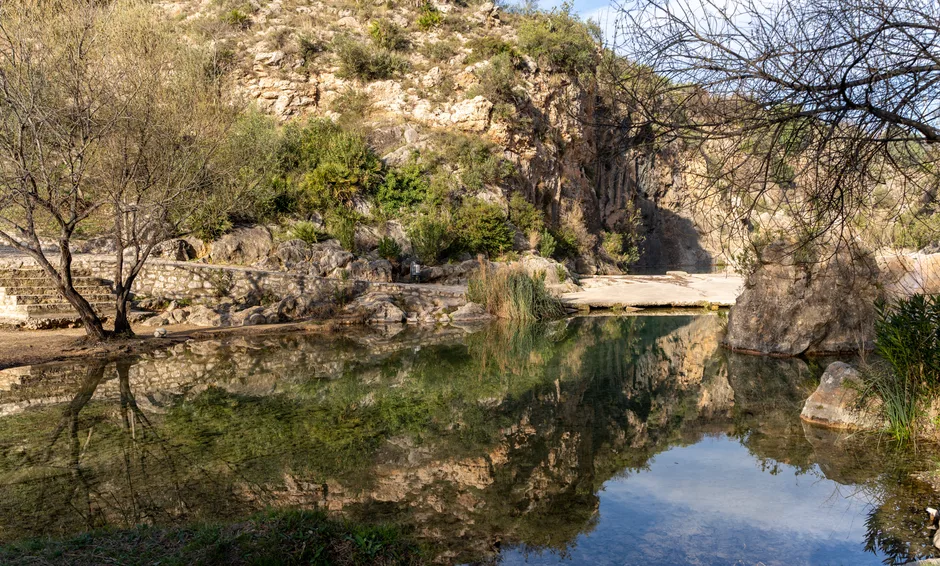
Black & Dark Charcoal Interior
A black or dark charcoal pool interior creates a stunning mirror effect — the water surface reflects the sky, trees, and surrounding architecture like a sheet of dark glass. The look is bold, modern, and unlike anything a traditional blue pool delivers. Dark-bottom pools also absorb the most solar heat, warming naturally by 3–7°F compared to a white pool in the same location — effectively a free solar heater. The downside: dark surfaces show dust, pollen, and calcium scaling more visibly, so they require diligent maintenance to keep looking their best.
Photo by Rafael Minguet Delgado on Pexels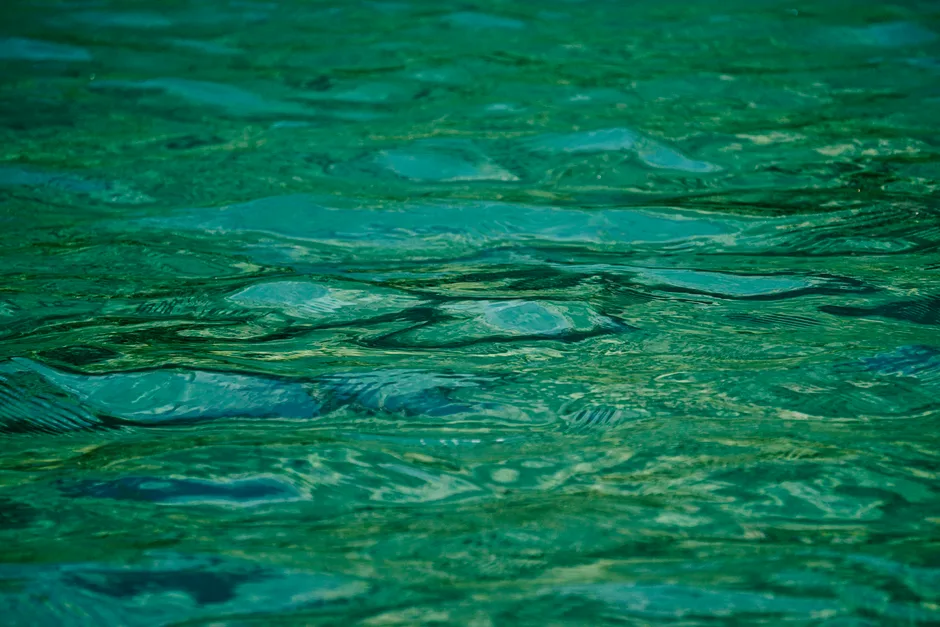
Green & Emerald Interior
A green or emerald interior produces water that ranges from pale jade to deep forest green, depending on the intensity of the pigment and the surrounding landscape. This color choice transforms the pool into something that feels like a natural swimming hole or tropical cenote — especially when paired with natural stone coping and lush planting. Green interiors work best with freeform, lagoon, and natural-style pools. Lighter green finishes keep the water looking clear and inviting; very dark greens can read as murky if the water chemistry is not perfectly balanced.
Photo by Anna Romanova on Pexels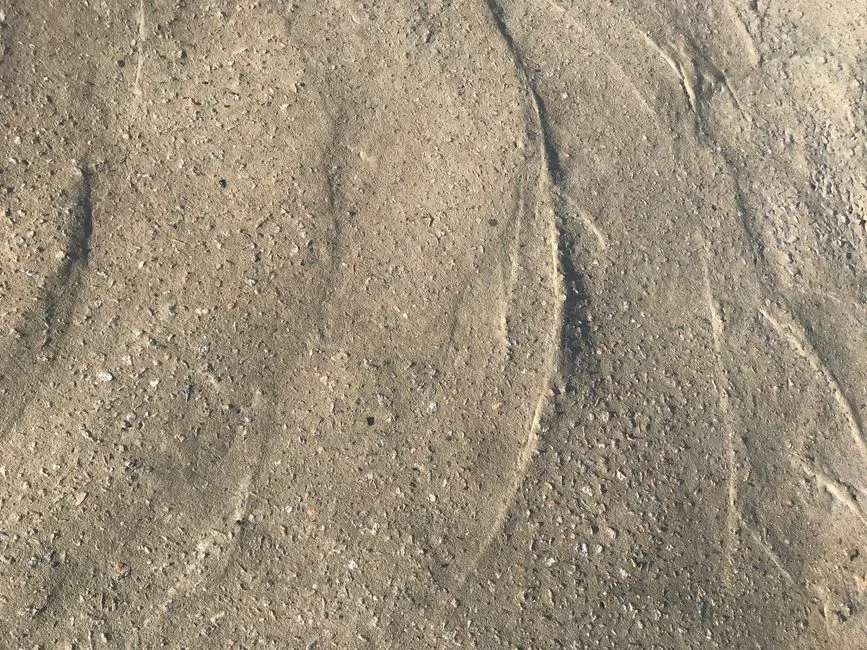
Sand & Tan / Tropical Beach Interior
A sand, tan, or beige interior — often achieved with warm-toned aggregate or pigmented plaster — gives the water a pale aquamarine tint that evokes shallow Caribbean beaches. The lighter, warmer undertone feels softer and more organic than a crisp blue interior. This finish works well with travertine coping and tropical landscaping for a cohesive resort aesthetic. At the right depth, the water reads as pale turquoise rather than brown; the sand color primarily tints the shallow areas and steps where sunlight penetrates to the bottom.
Photo by YEHOR ANDRUKHOVYCH on Pexels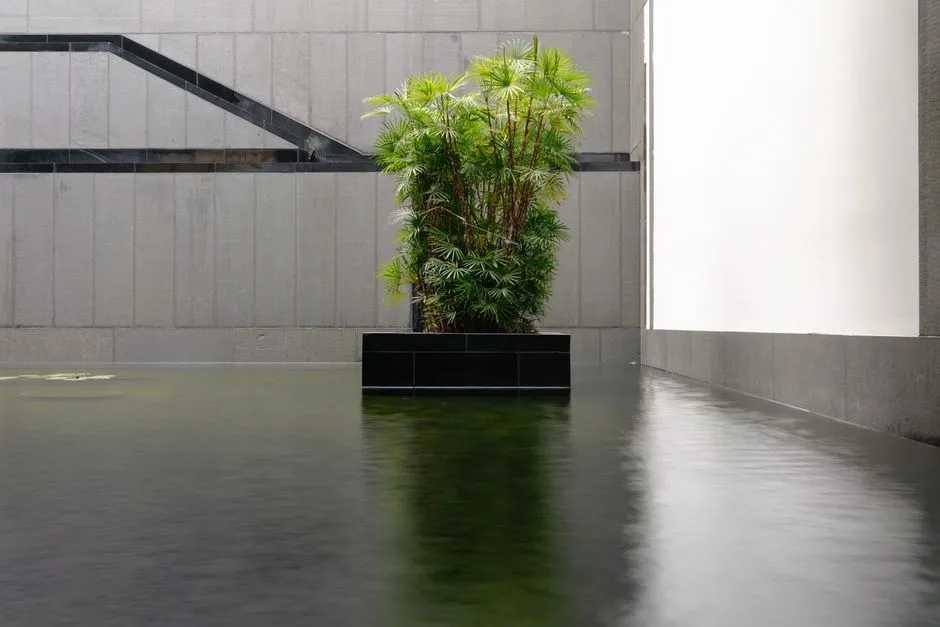
Gray Interior — Contemporary Neutral
A gray pool interior — from pale silver to deep charcoal-gray — produces water that reads as cool, modern, and understated rather than brightly colored. Light gray creates a soft, muted blue that complements contemporary architecture beautifully; dark charcoal-gray approaches the mirror effect of a black pool with slightly more forgiveness for dust and debris. Gray is the fastest-growing interior color trend in modern pool design, and it pairs especially well with concrete decking, steel planters, and minimalist landscaping.
Photo by Declan Sun on PexelsSpecialty & Premium Finishes Worth Considering
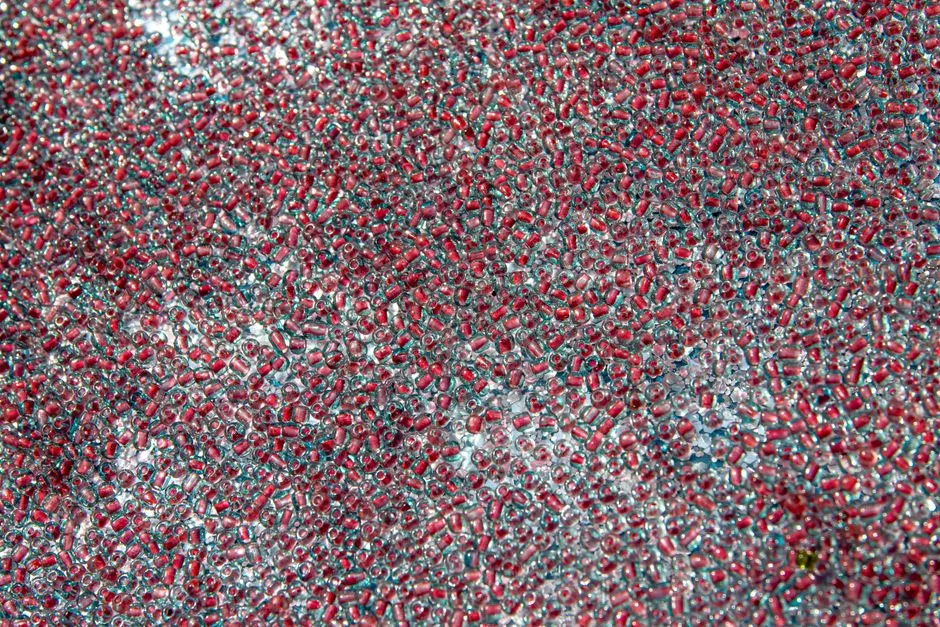
Glass Bead / Beadcrete Finish
Beadcrete (also called glass bead finish) embeds thousands of tiny recycled glass beads into the plaster or aggregate mix. The beads catch and refract light at the microscopic level, giving the entire pool surface a subtle, ethereal shimmer — not as flashy as mosaic glass tile, but a gentle sparkle that changes throughout the day as the sun moves. The glass beads are smooth and comfortable underfoot. This upgrade typically adds $2,000–$4,000 to a standard plaster or pebble job and is compatible with most color palettes.
Photo by Magda Ehlers on Pexels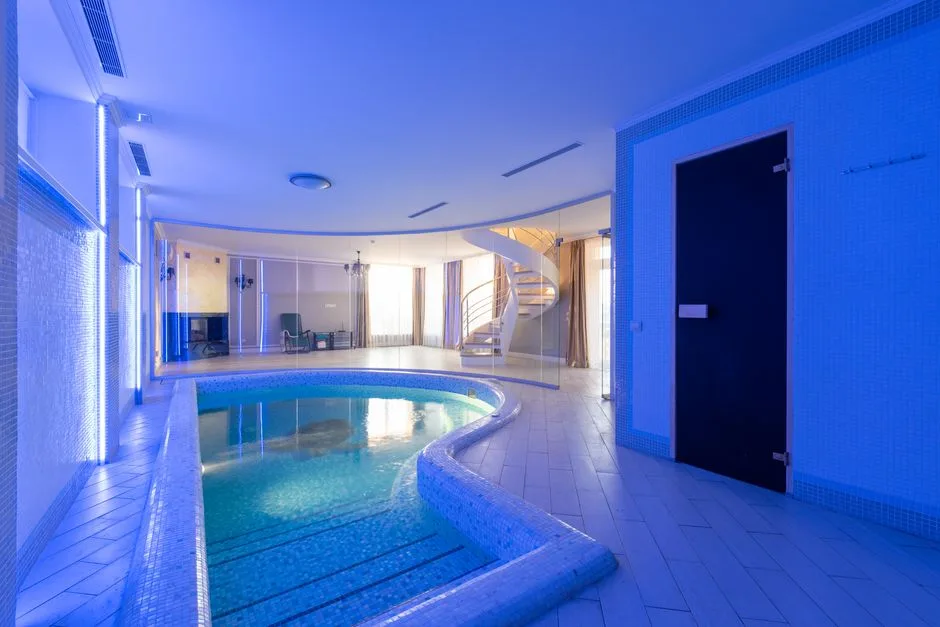
Luminous / Glow-in-the-Dark Finish
Luminous pool finishes incorporate photoluminescent (phosphorescent) pigments — the same technology used in glow-in-the-dark stars — directly into the plaster, pebble, or tile grout. The pool surface charges during the day from sunlight and emits a soft, ethereal glow for several hours after dark. The effect is subtle (not neon-bright) and most commonly done in a starfield or scattered-speckle pattern across the pool floor. This is still a niche specialty product; expect to pay $5,000–$10,000+ and work with a specialist installer.
Photo by Max Vakhtbovych on Pexels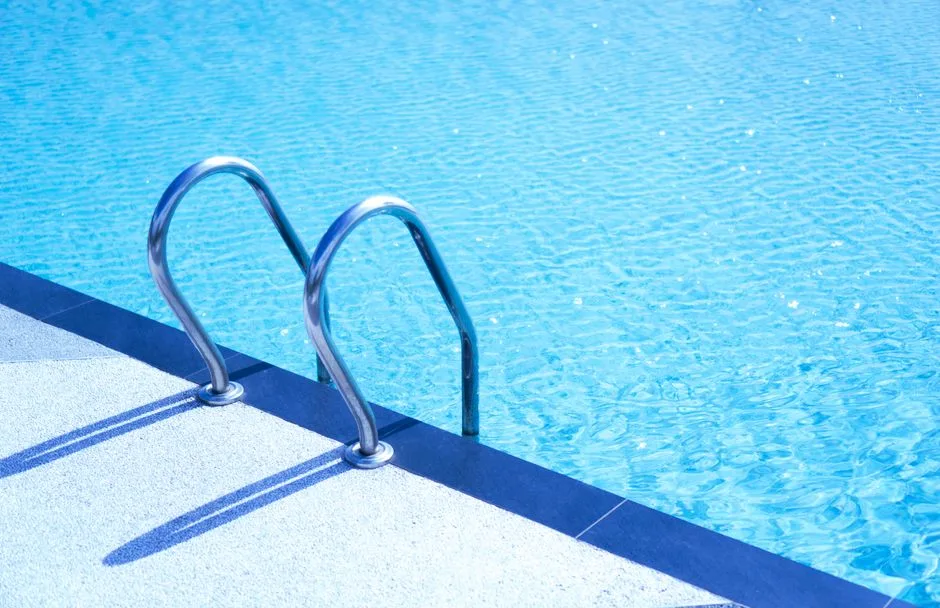
Metallic Epoxy Pool Coating
Metallic epoxy — more commonly associated with garage floors and commercial spaces — has crossed over into high-end residential pools as a bold, avant-garde finish. The epoxy is troweled on in layers with metallic pigments that create a swirling, three-dimensional marbled effect unlike anything achievable with plaster or aggregate. The surface is completely non-porous, making it highly resistant to staining and chemical etching. At $15,000–$30,000+, it is a premium option, and not every pool contractor works with it — find a certified metallic epoxy specialist for this one.
Photo by Komet Flicker on Pexels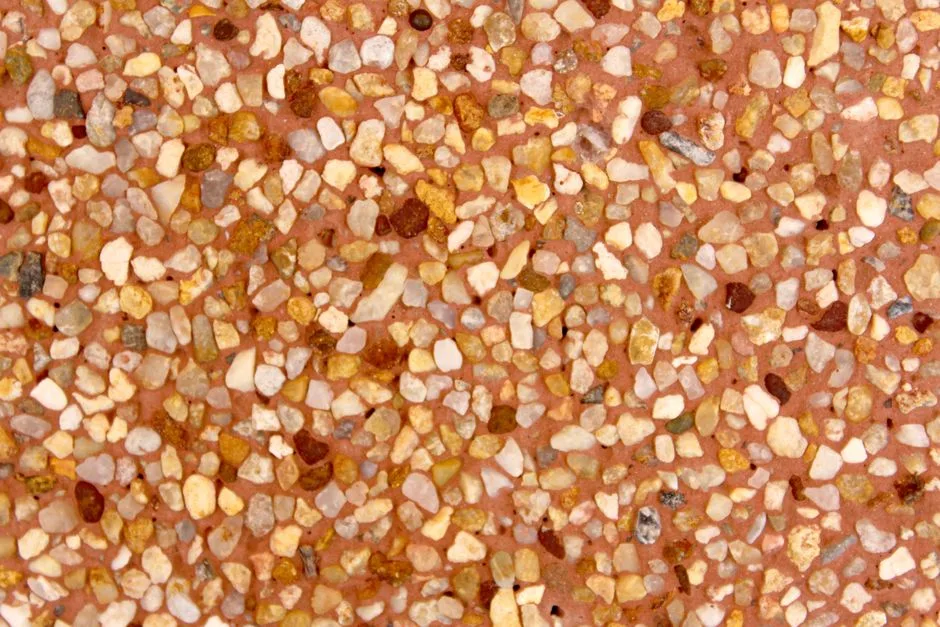
Terrazzo-Inspired Polished Pool Finish
Inspired by Venetian terrazzo flooring, this ultra-premium pool finish uses large, colorful aggregate chips (marble, quartz, glass, mother-of-pearl) in a cement or epoxy binder, then grinds and polishes the entire surface to a glossy, stone-like sheen. The result looks like a polished stone floor — but underwater. Each terrazzo pool is essentially custom, with the aggregate blend chosen by the homeowner. This is a $20,000–$40,000+ finish reserved for architectural showpiece pools where the interior surface is as important as the water itself.
Photo by icon0 com on Pexels
Recycled Glass Eco-Finish
Eco-friendly pool finishes use recycled glass aggregate — crushed from post-consumer glass bottles and industrial glass waste — as a sustainable alternative to quarried stone and virgin glass. The recycled glass is tumbled smooth and available in a range of vibrant colors (cobalt, emerald, amber, clear). Beyond the environmental appeal, recycled glass aggregate produces a uniquely vivid, jewel-toned sparkle that virgin materials struggle to match. Pricing is comparable to premium pebble finishes at $9,000–$15,000. Brands like EcoFinish and AquaBright lead this category.
Photo by Adrien Olichon on Pexels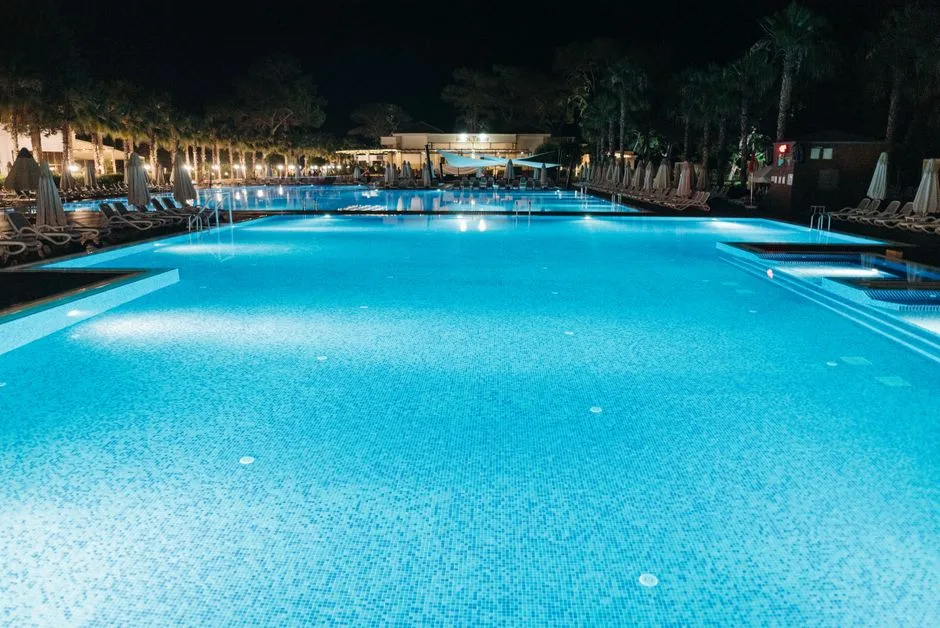
AquaBright / Thermoplastic Polymer Finish
AquaBright (and similar thermoplastic polymer coatings) is a spray-applied, heat-fused polymer finish that forms a seamless, non-porous waterproof membrane over the pool shell. Unlike plaster and aggregate, it contains no cement and is completely resistant to staining, etching, and calcium scaling from pool chemicals. The smooth, slightly rubbery texture is comfortable underfoot and available in a wide range of solid colors. Installation is faster than traditional plaster (often 1–2 days), and the coating lasts 10–15 years. Cost: $10,000–$18,000 for an average pool.
Photo by Pavel Danilyuk on PexelsA note from our service team. The finish you choose sets the chemistry rules for the next decade, and our techs can spot a neglected one from the driveway. Plaster etches when pH runs low, tile grout collects scale when pH runs high, and pebble finishes hold algae in their texture if brushing lapses for even a couple of weeks. Every surface complaint we diagnose in the field traces back to water balance, not bad installation. If you’re resurfacing or just wondering why your walls feel rough, run your numbers through our troubleshooting wizard before you blame the contractor.
More Pool Design Inspiration
This is part of our Pool Design Ideas series. Explore more guides to plan every aspect of your perfect pool:


