How to Acid Wash a Pool

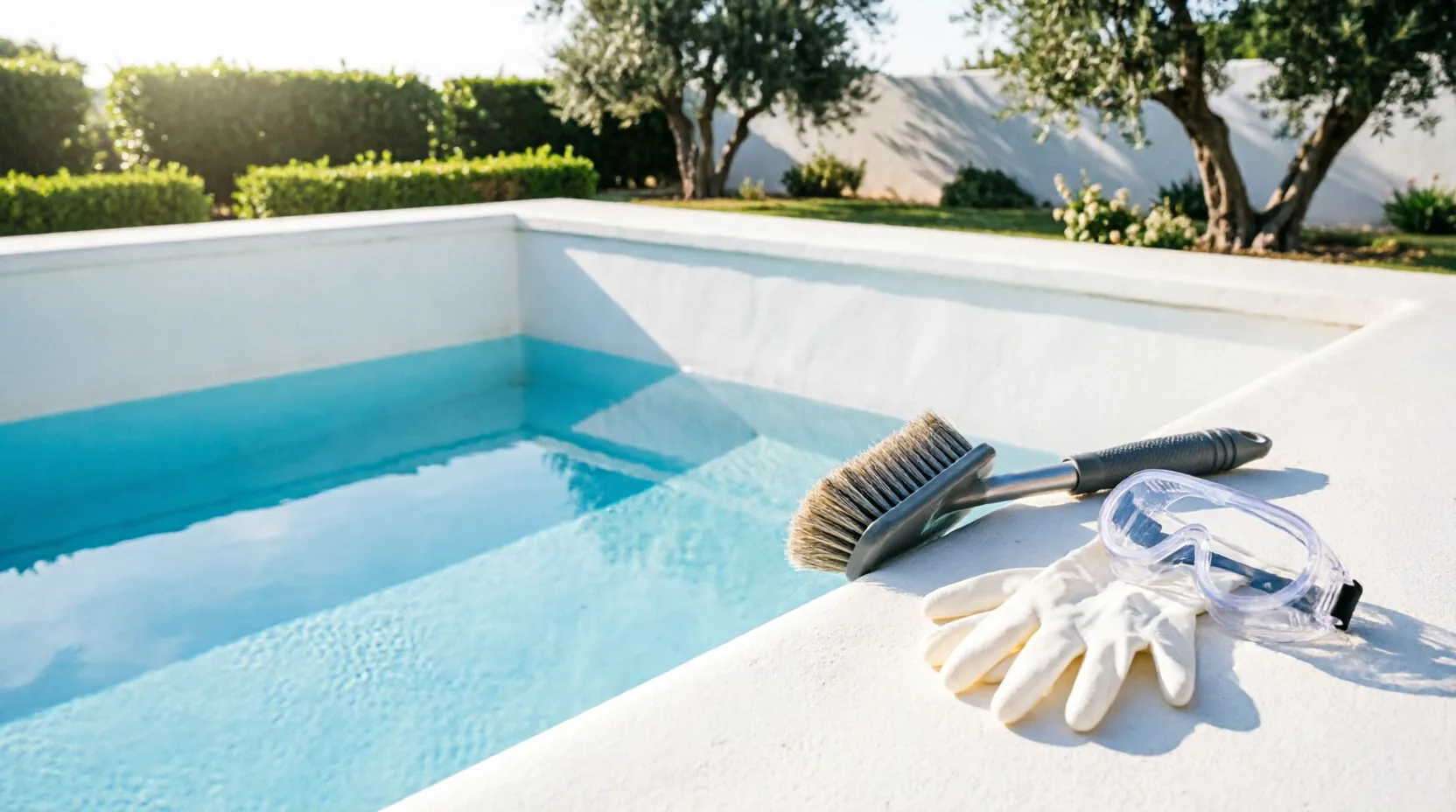
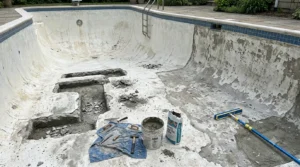
Acid washing a pool removes a thin layer of plaster along with the staining embedded in it, using a diluted muriatic acid solution applied to a drained surface, scrubbed, and neutralized immediately — it’s a last-resort treatment for stubborn staining, not routine cleaning, since it strips real material off the surface each time. It’s most often needed after stubborn algae staining that brushing and shock won’t remove. The full process and safety precautions are below.
What Does Acid Washing a Pool Actually Do?
A diluted muriatic acid solution reacts with the top layer of plaster, dissolving it along with whatever staining or etching has worked into that surface layer, and revealing fresh, unstained plaster underneath. This is fundamentally different from adjusting acid demand in pool water chemistry — it’s a physical surface treatment, not a water balance step.
When Does a Pool Actually Need an Acid Wash?
Stubborn metal or algae staining that doesn’t respond to brushing or spot treatment, a plaster surface that’s become visibly rough or etched, and discoloration covering large areas rather than an isolated spot are the situations that justify it. Routine yearly cleaning is not one of them — acid washing is a surface-stripping treatment, not a maintenance step. Identifying which type of staining you’re actually dealing with first, covered in our pool stain diagnosis guide, confirms acid washing is the right fix before draining the pool.
Can You Acid Wash a Pool Without Fully Draining It?
Partial or no-drain acid wash methods exist for lighter staining, working on the plaster above the water line in stages, but they’re less thorough than the traditional full-drain method and generally reserved for milder staining rather than heavy, all-over discoloration. Combined with a full drain, the traditional method reaches the entire surface evenly, which the no-drain approach can’t fully match.
How Do You Acid Wash a Pool Step by Step?
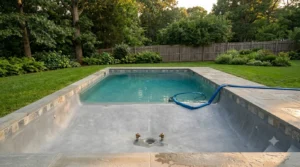
Drain the pool fully, then wet the plaster surface before applying the diluted muriatic acid solution section by section, typically starting at the deep end and working upward so runoff doesn’t re-expose already-treated areas to acid. Scrub each section with an acid brush while the solution is actively reacting — a visible fizzing indicates it’s working on the surface.
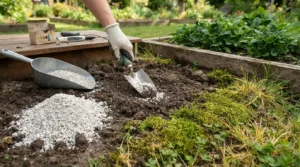
Neutralize each section immediately with soda ash once the reaction has done its job, then rinse thoroughly before moving to the next section. Refill only after the entire surface has been neutralized and rinsed.
What Safety Precautions Does Acid Washing Require?
A respirator rated for acid fumes, eye protection, and acid-resistant gloves and clothing are non-negotiable, along with working in a well-ventilated area. Always add acid to water, never water to acid, since the reverse causes a violent, splattering reaction. Working in small sections rather than treating the whole surface at once keeps fume exposure and reaction time manageable.
How Often Can You Acid Wash a Pool Without Damaging It?
Every acid wash strips a measurable layer of plaster, so most pool professionals recommend no more than once every 3 to 5 years — repeated washes thin the plaster and shorten the surface’s overall service life. If staining keeps recurring faster than that, the underlying cause, whether it’s metals in the water or plaster condition itself, is worth addressing directly rather than relying on repeated acid washing.
Frequently Asked Questions
How much does professional acid washing cost?
Most professional acid washes run $300 to $800 depending on pool size and the extent of staining. A DIY acid wash costs closer to $50 to $100 in muriatic acid and soda ash, plus the price of proper safety gear if you don’t already own it.
Can you acid wash a vinyl or fiberglass pool?
No. Acid washing is a plaster and gunite treatment; muriatic acid will damage a vinyl liner and can dull or discolor a fiberglass gelcoat surface. Vinyl and fiberglass pools need surface-appropriate stain removers instead of an acid treatment — vinyl also needs gentler handling when the liner wrinkles, which our guide to getting wrinkles out of a pool liner covers.
What happens if the acid isn’t fully neutralized before refilling?
Residual acid keeps etching the plaster and can corrode metal fittings, ladders, and heater components once the pool refills. It can also cause the refilled water’s pH to swing dangerously low, making balancing the water far harder than it should be.
Regular cleaning reduces how much staining builds up in the first place, which means fewer acid washes over the plaster’s lifetime. An Aiper robotic pool cleaner keeps the floor and walls clean between treatments, reducing the organic buildup that leads to staining.
Get more pool and lawn care guides from Aiper on Google