How to Get Rid of Bindis in a Lawn

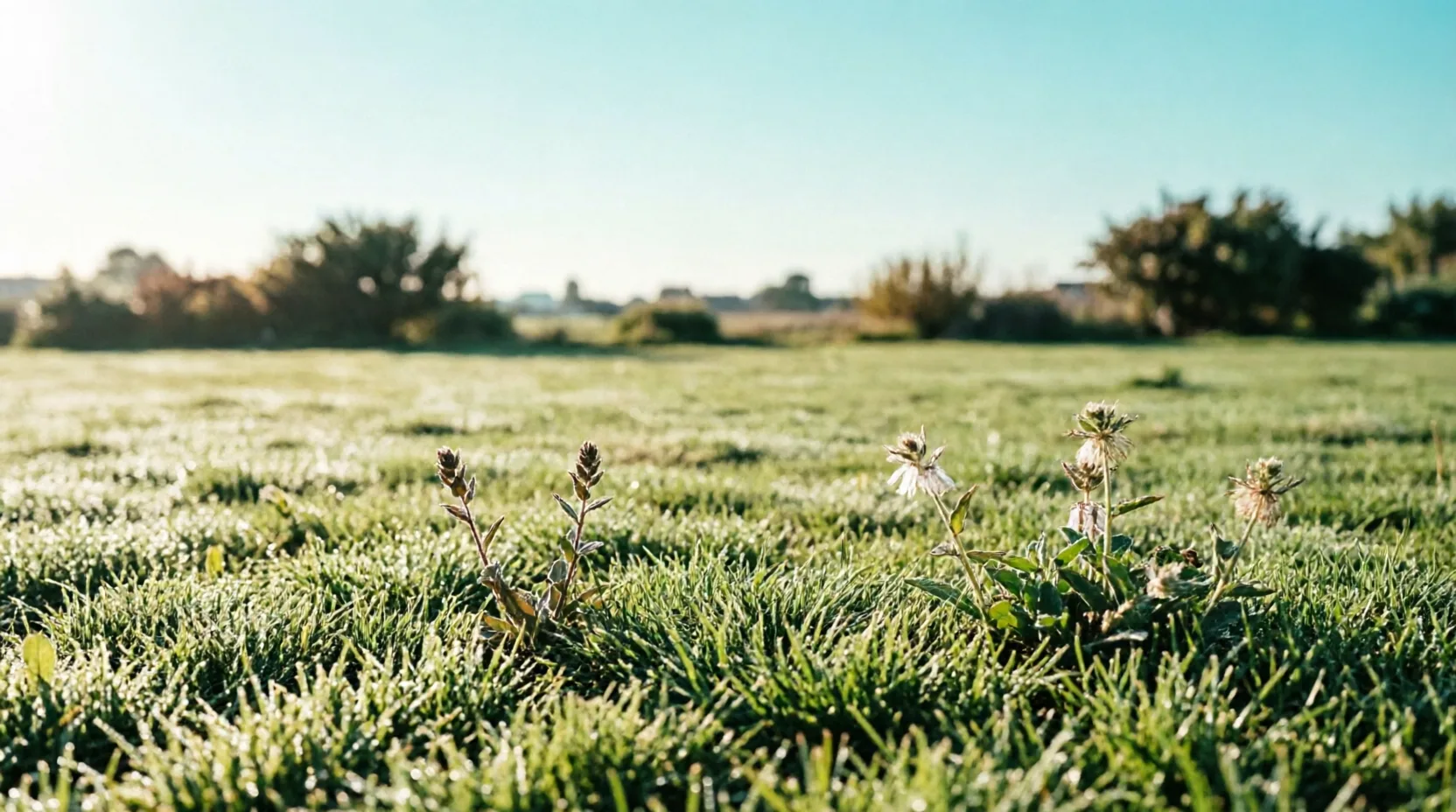
A selective, grass-safe herbicide matched to your specific turf type, applied in late winter to early spring before bindi flowers and sets its sharp seed heads, is the standard fix — a non-selective product like glyphosate or vinegar kills the surrounding grass right along with the weed — and before any of it, the rules for spraying weed killer on wet or dry grass decide whether the day is even right. Isolated plants can also be dug out by hand, taproot and all, when soil is damp. Bindis specifically colonize thin or bare patches, which overlaps with the same dead-spot conditions that invite other weeds in too. The full identification and removal process is below.
What Are Bindis, and Why Do They Show Up in Your Lawn?
Bindi (Soliva sessilis) is a winter annual weed that produces sharp, prickly seed heads as it matures. It thrives specifically in thin, weak, or patchy turf with exposed bare soil — a lawn under stress from low density, poor maintenance, or compacted soil offers essentially no competition to stop it from establishing.
What Kills Bindis But Not the Grass?
A selective herbicide formulated for your specific grass type — not a non-selective product — targets broadleaf weeds like bindi while leaving turfgrass unharmed. Applying it while bindi is still in its low rosette growth stage, before it flowers, gets the best result with the least product.
Does Vinegar Kill Bindi?
Yes, but non-selectively — vinegar is an acidic contact killer that damages whatever green tissue it touches, including the grass around the bindi plant. It’s a reasonable option for bindi growing in bare ground or gravel, but a poor choice within an established lawn you’re trying to keep intact.
What Month Do You Spray for Bindis?
Late winter to early spring, while the plant is still in its low rosette stage and before it flowers and sets seed heads. Spraying after seed heads have already formed only stops that season’s visible plant — it does nothing about the seed bank already dropped into the soil for next year.
How Do You Identify Bindis Early, Before the Seeds Form?
Look for small, feathery, carrot-like leaves growing in a circular rosette pattern, noticeably brighter green than surrounding Buffalo or Couch-type grass. Bindi germinates in autumn, so catching it at this early rosette stage, well before late-winter flowering, is what makes spot-treatment without harming the lawn possible.
How Do You Remove Isolated Bindi Plants by Hand?
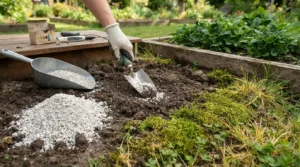
Dig out the entire taproot with a trowel while the soil is damp, which loosens the soil enough for the root to come free intact. Leaving even a small piece of root behind lets the plant regrow from that fragment, so a clean, complete removal matters more than speed.
How Do You Stop Bindis From Coming Back Long-Term?
Since bindi specifically colonizes bare and thin patches, maintaining a thick, dense lawn through proper mowing height and consistent watering is the most effective long-term prevention — dense turf simply leaves no bare soil for the seed bank to establish in. Aerating compacted soil supports the root density that crowds bindi out, and identifying weed pressure generally through our complete lawn weed guide helps catch other opportunistic weeds establishing in the same thin patches.
Frequently Asked Questions
Do pre-emergent herbicides work on bindi?
Yes, and they work differently than the selective post-emergent spray covered above. Applied in early autumn before germination, a pre-emergent stops bindi seeds already in the soil from sprouting at all, rather than treating plants that have already established.
How long do bindi seeds survive in soil?
Several years. That seed bank is why a single season of spraying or hand-pulling rarely eliminates bindi for good; a multi-year approach combining pre-emergent timing with a thickening lawn is what actually depletes the seed reserve over time.
Are bindi seed heads harmful to pets?
Yes. The same sharp, barbed seed heads that hurt bare feet can lodge in a dog’s paw pads or between toes, sometimes causing swelling or infection if not removed. Pets that frequent a bindi-prone lawn are worth checking after they’ve been outside during peak seed season.
A consistently watered, dense lawn is the single best long-term defense against bindi re-establishing in bare patches. The Aiper IrriSense 2 smart irrigation system keeps watering steady enough to support that density rather than the inconsistent moisture that leaves lawns thin and vulnerable.
Get more pool and lawn care guides from Aiper on Google