Can You Spray Weed Killer on Wet Grass?

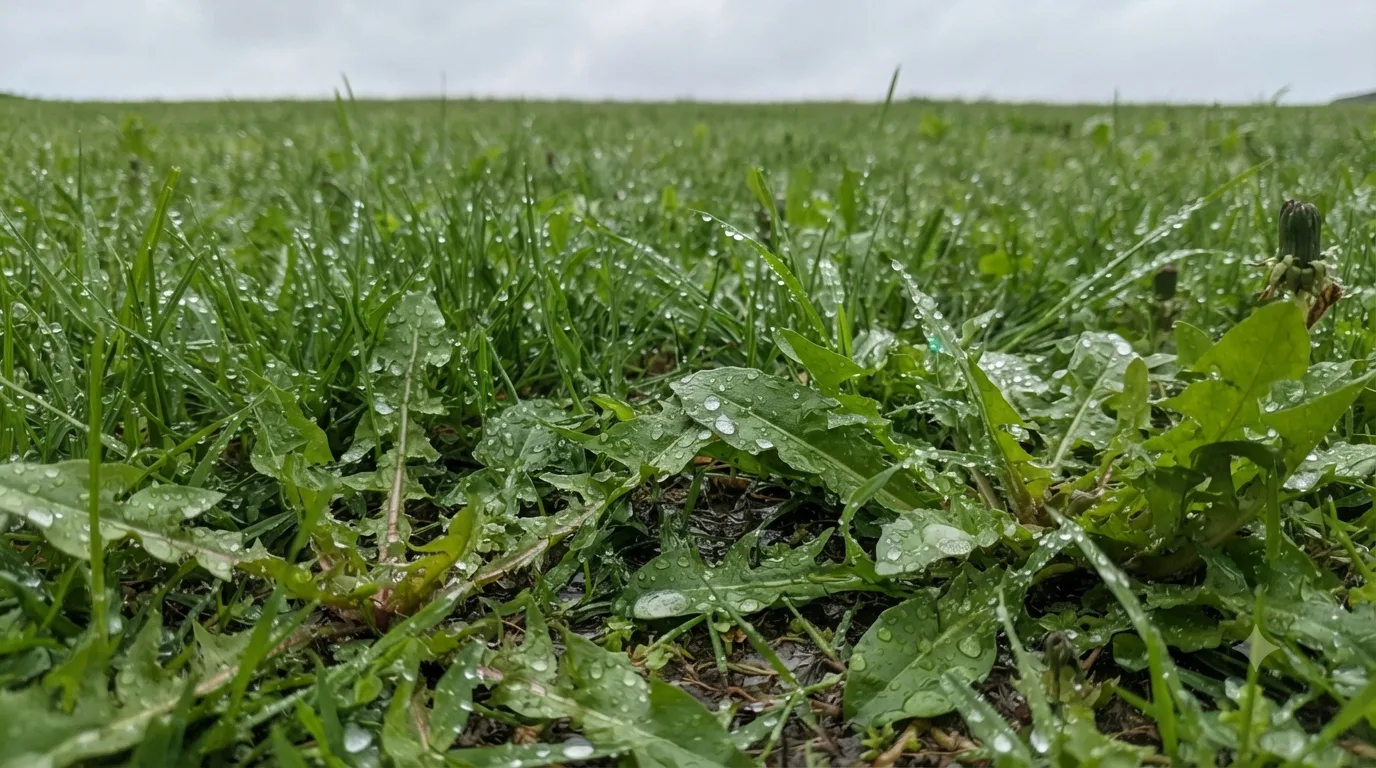
How long to wait before spraying weed killer after rain is a timing question almost every homeowner runs into eventually: the weeds are visible, the forecast isn’t cooperating, and spraying now versus waiting a day feels like it shouldn’t matter this much. It does — wet grass dilutes and washes off herbicide before it can absorb, so the answer is to wait until leaves are visibly dry, typically a few hours to a full day depending on conditions. The full timing breakdown, including how to plan around rain in either direction, is below. Damp conditions cause more than herbicide timing problems, too — they’re the same conditions covered in our guide to getting rid of lawn moss. A tougher case is nutsedge; our guide on how to get rid of nutsedge explains why spraying and pulling both need a plan.
Why Does Spraying Weed Killer on Wet Grass Fail?
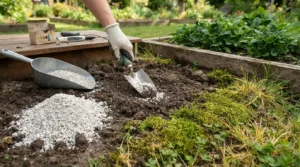
Systemic herbicides, whether targeting dandelions, crabgrass, or other broadleaf weeds, need to absorb into the leaf surface to work. Water droplets on wet grass dilute the herbicide and cause it to bead up and run off before it can penetrate the plant. A diluted application can cause visible surface wilting while leaving the root system untouched, which is why weeds treated on wet grass often look damaged for a few days, then bounce back — the same root system that makes bindis so stubborn, which is why getting rid of bindis in your lawn is its own project. Bindi is one of several spiky invaders, and our guide covers removing prickly weeds and burrs from your lawn end to end.
Runoff isn’t just a wasted-product problem — the EPA has flagged herbicide runoff from wet-surface applications as an environmental and waterway contamination risk, which is a second reason to wait for dry conditions rather than just a performance one. Over-application causes a different kind of trouble on the grass itself — how to fix an over-fertilized lawn before turf dies covers the flush, water, and repair sequence.
Does Grass Need to Be Completely Dry Before Spraying Weed Killer?
Yes. The leaf surface needs to be dry enough that herbicide droplets stay put and absorb rather than beading and running off. This applies to standing water from rain, irrigation, and morning dew equally — the cause of the moisture doesn’t change the chemistry. Bulb weeds make timing mistakes costlier — spray wild onion at the wrong moment and the bulb just pushes new leaves, which is why killing onion grass in your lawn permanently needs the right window.
Can You Spray Weed Killer on Grass With Dew on It?
No, for the same reason as rain-wet grass: dew forms a thin water layer that dilutes and displaces herbicide before it absorbs. Morning dew typically evaporates within a few hours of sunrise depending on humidity and temperature, so waiting until mid-morning is usually enough on a clear day.
Can You Spray Weed Killer Before It Rains?
It depends on the product’s “rainfast” time — how long the herbicide needs to stay on the leaf, undisturbed, before rain won’t wash it away. Rainfast windows vary by product, from as little as 30 minutes to several hours. Check the label, then check the forecast for a clear window of 24 to 48 hours before and after application to be safe, and account for wind, which affects spray drift and accuracy independent of rain timing.
How Long After It Rains Can You Spray Weed Killer?
Wait until the grass and weed leaves are visibly dry, which typically takes a few hours to a full day depending on sun, wind, and how heavy the rain was. There’s no fixed universal number, since drying time depends entirely on conditions — checking the actual leaf surface is more reliable than counting hours.
Weather Conditions and Weed Control: Quick Reference
| Condition | Action |
|---|---|
| Wet grass (rain, irrigation, or dew) | Wait until leaves are visibly dry before spraying |
| Rain expected soon | Check the product’s rainfast window against the forecast before spraying |
| Dry, no rain expected for 24-48 hours | Optimal window to spray |
How Do You Reduce Weed Pressure Without Chasing the Perfect Spray Window?
Overwatering a lawn creates the exact damp, inconsistent conditions that both encourage weed germination and ruin herbicide timing. Cool-season annuals love that moisture most — dealing with hairy bittercress in a lawn follows the same damp-conditions logic. A smart irrigation system that waters on a schedule matched to actual soil and weather conditions, rather than a fixed timer, reduces how often the lawn sits wet when you’d otherwise want to spray. Warm-season spreaders like bahia grass are just as sensitive to this timing, and our guide on how to get rid of bahia grass in a lawn covers the right spray window for that species specifically.
Frequently Asked Questions
How soon after spraying weed killer can you run sprinklers or water the lawn?
Wait until the product’s rainfast window has passed before irrigating, the same rule that applies to unexpected rain. Turning sprinklers on early undoes the treatment the same way a storm would, since the herbicide hasn’t had time to absorb yet.
Does hot weather cause problems when spraying weed killer, even on dry grass?
Yes. Most labels caution against spraying above roughly 85 to 90 degrees Fahrenheit, since heat stress can cause the herbicide to volatilize or damage the turfgrass itself, separate from any moisture issue.
Is it safe to let kids or pets on the lawn right after spraying dry grass with weed killer?
Most product labels recommend keeping people and pets off treated grass until the spray has fully dried, typically a few hours, even when the grass was dry at the time of application. Check the specific label, since re-entry times vary by product.
Consistent, weather-aware watering does more for long-term weed pressure than any single spray decision. The Aiper IrriSense 2 smart irrigation system adjusts watering to actual soil and weather conditions instead of a fixed schedule, cutting the overwatering that helps weeds take hold in the first place.
Get more pool and lawn care guides from Aiper on Google