
The pool itself is just the beginning. The structures around it — pool houses, cabanas, pergolas, outdoor kitchens, and changing rooms — define how you actually live in your backyard. They provide shade, shelter, privacy, and practical utility while shaping the overall aesthetic. We have gathered 41 of the best pool house, cabana, pergola, outdoor kitchen, and pool bathroom ideas, each with a real photo and realistic guidance on cost, space requirements, permitting, and which backyard size each option suits. Whether you have a sprawling estate or a compact urban lot, there is a structure here that will make your pool area more functional and beautiful.
Pool House Designs: From Lounge to Guest Suite
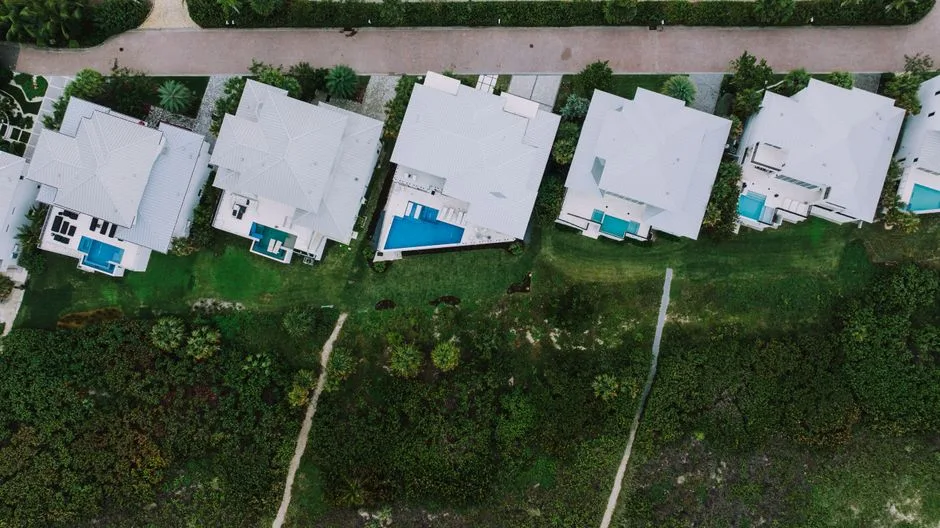
Classic Pool House Retreat
A dedicated pool house — even a modest 10×12-foot structure — transforms how your family uses the backyard. At minimum, it provides a shaded lounge area with comfortable seating, a place to escape the midday sun, and dry storage for pool toys and floats. A well-designed pool house becomes the natural hub of backyard activity: kids change out of wet swimsuits, guests gather for drinks, and the indoor-outdoor flow makes the pool feel like a resort. Expect to spend $15,000–$40,000 for a basic finished pool house, depending on size, foundation, and utility connections.
Photo by K on Pexels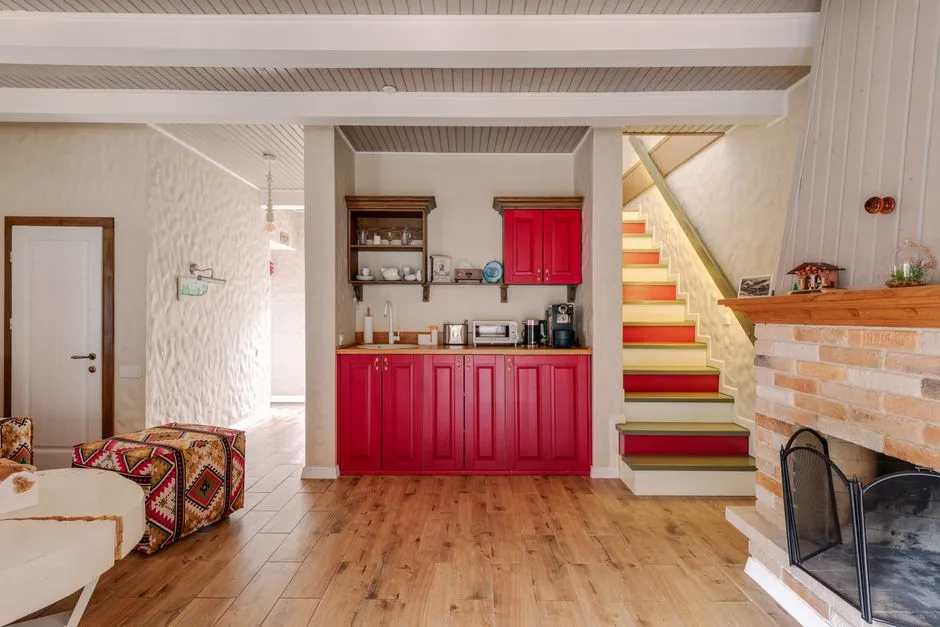
Pool House with Lounge & Kitchenette
Adding a small kitchenette — mini-fridge, sink, microwave, and a countertop — turns a simple pool house into an all-day entertaining space. No more running back to the main house for cold drinks or snacks. A wet bar with barstools along a pass-through window to the pool deck is one of the most requested features in pool house design. Budget $25,000–$55,000 for a pool house with plumbing, electrical, and basic kitchen cabinetry. The kitchenette does not need to be full-size: even a 6-foot run of counter with an under-counter fridge transforms the experience.
Photo by Max Vakhtbovych on Pexels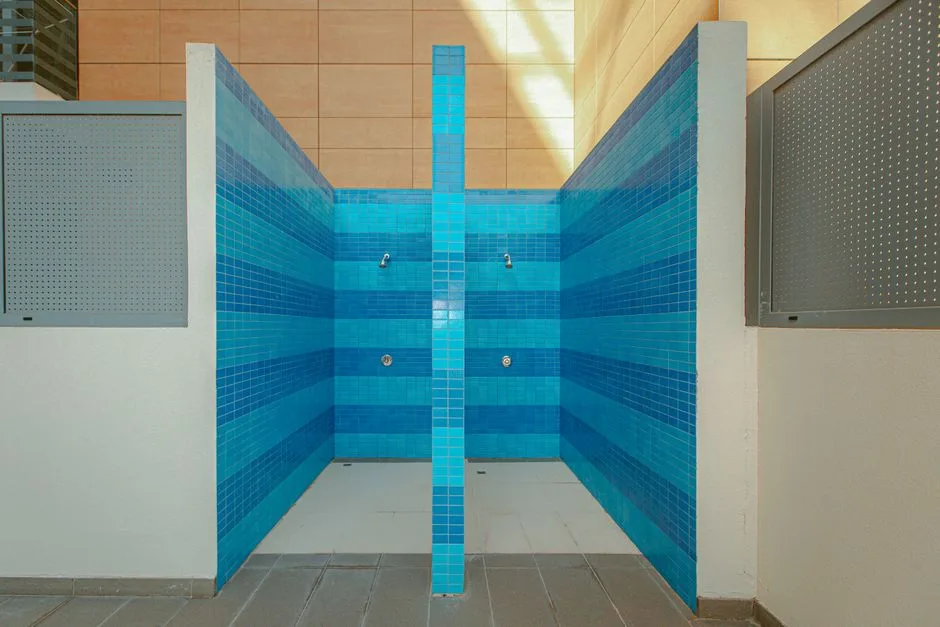
Pool House with Full Bathroom
A pool house bathroom solves the biggest practical headache of pool ownership: wet feet tracking through the main house. Include a toilet, sink, and shower (an outdoor-rinsing shower just outside the bathroom door is an ideal pairing), and your pool house becomes a self-contained facility that keeps the mess entirely outdoors. This also makes the pool house viable as overflow guest accommodation. A full bathroom adds $10,000–$25,000 to the build cost depending on plumbing distance from the main sewer line and finish level.
Photo by Denys Gromov on Pexels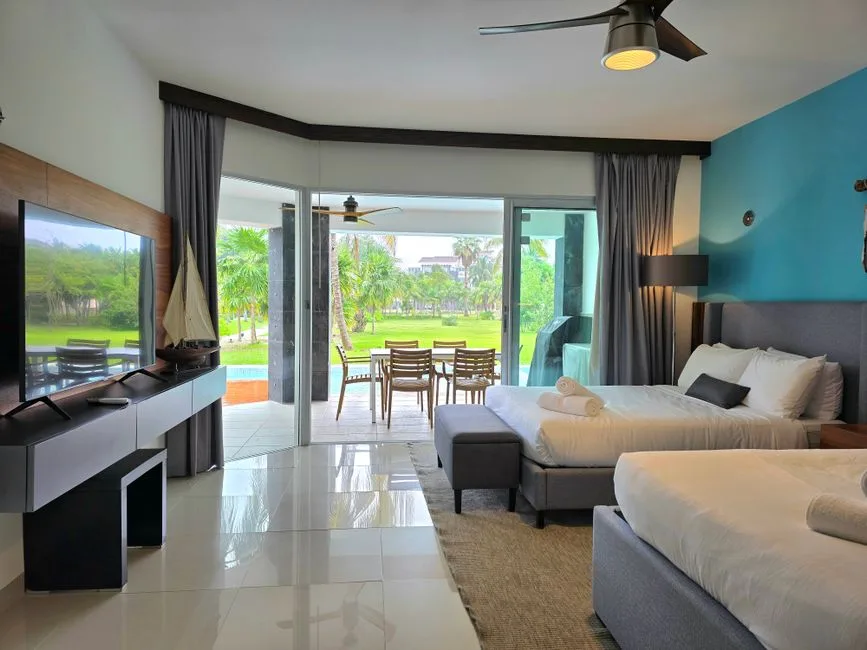
Guest Suite / ADU Pool House
A pool house built to ADU (Accessory Dwelling Unit) standards — with a bedroom, bathroom, kitchenette, and climate control — doubles as a legal guest suite or rental unit. This is the highest-value pool house configuration: it adds square footage to your property, can generate rental income, and may increase your home’s appraised value. The trade-off is cost ($60,000–$150,000+) and a more complex permitting process with stricter building code requirements. Check your local zoning before drawing plans — not all residential lots allow detached ADUs.
Photo by hugoteconecta on Pexels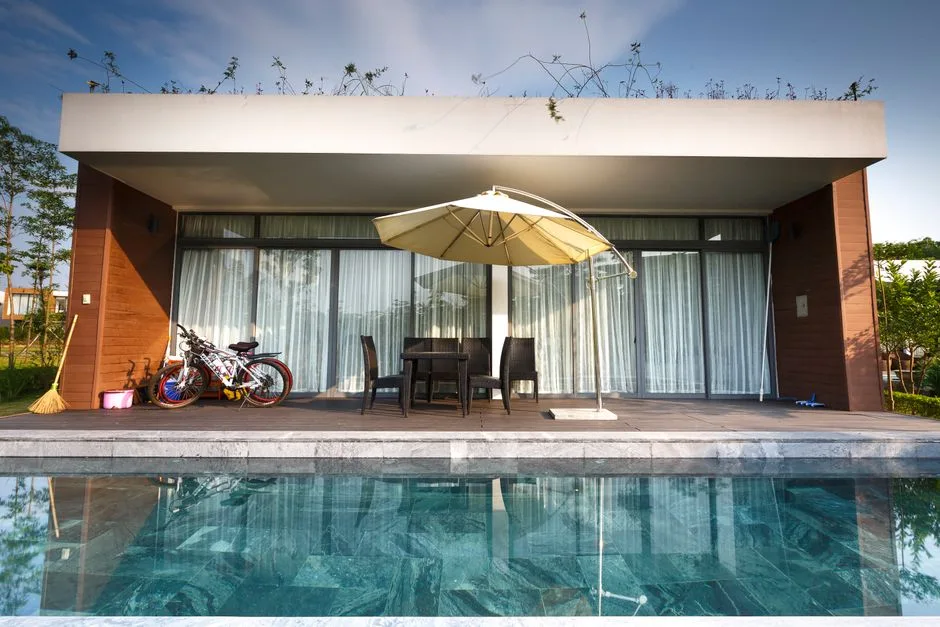
Modern Glass-Walled Pool House
Floor-to-ceiling glass doors and windows — especially sliding or bi-fold panels that open completely — erase the boundary between the pool house interior and the pool deck. When the doors are open, the lounge space and patio merge into one continuous entertaining area; when closed, you still get the visual connection and natural light. Aluminum-frame sliding glass systems (NanaWall, LaCantina) are the gold standard but cost $800–$1,500 per linear foot. A more budget-friendly alternative: a row of French doors across the pool-facing wall ($2,000–$5,000 total).
Photo by Quang Nguyen Vinh on Pexels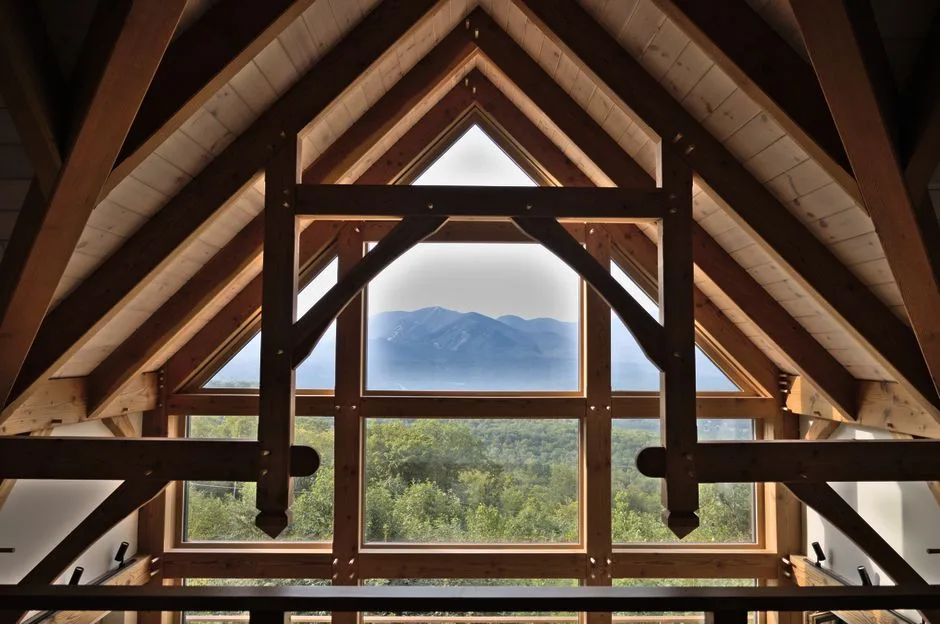
Rustic Timber-Frame Pool House
A timber-frame pool house with exposed beams, a vaulted ceiling, and natural wood siding brings warm, organic character that softens the hardscape around a pool. The heavy timber construction (oak, Douglas fir, or cedar) is inherently beautiful and requires no interior drywall — the structure is the finish. Timber-frame kits from specialty manufacturers start around $20,000 for the frame alone; full build-out with roof, siding, windows, and interior finishes typically runs $40,000–$80,000. The style pairs especially well with naturalistic, freeform pools and wooded lots.
Photo by Phil Evenden on Pexels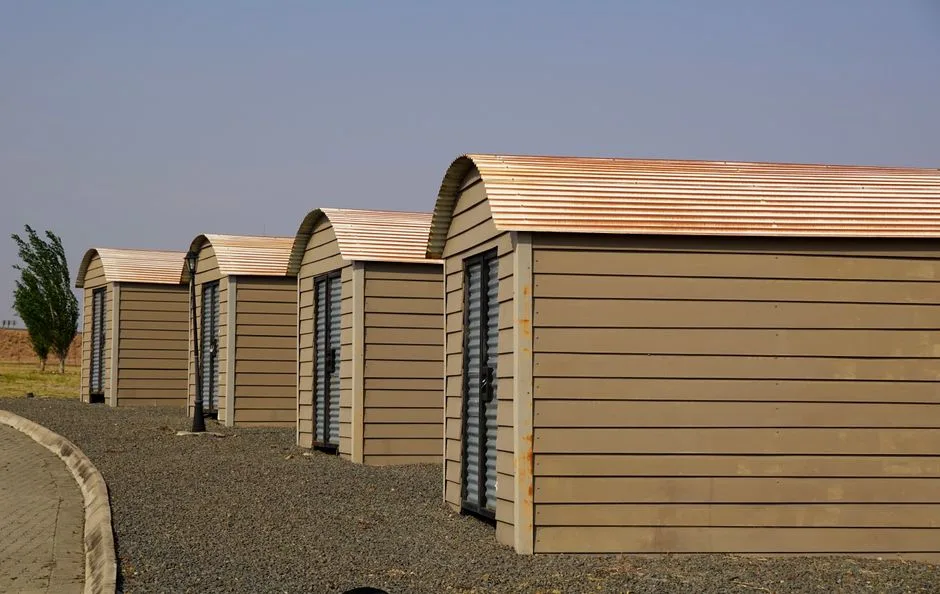
Compact Shed-Style Pool House
A shed-style pool house — essentially an upgraded garden shed with finished interior, windows, and French doors — is the most budget-friendly way to add poolside shelter. Prefab shed companies (Tuff Shed, Studio Shed) offer 8×10 to 12×16-foot models that can be customized with insulation, drywall, flooring, and electrical for a turnkey cost of $8,000–$18,000. The single-slope shed roof (higher on one side than the other) gives it a clean, modern silhouette that avoids the generic look of a basic gable shed. Add a small covered porch on the pool side for shade and storage.
Photo by Magda Ehlers on Pexels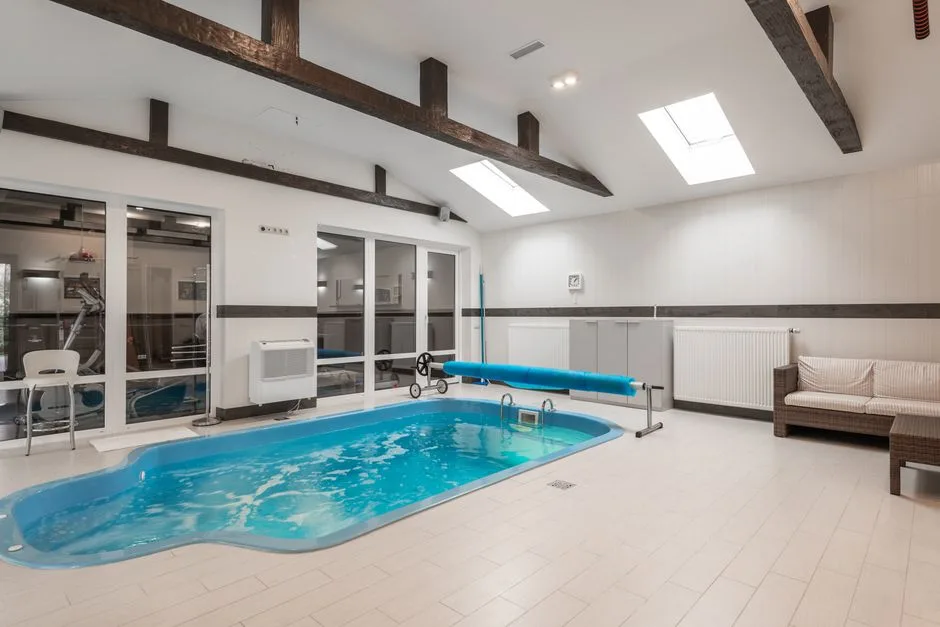
Multi-Purpose Pool House (Gym + Lounge)
Why limit the pool house to one function? A versatile layout might include a lounge zone with sofa and TV on one side, a compact home gym (treadmill, yoga mats, free weights) on the other, and a bathroom/changing area in between. The gym benefits from the natural light and poolside motivation; the lounge gives you a recovery zone steps from both the workout area and the water. Plan for at least 250–350 square feet to comfortably accommodate both functions, and make sure the gym zone has durable, slip-resistant flooring that can handle damp feet.
Photo by Max Vakhtbovych on Pexels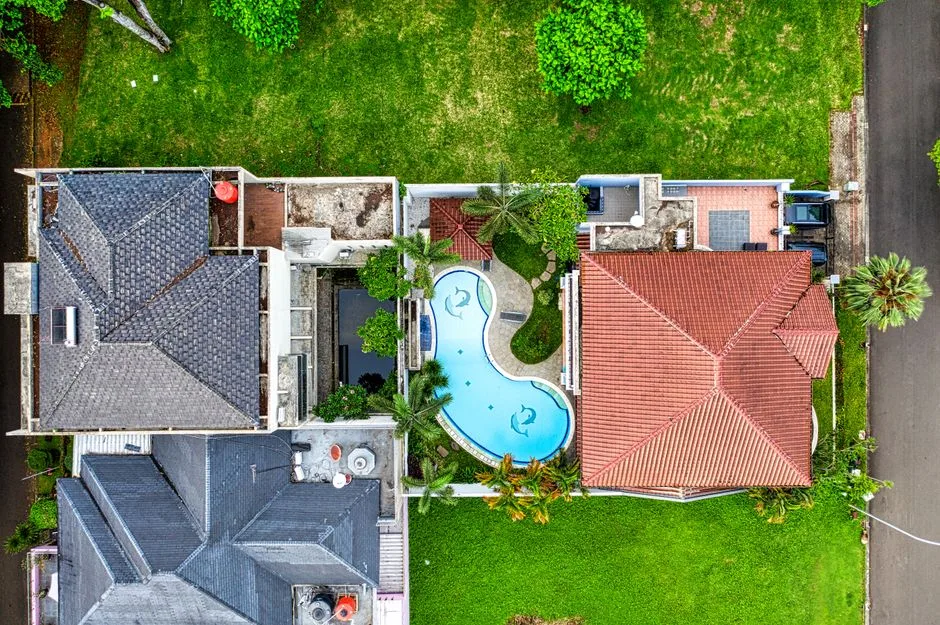
Two-Story Pool House with Rooftop Terrace
A two-story pool house puts the lounge, bathroom, and kitchenette on the ground floor and a rooftop terrace or second-story deck above — giving you an elevated view across the pool and backyard. The upper level can serve as a sun deck, outdoor dining space, or even a sleeping porch. This design works best on sloped lots where the ground naturally steps down toward the pool, making the second story accessible from the uphill side. Structural engineering and stair access add significantly to cost ($70,000–$120,000+), but the elevated vantage point is impossible to replicate with any single-story structure.
Photo by Tom Fisk on PexelsCabanas & Poolside Daybeds: Lounging in Style
Open-Air Pool Cabana with Daybed
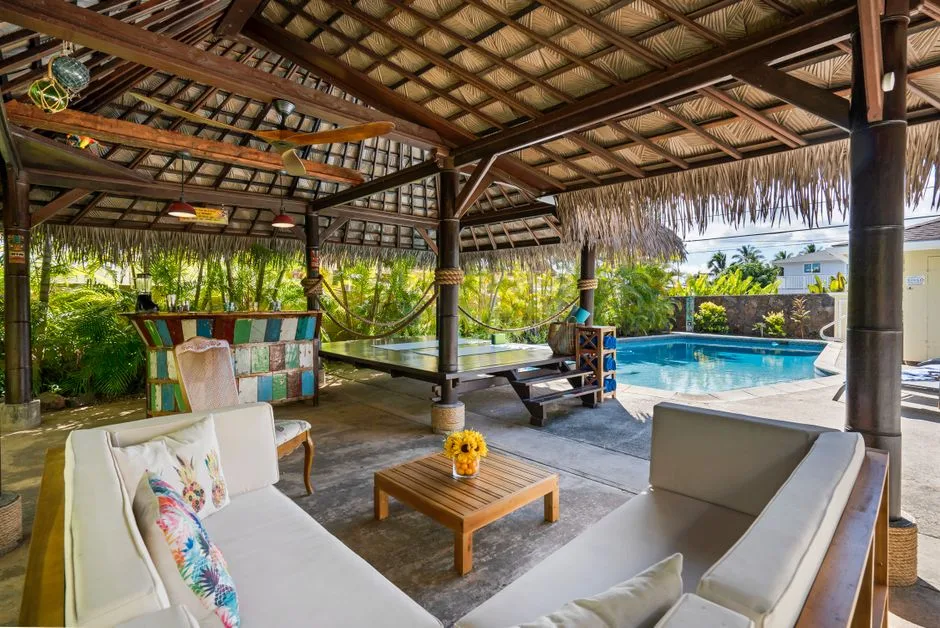
The classic pool cabana — a simple roof on four posts with a large daybed or lounge seating underneath — delivers maximum relaxation with minimum structure. Unlike a full pool house, an open-air cabana does not need walls, insulation, or windows, making it far more affordable ($3,000–$10,000). The daybed itself is the star: a king-size or custom-built mattress with weather-resistant Sunbrella cushions, piles of outdoor pillows, and billowy sheer curtains for optional shade. Position the cabana to catch the prevailing breeze and frame the best view of the pool.
Photo by Jason Boyd on Pexels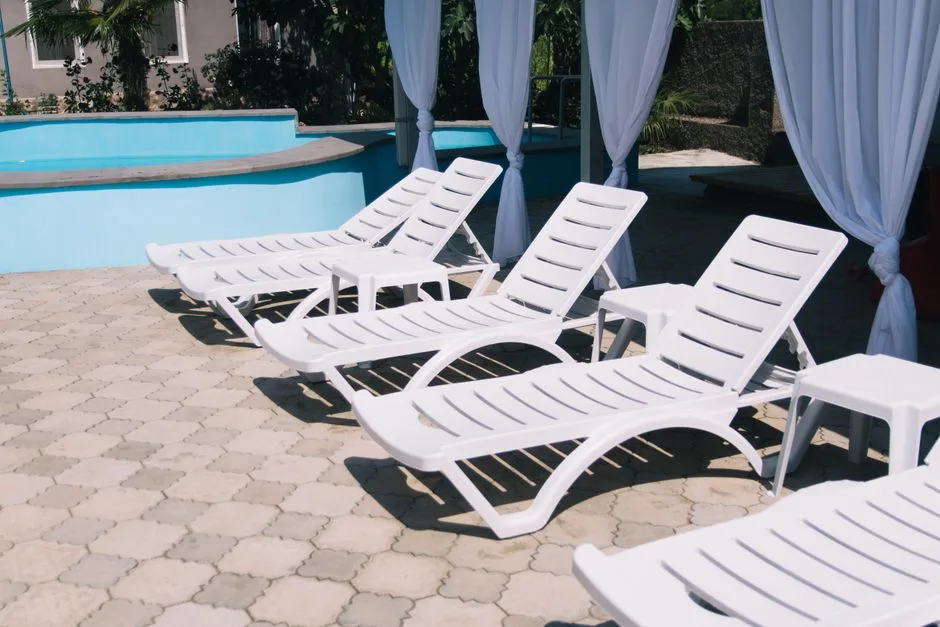
Curtained Cabana with Privacy Drapes
Adding outdoor-grade curtain panels to all four sides of a cabana creates a private, almost room-like enclosure that can be opened or closed in seconds. Draw the curtains for shade during the hottest part of the day, for privacy while changing, or to create a cozy, tented atmosphere for evening lounging. Use UV-resistant, water-repellent outdoor fabric (Sunbrella or Outdura) in a light, breezy color — white, ivory, or pale gray — to keep the interior bright even when the curtains are drawn. Budget $5,000–$14,000 for a curtained cabana with a quality daybed.
Photo by Алексей Вечерин on Pexels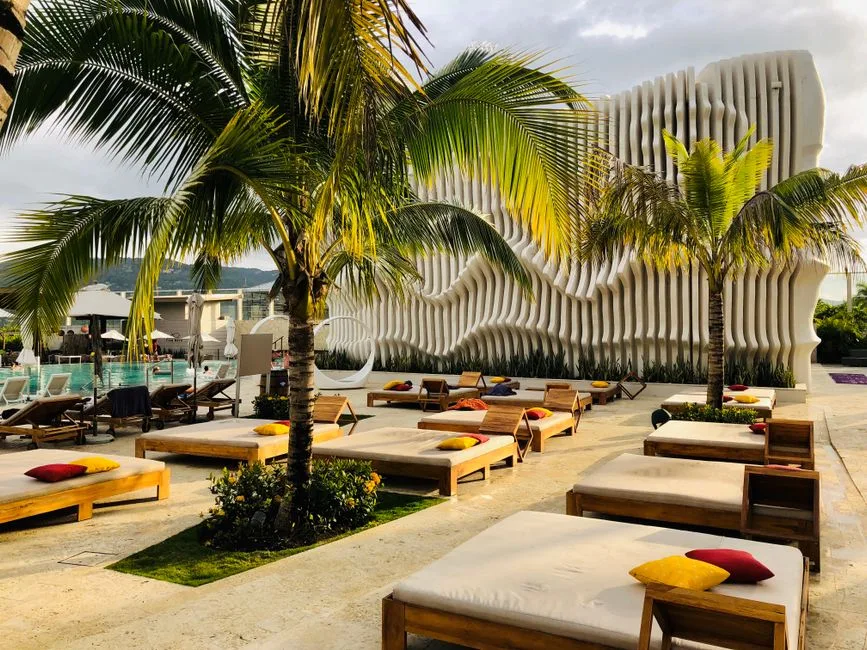
Freestanding Poolside Daybed Pavilion
A daybed pavilion is a cabana stripped down to its purest form: a canopy or roof structure designed around a single oversized daybed, often with no other furniture. The focus is entirely on the experience of lying in dappled shade next to the water, reading, napping, or watching kids swim. A pavilion can be as simple as a powder-coated aluminum frame with a canvas canopy and a round daybed ($2,000–$5,000) or as elaborate as a custom timber structure with a built-in upholstered platform ($8,000–$18,000).
Photo by Kevin Williams on Pexels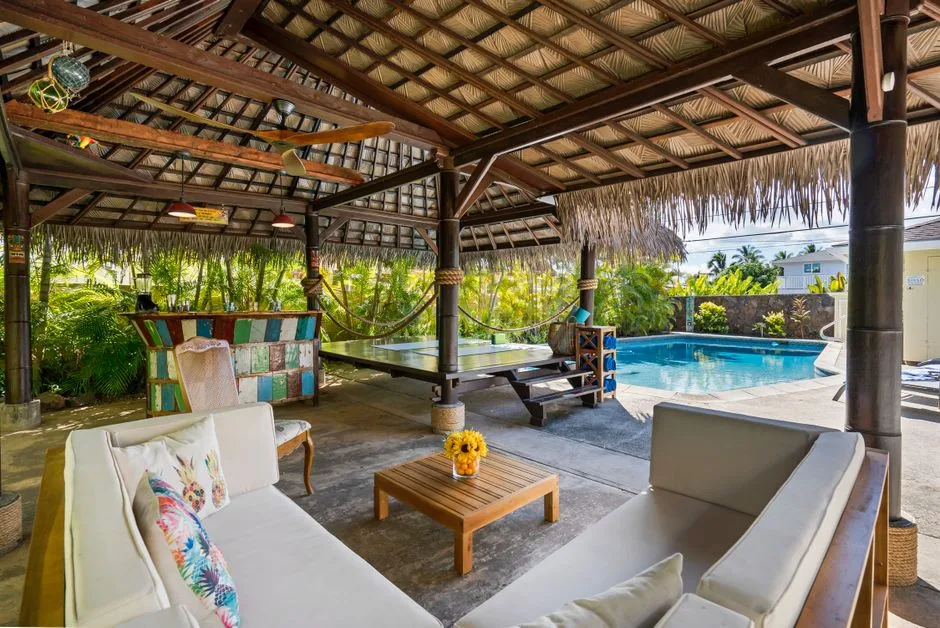
Thatched-Roof Tiki Cabana
A thatched-roof cabana — palm frond or synthetic thatch over a wood or bamboo frame — instantly transports the pool area to a tropical resort. The thick thatch provides excellent natural insulation (cooler underneath than a solid roof), and the organic texture contrasts beautifully with smooth pool water and stone decking. Synthetic thatch (made from UV-stabilized polyethylene) lasts 10–15 years versus 3–5 years for natural palm, though purists prefer the authentic look and smell of natural thatch. A tiki cabana with bar counter and bamboo barstools is the ultimate staycation upgrade at $4,000–$12,000.
Photo by Jason Boyd on Pexels
Modern Minimalist Cabana
A minimalist cabana uses clean lines, a flat or low-pitched roof, and a restrained material palette — white stucco or smooth concrete, dark metal framing, and warm wood accents — to create a structure that reads as architectural rather than recreational. The design language matches contemporary homes and geometric pools. Furnishings are equally edited: a pair of sleek lounge chairs, a small side table, and nothing else. At $6,000–$18,000, this is the cabana equivalent of a modern interior room, just without walls.
Photo by Margo Evardson on Pexels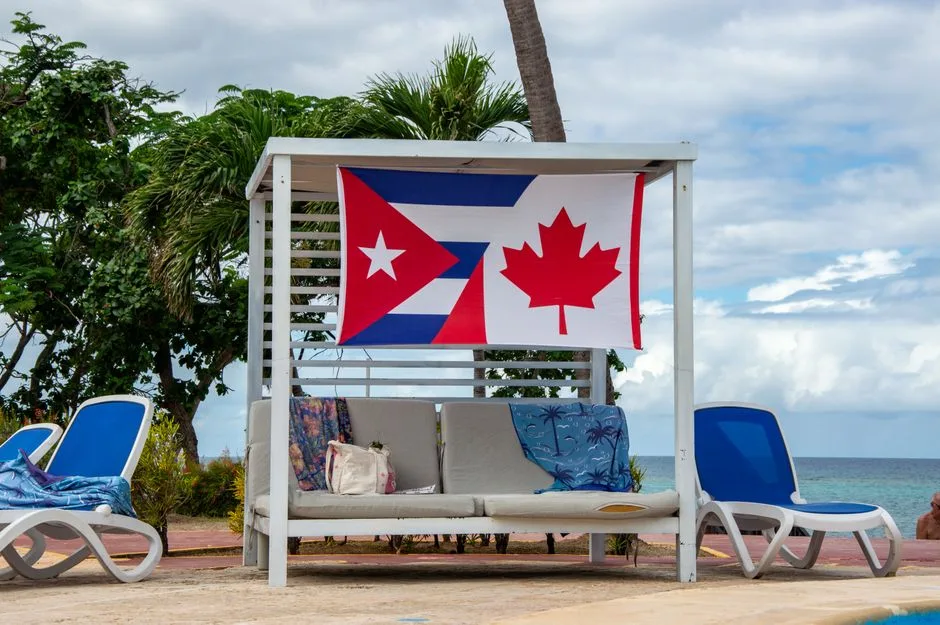
Double Daybed / Conversation Cabana
Instead of one large daybed, this cabana pairs two facing daybeds or deep-seating sofas with a low table between them — creating a shaded conversation zone for four to six people. It is the poolside equivalent of a living room, perfect for pre-dinner drinks, post-swim relaxation, or supervising kids in the pool from a comfortable distance. Ceiling fans mounted to the cabana rafters keep air moving on still days. Budget $5,000–$15,000 for the structure plus $2,000–$5,000 for quality outdoor furniture.
Photo by Vika Glitter on Pexels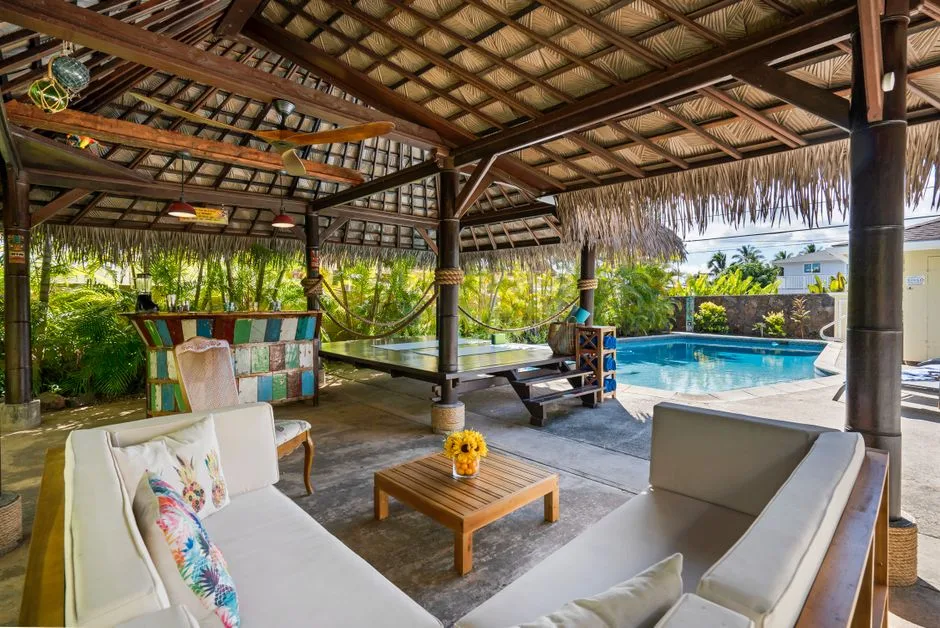
Cabana with Built-In Storage & Bar
A cabana that incorporates a built-in storage bench, a small counter with an under-counter fridge, and open shelving for glassware combines lounging, storage, and serving in one compact footprint. The storage bench holds pool toys, floats, and cleaning supplies out of sight; the bar counter means drinks stay poolside. This is an especially smart configuration for smaller yards where a full pool house is not feasible. The entire package — structure, built-ins, fridge, and daybed — typically runs $8,000–$20,000.
Photo by Jason Boyd on Pexels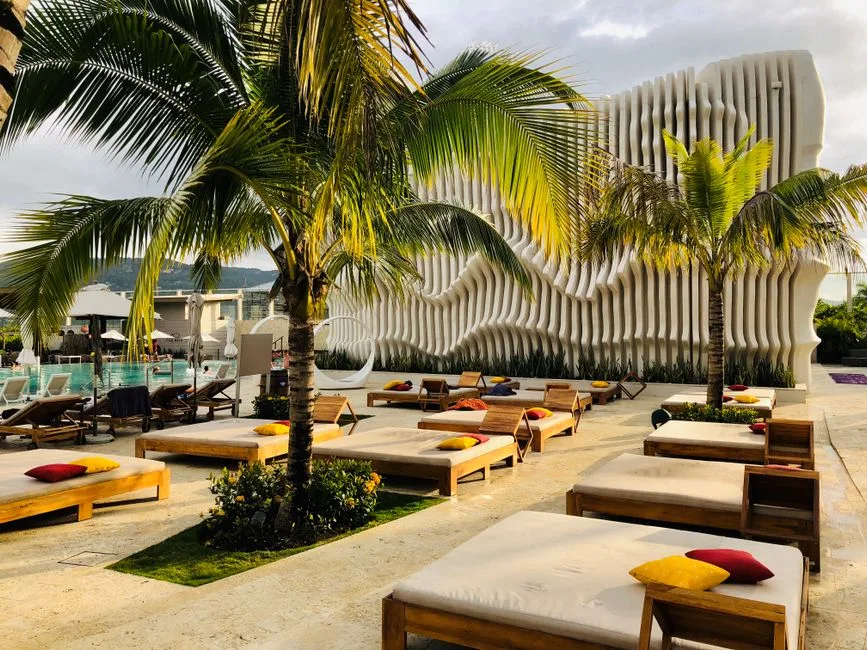
Hanging Daybed & Hammock Nook
A suspended daybed or large hammock hung from a sturdy pergola or cabana frame adds a gentle, swaying relaxation spot that feels more playful than a stationary lounger. A queen-size rope hammock or a hanging rattan daybed chair fits well under a standard pergola beam. For something more substantial, a custom-built hanging daybed platform (like an oversized porch swing) can accommodate two or three people. The structure must be engineered for the dynamic load — a standard pergola’s cross beams may need reinforcement to safely support a swinging daybed. Budget $2,000–$6,000 for the hanging element plus any structural reinforcement needed.
Photo by Kevin Williams on PexelsPergolas & Shade Structures: Open-Air Overhead
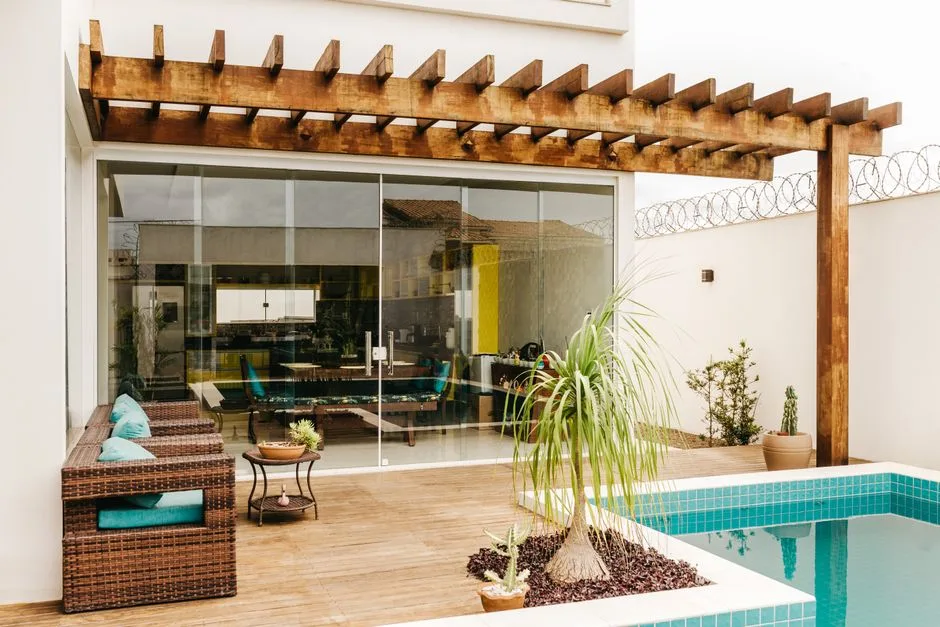
Classic Wood Beam Pergola Over the Pool
A wood pergola spanning all or part of the pool area — often over the shallow end, entry steps, or an attached spa — creates filtered shade that moves throughout the day as the sun angle changes. The open-slat roof lets dappled light through while cutting direct sun exposure by 50–70%, depending on slat spacing. Cedar and redwood are the preferred woods for their natural rot and insect resistance; pressure-treated pine is the budget alternative. A 12×16-foot cedar pergola over a pool typically costs $6,000–$14,000 installed, including footings poured into the pool deck.
Photo by Jonathan Borba on Pexels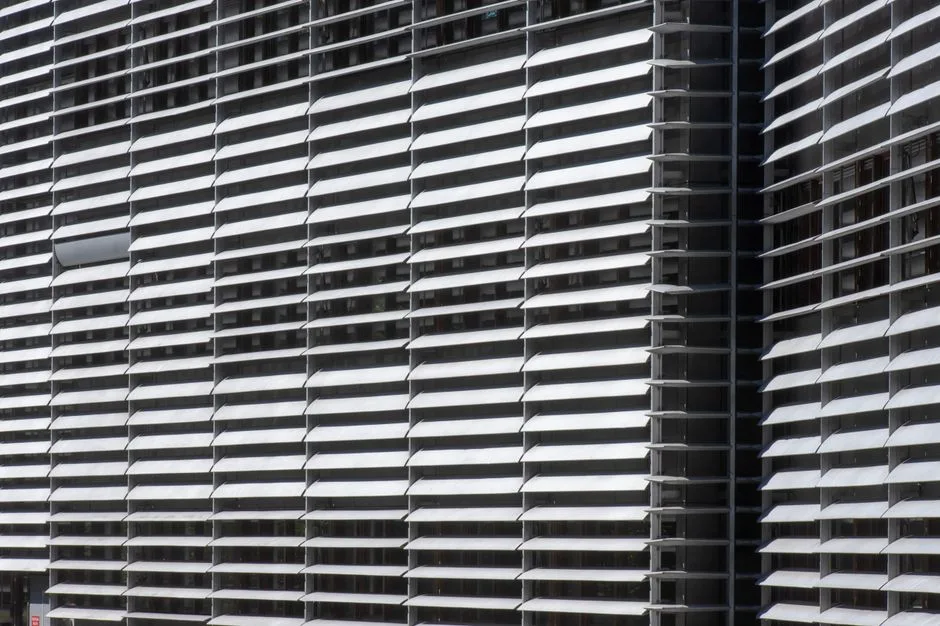
Modern Aluminum Louvered Pergola
A motorized louvered pergola — with rotating aluminum slats that open and close at the touch of a remote — gives you total control over shade, ventilation, and rain protection. Close the louvers for full shade and waterproof coverage during a rain shower; tilt them open for sunshine and stargazing. Brands like StruXure, Equinox, and Brustor dominate this category. These systems are the most technically advanced shade solution available for pools, and pricing reflects it: $15,000–$35,000+ for a motorized louvered pergola over a poolside area.
Photo by Jan van der Wolf on Pexels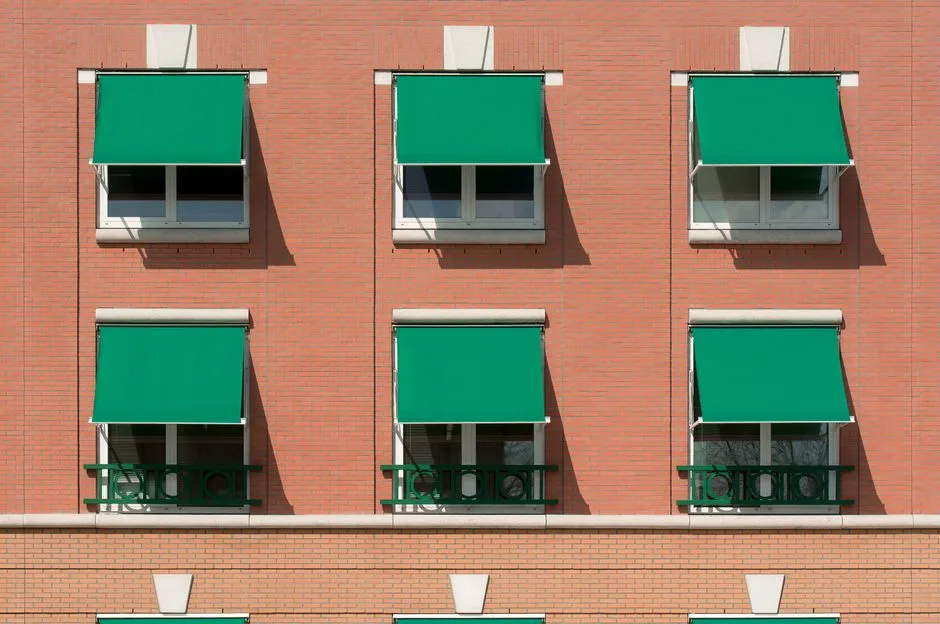
Retractable Canopy / Awning System
A motorized retractable awning — mounted to the house wall or a freestanding frame — extends shade over the pool deck on demand and retracts completely when not needed. Unlike a fixed pergola, a retractable system takes up zero visual space when stowed. Lateral-arm awnings from brands like SunSetter and Aleko can project 10–16 feet from the mounting point, covering a substantial deck area. Prices range from $1,500 for a manual-crank model to $4,000–$8,000 for a motorized awning with wind and sun sensors that auto-retract in high wind.
Photo by Jan van der Wolf on Pexels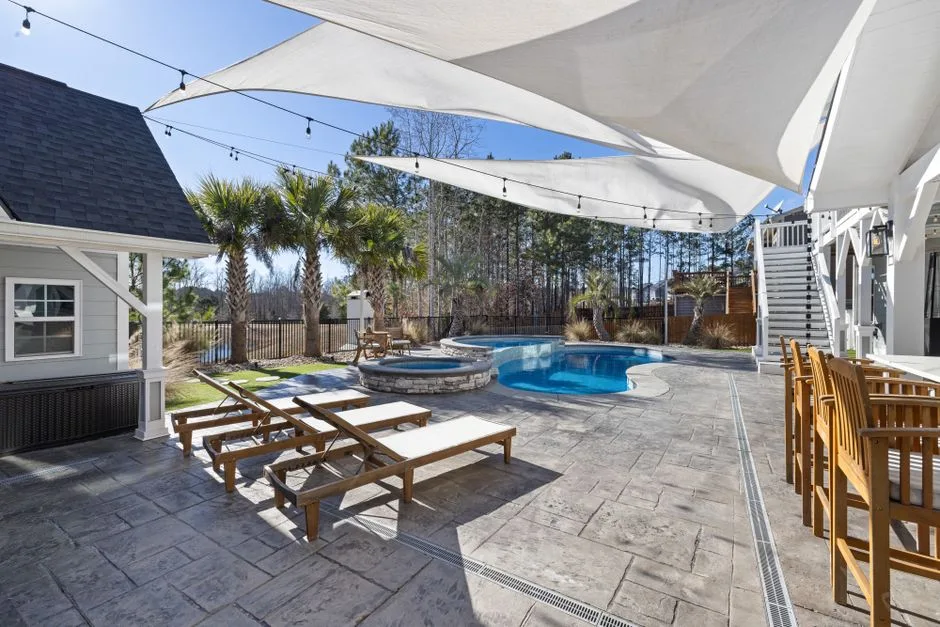
Triangle Shade Sail Installation
Shade sails — tensioned fabric panels stretched between anchor points — are the most affordable and flexible way to add shade over a pool or deck area. A single large triangle sail (16×16×16 feet) covers roughly 110 square feet and costs $200–$800 for commercial-grade HDPE fabric with reinforced edges and stainless steel D-rings. Multiple sails can be overlapped at different heights and angles for architectural drama. The key to a good sail installation: sturdy anchor posts (6×6 pressure-treated timber or steel, set in concrete footings) and proper tensioning with turnbuckles to prevent flapping in wind. A professional multi-sail setup with posts typically costs $2,500–$6,000.
Photo by Curtis Adams on Pexels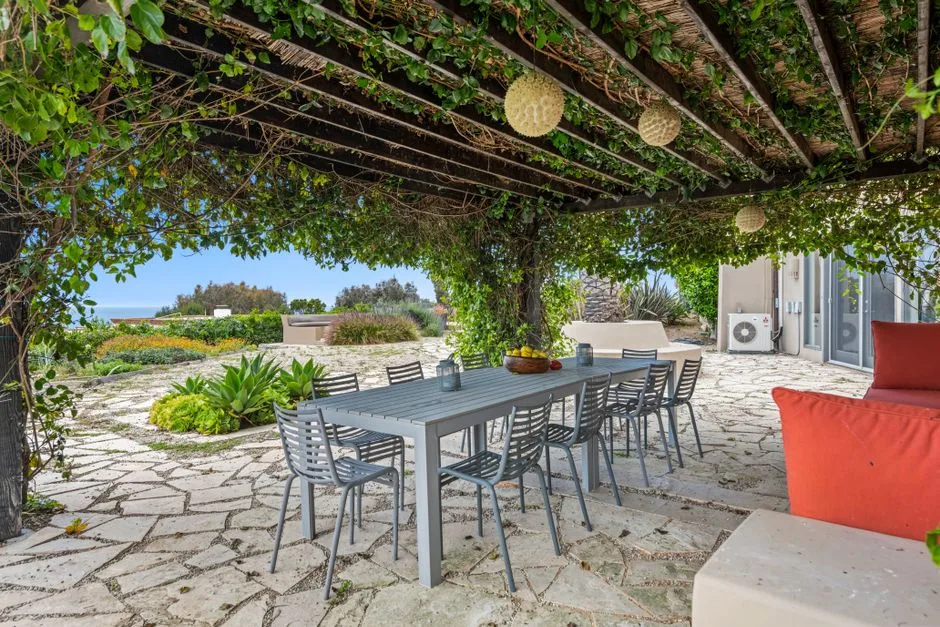
Vine-Covered Pergola with Greenery
A pergola covered in climbing plants — wisteria, grape vines, bougainvillea, or climbing roses — creates a living roof that provides shade, fragrance, and seasonal color. The plant canopy cools the air underneath through evapotranspiration, making a vine-covered pergola noticeably cooler than a bare one on a hot day. The trade-off is patience: it takes 2–4 years for vines to fully cover a pergola, and the structure must be built sturdy enough to support the weight of mature woody vines plus snow load if applicable. Annual pruning is required to keep growth in check and prevent the vines from damaging the structure.
Photo by hi room on Pexels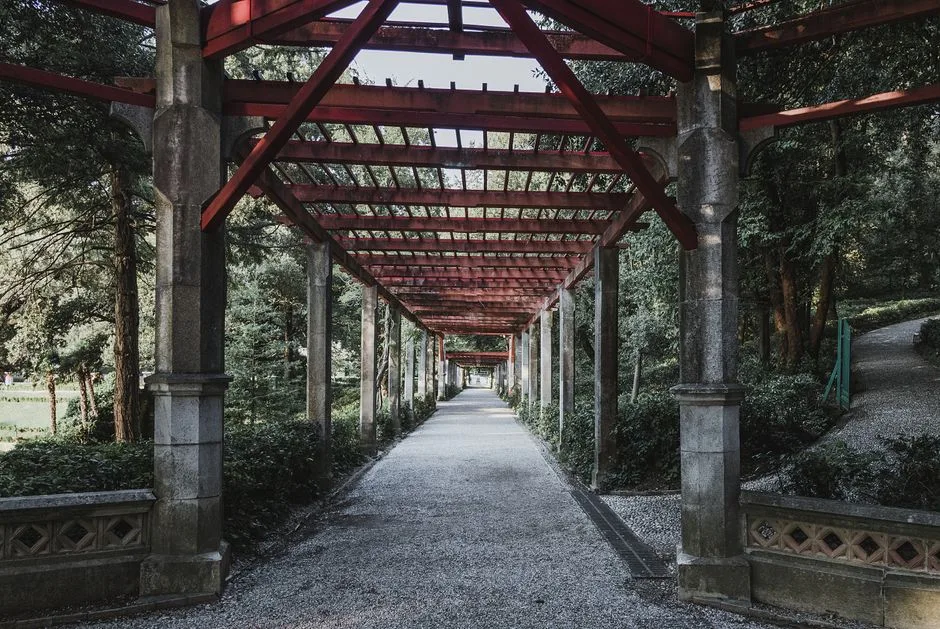
Steel-Frame Industrial Pergola
A steel-frame pergola — using square or I-beam steel posts and cross members, often with a rust-patina Corten steel finish — brings an edgy, industrial aesthetic that contrasts dramatically with soft pool water and natural landscaping. Steel structures are incredibly durable (50+ years with proper coating) and can span longer distances with thinner members than wood, creating a lighter visual profile. Powder-coated black or dark bronze steel frames are popular for modern farmhouse and industrial-chic pool designs. Expect to pay $8,000–$18,000 for a powder-coated steel pergola; Corten (weathering) steel adds a premium.
Photo by David Bartus on Pexels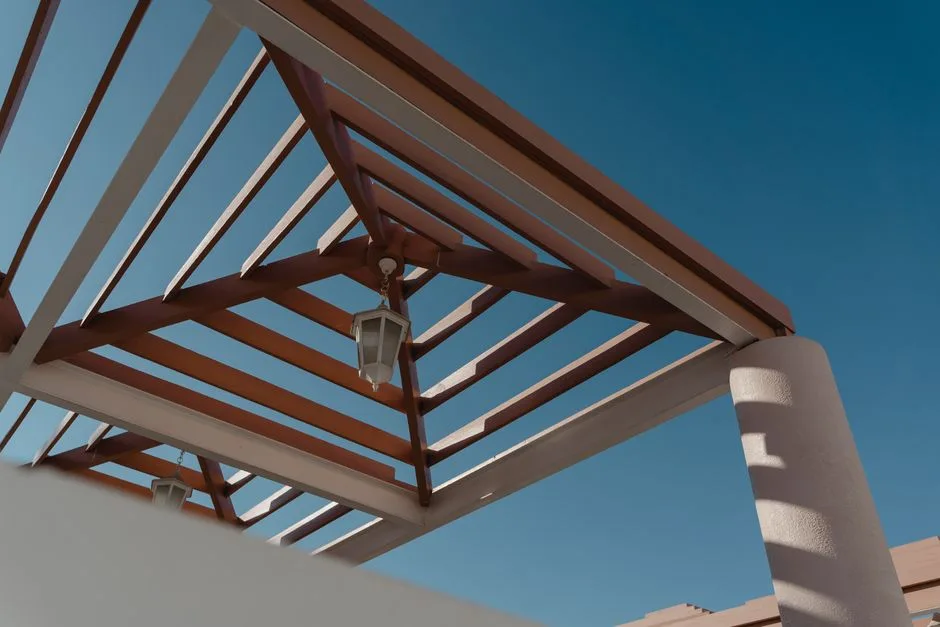
Mixed Pergola + Solid Roof Combo
A hybrid shade structure combines an open-slat pergola section (for filtered light and air flow) with a solid-roof section (for waterproof shelter over a seating or kitchen area). This is the pragmatic choice: the solid-roof portion protects the outdoor kitchen, dining table, or TV from rain, while the open pergola section over the pool or lounge chairs keeps the area feeling airy and connected to the sky. The transition between the two roof types creates an architectural break line that can be used to define zones. Budget $10,000–$25,000 for the combined structure, depending on size and materials.
Photo by Tima Miroshnichenko on PexelsOutdoor Kitchens & Bar Areas: Cooking Poolside

Built-In Gas Grill Island
A built-in grill island — housing a 4–6 burner gas grill, a side burner, and generous prep counters — is the centerpiece of any poolside outdoor kitchen. The island itself is typically framed with steel studs, clad in stone veneer or stucco, and topped with granite or concrete countertops. Built-in construction keeps everything at a comfortable standing height and hides the propane tank or gas line inside the island. A quality grill island with a mid-range built-in grill (Lynx, Blaze, or Broilmaster) starts around $4,000–$10,000 for the structure plus $2,000–$5,000 for the grill itself.
Photo by Atlantic Ambience on Pexels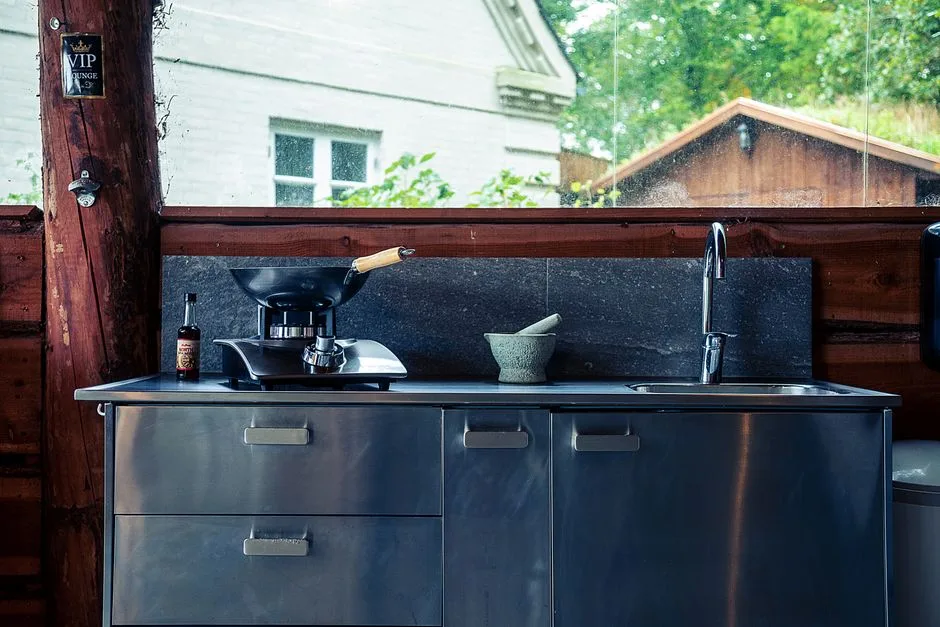
Full Outdoor Kitchen with Sink & Fridge
A complete outdoor kitchen — grill, sink with hot/cold running water, under-counter refrigerator, trash/recycling pull-out, and generous counter space — makes the pool area fully self-sufficient for all-day entertaining. The sink is the feature that separates a real outdoor kitchen from a fancy grill station: it lets you wash hands, rinse produce, and fill pots without a single trip indoors. Plumbing the sink requires running water supply and drain lines, which typically adds $1,500–$4,000 to installation cost. A full outdoor kitchen with mid-range appliances runs $12,000–$30,000.
Photo by HOT WOK on Pexels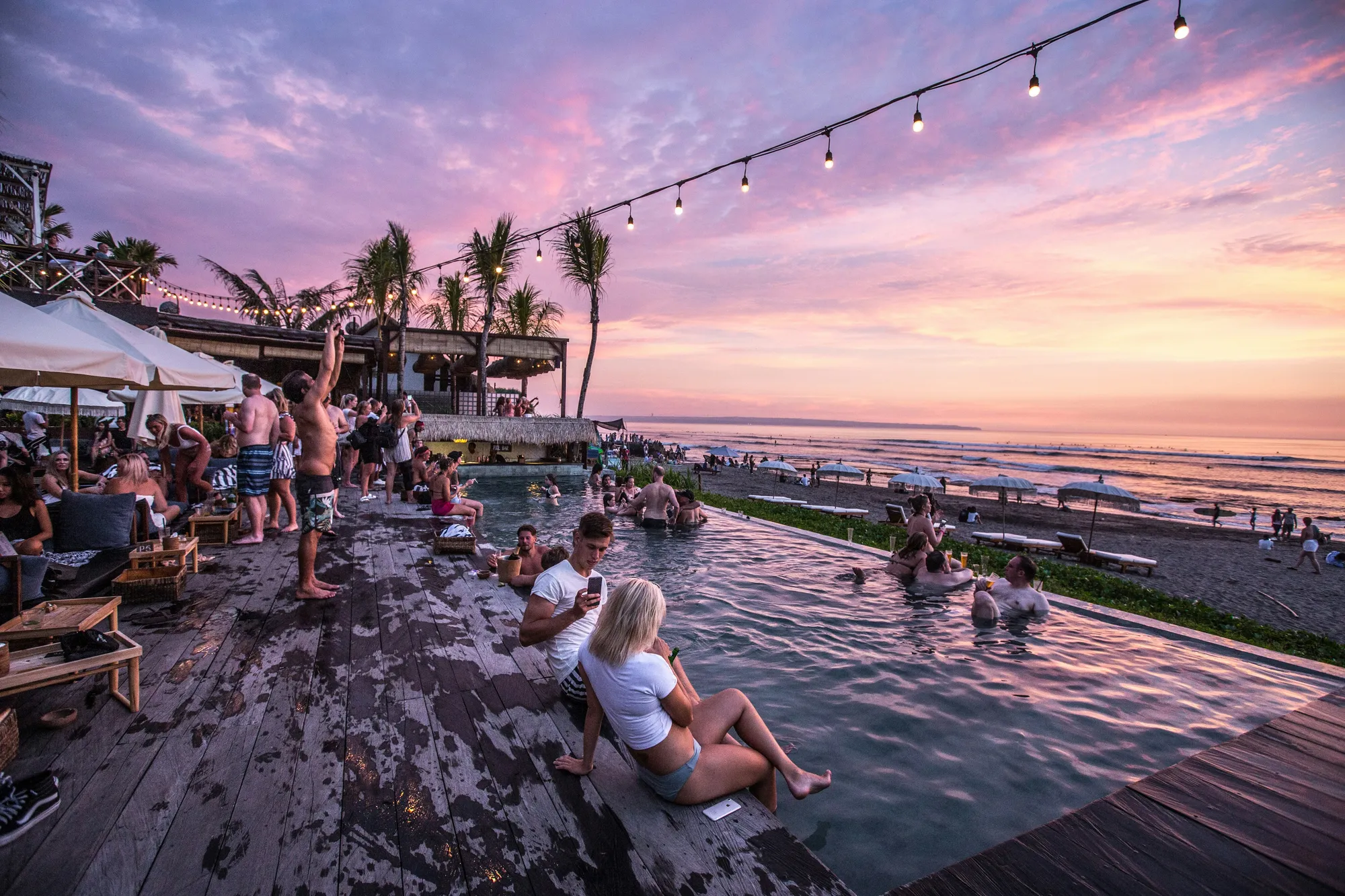
Poolside Swim-Up Bar Counter
A swim-up bar — a counter with barstools built into the pool wall so swimmers can sit in the water while being served from the dry side — is the ultimate resort feature for a residential pool. The underwater barstools are molded into the pool shell on a raised bench, and the countertop cantilevers over the water at roughly elbow height. The bar counter itself is part of the pool structure, so it must be planned before the pool is shot. Adding a swim-up bar during a new pool build typically costs $3,000–$8,000; retrofitting one into an existing pool requires major demolition and is rarely cost-effective.
Photo by Cassie Gallegos on Unsplash
Wood-Fired Pizza Oven Station
A wood-fired pizza oven built into its own dedicated counter station transforms pool parties into events. The oven heats to 700–900°F and cooks a pizza in 90 seconds — fast enough that guests can each make their own. Beyond pizza, the oven bakes bread, roasts vegetables, and sears steaks at high heat. A quality residential pizza oven kit (Forno Bravo, Ooni, or Alfa) costs $1,500–$5,000; the masonry enclosure and counter add another $2,000–$6,000. Position the oven so smoke drifts away from the main seating and swimming areas.
Photo by Narda Yescas on Pexels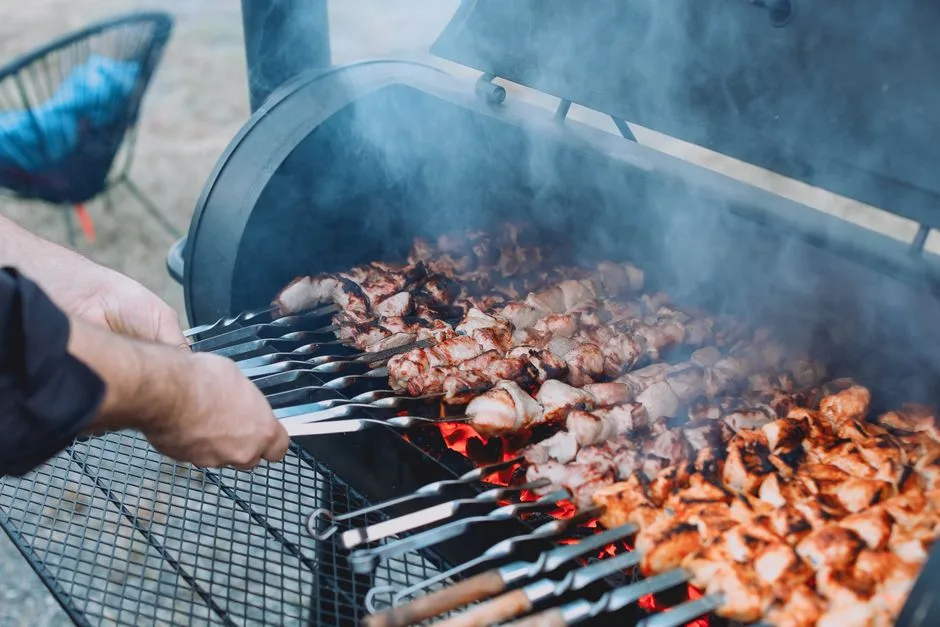
Smoker & BBQ Island Setup
A dedicated smoker and BBQ station — with a pellet smoker, offset smoker, or ceramic kamado grill (Big Green Egg, Kamado Joe) built into its own counter island — gives you low-and-slow cooking capability alongside the gas grill. The smoker island can be positioned slightly away from the main kitchen zone so the smoke does not drift into the seating area. Dedicated BBQ enthusiasts often prefer a separate smoker island to a combined setup, because the workflow (checking brisket every hour, managing wood chips, wrapping ribs) benefits from its own prep space. Budget $4,000–$10,000 for a dedicated smoker island with counter and storage.
Photo by Photography Maghradze PH on Pexels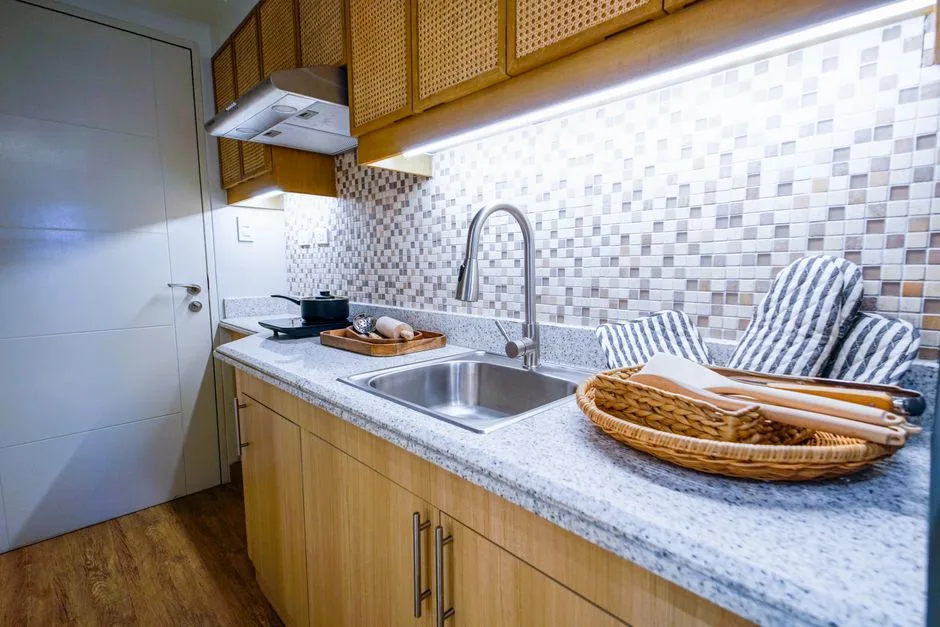
Compact Galley-Style Outdoor Kitchenette
Not every yard has room for a sprawling outdoor kitchen. A galley-style kitchenette — a single 8–12 foot run of counter along a wall or fence line with a compact grill, a small sink, and an under-counter fridge — packs the essential cooking functions into a slim footprint. This configuration works especially well in side yards, on narrow pool decks, and in townhouse or villa backyards where space is at a premium. The linear layout keeps plumbing and electrical simple (everything runs in one straight trench) and installation costs low at $6,000–$14,000.
Photo by Lyndon Opalla1 on Pexels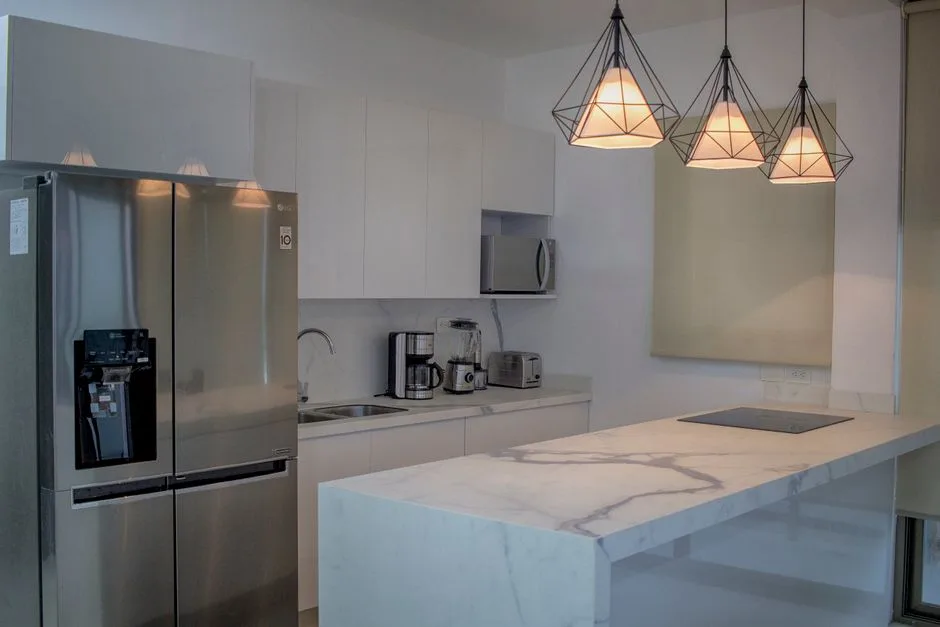
Outdoor Refrigerator & Ice Maker Station
A dedicated beverage station — with an outdoor-rated under-counter refrigerator, an ice maker, and a counter for mixing and serving — keeps drinks cold and accessible without requiring guests to walk to the indoor kitchen. Outdoor-rated appliances are essential here: a standard indoor mini-fridge will struggle in summer heat, burn out its compressor early, and may not be rated for wet locations. Brands like True, Perlick, and Marvel make outdoor-rated refrigerators and ice makers that handle 100°F+ ambient temperatures. A beverage station with appliances runs $3,000–$8,000.
Photo by 23 Audiovisual on Pexels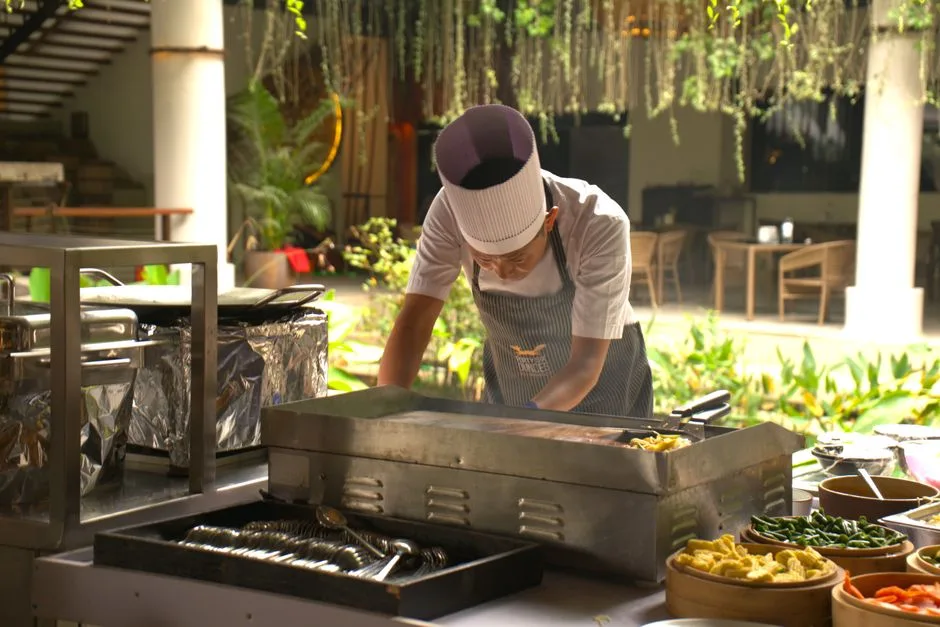
Teppanyaki Griddle / Hibachi Station
A built-in flat-top griddle or teppanyaki plate — a large, smooth cooking surface heated by gas burners underneath — opens up a completely different cooking style from a standard grill grate. You can cook fried rice, smash burgers, sear scallops, sauté vegetables, and make breakfast pancakes all on the same surface. Built-in griddle stations from brands like Le Griddle and Evo cost $1,500–$4,000 for the cooking surface alone; add $2,000–$5,000 for the enclosure and counter. The flat top is also easier to clean than grill grates and does not produce flare-ups.
Photo by siddhant solanki on Pexels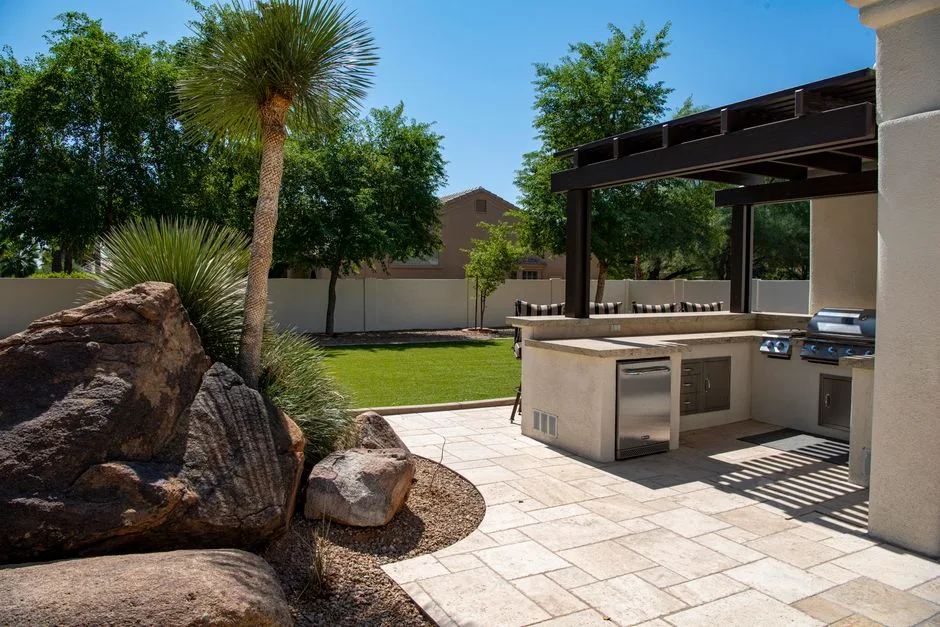
Outdoor Kitchen with Pergola Cover
An outdoor kitchen absolutely benefits from overhead cover — rain, direct sun, and falling leaves all take a toll on stainless steel appliances and food prep surfaces. A pergola or solid roof over the kitchen zone protects the investment, keeps the cook comfortable, and allows for ceiling-mounted features like fans, heaters, and task lighting. Plan for a minimum 8-foot clearance under the roof structure to safely accommodate grill hoods opening and heat dissipation. The cover adds $4,000–$12,000 to the overall kitchen project but significantly extends appliance lifespan and cooking season.
Photo by Derwin Edwards on Pexels
Bar Cart & Portable Bar Station
Not ready to commit to a built-in outdoor kitchen? A well-stocked bar cart or portable serving station — with wheels, a durable weather-resistant finish, and storage for bottles, glasses, and a small ice bucket — gives you 80% of the poolside entertaining function at 5% of the cost. Look for outdoor-rated bar carts made from powder-coated aluminum, teak, or marine-grade polymer (not indoor furniture). A quality outdoor bar cart costs $200–$800. Pair it with a freestanding cooler and you have a complete, moveable serving setup that can follow the sun — or the party — around the pool deck.
Photo by Helena Lopes on PexelsPool Bathrooms & Changing Rooms: Practical Comfort

Open-Air Outdoor Pool Shower
An outdoor shower by the pool — even a simple one with a single wall-mounted fixture — encourages swimmers to rinse off sunscreen, chlorine, and debris before entering the pool (extending the life of the pool finish) and after getting out (keeping the pool house and main house cleaner). The simplest setup uses a wall-mounted shower panel attached to the house exterior, plumbed to an existing hot/cold line ($500–$1,500 installed). A freestanding outdoor shower with a privacy wall, dedicated hot water line, and a stone or teak floor platform runs $2,000–$5,000.
Photo by ArtHouse Studio on Pexels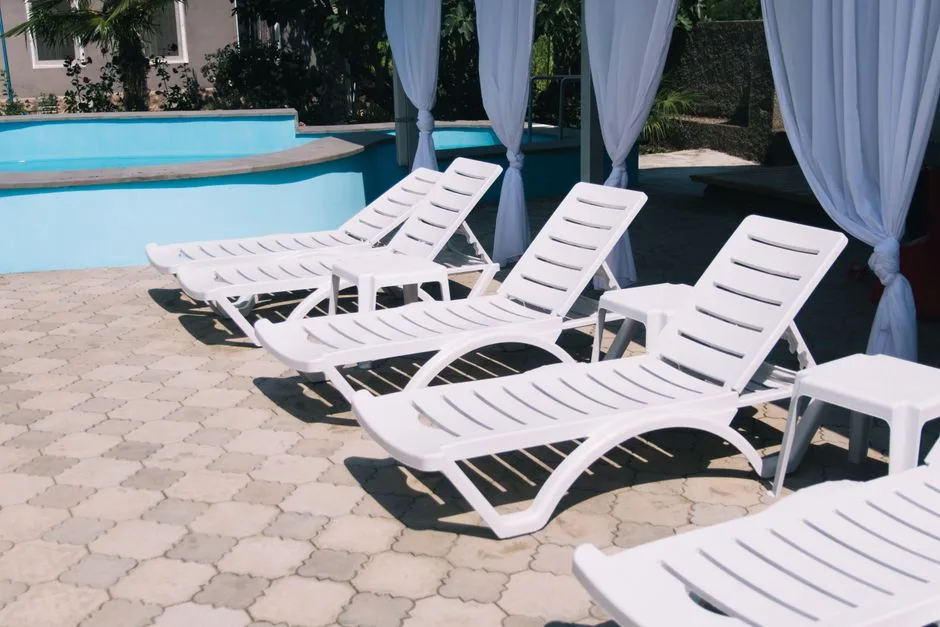
Enclosed Poolside Changing Cabana
A dedicated changing cabana — a small, lockable room or enclosure with a bench, hooks, mirror, and a shelf for dry clothes — gives swimmers a private, convenient place to change without walking through the house. It can be a section of a larger pool house, a freestanding compact structure (6×8 feet minimum), or even a well-designed prefab unit. Ventilation is critical: include a screened window or louvered vent to prevent the cabana from becoming a humid sweatbox. A simple changing cabana with basic finishes costs $4,000–$10,000.
Photo by Алексей Вечерин on Pexels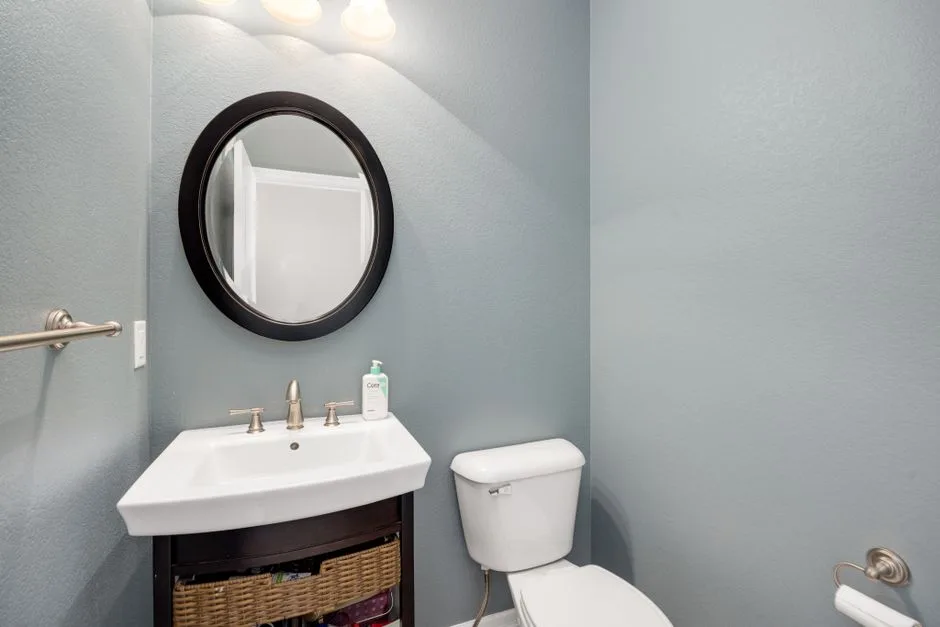
Pool Bathroom / Powder Room
A half-bath (toilet + sink) or full bath (toilet + sink + shower) in or near the pool area is the single most practical upgrade for a family pool. It eliminates the trail of wet footprints through the house, keeps pool chemicals and sunscreen out of your indoor bathrooms, and means guests never have to walk through your home in a wet swimsuit. The key design considerations: slip-resistant flooring (textured porcelain tile or sealed concrete), a floor drain for easy hosing down, and ventilation to manage humidity. Budget $8,000–$20,000 for a finished pool bathroom depending on plumbing proximity and finish level.
Photo by hi room on Pexels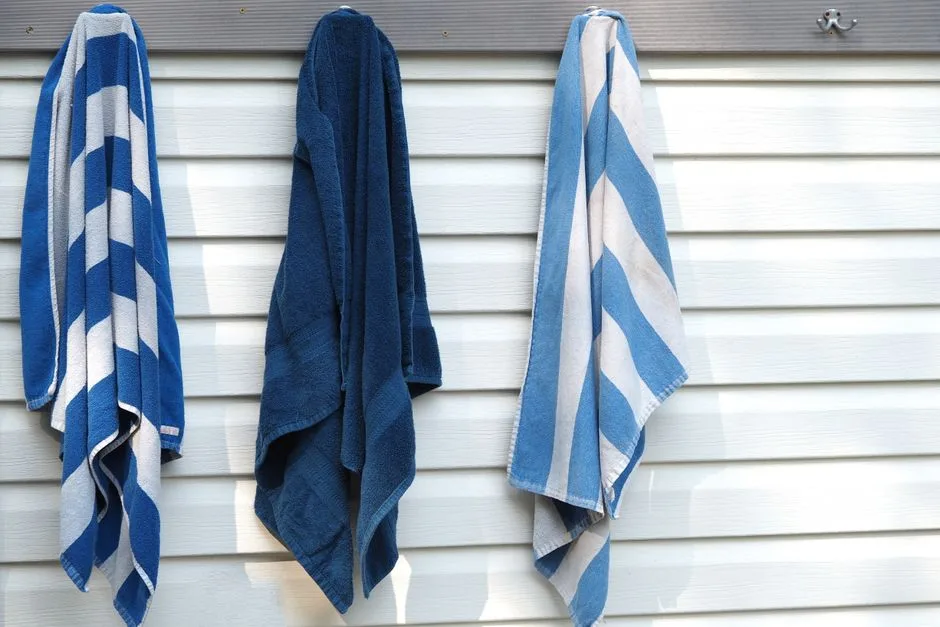
Towel Storage & Cubby Wall
A dedicated towel storage wall — with open cubbies or shelves for rolled towels, hooks for wet swimsuits, and baskets for sunscreen and goggles — keeps the pool deck clutter-free and organized. Built-in cubbies recessed into a pool house or fence wall look custom and permanent; a freestanding outdoor shelving unit (teak, cedar, or powder-coated metal) works well and can be repositioned. Include at least one shelf or basket designated for dry towels and another for wet items that need to air-dry. A simple built-in cubby wall costs $500–$2,000 in materials; a full custom storage wall with bench and hooks runs $2,500–$6,000.
Photo by Gene Samit on Pexels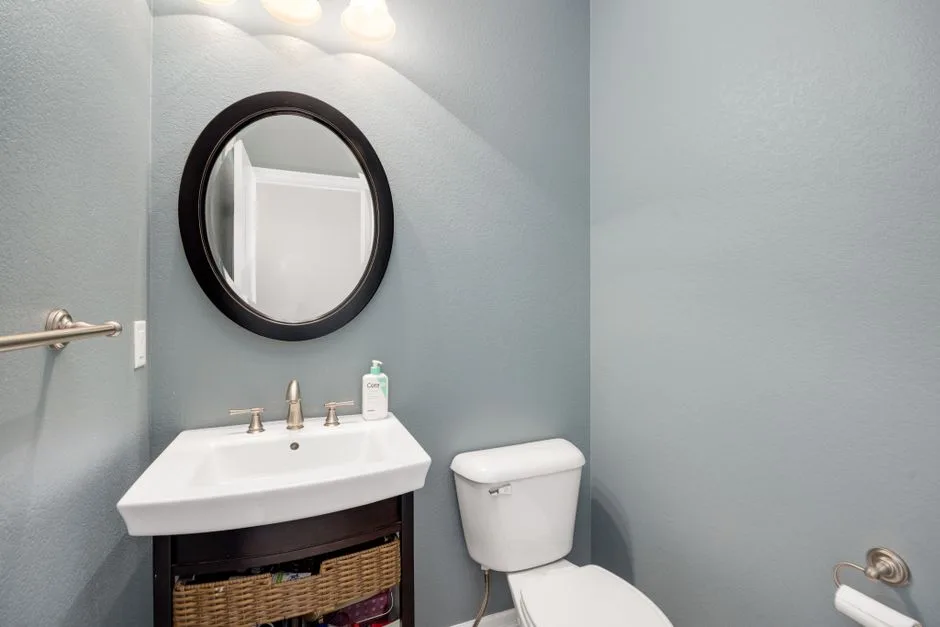
Half-Bath Pool House
A half-bath (toilet and sink) incorporated into a pool house or cabana is the minimum viable bathroom for a self-contained pool area. It handles the most urgent need — a restroom that does not require crossing the house — without the cost and space of a full shower. Combine the half-bath with the outdoor shower (previous idea) and you effectively have a full bathroom split across two spaces. A half-bath inside a pool house adds $5,000–$12,000 to the build, mostly driven by the cost of running a sewer line from the pool house to the main drain.
Photo by hi room on Pexels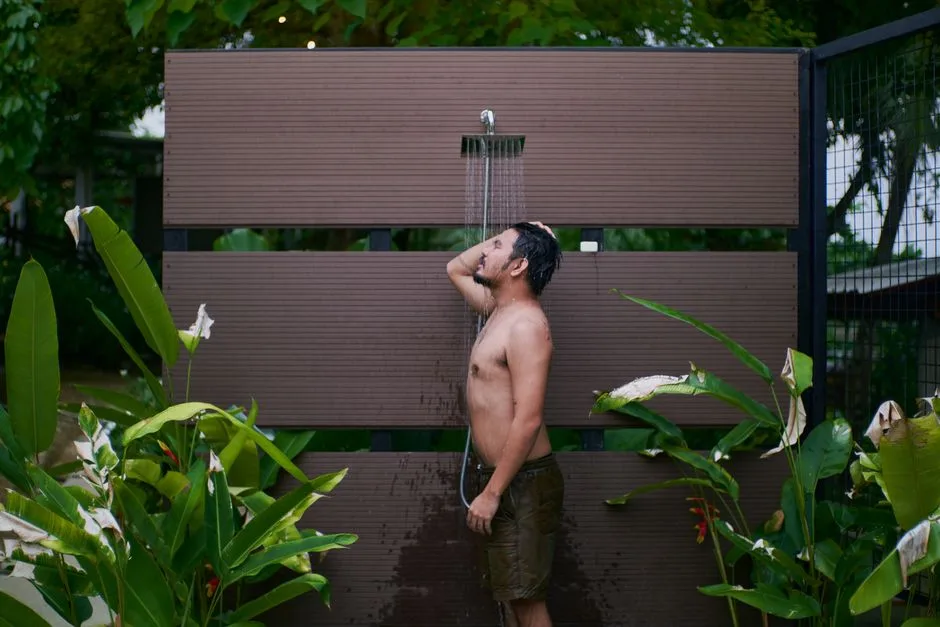
Tropical Outdoor Shower Garden
An outdoor shower surrounded by lush tropical planting — banana trees, ferns, bamboo, and flowering gingers — creates a private, sensory shower experience that feels like bathing in a jungle paradise. The plants provide natural privacy screening (no walls needed), the foliage softens the water sound, and the humidity-loving tropical species thrive on the overspray. Use a rainfall-style showerhead mounted on a central post or tree for the most immersive effect. A tropical shower garden with a simple gravel or stone floor, privacy plantings, and a rain shower fixture costs $1,500–$4,000 to install, and it doubles as a striking landscape feature when not in use.
Photo by Jeff Vinluan on Pexels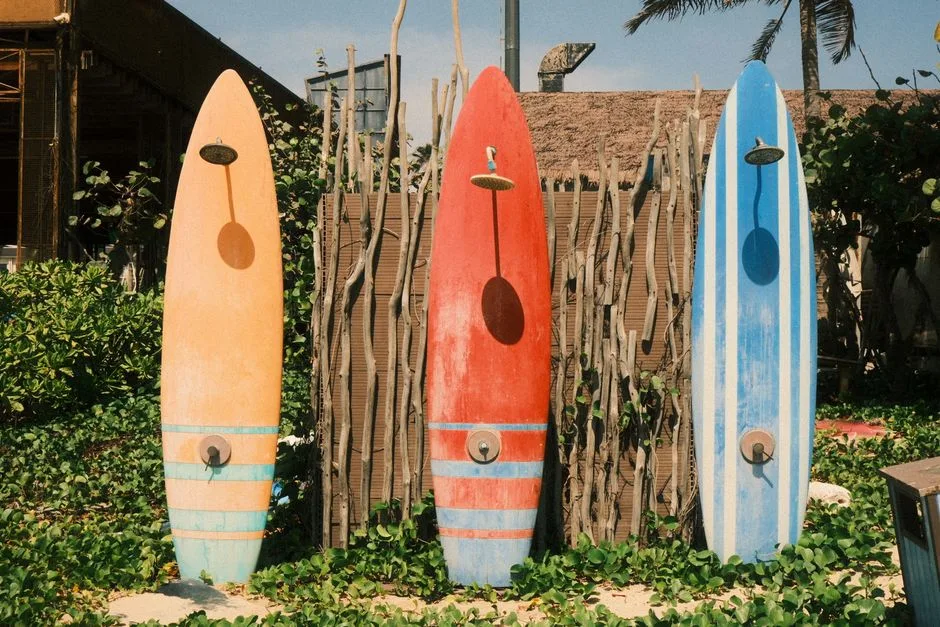
Shower + Changing Combo Unit
A prefabricated or custom-built combo unit that pairs an outdoor shower stall with an adjacent changing/drying area under one roof is the most space-efficient way to add both rinse-off and changing capability. The shower on one side, the changing bench on the other — separated by a partial wall or curtain — and a slatted wood floor that drains freely underneath. This configuration fits in a footprint as small as 5×8 feet, making it viable for compact pool decks where a full pool house is not possible. Budget $3,000–$8,000 for a well-built combo unit with plumbing and privacy screening.
Photo by Ngoc Nguyen on PexelsA note from our service team. A pool house is a fantastic place to store equipment — and, done wrong, the most common source of chemistry accidents we see on service visits. Chlorine and acid containers shed fumes that rust metal tool cabinets and can corrode electronics a few feet away, so we always tell customers: store chemicals in a separate, ventilated cabinet, never in the same room as anything electric. A quick read of how to store pool chemicals safely takes two minutes and prevents the damage we spend whole afternoons repairing.
More Pool Design Inspiration
This is part of our Pool Design Ideas series. Explore the full collection to plan every detail of your dream pool:


