How to Level Ground for an Above Ground Pool

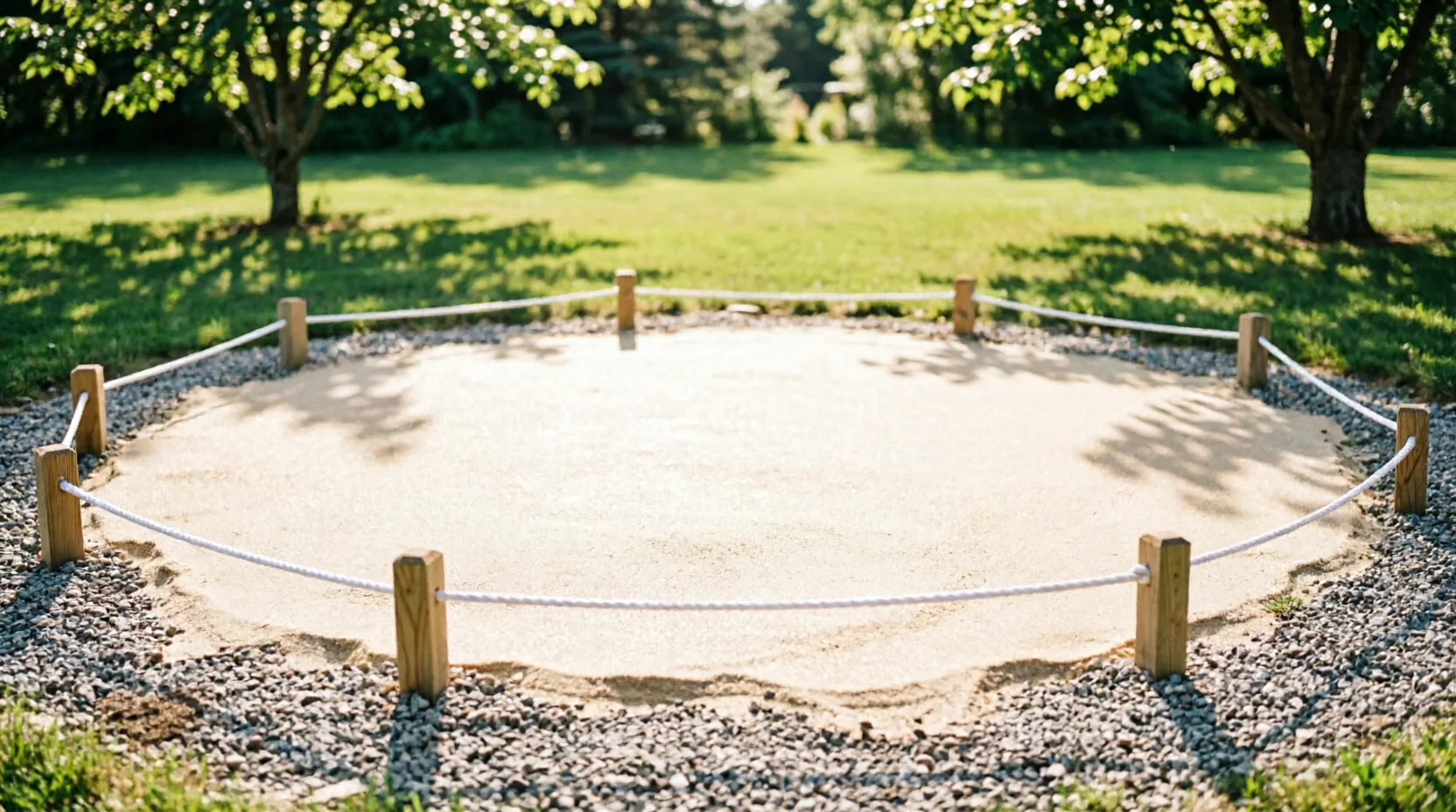
The cheapest and easiest way to level ground for a pool is one of the most common questions people run into before the pool goes up, and it’s a step that gets rushed or skipped far more often than it should. Most YouTube walkthroughs show the process but skip the actual tolerance numbers: keep the base within about 1 inch of level across the full pool diameter, using cut-and-fill for minor slopes and a compacted crushed-stone base rather than sand alone, which shifts under water weight instead of holding it. The full step-by-step, including what to do if the pool’s already up, follows below. Site prep matters whether you’re setting up an above-ground pool or comparing inground shell options like fiberglass vs concrete.
Why Does an Above Ground Pool Need Level Ground?
Water finds its own level regardless of how the ground underneath is shaped, which means uneven ground shows up immediately as a visibly tilted waterline once the pool fills. More seriously, uneven ground concentrates the pool’s water weight unevenly on the wall and liner, which can cause wall buckling or liner tearing at the low side well before the season is over. At the other end of the season, winterizing an above-ground pool before it freezes protects that same liner and wall from a different kind of stress. How much that risk matters also depends on the wall material itself — see our comparison of resin vs steel above-ground frames.
How Do You Check If Ground Is Level Before Starting?
A long carpenter’s level or string level stretched across stakes at the full diameter of the pool site is more reliable than checking only the center point, since ground can dip or rise gradually across a wide area in ways a short level won’t catch. A laser level mounted at one edge, read against a measuring stick moved around the perimeter, gives the most precise reading for larger pools and is worth renting for anything beyond a small kiddie pool.
How Do You Level Ground for an Above Ground Pool, Step by Step?
Mark the pool site with stakes and string at the actual footprint diameter, then remove all sod and vegetation within that area — grass left underneath will decompose and create uneven settling later. Cut down high spots first, since compacted native soil holds better than filled soil; only fill low spots afterward, using a compactable material like coarse sand or crushed stone rather than loose topsoil, which won’t compact reliably.
Tamp or compact fill in thin layers rather than all at once, and recheck level after each pass, since uncompacted fill settles unevenly under water weight even if it looks level going in. A commonly cited tolerance is keeping the entire base within about 1 inch of level across the full pool diameter — beyond that, the wall stress risk increases meaningfully.
What’s the Cheapest and Easiest Way to Level Ground for a Pool?
For minor slope differences, hand cut-and-fill with a shovel and a long level is the cheapest approach and is realistic for a weekend’s work on typical suburban ground. For anything beyond a small grade difference, renting a plate compactor for a day costs far less than hiring excavation and produces a far more reliable compacted base than hand-tamping alone. Piling sand over an unaddressed slope is the most common shortcut that fails — sand alone doesn’t correct a grade problem, it just delays when the unevenness shows up.
Can You Level an Above Ground Pool After It Already Has Water In It?
Only for very minor settling. Shims or jacks on the low side can make small corrections to an already-filled pool, but this isn’t a substitute for proper ground prep and shouldn’t be relied on for more than superficial adjustment. A pool that’s settled unevenly by more than an inch or two after filling typically needs to be drained and the base corrected properly rather than propped up while full.
What’s the Best Base Material Under an Above Ground Pool?
A layer of compacted crushed stone or paver base, topped with a thin layer of sand for a smooth finish surface, holds level better over a season than sand alone or bare grass. Sand by itself shifts and erodes under water weight and rain runoff at the pool’s edges; a compacted stone sub-base gives the sand something stable to sit on top of. A geotextile fabric layer underneath is optional but helps prevent weed growth and erosion channels forming under the liner over time.
Frequently Asked Questions
How long should a compacted base sit before setting up the pool?
Let a freshly compacted stone base rest for 24 to 48 hours, ideally with a light watering pass to help it settle, before laying pool padding on top. Setting up immediately on freshly tamped fill risks uneven settling once the water weight is added.
Can you set up an above ground pool on a wood deck or paver patio instead of soil?
Only if that structure was specifically engineered to bear the pool’s full filled weight. Standard decking and patios generally aren’t rated for it, and most manufacturers require installation on ground level over a proper base rather than an elevated surface.
How much does it cost to rent a plate compactor for a weekend?
Typically 70 to 120 dollars per day at most equipment rental yards, depending on region and compactor size. That’s far less than hiring excavation work and produces a more reliable base than hand-tamping alone.
Once the ground is level and the pool is up, deciding between a pool safety net and a fence is often the next installation decision, especially with kids or pets around.
Keeping the floor and walls clean protects the same liner you just spent the setup protecting. An Aiper robotic pool cleaner handles that maintenance from day one without added strain on the pool structure.
Get more pool and lawn care guides from Aiper on Google