Heat Pump vs. Gas Pool Heater: Cost, Climate, and ROI

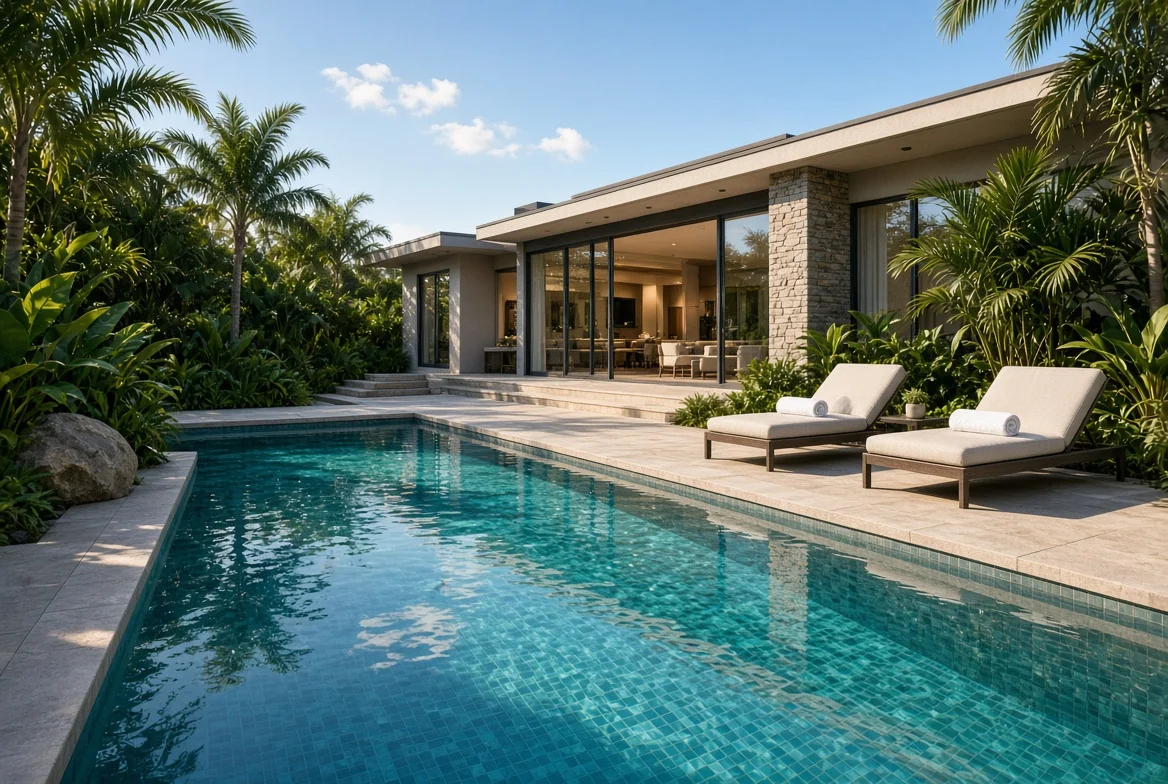
A heat pump costs more to buy and less to run. A gas heater costs less to buy, heats the pool much faster, and works in any weather, but burns through fuel at a higher rate.
Which one pays off depends on how many months you swim, how cold it gets during those months, and whether you heat the pool all season or only before weekends and parties.
How Each Heater Works
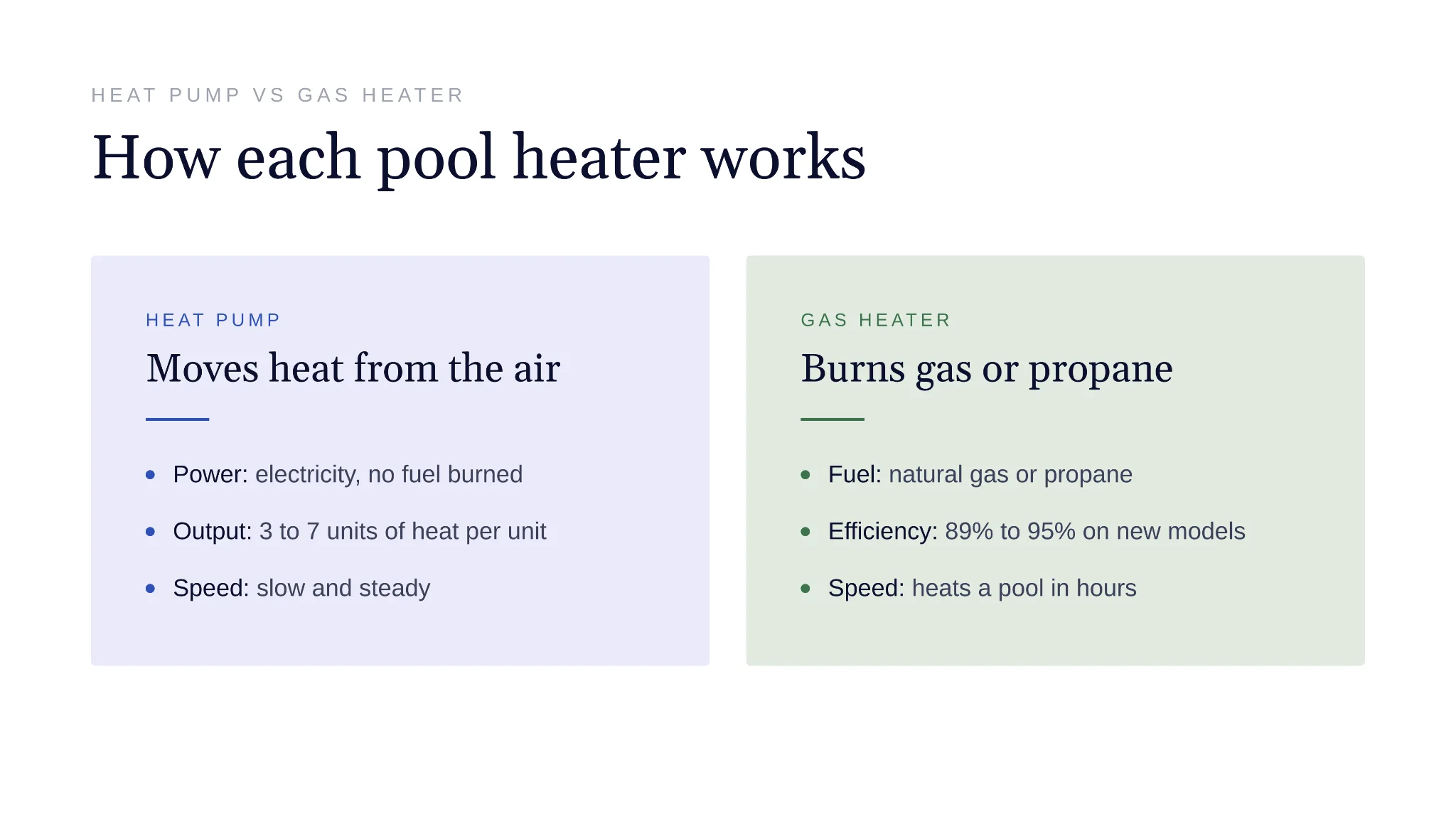
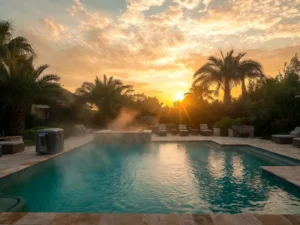
A heat pump pulls warmth out of the outdoor air and moves it into the pool water, working like an air conditioner in reverse. It runs on electricity and burns no fuel.
Because it moves existing heat, a heat pump delivers several units of heat for every unit of electricity it uses. The Department of Energy’s guide to heat pump pool heaters puts that ratio, called the coefficient of performance (COP), at 3 to 7 for most models.
A gas heater burns natural gas or propane and passes the pool water over a heat exchanger. Newer models turn about 89 to 95 percent of the fuel into heat.
Side-by-Side Comparison
The two heaters trade off in predictable ways. This table covers the points that matter most when you are choosing between them.
| Heat pump | Gas heater | |
|---|---|---|
| Upfront cost | Higher | Lower |
| Running cost | Much lower | Higher, and tied to gas or propane prices |
| Heating speed | Slow; best left running to hold temperature | Fast; can warm a pool in hours |
| Cold weather | Loses efficiency below about 50°F air temperature | Works in any air temperature |
| Typical lifespan | 10 years or more | 5 years or more |
| Fuel and hookup | Electric; needs a dedicated circuit | Natural gas line or propane tank |
| Emissions | None at the pool | Produces combustion exhaust and needs venting clearance |
Both need an annual tune-up. A heat pump also needs a technician familiar with air conditioning equipment for most repairs.
Where Climate Decides It
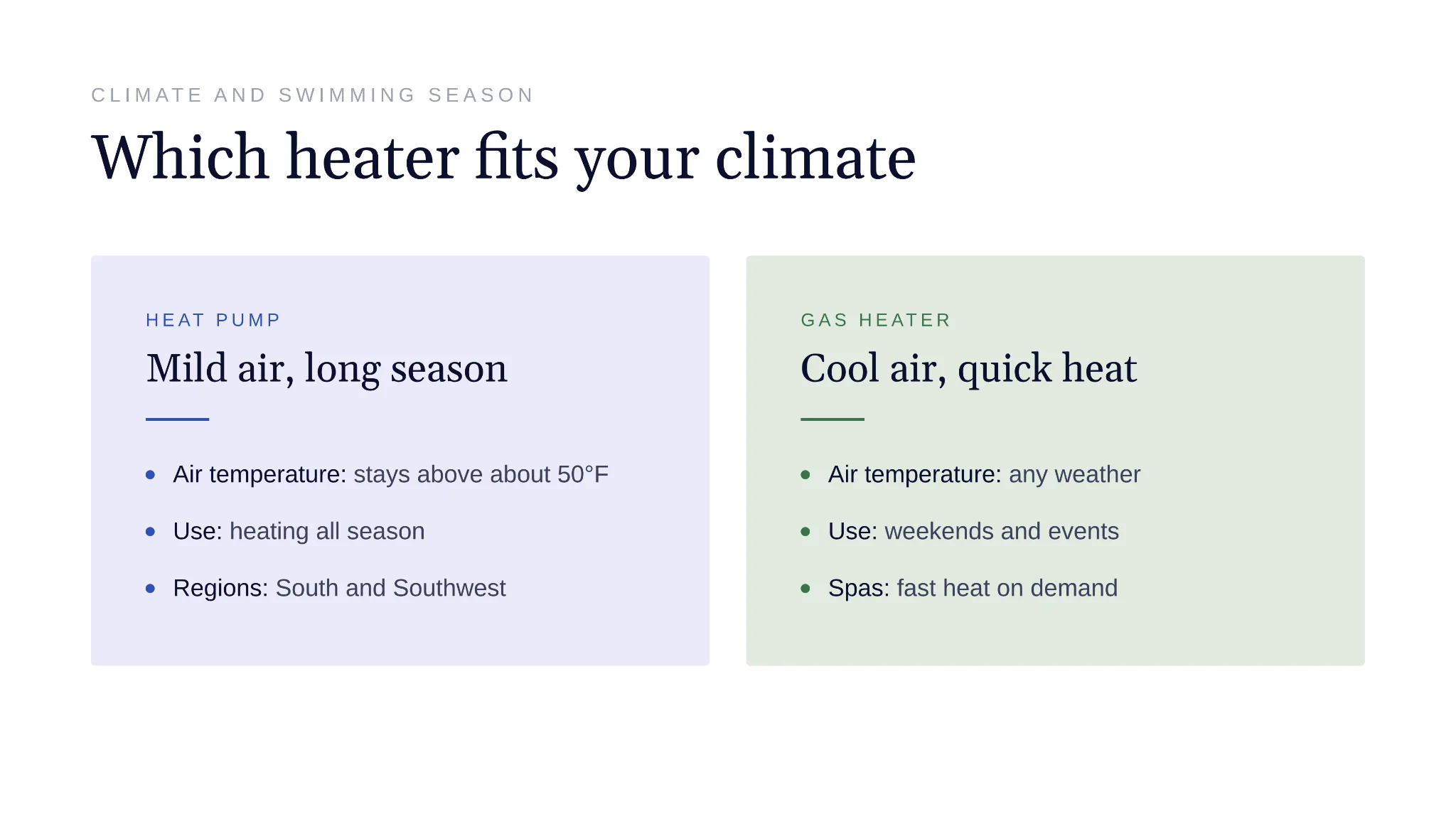
Air temperature during the months you swim matters more than anything else. A heat pump works efficiently while the air stays above roughly 45 to 50°F, and its output falls off quickly below that.
- Long, warm season. In the South and Southwest, where swimming months stay mild, a heat pump is usually the better buy. It runs efficiently nearly every day the pool is open, and the running-cost savings add up fastest.
- Short, cool season. In northern states, spring and fall nights often drop below 50°F. A heat pump can still hold temperature through midsummer but struggles at the start and end of the season, which are the weeks most owners want heat.
- Occasional use. If you heat the pool only for weekends or a few events a summer, a gas heater makes more sense. It brings cold water up to temperature in hours, while a heat pump can take a day or more.
- Pools with an attached spa. Spas need fast heat on demand. Gas is the usual choice, either alone or paired with a heat pump that holds the pool at temperature.
Some owners in cooler climates install both: a heat pump for steady summer heating and a gas heater for quick boosts in spring and fall. That setup costs the most upfront and gives the longest swimming season.
Working Out the Payback
A heat pump earns back its higher price through lower operating costs. How fast depends on your utility rates and how much you heat the pool.
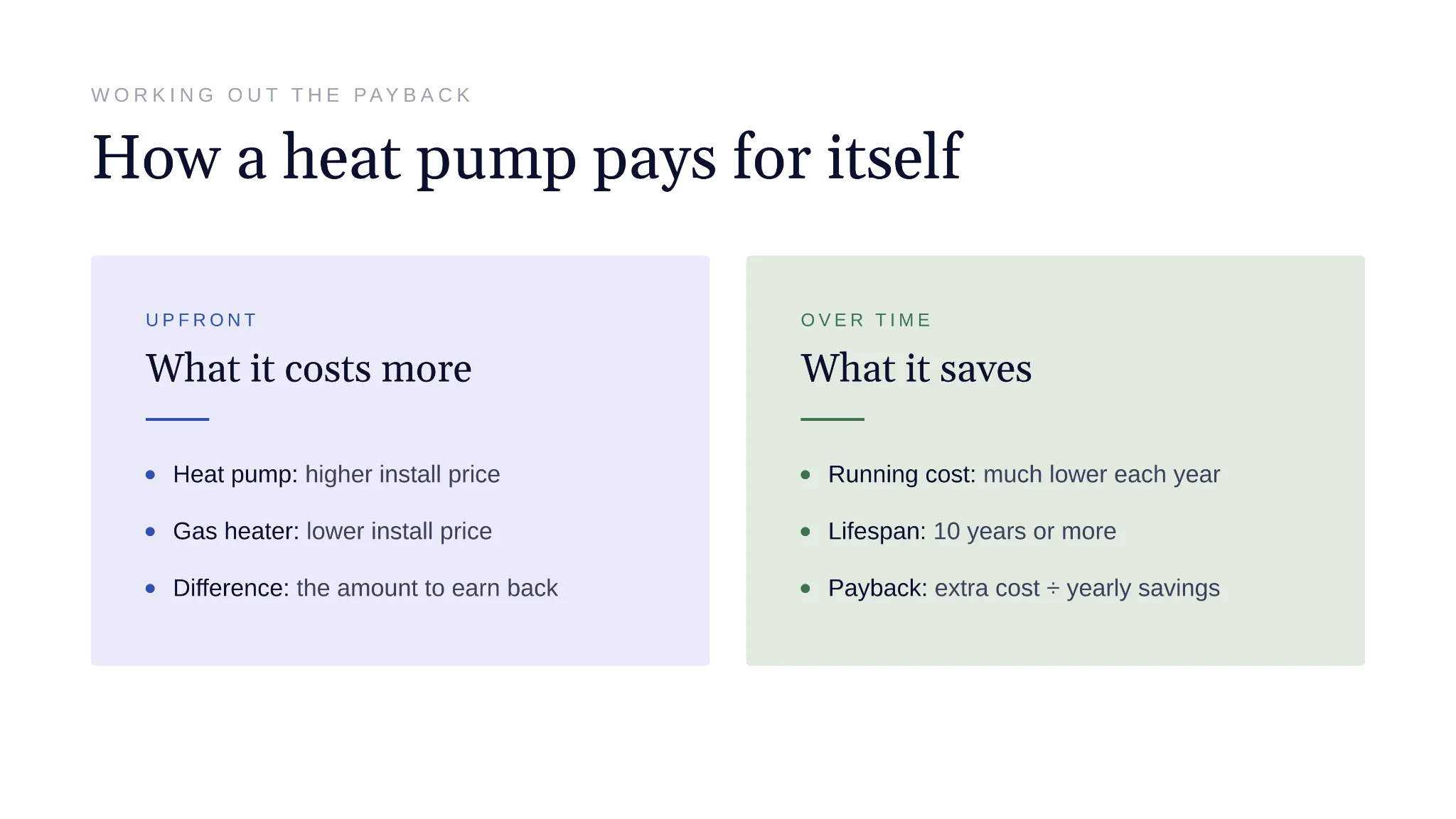
To estimate your payback:
- Get installed quotes for both heater types, sized for your pool. Include the gas line or propane tank for gas, and the electrical circuit for the heat pump.
- Subtract the gas heater quote from the heat pump quote. This is the extra amount the heat pump has to earn back.
- Ask each installer for an estimated annual operating cost based on your pool size, target temperature, season length, and your local electricity and gas rates.
- Subtract the heat pump’s annual cost from the gas heater’s annual cost. This is your yearly savings.
- Divide the extra upfront cost by the yearly savings. The result is the number of years until the heat pump pays for itself.
For example, if the heat pump costs $2,000 more to install and saves $500 a year, it pays for itself in four years.
Compare that number to the heater’s expected life. A heat pump that pays back in four years and lasts ten has six years of savings left over, while a payback longer than the heater’s life means gas is the cheaper choice.
Sizing the Heater
An undersized heater runs constantly and never reaches temperature, and an oversized one costs more than it needs to. Both DOE guides use the same rough formula for outdoor pools:
Pool surface area (square feet) × temperature rise (°F) × 12 = Btu per hour
The temperature rise is the gap between the water temperature you want and the average air temperature in the coldest month you plan to swim. A 400-square-foot pool kept at 80°F in a month that averages 60°F needs about 400 × 20 × 12 = 96,000 Btu per hour.
Wind, low humidity, and cool nights all push that number higher. Treat the formula as a starting point and have the installer do a full sizing calculation before you buy.
Cutting Heating Costs With Either Type
Most of the heat a pool loses escapes from the water surface, so the biggest savings apply to both heater types:
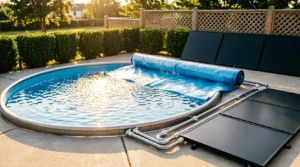
- Cover the pool whenever it isn’t in use, especially overnight. DOE’s cost estimates for both heater types drop sharply when a cover is used.
- Lower the thermostat a few degrees. Most people are comfortable at 78 to 82°F.
- Turn the heater off or set it lower when you will be away for more than a few days.
- Use a windbreak, such as a fence or hedge, if the pool sits in an open, windy spot.
The rest of the equipment adds to the energy bill too. Pressure-side pool cleaners often need their own booster pump, while a robotic cleaner runs on its own low-voltage motor and filter.
Compare models in the Aiper robotic pool cleaners collection.
Get more pool and lawn care guides from Aiper on Google