How to Increase Soil Microbial Activity

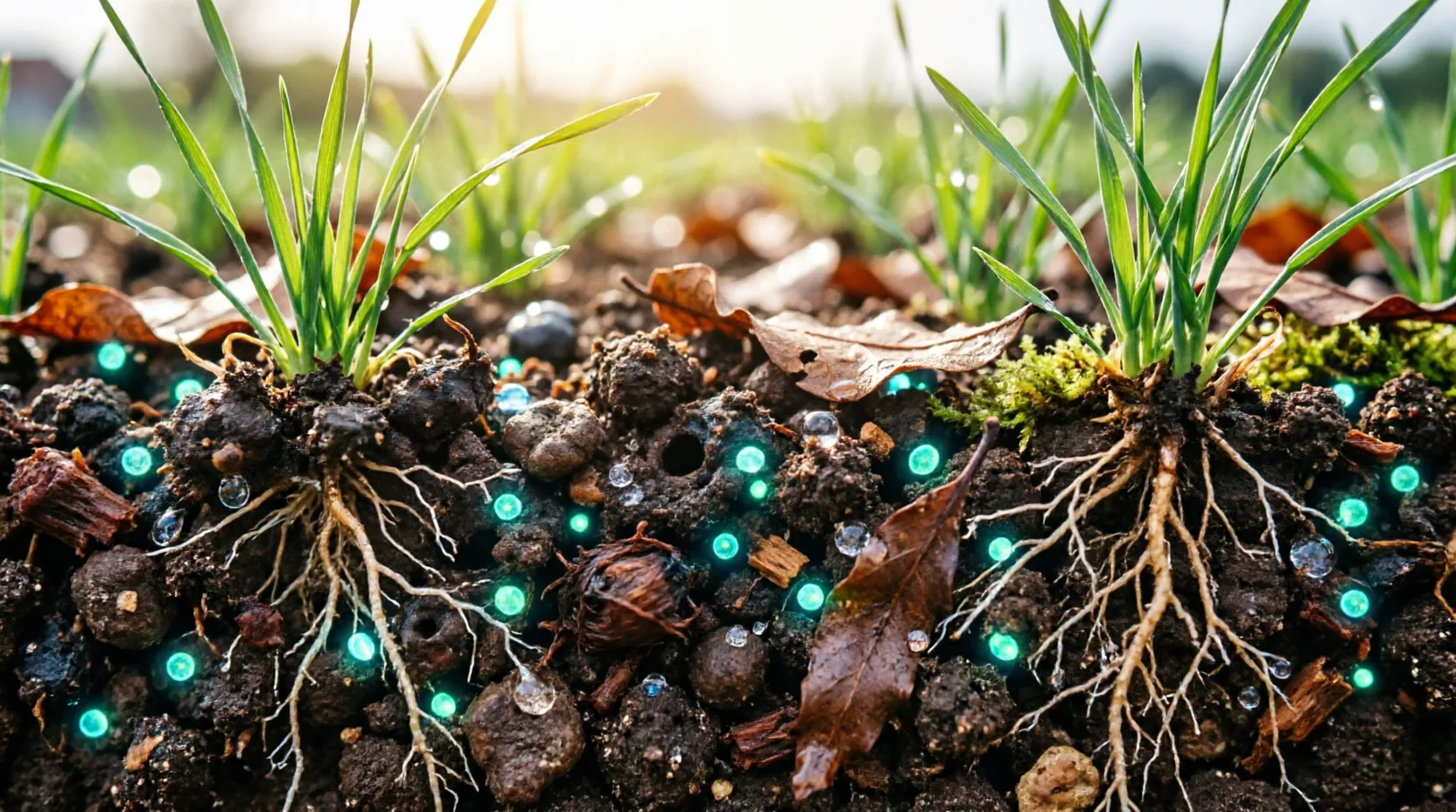
Feeding soil microbes with organic matter, keeping soil aerated rather than compacted, and maintaining steady moisture without waterlogging are the three levers that actually increase microbial activity — most synthetic fertilizers don’t add microbes at all, they just feed the plant directly. Building that biology starts with knowing what’s already there, which is why a soil test is worth doing before adding anything. The full breakdown of what helps and what suppresses microbial life follows below.
What Feeds Microbes in Soil?
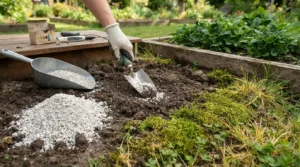
Organic matter — decomposing plant material, compost, and root exudates that living plants release into the soil — is the actual food source, since soil microbes need a carbon source the same as any other organism. Bare, compacted soil with little organic matter simply doesn’t have enough food to support an active microbial population, regardless of how much synthetic fertilizer sits on top of it. To add organic matter to an existing lawn, spreading a thin layer of compost over the lawn is the simplest way.
What Increases Microbial Growth?
Moisture in a moderate range, enough oxygen from uncompacted soil structure, a workable temperature range, and a consistent supply of organic matter together create the conditions microbes need to multiply. Missing any one of these — bone-dry soil, compacted anaerobic pockets, or a lack of organic material to feed on — caps microbial growth regardless of how favorable the other conditions are.
Which Fertilizer Adds Microbes to the Soil?
Most synthetic fertilizers don’t add microbes at all — they supply nutrients directly to plants and bypass the soil food web entirely. Products labeled as microbial inoculants, or compost-based and organic fertilizers, are the ones that actually introduce live organisms. Heavy, repeated synthetic nitrogen use can even suppress microbial diversity over time, which is one reason fertilizing strategy matters for soil biology, not just plant color.
How Does Topdressing and Compost Increase Microbial Activity?
Topdressing with compost adds organic matter directly to the soil surface, feeding the existing microbial population rather than trying to introduce a large new one from scratch — see our guide to topdressing a lawn for the process. This ongoing feeding is generally more effective for building long-term soil biology than a single one-time treatment — and the biology only thrives once the pH is right, covered in our guide to fixing acidic soil before microbes can do their job.
Does Soil Compaction Kill Beneficial Microbes?
Yes, in effect. Most beneficial soil microbes need oxygen, and compacted soil develops anaerobic pockets that shift the microbial balance away from the aerobic organisms that support healthy root growth. Aerating compacted soil restores the oxygen flow that aerobic microbes depend on.
Does Overwatering or Underwatering Hurt Soil Microbial Activity?
Both do, in opposite ways. Waterlogged soil forces out oxygen and pushes conditions anaerobic, while drought stresses microbes into dormancy until moisture returns. Consistent moisture in a moderate range, rather than swinging between soaked and bone-dry, supports the most active and diverse microbial population.
Frequently Asked Questions
How long does it take to rebuild soil microbial activity?
Noticeable improvement from consistent compost and organic matter typically shows within four to eight weeks. Fully recovering soil that’s been compacted or anaerobic for a long time can take a full growing season or longer, since the microbial community has to rebuild from a much smaller base.
Can you add too many microbes to soil?
Overapplying an inoculant generally isn’t harmful, since microbial populations self-regulate based on available food and oxygen rather than growing without limit. It can waste money, though, since a soil without enough organic matter to sustain the added organisms will see the population shrink back down regardless of how much was applied.
Does mowing height affect soil microbial activity?
Indirectly, yes. Mowing taller lets grass grow deeper roots, and deeper roots release more root exudates, the sugars and compounds that feed soil microbes. A lawn mowed too short has a smaller root system and less of that food supply reaching the soil.
Consistent, moderate moisture is one of the conditions microbes need most, and it’s easy to get wrong on a fixed watering schedule. The Aiper IrriSense 2 smart irrigation system adjusts watering to actual soil conditions, avoiding the waterlogged-then-dry swings that stress soil biology.
Get more pool and lawn care guides from Aiper on Google