How to Fix Acidic Soil

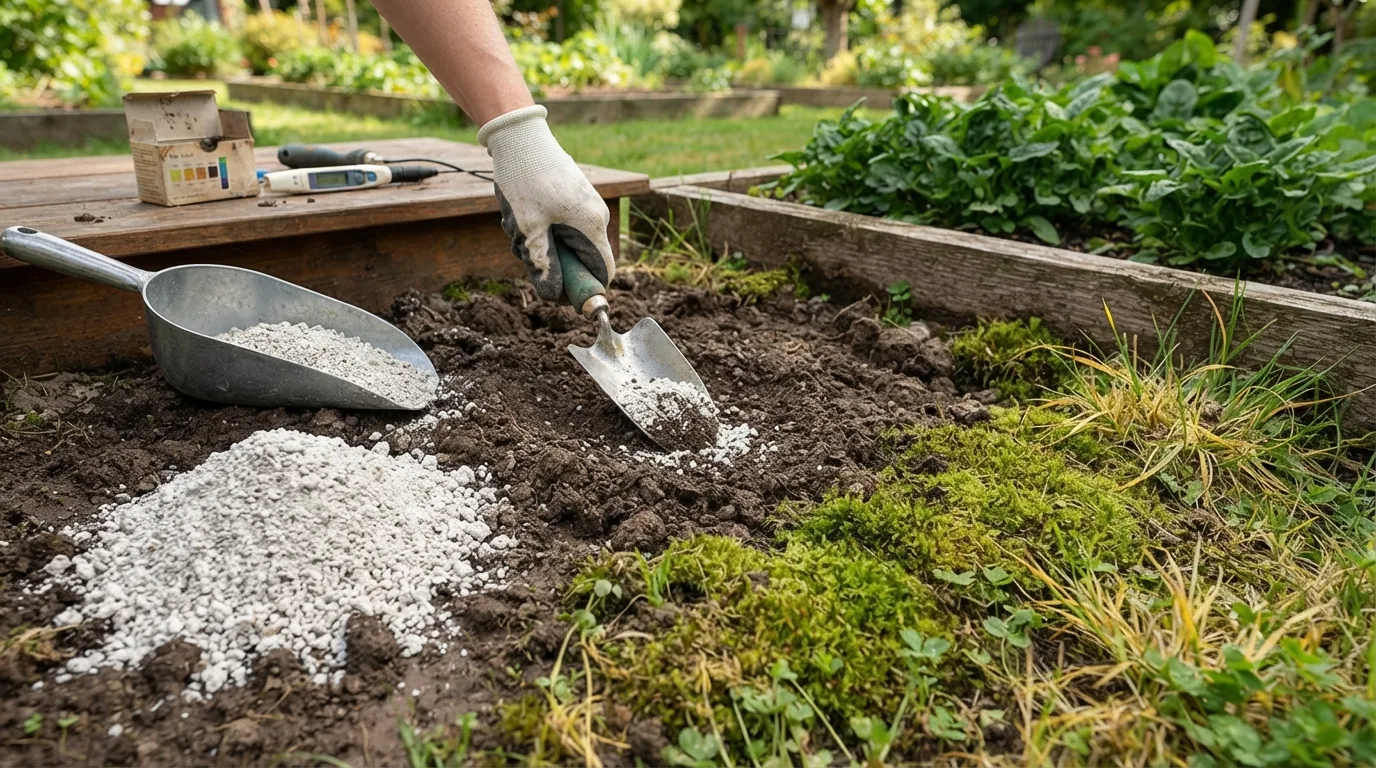
Agricultural lime is the standard fix for acidic soil, raising pH by neutralizing excess acidity, though the exact rate depends on how acidic the soil is and its texture — clay needs meaningfully more lime than sandy soil to shift pH the same amount. Lime works slowly, typically taking a full season to fully take effect, which is why fall application ahead of spring is common advice. Before you buy and spread a bag, learn how to tell if your lawn needs lime so you only treat soil that actually calls for it. One visible clue worth watching for: moss thriving where grass struggles is a classic sign the soil underneath has gone acidic. The full dosing and timing details are below.
What Are the Signs of Acidic Soil?
Stunted or yellowing plant growth despite regular fertilizing, moss establishing in patches where grass should be thriving instead, and certain acid-tolerant weeds proliferating are the visible clues — and once the pH is corrected, boosting soil microbial activity for a healthier lawn is what turns the recovery into lasting improvement. A soil test reading below roughly 6.0 to 6.5 pH, depending on what you’re growing, is the only way to confirm it rather than guess from symptoms alone — see our guide to testing lawn soil for how to run that test yourself.
How Do You Neutralize Acidic Soil?
Agricultural lime (calcium carbonate) is the standard method, working by neutralizing excess hydrogen ions in the soil that keep pH low. It’s a slow, steady chemical reaction rather than an instant fix, which is why lime needs to be applied well ahead of when you actually need the corrected pH. Poor-quality fill soil can undercut that same liming effort, which is why it’s worth knowing the difference between topsoil and lawn soil before amending anything — our comparison covers which one you actually need.
What Should Be Added to Soil If It’s Acidic?
Ground agricultural lime covers most cases. On the opposite end of the pH scale, too much fertilizer brings its own damage — see how to save an over-fertilized lawn from fertilizer burn for the recovery steps. Dolomitic lime is the better choice specifically when soil is also low in magnesium, since it supplies both nutrients in one application. Wood ash works as a smaller-scale alternative for garden beds, though it’s harder to dose precisely than bagged lime. Correcting pH alongside a broader fertilizing plan, rather than as an isolated fix, helps nutrients actually work as intended once pH is back in range.
How Much Lime Do You Need to Fix Acidic Soil?
The right amount depends on current pH, target pH, and soil texture — clay soil requires significantly more lime than sandy soil to shift pH by the same amount, because clay has a much higher buffering capacity. This is exactly why a soil test matters more than following a generic bag-rate recommendation blind.
How Long Does It Take Lime to Fix Acidic Soil?
Typically several months to a full season for lime to fully react and shift soil pH, which is why applying it in fall ahead of a spring growing season is standard advice rather than expecting a quick correction. Retesting after that window confirms whether the application was enough or needs a follow-up dose.
How Do You Lessen Acidic Soil Without Lime?
Wood ash works at a small garden scale, though it’s harder to dose precisely and acts faster than lime, which can risk overcorrection if applied heavily. Avoiding naturally acidifying mulches, like pine bark, in problem areas going forward prevents the soil from re-acidifying as quickly after treatment. Regular topdressing with compost also buffers pH swings over time by building organic matter into the soil. Our guide on how to spread compost on a lawn covers the rate and timing.
Frequently Asked Questions
Can you add too much lime and make soil too alkaline?
Yes. Applying more lime than a soil test calls for can push pH above the ideal range, which locks out micronutrients like iron and manganese the same way overly acidic soil locks out others. Correcting overshot alkaline soil takes even longer than raising pH did, often requiring sulfur applied over another full season.
How often should you retest soil pH after applying lime?
Retest three to four months after application, once lime has had time to react, rather than assuming the first dose was enough. Annual retesting after that keeps pH from drifting back down unnoticed.
Does acidic soil affect lawns and garden plants the same way?
No. Turfgrass generally prefers a near-neutral range, but acid-loving plants like azaleas, camellias, and blueberries actually perform best in the same acidic range that stunts grass. Correcting soil pH only makes sense relative to what’s actually growing in that spot.
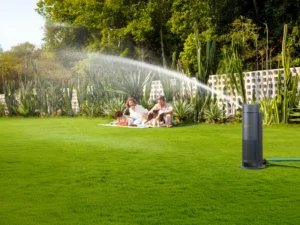
Consistent moisture also affects how evenly lime reacts through the soil profile once it’s applied. The Aiper IrriSense 2 smart irrigation system keeps watering steady during that correction period instead of leaving soil to swing between soaked and dry.
Get more pool and lawn care guides from Aiper on Google