How to Fix an Over-Fertilized Lawn

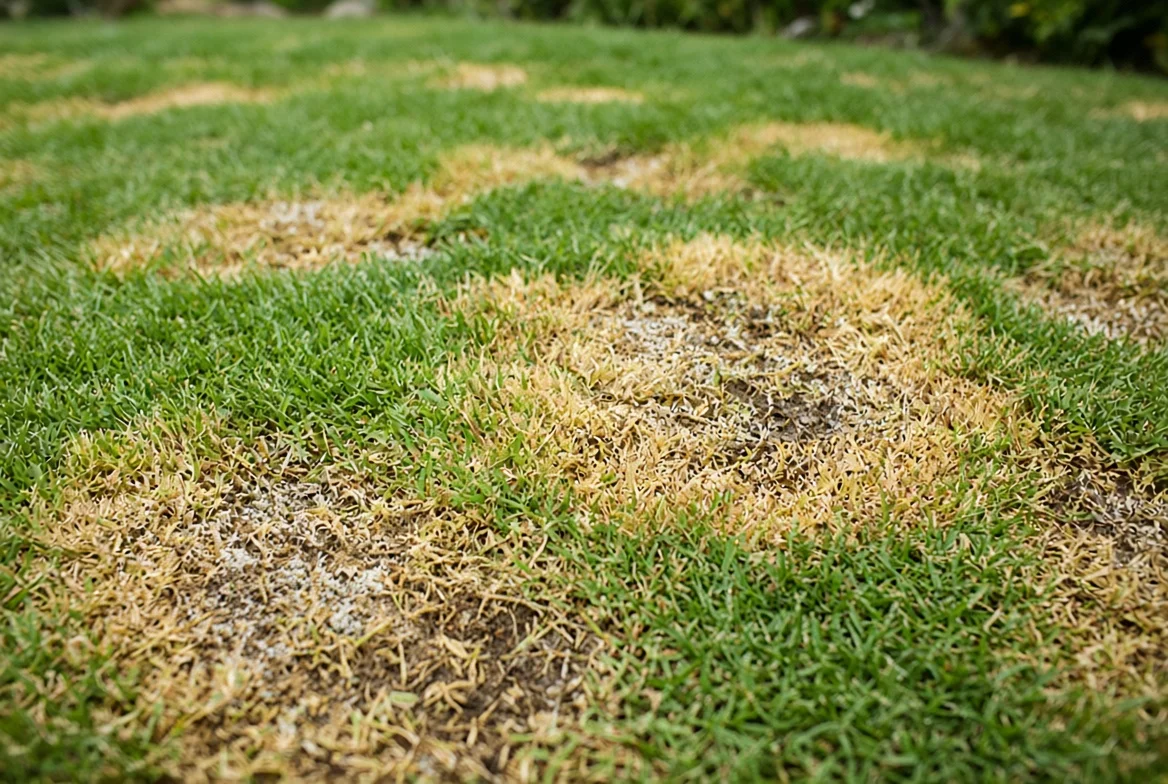
Over-fertilizing can leave grass yellow, brown, wilted, or completely dead, even when the soil has plenty of moisture. The damage can spread quickly, and waiting too long to act can turn grass that could have recovered into a patch that needs to be replaced.
The first step is to dilute and flush the excess fertilizer below the root zone. Then you need to figure out what is actually dead, because fertilizer damage and temporary stress can look similar at first.
This guide covers how to flush an over-fertilized lawn, how quickly to act, and how to tell what will recover.
Tell the Difference Between Burned and Dead
Foliar burn happens when granules sit on wet blades and dissolve directly onto leaf tissue. The damage is limited to the leaf, usually the tips, and the growing point at the base of the plant is untouched. It looks terrible, and it recovers on its own.
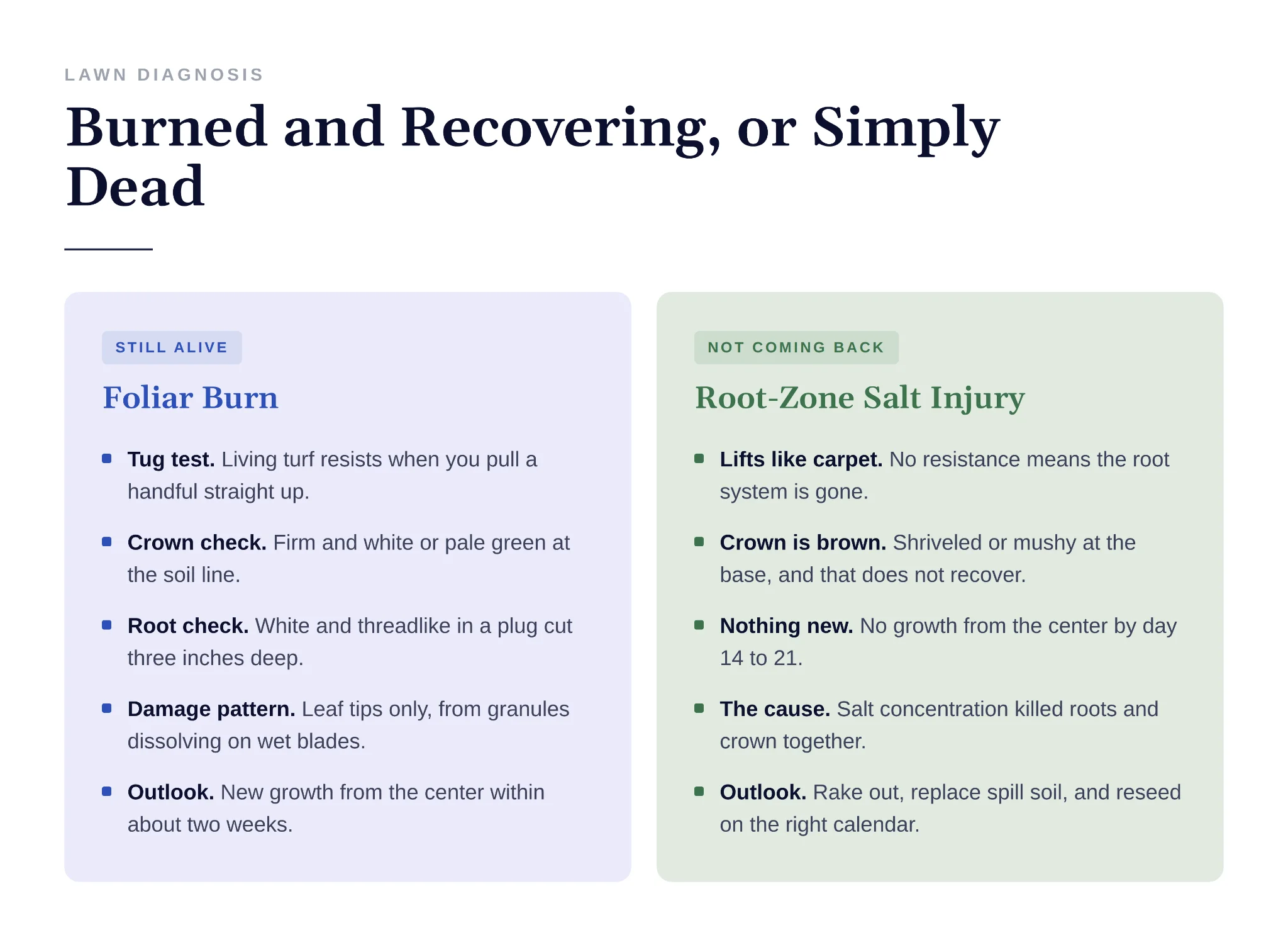
Root-zone salt injury is the other one. Too much product went down, or it never got watered in, and the salt concentration in the top few inches killed the roots and the crown together. Nothing recovers from that.
Two checks separate them.
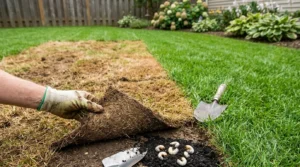
Grip a handful of affected turf and pull straight up. Living turf resists. If it lifts free like a piece of carpet, the roots are gone. Then find the crown, the small whitish node at the soil line where the blades originate, and look at it closely. Firm and white or pale green means the plant is alive and will push new leaves. Brown, shriveled, or mushy means it won’t.
Cut a plug three inches deep in the worst area and check the roots too. White and threadlike is fine. Brown, brittle, and short is not.
If the verdict is unclear, wait fourteen days after a good flushing and look for new growth emerging from the center of the plants. Nothing new by day fourteen to twenty-one means reseeding.
Read the Pattern
Sharp geometric stripes running the length of the yard are a spreader problem, either overlapping passes or a rate set too high with alternating dark green and scorched bands. Squares and rectangles at the ends of runs mean the hopper stayed open through the turns.
A dead circle two feet across with a hard edge is a spill. That one needs different treatment than everything else.
Uniform yellowing across the whole lawn with no pattern usually means the rate was wrong everywhere, or the application went down on drought-stressed turf that had no soil moisture to buffer it.
Water, Now, and Keep Watering
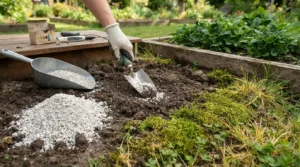
Before any water goes on a spill or a hardscape spread, sweep or blow the visible granules off.
On a concentrated pile, shovel the granules and the top inch of soil out entirely and get them off-site, because flushing that much product in place just carries the whole load down into a smaller area.
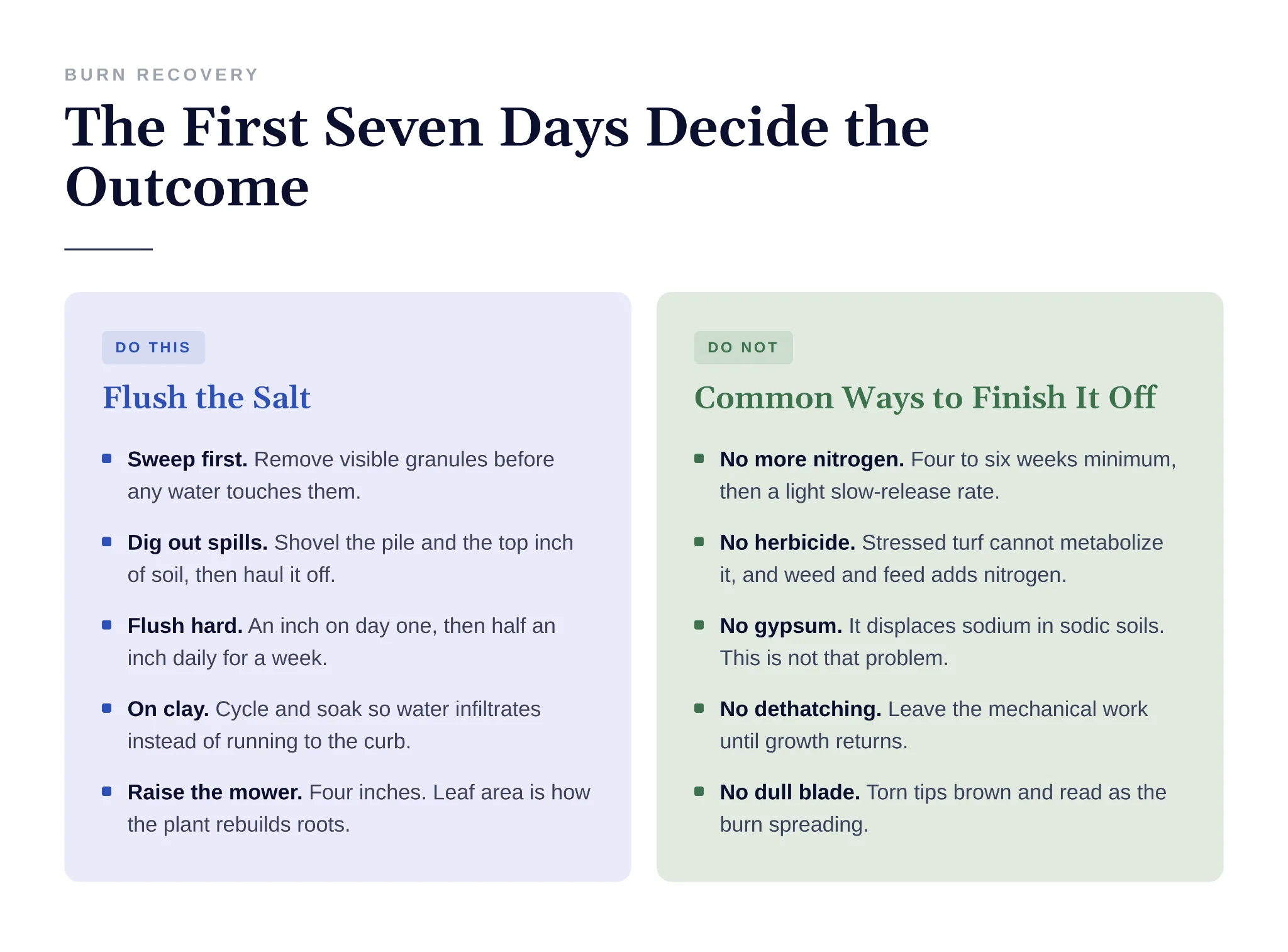
Then irrigate the affected turf heavily and immediately. Roughly an inch of water on day one, then a half inch to an inch every day for the next five to seven days.
The goal is to move dissolved salts down past the root zone, and that takes far more volume than normal irrigation.
Soil type changes how this goes:
- Sand flushes quickly and forgivingly.
- Heavy clay resists infiltration, and dumping an inch on it produces runoff carrying the fertilizer to the curb rather than through the profile.
On clay, cycle and soak instead: run twenty minutes, stop for an hour to let it absorb, run again, and repeat until the volume is in. If water still sheets off, core aerating those areas first will open a path, and the tradeoff of stressing already-damaged turf is worth it when the alternative is salt sitting in place.
Keep the flushing water away from storm drains and open water where you reasonably can.
Getting the water right is most of the recovery, and a hose-end sprinkler dragged around by hand rarely delivers an even inch where you need it.
The Aiper IrriSense 2 maps your yard into separate zones and runs each one on its own schedule from the app, so the burned strip can take a heavy daily flush while the rest of the lawn stays on normal watering. Its EvenRain spray distributes water evenly to reduce soil erosion, which matters on clay, where a hard blast just sends the fertilizer to the curb.
What Not to Do
Do not fertilize again. No nitrogen for at least four to six weeks, and the first application after that should be a light rate of a slow-release source.
Do not apply herbicide of any kind. Pre-emergent, post-emergent, weed and feed, none of it. Damaged turf has no capacity to metabolize a herbicide load, and weed and feed products in particular put more nitrogen on the exact problem you’re trying to solve.
Do not put down gypsum. It gets recommended constantly for this, and it does nothing here. Gypsum displaces sodium in sodic soils, and fertilizer burn from urea or ammonium sources is not a sodium problem.
Do not dethatch, and don’t aerate outside the specific runoff situation described above.
Weeds will appear in the thin areas over the following weeks. Pull them by hand and leave the chemicals alone until the turf is growing normally again.
Mowing Through Recovery
Raise the deck. Cool-season turf recovering from salt injury wants to be at four inches, because leaf area is how the plant rebuilds the root system it just lost, and there is no faster way to stall recovery than removing photosynthetic tissue from a plant already short on roots.
Sharpen the blade first. A dull blade tears the leaf and leaves a frayed edge that browns, which on a damaged lawn reads as the burn getting worse when it’s actually mower damage layered on top.
Take off no more than a third of the height in one pass, and skip a mowing entirely if the lawn isn’t really growing. Bag the clippings for the first few cuts if a lot of dead material is present, then go back to returning them.
Reseeding the Dead Areas
Rake the dead material out hard enough to expose soil. Dead turf left in place becomes a mat that seed can’t reach through.
In a spill spot, replace the soil rather than trusting the flush. Excavate two to three inches, haul it away, and backfill with clean topsoil. Salt concentrated enough to kill turf outright in a defined circle will still be enough to kill seedlings.
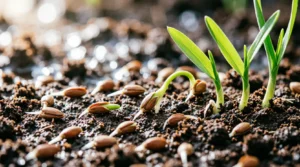
Timing then governs everything. For cool-season lawns, late summer into early fall is the window, once soil temperatures settle into the 50s and 60s with warm days and cooler nights. Spring seeding works but competes with crabgrass germination and rules out any pre-emergent program for the season. For warm-season lawns, early summer is the time for sod, plugs, or sprigs, when the grass has the whole growing season to establish.
Grass type also decides how much seed is even needed. Bermuda, zoysia, and Kentucky bluegrass spread laterally and will close small burned patches on their own given a few weeks of good conditions. Tall fescue and perennial ryegrass are bunch types that grow in place and will not fill a bare spot no matter how long you wait.
Starter fertilizer on new seed is fine and appropriate, and it isn’t a contradiction of the no-nitrogen rule. It’s a low rate with phosphorus for root development, going onto bare soil rather than onto damaged plants.
Preventing the Next One
Calibrate the spreader against the label rate rather than the setting number printed on the bag, which assumes a specific spreader model in specific condition. Then apply at half rate in two perpendicular passes.
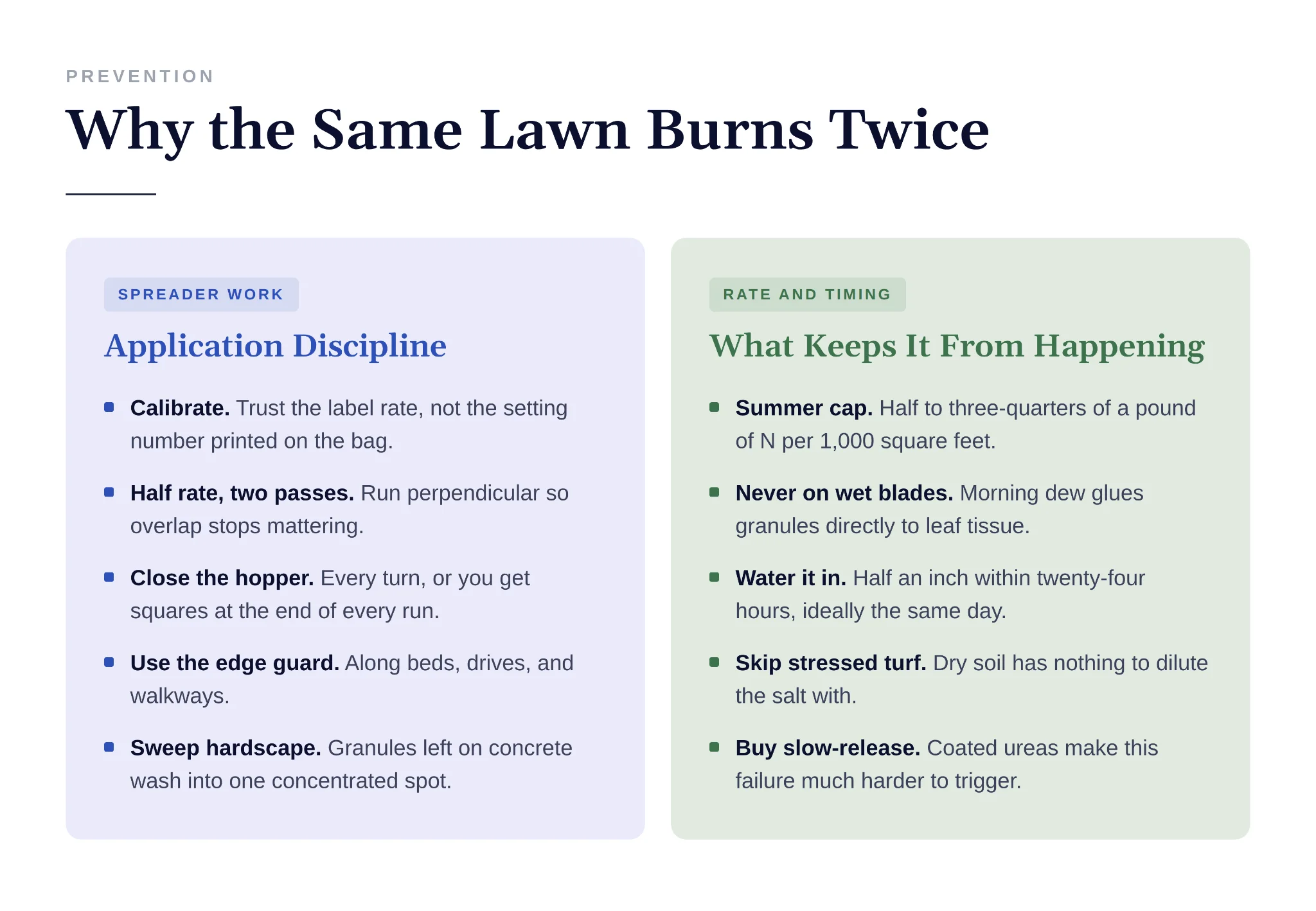
Close the hopper before every turn and use the edge guard along beds and pavement. Sweep whatever lands on concrete back into the turf or into the bag.
Never spread granular fertilizer onto wet blades unless it’s being watered in immediately. Morning dew is responsible for a large share of foliar burn, because the granule sticks to the leaf instead of falling through the canopy to the soil.
Water it in within twenty-four hours, ideally the same day, with a half inch.
Hold quick-release nitrogen to about a half to three-quarters of a pound per thousand square feet in summer heat, and a pound at most in cooler conditions. Coated ureas and methylene urea products release slowly enough to make the whole failure mode much harder to trigger, and they cost more for exactly that reason.
And don’t fertilize turf that’s dormant, drought-stressed, or sitting in dry soil. A lawn with no moisture in the root zone has nothing to dilute the salt with, which is how a correctly measured application still ends up burning.
Get more pool and lawn care guides from Aiper on Google