How to Pre-Germinate Grass Seed

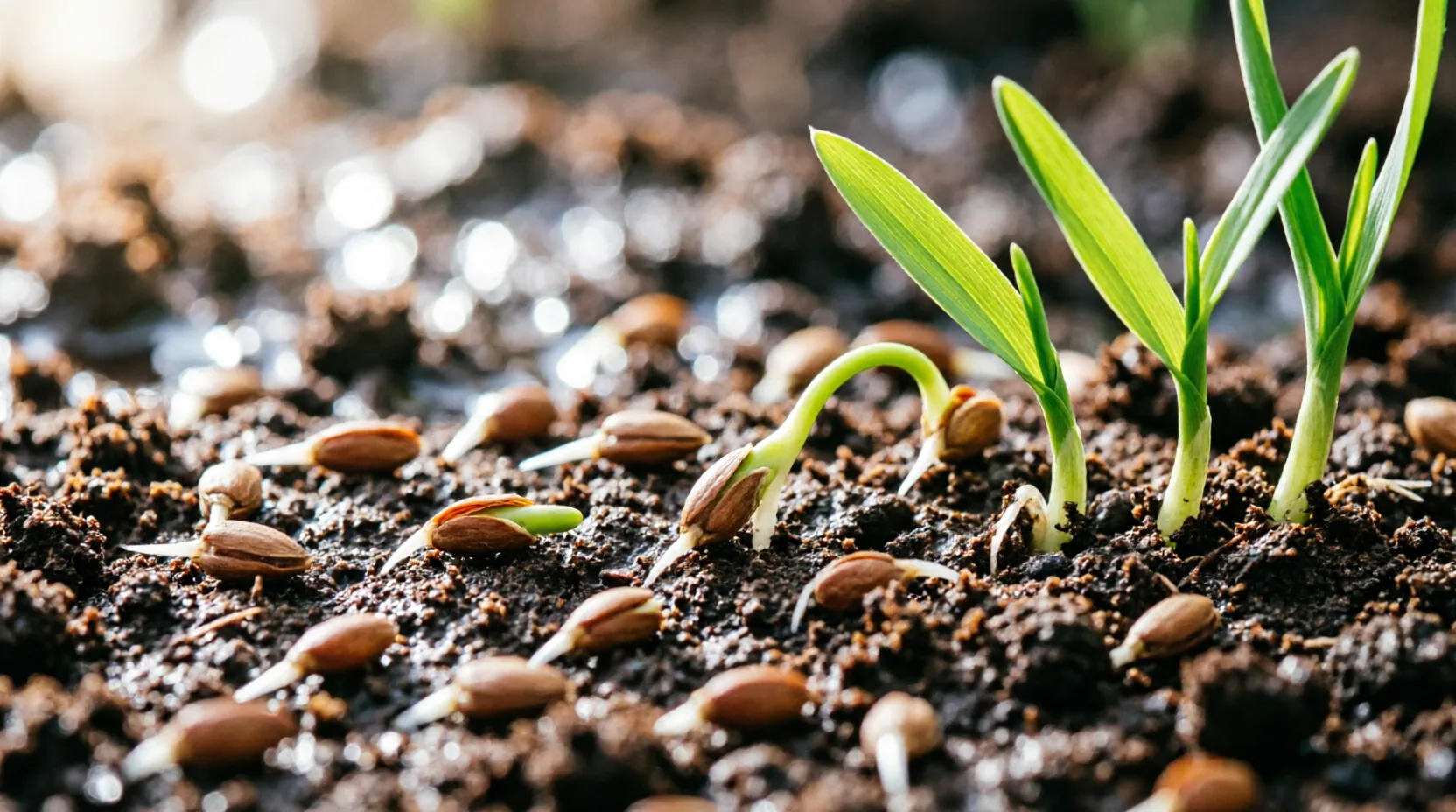
Pre-germinating grass seed for overseeding comes up constantly for anyone trying to speed up patchy spots or a full overseed. The process: soak seed 24 to 48 hours, then keep it moist but not submerged for a few more days until white sprout tips appear, usually 3 to 7 days total, then plant it gently by hand and keep it consistently moist for the following week or two. Most of what’s out there on this is video walkthroughs; the exact timing and handling details are easier to reference here. Thick thatch can block seed-to-soil contact entirely, covered in our guide to dethatching a lawn, which is worth checking before assuming pre-germination alone will fix a patchy lawn.
What Does It Mean to Pre-Germinate Grass Seed?
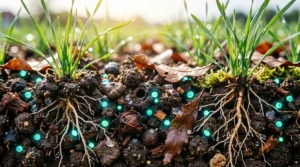
Pre-germinating means soaking and sprouting grass seed in a container before it ever touches soil, so germination happens somewhere controlled rather than depending on soil moisture and temperature outdoors from day one. Once sprouts go into the ground, the soil they land in matters just as much as the pre-soak — our comparison of topsoil versus lawn soil covers which blend actually supports new grass.
Why Pre-Germinate Instead of Just Seeding Directly?
Sprouted seed establishes visibly within days of planting instead of the one to three weeks normal outdoor germination can take, since the slowest part of the process already happened in the container. None of that matters if seed can’t reach bare soil, so when thatch has built up, how to scarify a lawn before overseeding clears the way first. It also raises success odds for patchy dead-spot repairs, since you can see which seeds actually sprouted before you plant them, rather than scattering seed and hoping. It also shortens the window unsprouted seed would otherwise sit exposed to birds or wash-off from rain or irrigation. The same head start matters even more on genuinely large bare patches, where our walkthrough for fixing large bare spots in a lawn covers the full recovery timeline.
How Do You Pre-Germinate Grass Seed Step by Step?
Rinse the seed in a mesh bag or bucket, then soak it for 24 to 48 hours, changing the water daily to prevent mold and odor from building up. Drain the seed and keep it moist but not submerged in a bag or shallow container for several more days, stirring or rinsing it daily, until you see white sprout tips emerging. Once seedlings are up, ease into a full watering schedule for new grass to push roots deeper.
Spread the seed promptly once sprouts appear — sprouted seed is fragile and dries out much faster than dormant, unsprouted seed, so a delay between sprouting and planting risks losing the sprouts you just grew.
How Long Does It Take Grass Seed to Pre-Germinate?
Typically 3 to 7 days total, depending on grass species and water temperature. Cool-season and warm-season grasses germinate at different rates even under identical conditions. Warmer water speeds sprouting, but watch for mold risk when combining heat with poor airflow in a closed container.
How Do You Plant Pre-Germinated Grass Seed Without Killing the Sprouts?
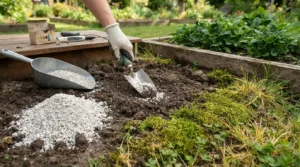
Spread it gently by hand rather than through a mechanical spreader, which can damage fragile sprouts on contact. Keep the newly planted sprouts consistently moist for the following one to two weeks — a sprouted seed that dries out dies quickly, unlike dormant unsprouted seed, which can simply wait for better conditions. This is also the stage where overseeding technique and pre-germination overlap most, since both need the same careful, consistent watering window after planting.
Does Pre-Germinating Grass Seed Actually Save Time Overall?
Yes, for total time to an established lawn, since germination happens off the clock in a container while you handle other soil prep. But sprouted seed needs immediate, consistent watering attention the moment it’s planted, so the labor shifts to a shorter, more demanding window rather than disappearing — a detail most quick video walkthroughs skip. Timing that watering window is easier with the germination process covered in our guide to reseeding a lawn, which pre-germination is a variation on.
Frequently Asked Questions
What water temperature works best for pre-germinating grass seed?
Room temperature water, around 65 to 75 degrees Fahrenheit, sprouts most cool- and warm-season grasses reliably without pushing mold risk too high. Water much warmer than that speeds sprouting further but needs daily changes and good airflow to keep mold from taking hold before sprouts appear.
What if only some of the seeds in a batch sprout?
That’s normal — expect a mixed batch rather than uniform sprouting, since seed viability varies even within the same bag. Plant the sprouted seed on schedule and either discard the rest or give unsprouted seed a couple more days before deciding it’s not viable.
Can you delay planting pre-germinated seed if rain or a storm is coming?
A day’s delay is usually fine if you keep the seed moist and cool, but sprouts left in a container for several extra days start tangling and drying out faster than they would in soil. If a longer delay looks likely, it’s better to plant into imperfect conditions than let sprouted seed sit unplanted for multiple additional days.
Consistent post-planting moisture is exactly the part of this process that’s easiest to get wrong on a fixed watering schedule. The Aiper IrriSense 2 smart irrigation system adjusts watering to actual soil conditions during that critical window, instead of leaving newly planted sprouts to a timer that doesn’t know they’re there.
Get more pool and lawn care guides from Aiper on Google