How to Overseed a Lawn Properly

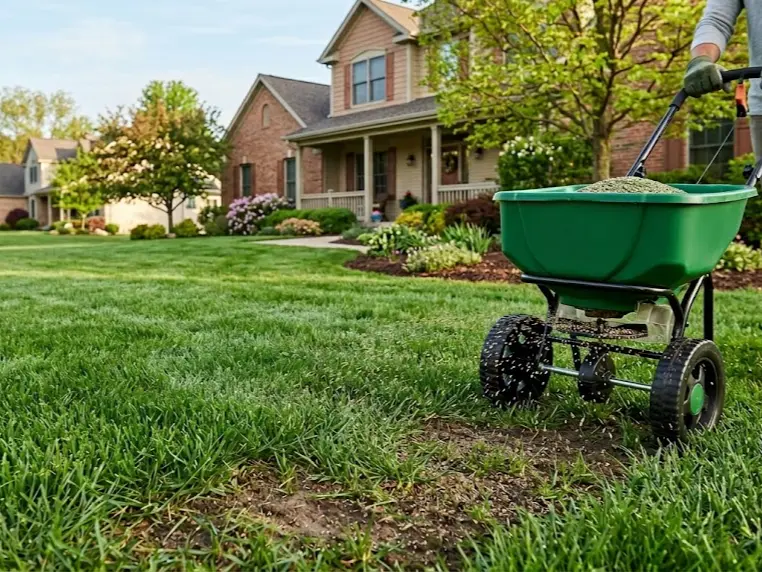
Most thin lawns aren’t dying. They’re just under-seeded.
Grass thins out over time, the way anything does that gets walked on for years and sits through a few rough winters, and the fix isn’t more fertilizer or more water. It’s new plants.
The seed itself is the easy part of that. Almost everything that decides whether it works happens before you spread it and in the two weeks after. Overseeding an entire lawn is a different job from patch repair, and how to fix large bare spots in a lawn focuses specifically on the larger, worn-out sections.
Overseeding Is A Fix, Not A Renovation
Overseeding means spreading grass seed over the lawn you already have, not tearing it out and starting over. The word turf often shows up in the same advice, so it’s worth knowing how the words turf and lawn differ before you spread. That second job is reseeding, and most lawns never need it.
The right lawn for overseeding is mostly healthy — call it more than half good grass — with thin patches, bare spots, or an overall tired look. The wrong lawn is one where weeds outnumber grass, or where the ground is so compacted nothing grows. Overseeding won’t fix those; it’ll just bury the problem under a thin layer of seed.
And if grass simply won’t grow in a spot no matter what you do, a clover lawn is the low-effort alternative worth considering before you fight it another season.
Timing Decides Whether It Takes
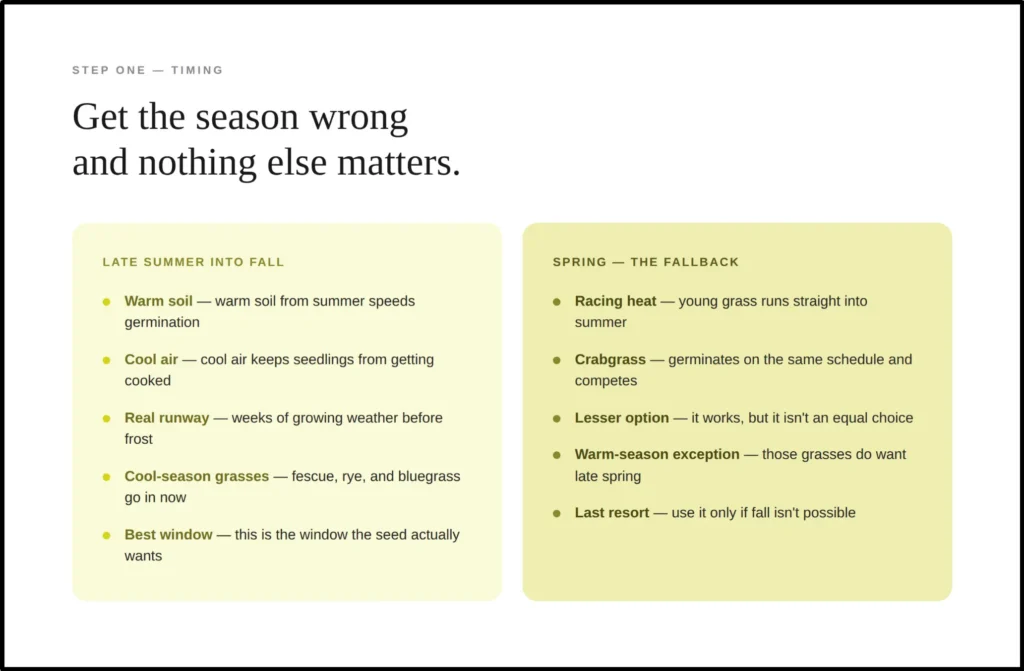
The seed doesn’t care about the calendar. It cares about soil temperature.
For cool-season grass — the northern US, most of the UK and Canada — early fall is the best window by a wide margin. The soil is still warm from summer, the air has cooled, rain is more reliable, and weed pressure has dropped off. Late August into September for most temperate climates, when soil sits around 55–75°F. Spring is a distant second.
For warm-season grass in the southern US and Australia, flip it: seed from late spring into summer, when the soil is warm enough to germinate — roughly 70°F and rising.
Overseeding a cool-season lawn in July is the most common way to spend money and get nothing. The seed germinates, fries in the heat, and dies before it roots.
Cut It Low, Then Get The Debris Out
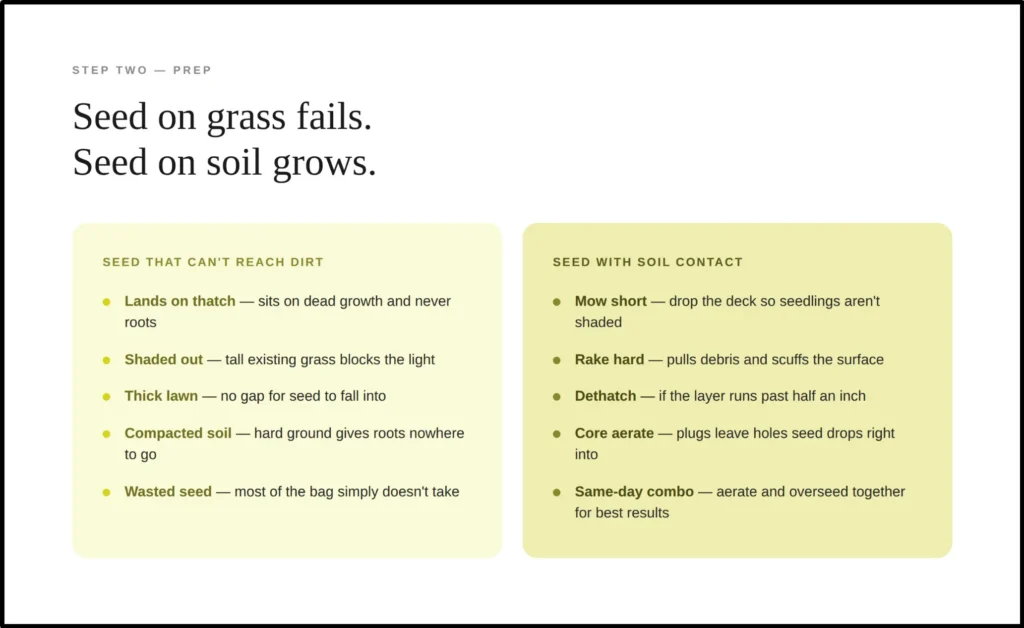
New seed has to reach the soil, and an overgrown lawn hides the soil from it. Mow lower than you normally would — down to about 1.5 to 2 inches — and bag the clippings.
Then rake. Get the dead grass, leaves, and surface junk out. If there’s a matted layer of old stems and roots sitting between the green and the soil, that’s thatch, and it’s the single biggest reason seed fails — the sprouts root into the mat instead of the ground.
When you can see bare soil between the blades of grass, you’ve done enough. Thin thatch comes out with a hard rake or a dethatching pass; a layer thick enough to feel spongy underfoot is a scarifying job, not a raking job.
The Seed Has To Touch Soil, Not Sit On Top
Everything else in overseeding is secondary to seed-to-soil contact. Seed sitting on top of the grass is bird food.
On hard or compacted ground, core-aerate first: three or four passes, 20 to 40 holes per square foot. The holes give the seed somewhere to land and give the roots somewhere to go.
On a larger lawn, a slit seeder does both jobs at once — it cuts shallow grooves and drops seed straight into them. On a small thin spot, none of that machinery is necessary; a hard rake, breaking the surface enough that soil shows, is the whole prep.
Match The Seed To What’s Already There
Overseed with the same type of grass, or one that’s compatible — not whatever bag says “sun and shade.”
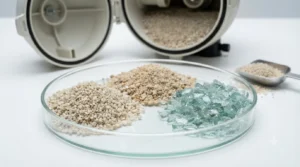
Cool-season lawns: Kentucky bluegrass for full sun (slow to establish, but fills in permanently), tall fescue for heat and drought tolerance, perennial ryegrass when you want green fast, and fine fescue for shade. Warm-season lawns: Bermudagrass.
The classic mistake is overseeding a bluegrass or fescue lawn with annual ryegrass because it was cheap. It comes up in a week, looks wrong, and dies within a year — leaving you exactly where you started.
How Much Seed You Actually Need
Cool-season overseeding takes about 1 to 2 pounds of seed per 1,000 square feet. Warm-season Bermudagrass runs around 1 pound. Don’t confuse that with the new-lawn rate on the bag, which can be three to five times higher.
Measure the lawn before you buy — a grass seed calculator does the math if you’d rather not pace it off by hand. Most people overseed too thin, blame the seed, and then double their cost the second time. A 5,000-square-foot lawn at 2 pounds per 1,000 is 10 pounds, not two bags of “should be enough.”
Spread In Two Directions, Then Get It Off The Surface
Use a broadcast or drop spreader on its lowest setting, and go over the lawn in one direction, then cross it at 90 degrees. The second pass catches the streaks the first one missed.
After spreading, a light rake or a quick roll presses the seed just under the surface — deep enough that birds and rain won’t move it, shallow enough that it can still see light. Hand-spread small areas, then rake them the same way.
Feed It, But Not With Weed Killer
New grass grows roots first, and a starter fertilizer — the kind high in phosphorus, the middle number on the bag — gives it what it needs. Apply it at seeding time.
What you must not do is reach for a weed-and-feed or a crabgrass preventer at the same time. Both stop grass seed from germinating as effectively as they stop weeds. If you used either earlier in the season, overseed on a different schedule — the FAQ below lists exactly how long to wait.
For the exact order to aerate, overseed, and fertilize this fall, see our fall lawn overhaul in the right order guide.
Water Light, Water Often, Then Back Off
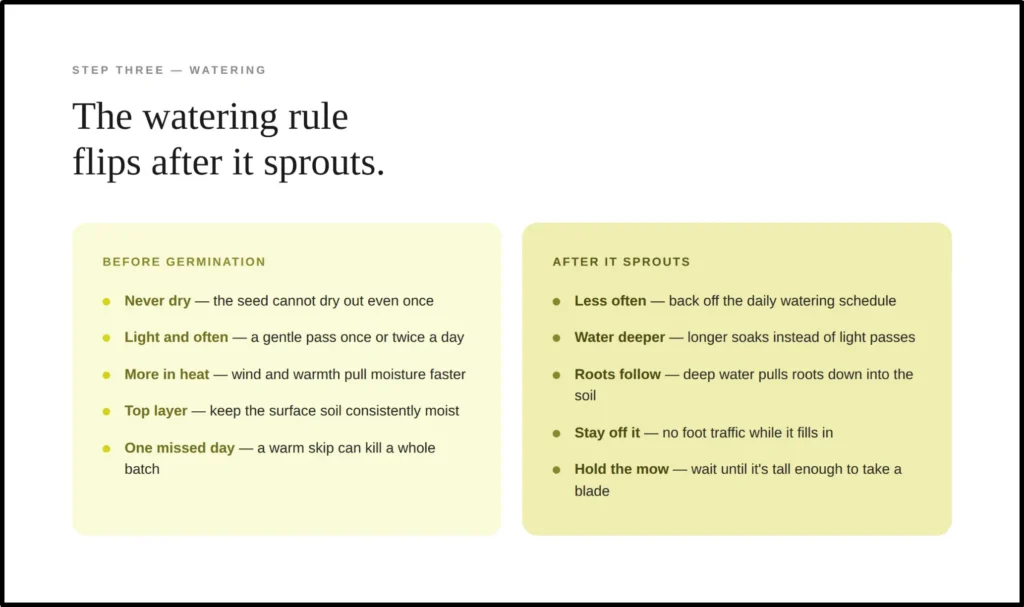
The goal is to keep the top inch of soil moist, not soaked. Light watering two or three times a day beats one deep soak, which pools and washes the seed into low spots.
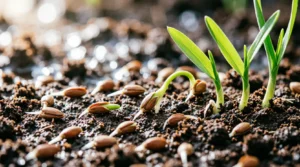
How fast it comes up depends on the seed: perennial ryegrass in about 5 to 7 days, tall fescue 7 to 12, Bermudagrass 7 to 21, and Kentucky bluegrass a slow 14 to 21. Don’t decide it failed on day five if you planted bluegrass.
Once the seedlings are up, switch to deeper, less frequent watering — about an inch a week. The dry-out between waterings is what pushes roots down instead of sideways.
A Light Cover Helps — A Heavy One Buries It
Covering the seed is optional, and mostly worth it on slopes or in hot, windy spots where seed dries out or washes away. A thin layer of straw or compost mulch holds moisture and hides the seed from birds.
Keep it genuinely thin — you should still see soil through it. Never more than a quarter inch of anything over the top. Heavier than that and you’ve smothered both the seed and the grass you’re trying to save.
The First Two Weeks Decide Everything
Keep foot traffic off, and keep it moist. Those two weeks between germination and first mowing are where most overseeds are lost, not on the day you spread the seed.
Hold off mowing until the new grass is 3 to 4 inches tall. Then cut high — raise the deck to about 3 inches — and mow on a normal schedule from there. The mistake is going back to scalping it short too soon, which shades and crowds the seedlings out.
Once you’re back on a regular schedule, a consistent back-and-forth pattern is what gives a lawn its stripes.
Why It Didn’t Come Up
If you’re staring at the same thin lawn a month later, it’s almost never the seed’s fault. It’s usually one of four things: the seed never touched soil, the first two weeks got too hot or too dry, birds ate it, or a weed-and-feed was still in the ground.
Check in that order. If the soil under the seed is hard and shiny, it was a contact problem. If the seed is gone, birds. If it sprouted and vanished, water. And if nothing happened at all in a lawn that was recently weeded, it was the herbicide.
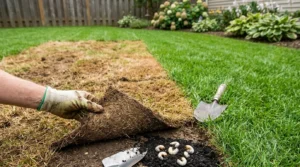
One more possibility worth ruling out: grubs. A lawn that thins out fast and lifts up like a loose carpet has a pest problem, not a seeding problem.
Can You Overseed Without Aerating?
Sometimes, yes. If the soil is already loose, the lawn is small, and you’re filling thin spots rather than a compacted mess, a hard rake and a light topdress are all the “aeration” you need.
But on hard, bare, or high-traffic ground, overseeding without aerating is throwing seed at a wall. The seed can’t root in soil that won’t let water or roots in, and you’ll be back next season doing the job twice.
Frequently Asked Questions
About 4 weeks after a broadleaf weed killer, and roughly 4 months after a crabgrass pre-emergent. The label prints the exact “wait before seeding” number — go by that, not by feel.
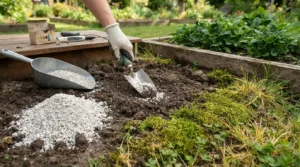
Treat the moss first, then overseed once it’s dead and raked out. Seeding into live moss buries a growing problem. See our guide to getting rid of moss in a lawn for the order.
Not existing ones. It thickens the turf so fewer new weeds get through, but the weeds already there keep growing until you pull or treat them. Do that before seeding, or they’ll compete with the seedlings.
Wait until the new grass is 3 to 4 inches tall — usually two to four weeks. Cut on the highest setting and never mow wet grass, which tears seedlings out by the roots.
Yes, but you’ll fight more weeds and more heat, and you have to skip the crabgrass preventer that season. Fall gives seedlings the strongest start; spring is the workable fallback.
It helps. Watering the day before, just enough to moisten the top inch, makes the seedbed receptive without leaving it soggy, which is easier to work with than bone-dry soil.
Fast grasses green up within a couple of weeks, but the dense, filled-in look takes a full growing season. Judge the result next fall, not two weeks after seeding.
A fraction. Seed for a typical lawn runs tens of dollars; a full renovation — sod or a complete reseed — easily costs ten times that in seed, soil, and labor.
The Aiper IrriSense 2 helps automate the watering without turning lawn recovery into a daily routine. It maps zones, adjusts around weather conditions, and waters more precisely than a standard sprinkler setup, which matters when you’re trying to establish thicker grass instead of creating runoff or uneven growth patterns.
Get more pool and lawn care guides from Aiper on Google