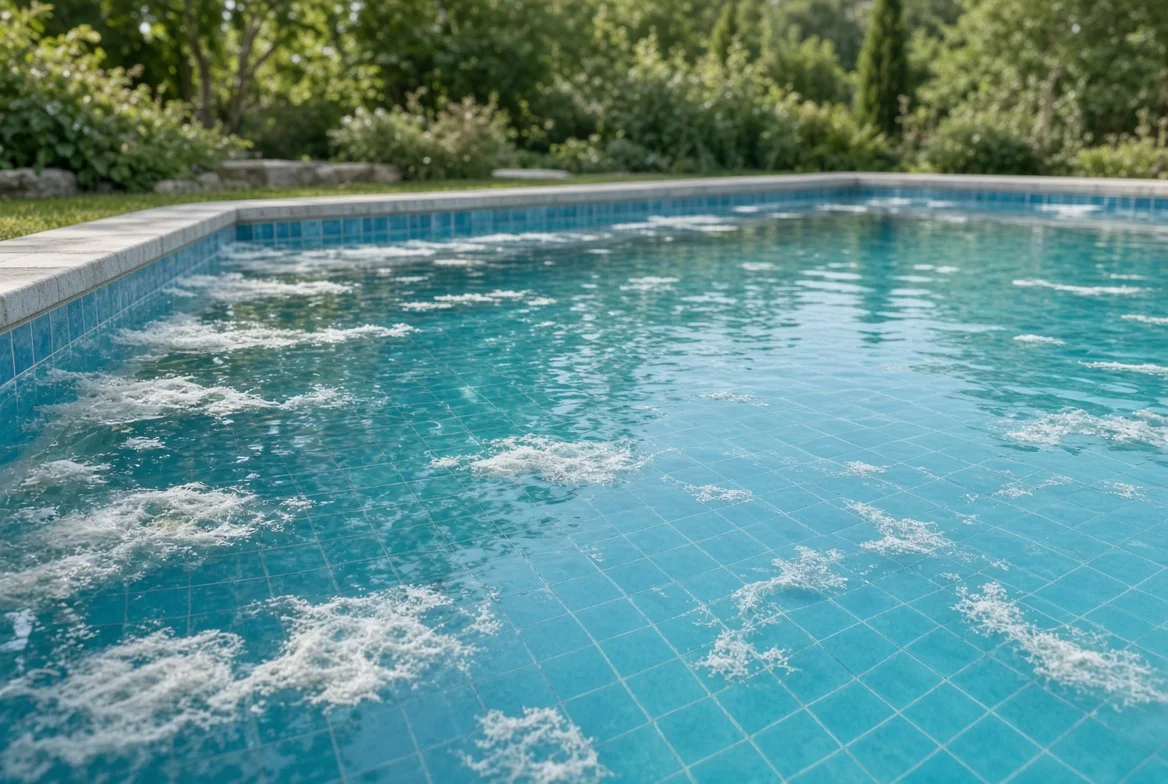
White water mold grows in places a shock doesn’t reach well: inside pipes, in the filter, in the skimmer, and behind the pool light.…
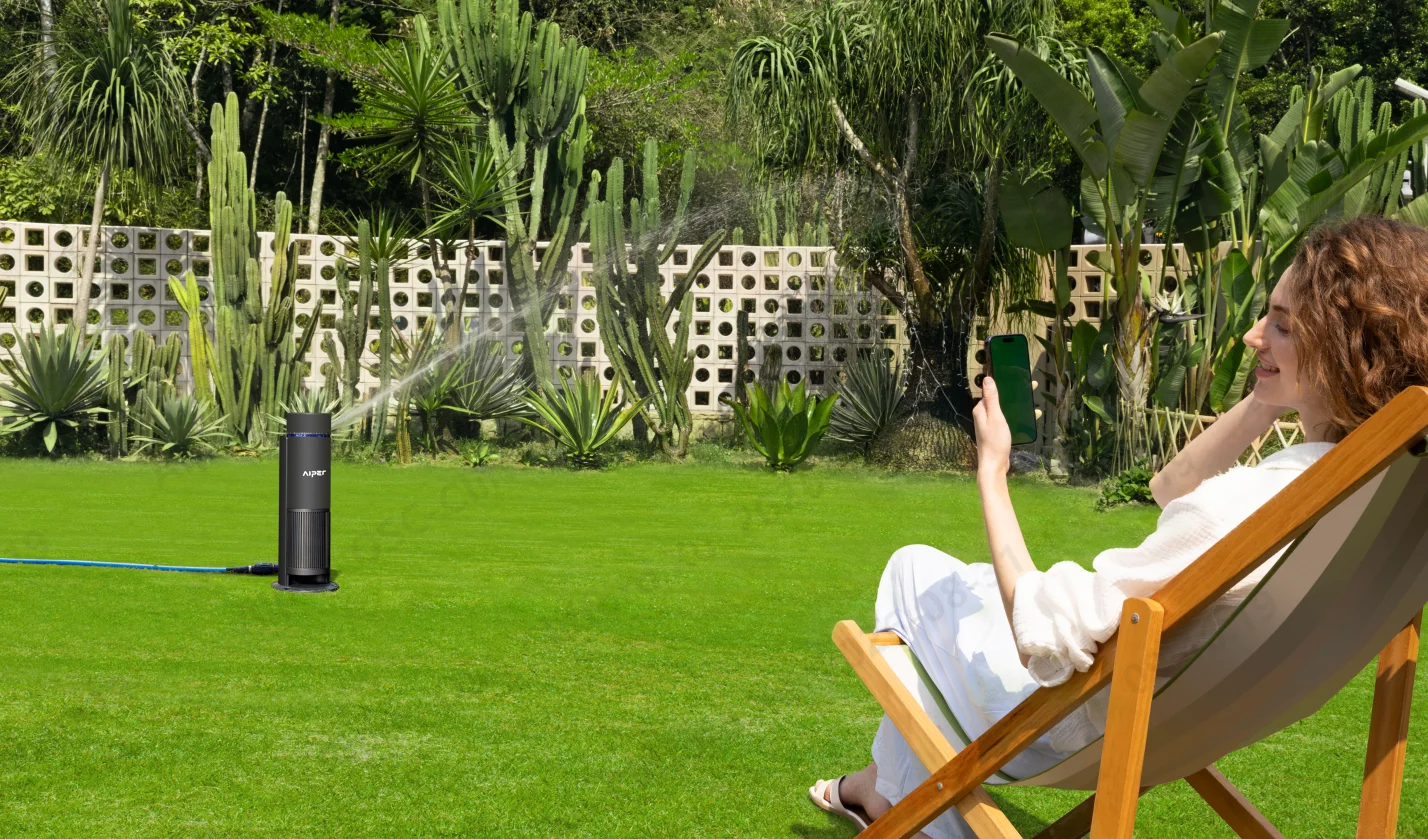
Uneven watering can leave one part of your lawn dry, pale, or thinning while the rest stays healthy. Running the zone longer often makes…
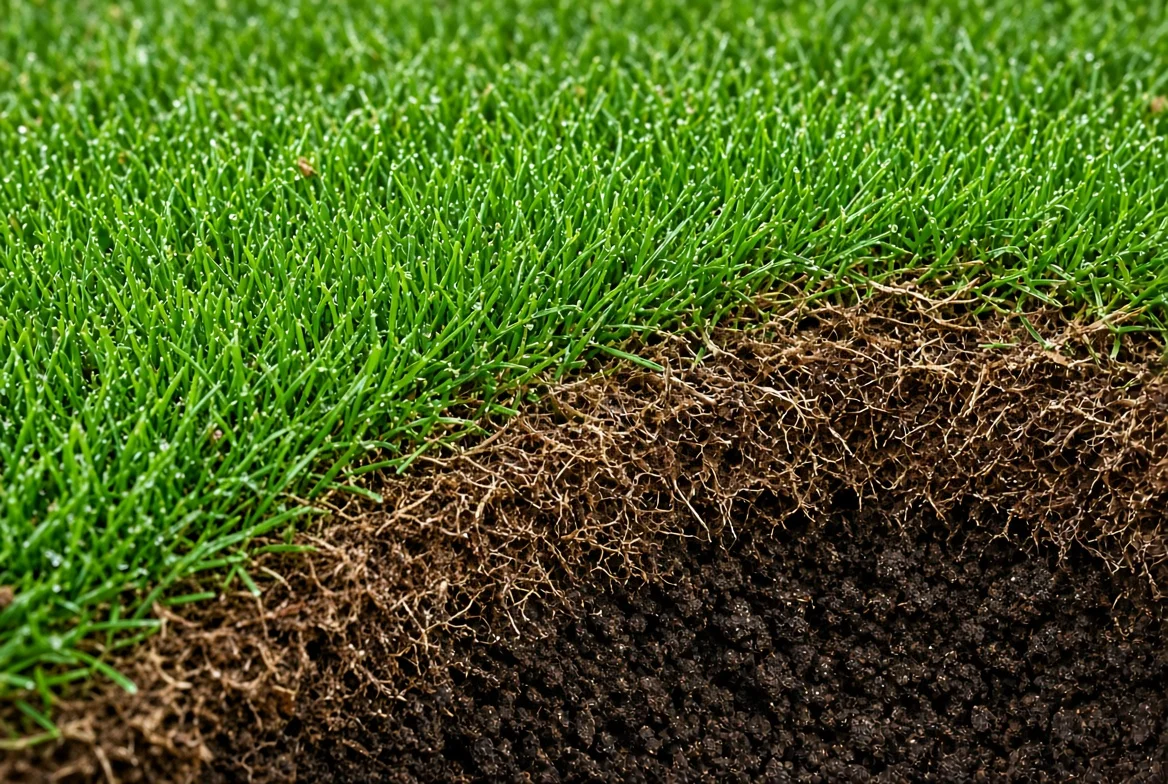
Scarifying is a major intervention, and many lawns don’t need it. The process removes the layer of dead and matted material between the grass…
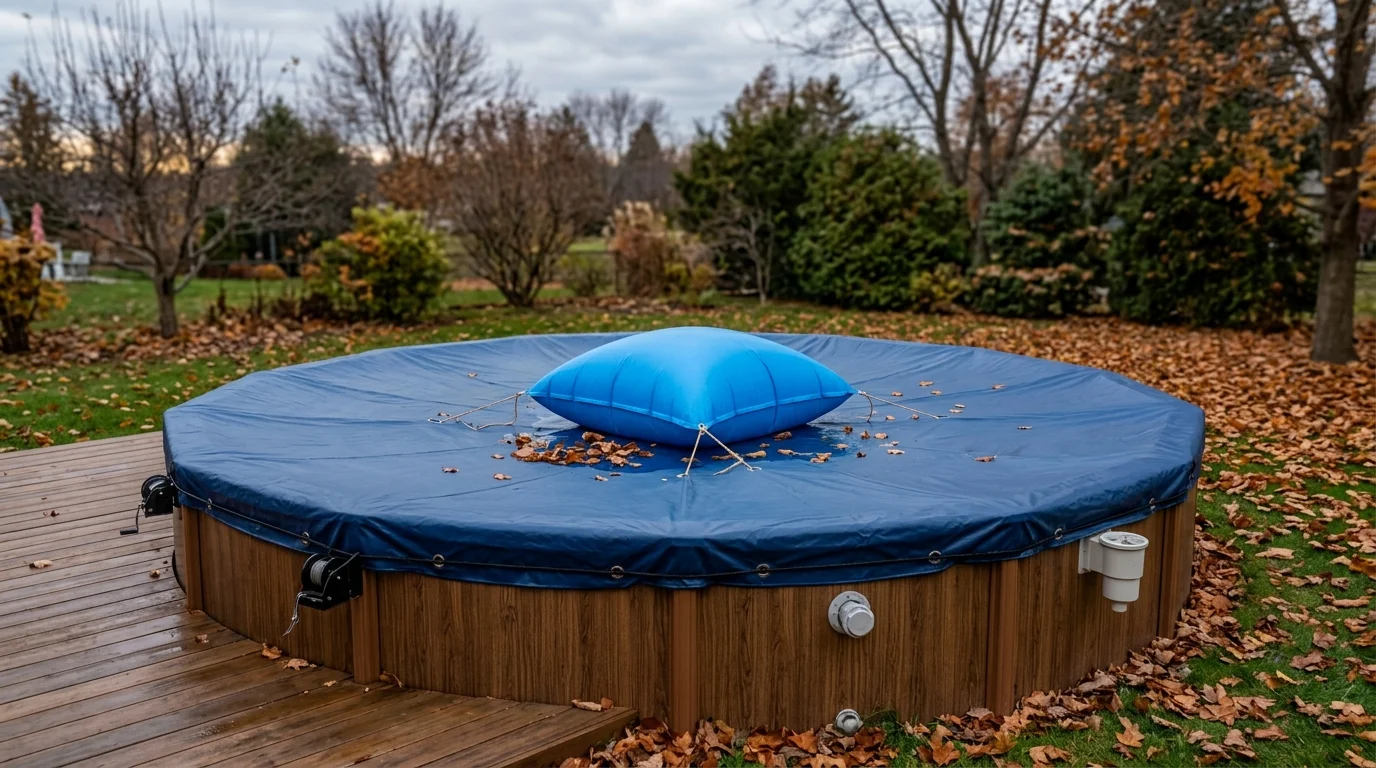
Winterizing an above-ground pool is about protecting the liner, skimmer, cover, pump, and other equipment from months of cold weather. Most winter damage comes…
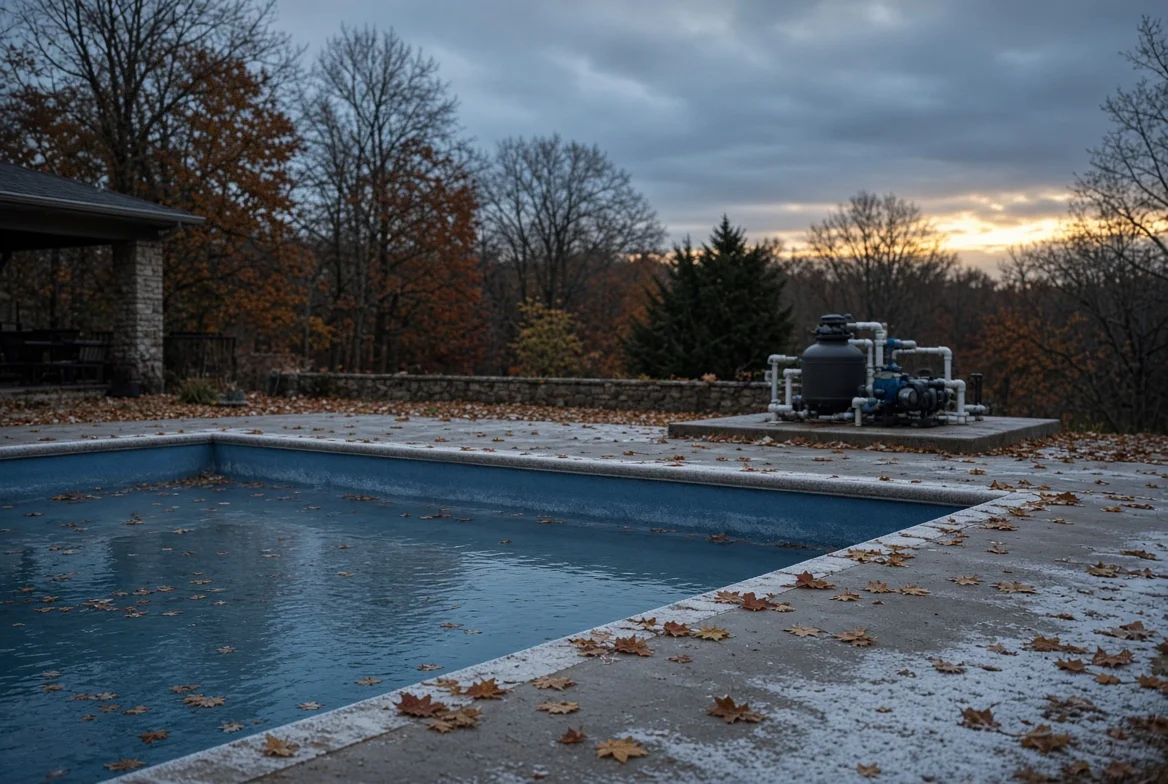
Water left inside pool plumbing can freeze during winter and crack pipes, fittings, skimmers, and equipment. The goal of blowing out pool lines is…
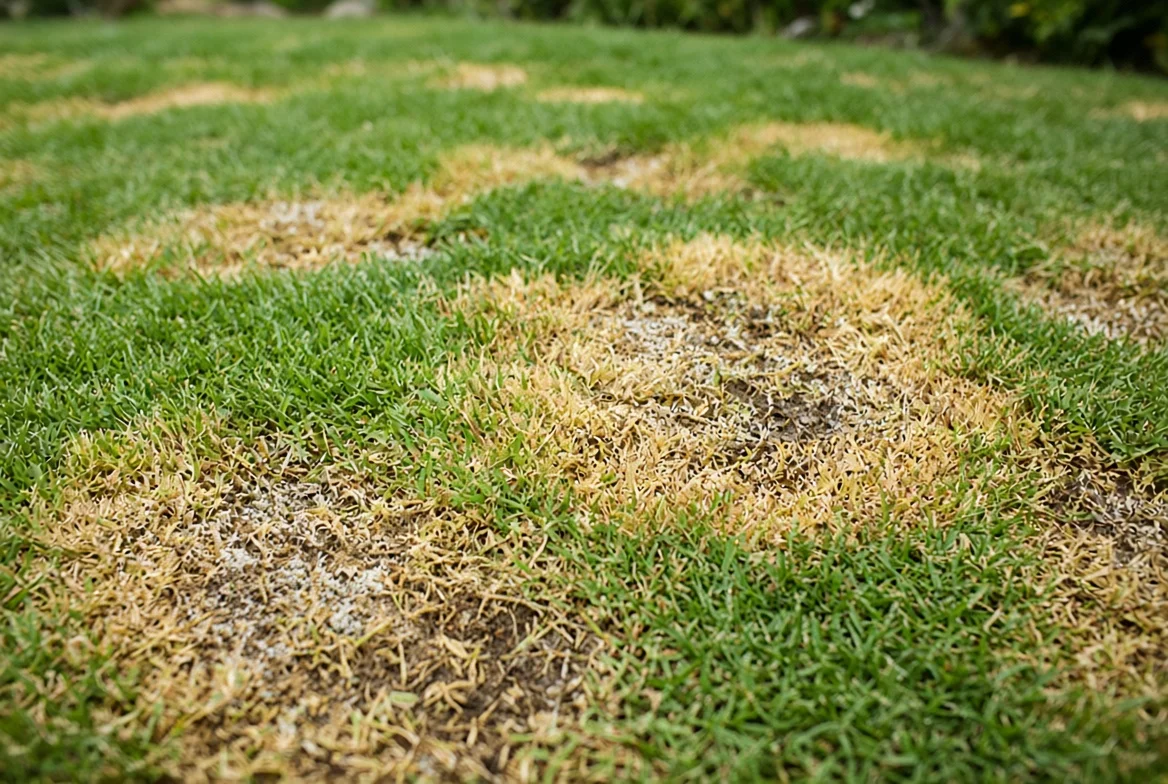
Over-fertilizing can leave grass yellow, brown, wilted, or completely dead, even when the soil has plenty of moisture. The damage can spread quickly, and…
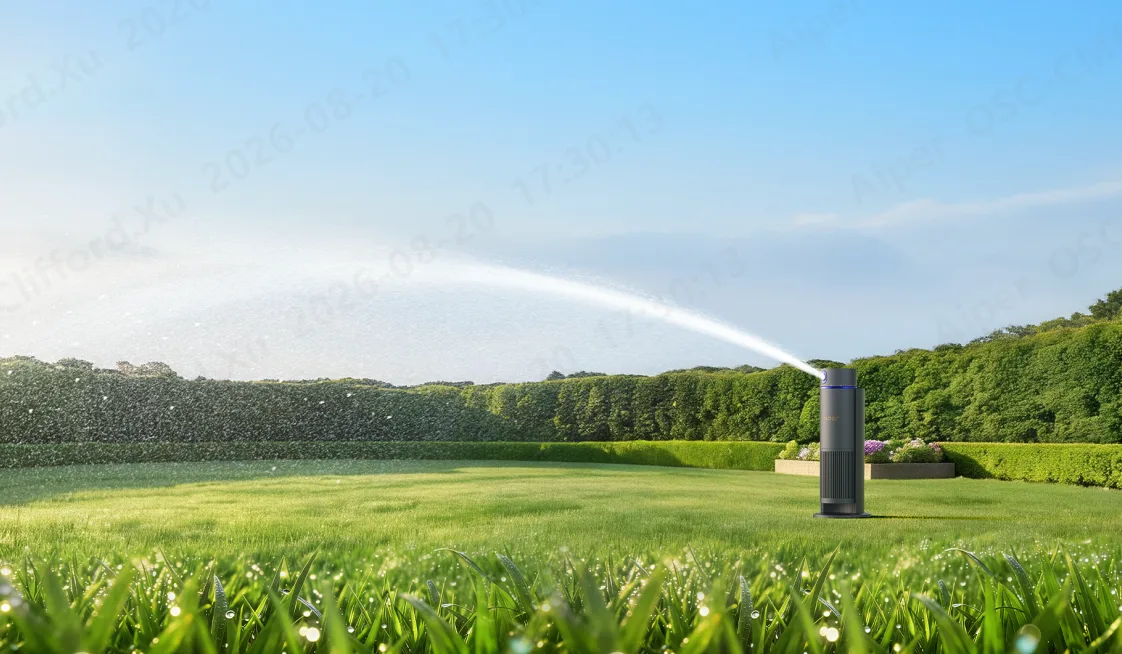
Every irrigated lawn has a dry spot somewhere. Usually the same one in the same corner or the same strip along the drive, and…
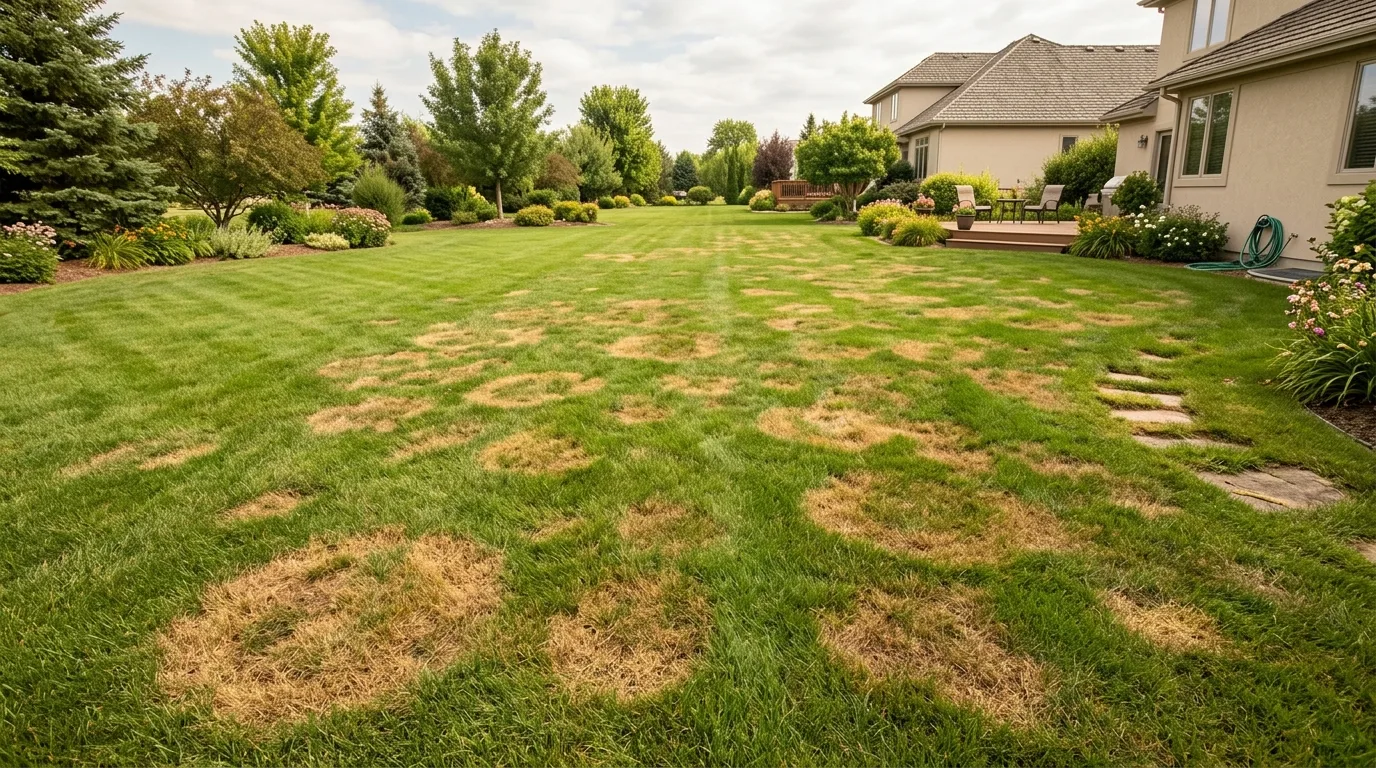
Almost everybody diagnoses a brown spot by its color, and color is the least useful thing about it. Dead grass is dead grass. What…
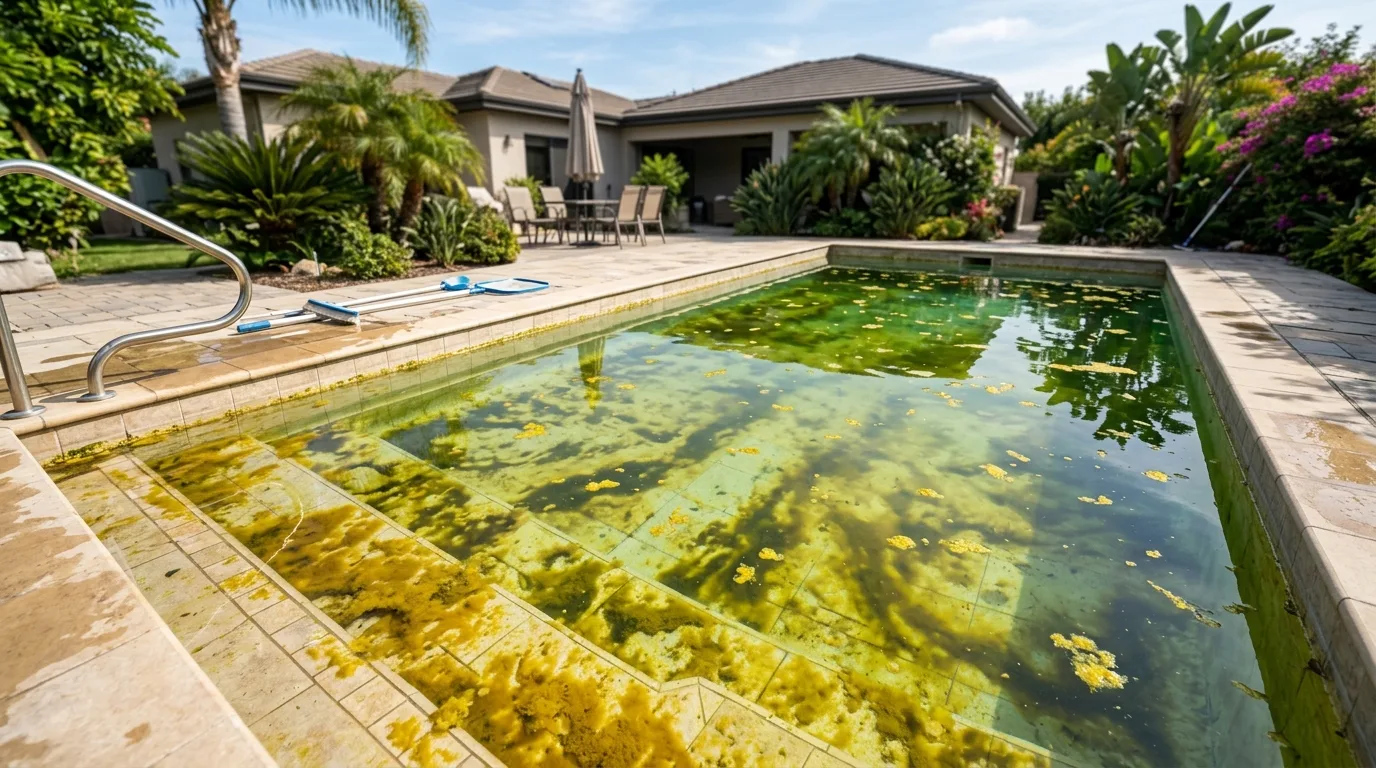
Mustard algae is easy to mistake for dirt. Your pool stays clear, chlorine reads around 2 ppm, and a brownish-yellow film appears along the…
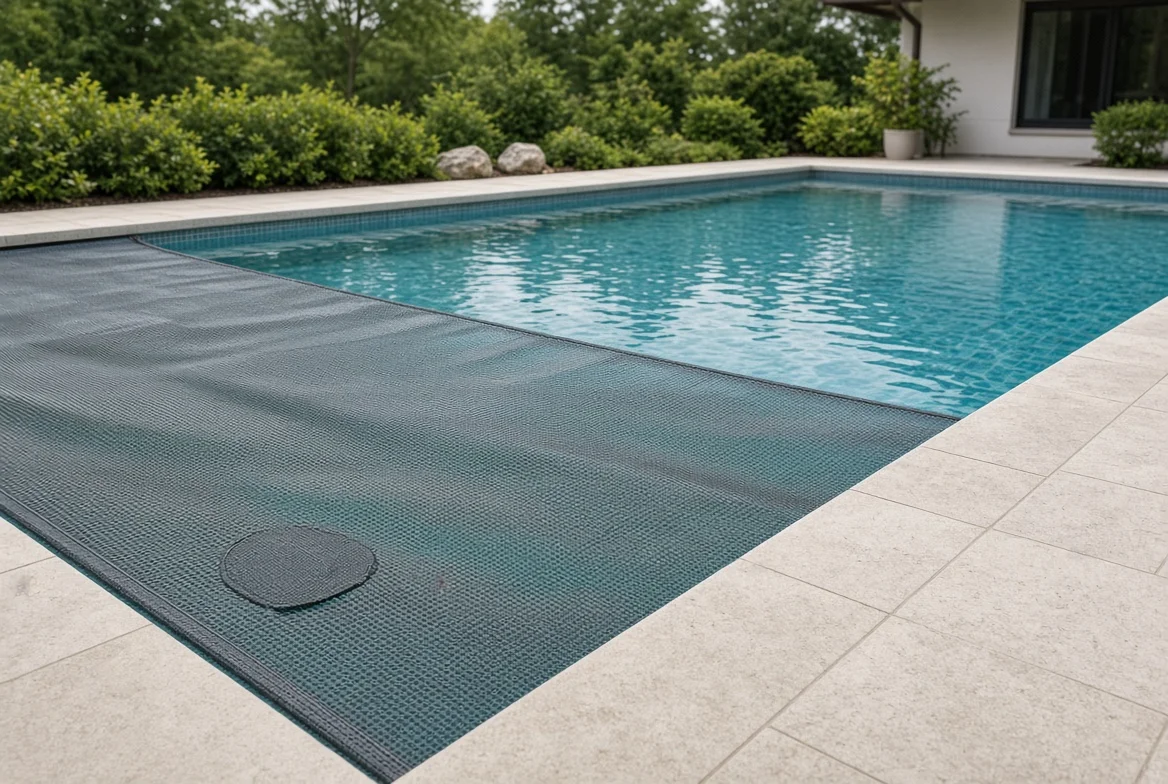
A damaged pool cover doesn’t always need replacing. Small tears, holes, and worn areas can often be repaired, but the right fix depends on…
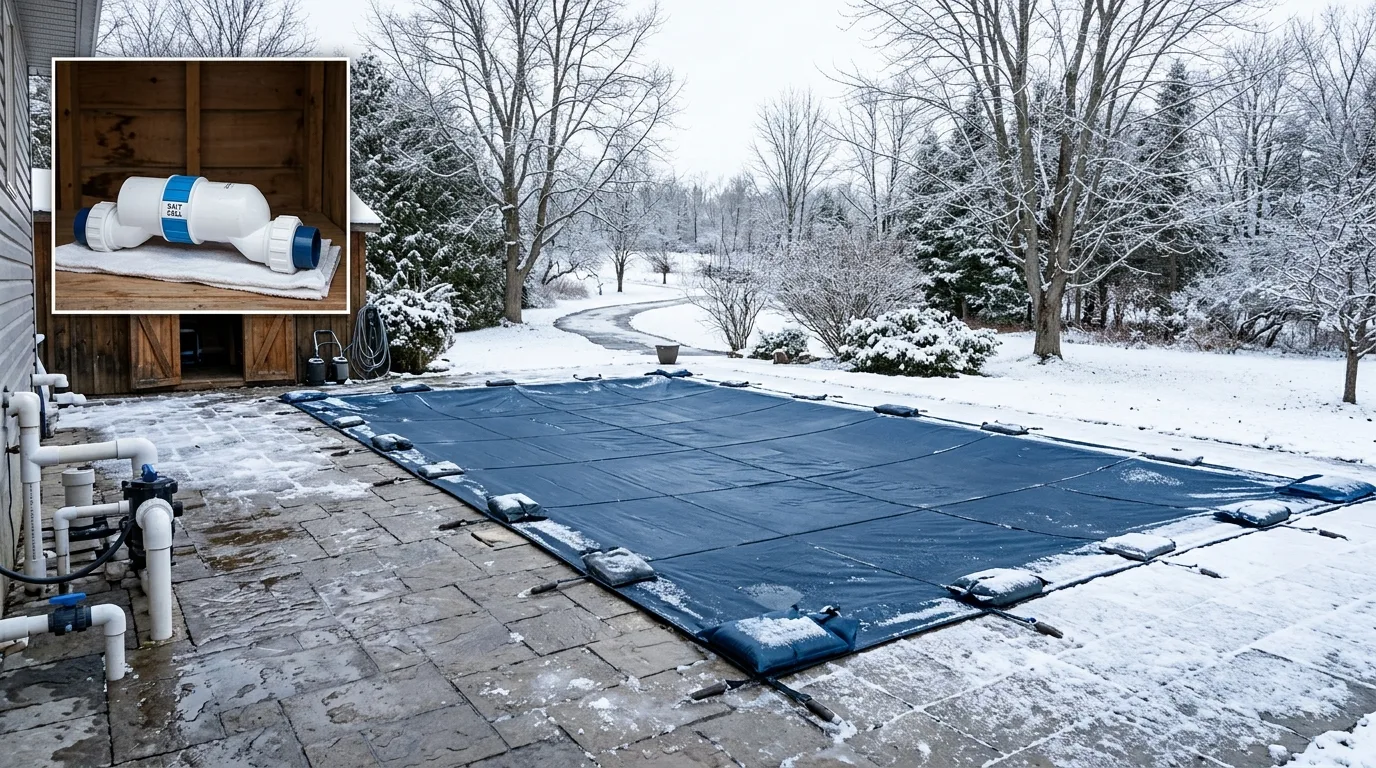
Winterizing a salt water pool takes a little more care than closing a traditional chlorine pool. The main difference is the salt chlorine generator,…
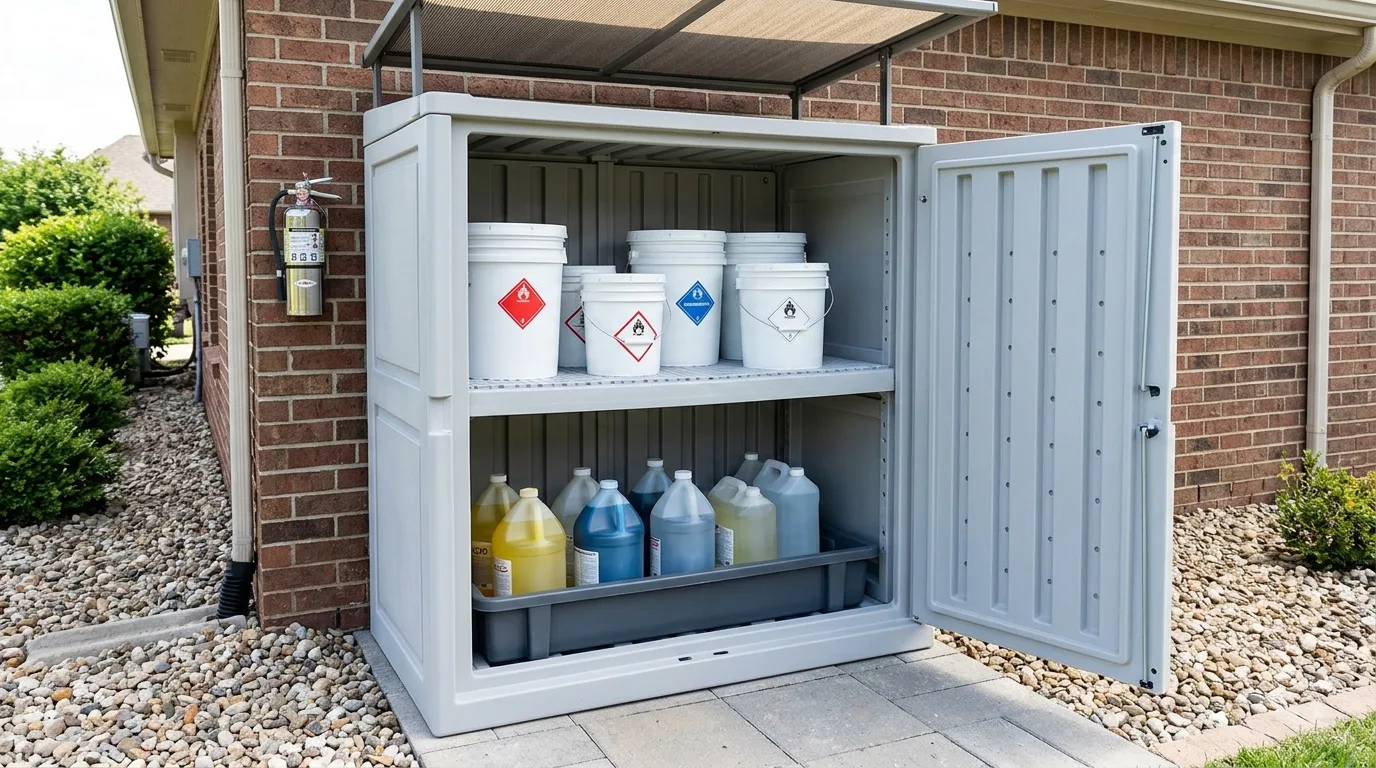
Pool chemicals are the most dangerous thing most homeowners keep on the property, and they get stored like paint cans. The failures are not…
Choose your region
Choose your region