Why Does Your Pool Robot Get Stuck on the Main Drain?

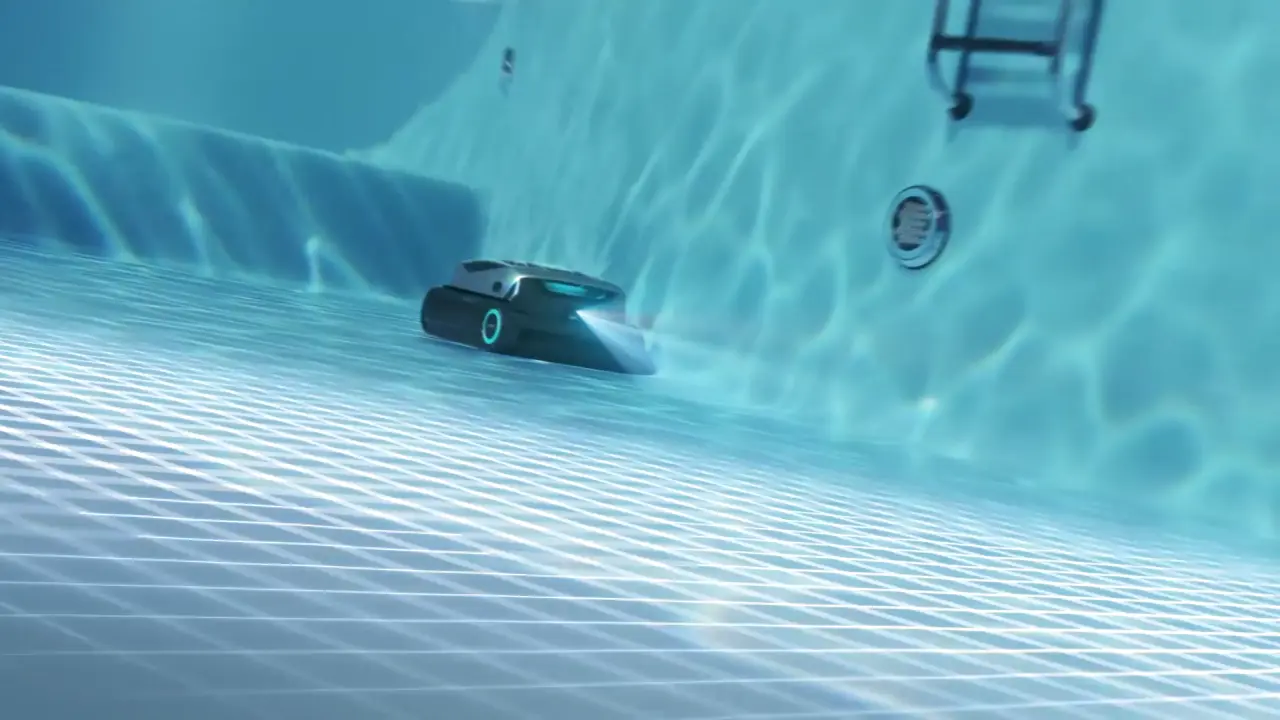
Investing in a robotic pool cleaner promises a hands-free solution to pool maintenance. However, many new pool owners experience a common, frustrating disruption: the pool robot gets stuck on main drain covers. Instead of finding a pristine oasis, you discover your premium cleaner stranded in the deep end, wheels spinning fruitlessly while its cleaning cycle cuts short — and if you’re not sure which end is actually deeper, our guide to measuring pool depth correctly step by step clears it up.
This issue stems from specific physical interactions between your pool’s filtration system and the design of the robot. This guide addresses the root causes of this problem, outlines practical troubleshooting steps, and highlights unique solutions validated by real-world pool owners.
Why Does Your Robotic Pool Cleaner Stall on the Drain?
Robotic pool cleaners rely on continuous movement, high-traction wheels or tracks, and internal water propulsion to navigate your pool floor and walls — and when the fixture mounted on that wall burns out, our guide to replacing a pool light without draining the pool walks through the swap. When a robot stalls on a main drain, the failure generally involves two primary factors: physical obstruction and hydraulic suction lock.
How Does Drain Cover Geometry Block the Robot?
Most swimming pools utilize raised, anti-vortex main drain covers mandated for safety. These covers feature a domed or high-profile edge designed to prevent swimmer entrapment. For a pool robot, this raised profile acts as a physical speed bump. If the clearance between the bottom chassis of your robot and the pool floor is lower than the height of the drain cover, the robot will high-center. The chassis rests flat on the dome, lifting the drive tracks or wheels off the pool floor, which eliminates traction and leaves the device stranded.
How Does Main Drain Suction Pin the Robot?
Your pool’s primary filtration pump draws a significant volume of water through the main drain. When a robotic cleaner drives over this zone, the powerful downward suction creates a localized low-pressure vacuum beneath the unit. This hydraulic force pulls the robot tightly against the drain cover. If the suction force exceeds the torque of the robot’s electric drive motor, the cleaner becomes securely pinned to the floor until the main pool pump turns off.
How Do You Stop a Pool Robot From Getting Stuck on the Main Drain?
Resolving this issue requires adjusting either your pool’s hydraulic dynamics, modifying the physical profile of the drain, or optimizing the performance of the robot itself. Pool owners use several proven strategies to achieve uninterrupted automated cleaning.
1. How Do You Manage Pump Suction and Timing?
Managing the interaction between your pool pump and the robot is the most direct, tool-free method to eliminate suction lock.
- Adjust Variable Speed Pump RPM: High pump speeds amplify the downward suction at the drain. If you operate a variable speed pump, reduce the RPM during the hours your robot is scheduled to clean. Lowering the pump speed diminishes the vacuum force, allowing the robot to drive past the drain unimpeded — dial it back too far, though, and you get the suction balance problems behind pool vacuums flipping over and how to stop it.
- Manipulate Diverter Suction Valves: Most pool plumbing setups feature automated or manual 3-way valves at the equipment pad that control where water is drawn from. Partially or fully close the valve dedicated to the main drain while the robot cleans. Divert that suction power to your skimmers or wall suctions instead.
- Coordinate Equipment Schedules: Program your robotic cleaner to run exclusively when your main pool filtration pump is turned off. Without the downward pull of the main pump, the robot only needs to overcome the physical shape of the drain cover.
2. What Physical Modifications Prevent Main Drain Trapping?
If adjusting the hydraulics fails to fix the problem, modifying the physical barrier of the drain cover provides a permanent solution.
- Install Aftermarket Drain Guards and Ramps: Specialized, hydro-dynamically angled plastic rings (frequently sold as drain ramps or anti-stuck clips) snap directly onto standard 8-inch main drain covers. These devices create a gentle, sloped incline that allows your robot’s wheels or tracks to roll up and over the obstruction without bottoming out.
- Utilize the Weighted Cord Life-Hack: A highly effective, budget-friendly strategy popularized by seasoned pool owners involves attaching a small sinker or vinyl-coated fishing weight to the robot’s power cable, roughly 2 to 3 feet above the unit. As the robot approaches the drain, the weight gently alters the angle of the floating power cord, subtly tilting the nose of the robot upward so it glides over the raised lip of the cover.
3. How Do You Maximize Your Robot’s Power and Traction?
A robotic cleaner requires optimal internal flow and physical grip to push through high-resistance areas like drains. Regular maintenance ensures the unit operates at peak power.
- Deep Clean the Filter Elements: Clogged filter baskets, canisters, or fine mesh bags restrict the volume of water the robot can expel through its top thruster. This water expulsion generates downward pressure, pushing the tracks firmly into the floor for traction. Clean filters ensure maximum thrust, giving the robot the power needed to climb over the drain hump.
- Inspect and Replace Worn Treads: Check the rubber tracks, tires, or scrubbers on your robot. Over time, pool chemicals and abrasive plaster wear down these components, reducing grip. Replacing worn drive tracks restores the friction necessary to overcome physical obstacles.
Main Drain Troubleshooting Checklist
| Symptom | Primary Cause | Immediate Correction |
| Robot stops directly over the center of the drain; wheels spin freely in the air. | High-centering on a high-profile or anti-vortex domed cover. | Install a universal drain ramp or a low-profile, compliant drain cover. |
| Robot stops on the drain; motor hums but wheels cannot turn at all. | Excessive downward hydraulic suction from the main pool pump. | Turn off the main pump or close the main drain valve during the cleaning cycle. |
| Robot moves sluggishly and gets stuck on obstacles it used to cross easily. | Restricted internal water flow due to debris buildup or worn drive parts. | Clean the filter basket thoroughly and inspect the drive tracks for wear. |
FAQs About Stuck Pool Robots
Yes. Robotic pool cleaners operate on an entirely independent, low-voltage power supply separate from your pool’s main filtration system. Running the robot while your main pump is off eliminates suction-lock issues entirely and allows the robot to navigate the pool floor freely.
No. As long as your pool’s skimmers remain open and the water level is high enough to supply water to the pump, closing the main drain valve during a cleaning cycle will not damage your equipment. Always ensure your pump maintains a full prime of water.
This intermittent behavior usually depends on whether your pool pump happens to be running at a high speed when the robot drives over the drain. It can also happen if the robot approaches the drain cover at a specific, unfavorable angle. Keep an eye on your equipment schedule to see if the stalling matches up with your pump’s high-speed filtration cycles.
Get more pool and lawn care guides from Aiper on Google