
Choosing the right pool type is the single most important decision in your backyard project — it affects your budget, timeline, maintenance, and how you will actually use the pool. We have gathered 50 of the best pool types and construction ideas, from custom gunite inground pools to budget stock tank DIYs. Each idea includes a real photo and practical advice on costs and trade-offs.
Inground Pool Types & Designs
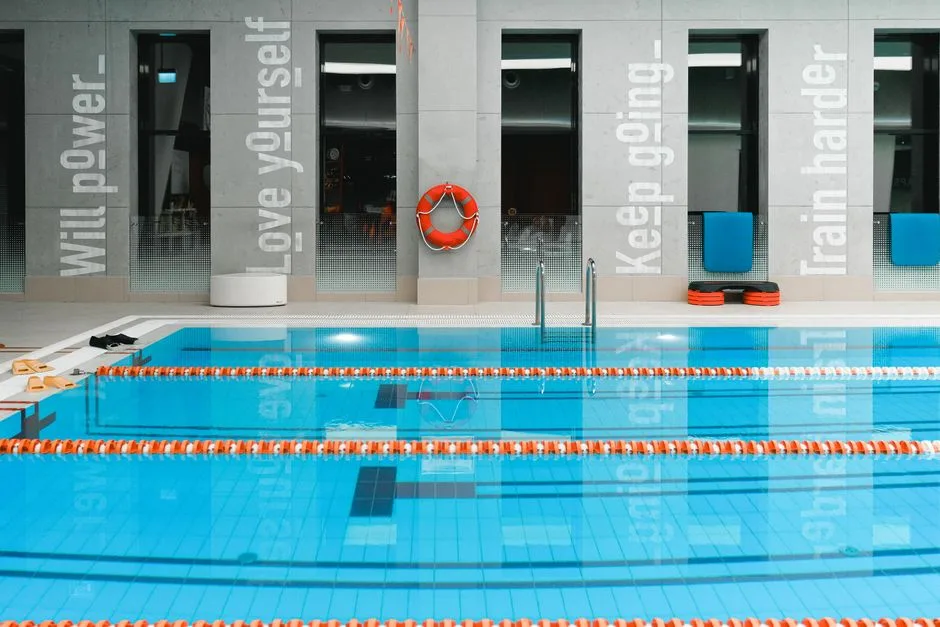
Gunite (sprayed concrete) is the gold standard for custom inground pools — you can shape it into any form imaginable. A skilled contractor builds a rebar framework, sprays the concrete, then finishes with plaster, pebble, or tile. Expect 8–12 weeks of construction and a $50,000–$100,000+ budget, but the result is a one-of-a-kind pool that lasts 50+ years with proper maintenance.
Photo by SHVETS production on Pexels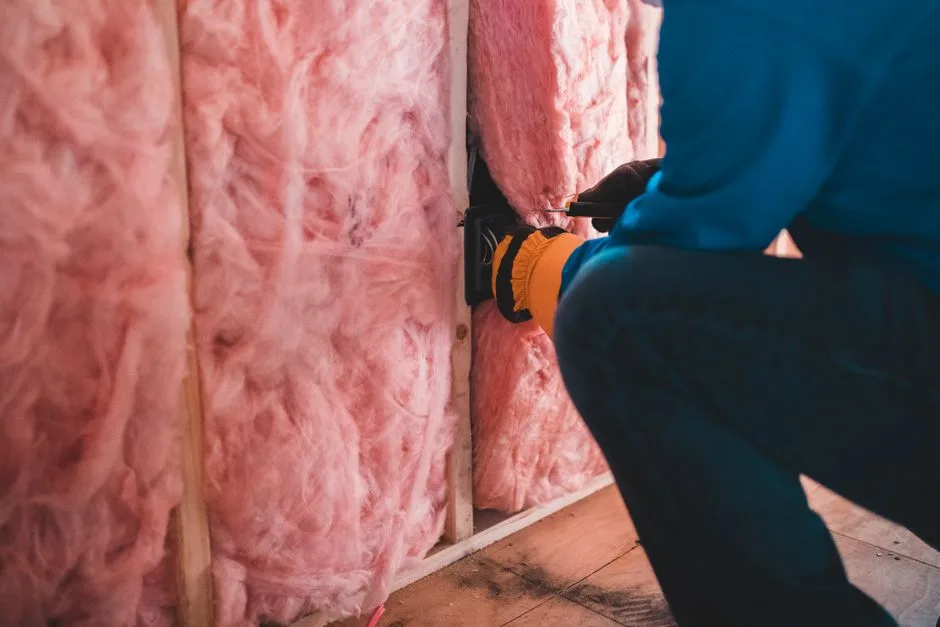
A pre-manufactured fiberglass shell is trucked to your site and lowered into the excavation with a crane — installation can be done in as little as 2–3 weeks. The smooth gelcoat surface resists algae growth and never needs resurfacing, saving thousands over the pool’s lifetime. Available in dozens of shapes and sizes but limited to what fits on a flatbed truck (typically 16 ft wide max). Ideal for homeowners who want fast installation with minimal long-term maintenance.
Photo by Erik Mclean on Pexels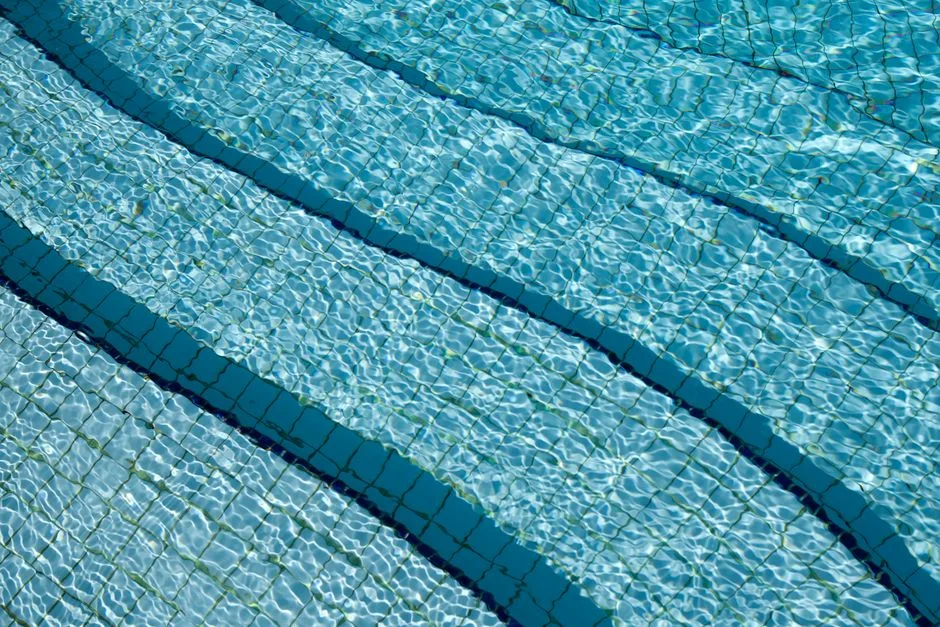
Vinyl liner pools use a custom-fitted PVC sheet stretched over a steel, polymer, or concrete wall structure. The liner feels smooth underfoot — no scraped toes like rough plaster — and comes in dozens of patterns and colors. Budget $35,000–$60,000 for a mid-size pool, and plan to replace the liner every 8–12 years at $3,000–$5,000. Great for families who want the inground look at a lower upfront cost.
Photo by Jeffry Surianto on Pexels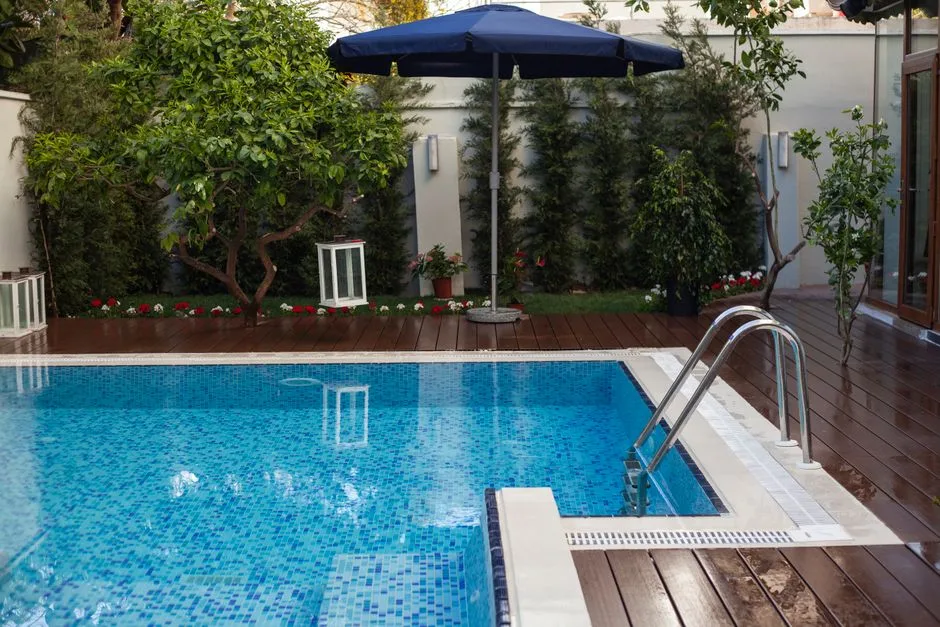
A compact 10 × 20 ft inground pool fits into yards that would never accommodate a full-size pool. Narrow lap lanes, square plunge-style designs, and L-shaped configurations maximize swim area on a small footprint. Add a corner spa or tanning ledge to make the space feel bigger without expanding the excavation. Perfect for urban lots, courtyard gardens, and townhouse backyards.
Photo by Engin Akyurt on Pexels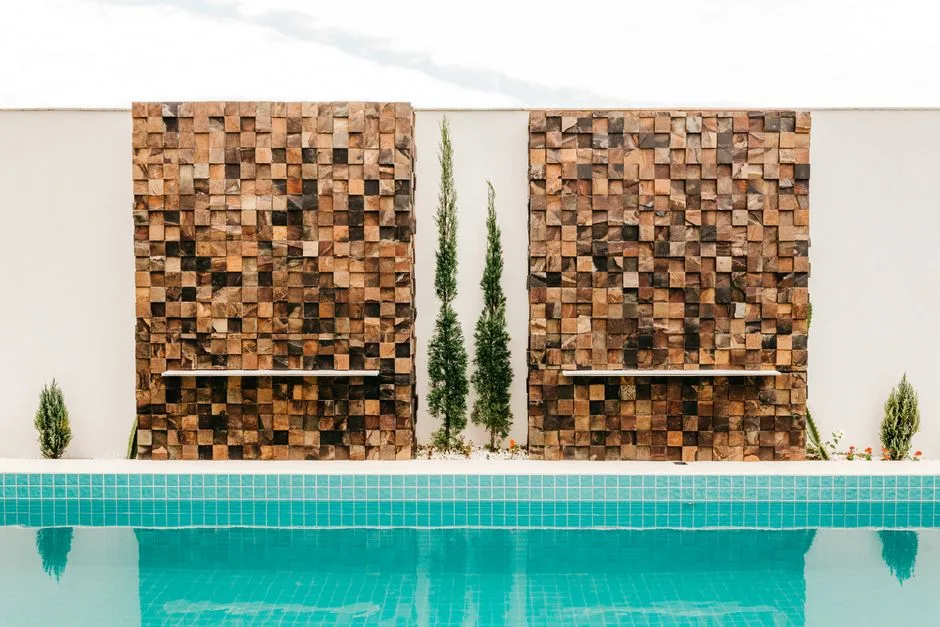
Crisp right angles, clean lines, and a minimalist aesthetic define the modern geometric inground pool. Rectangular, square, or L-shaped — these pools pair beautifully with contemporary architecture and simple landscaping. A dark interior finish (black or deep gray plaster) creates a mirror-like reflective surface that looks striking against white coping and decking.
Photo by Jonathan Borba on Pexels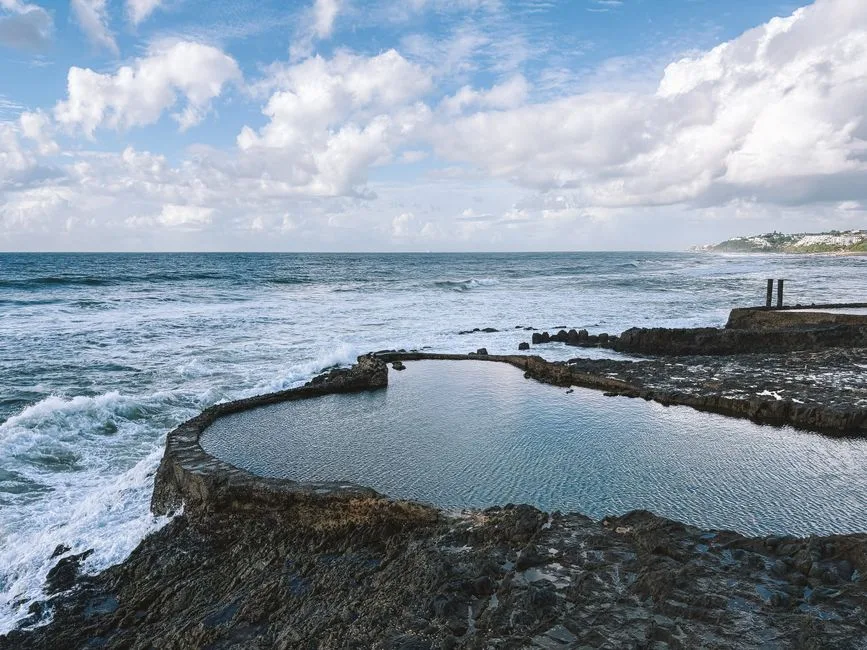
A freeform inground pool with irregular curves, boulder accents, and natural stone coping blends into wooded or rustic properties. The organic shape mimics a natural pond or lagoon — add a rock waterfall and surrounding native plantings to complete the look. Gunite construction is essential here because fiberglass shells can’t achieve the irregular curves.
Photo by Magda Ehlers on Pexels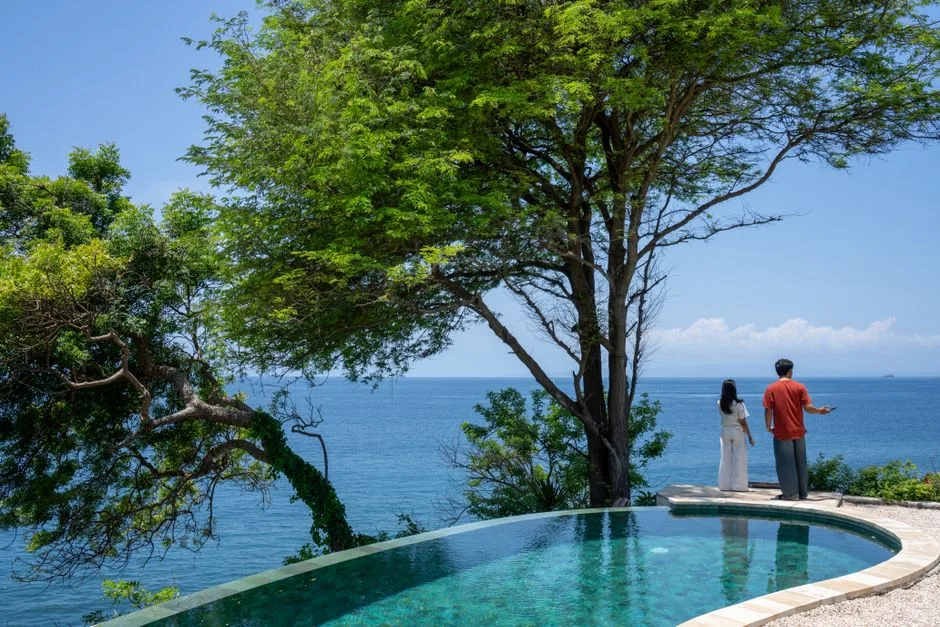
An infinity-edge (vanishing edge) pool creates the illusion that water extends to the horizon — especially dramatic on properties with a slope, hilltop, or water view. The catch basin below the edge recirculates water back into the pool. Budget an extra $15,000–$30,000 for the edge system alone, and be prepared for higher maintenance (the catch basin collects debris). Worth every penny for the show-stopping visual impact.
Photo by Tom Fisk on Pexels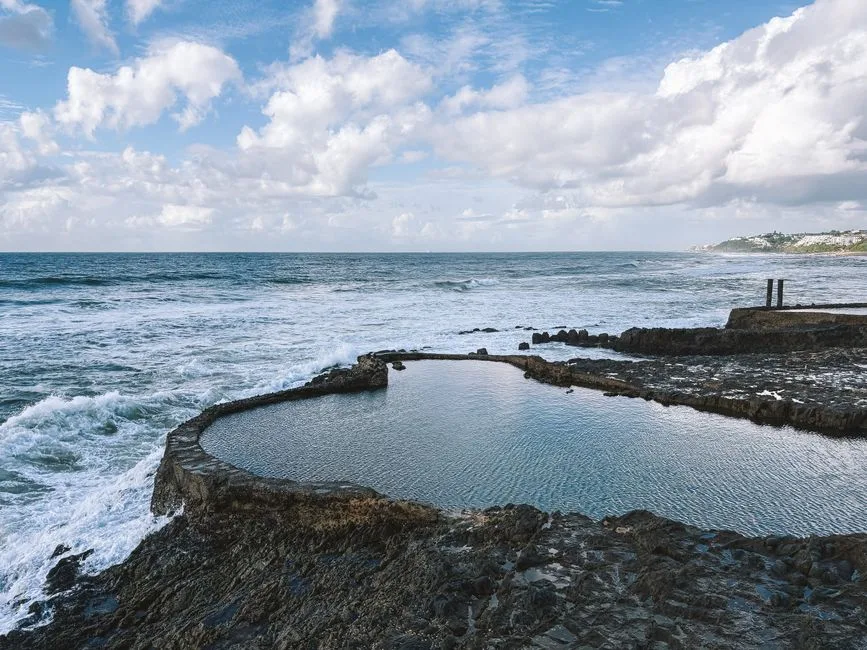
A beach entry (also called zero-entry or walk-in) slopes gradually into the water like a natural shoreline — no steps or ladders needed. It’s a game-changer for families with toddlers, elderly relatives, or anyone with mobility concerns. The shallow area doubles as a splash zone for kids and a lounging spot for adults. Requires more yard space because the gradual slope extends the pool’s footprint.
Photo by Magda Ehlers on Pexels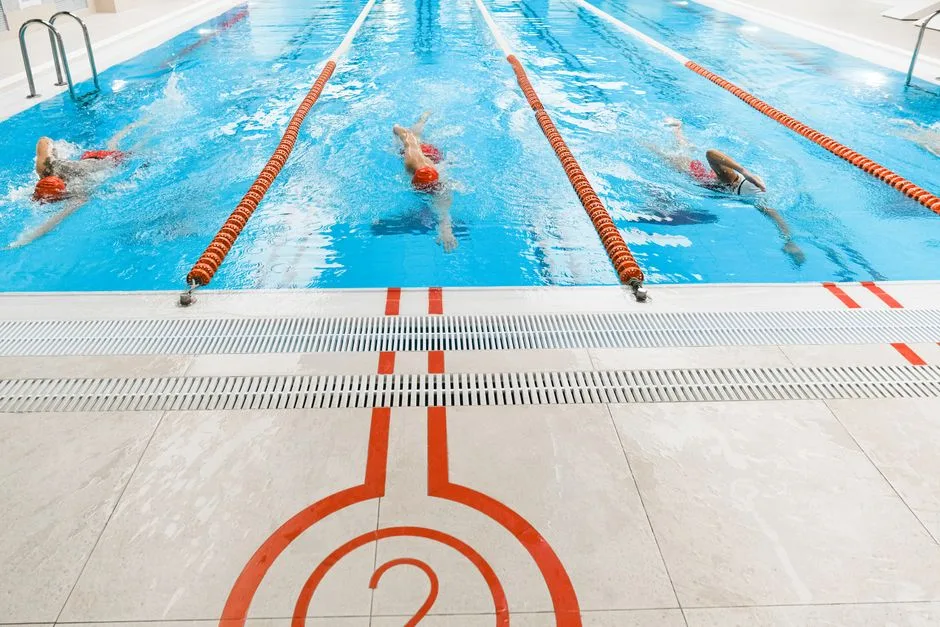
A long, narrow inground lap pool (typically 8–10 ft wide × 40–50 ft long) transforms a side yard or narrow lot into a serious swimmer’s training ground. Add an endless swim current generator for stationary swimming in an even smaller footprint. The slim profile works surprisingly well with modern architectural homes and linear landscaping.
Photo by SHVETS production on Pexels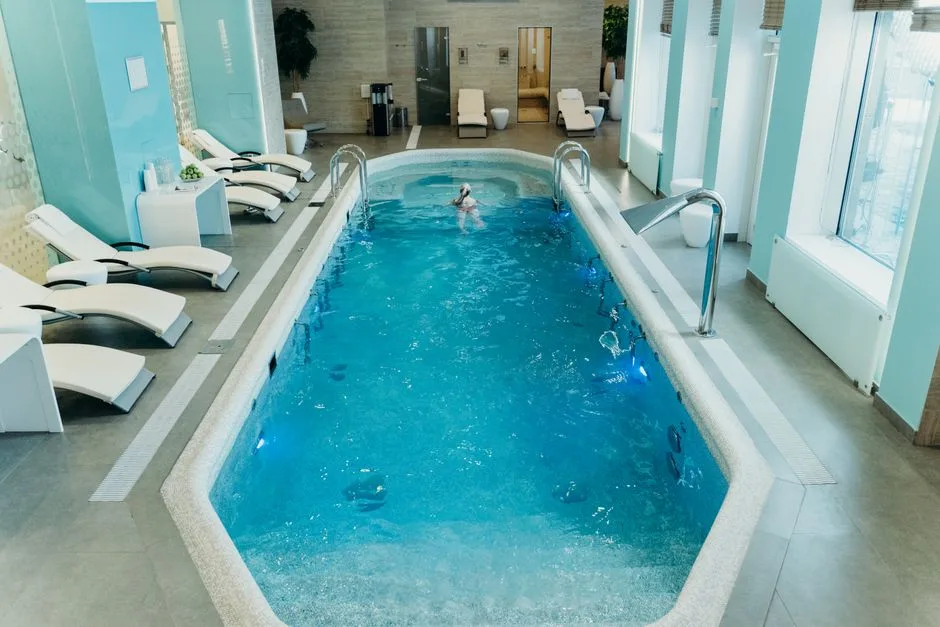
An attached spa that spills over into the main pool via a waterfall or overflow channel creates a seamless aqua experience. You get the best of both worlds — hot therapy jets and cool swim lanes — in one unified design. The spillover adds the sound of moving water and helps circulate and heat the pool. Raise the spa 12–18 inches above pool level for the most dramatic visual effect.
Photo by cottonbro studio on PexelsAbove Ground Pool Ideas & Deck Integration
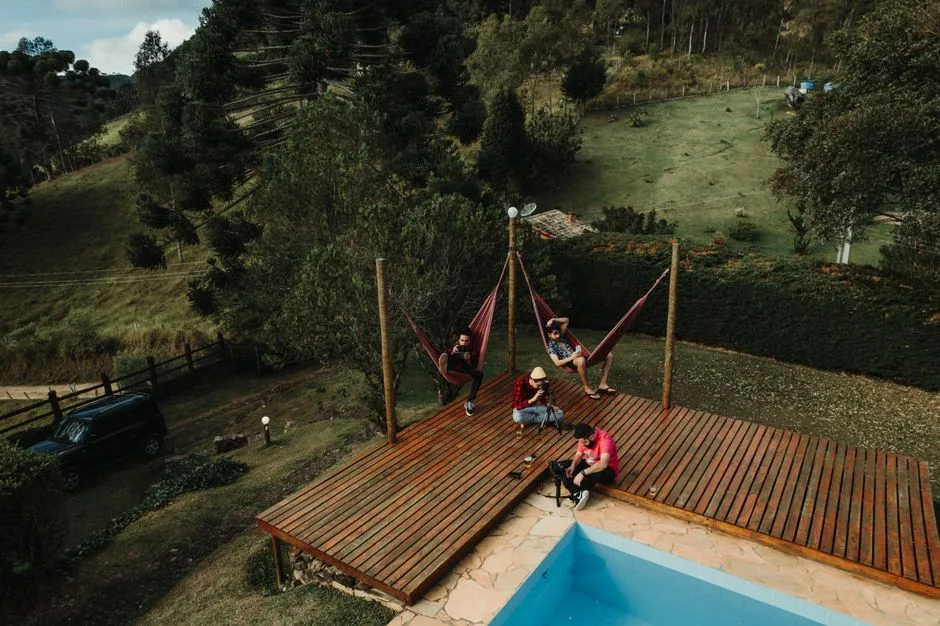
A full-height deck that surrounds the entire above ground pool transforms it into what looks and feels like an inground installation. The deck hides the pool wall completely, and the elevated platform creates a natural gathering zone with lounge chairs and dining furniture. Use composite decking for a splinter-free, low-maintenance surface that stays cool in summer. This is the single highest-impact upgrade for any above ground pool.
Photo by Matheus Bertelli on Pexels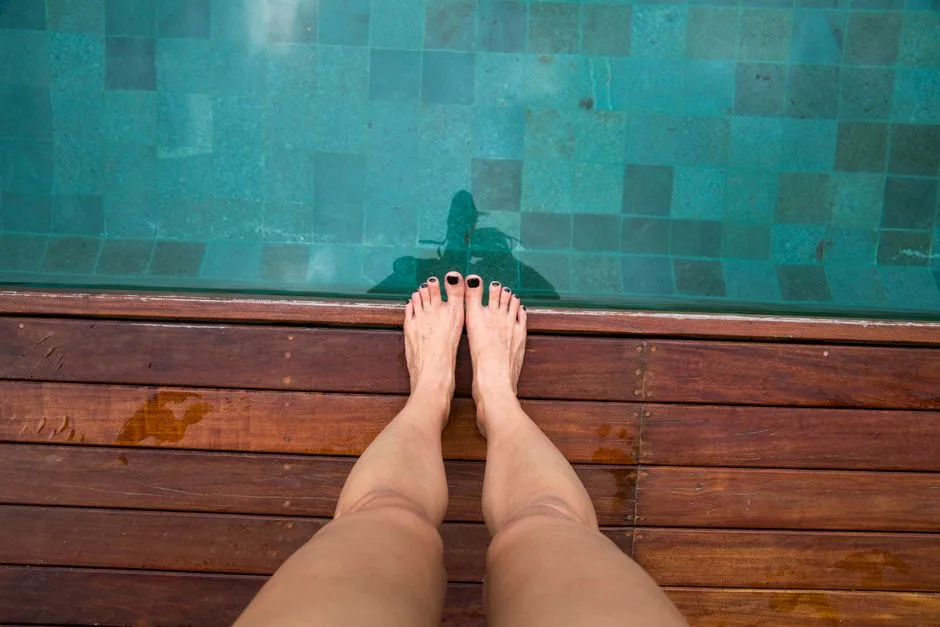
Not ready for a full wrap-around? A partial deck on one or two sides still transforms the pool experience — add a wide entry platform, a few lounge chairs, and built-in planter boxes along the edge. This approach costs $1,500–$4,000 (vs. $8,000+ for full wrap) and leaves room for landscaping around the other sides. A smart phased approach if you are working with a tighter budget.
Photo by Milada Vigerova on Pexels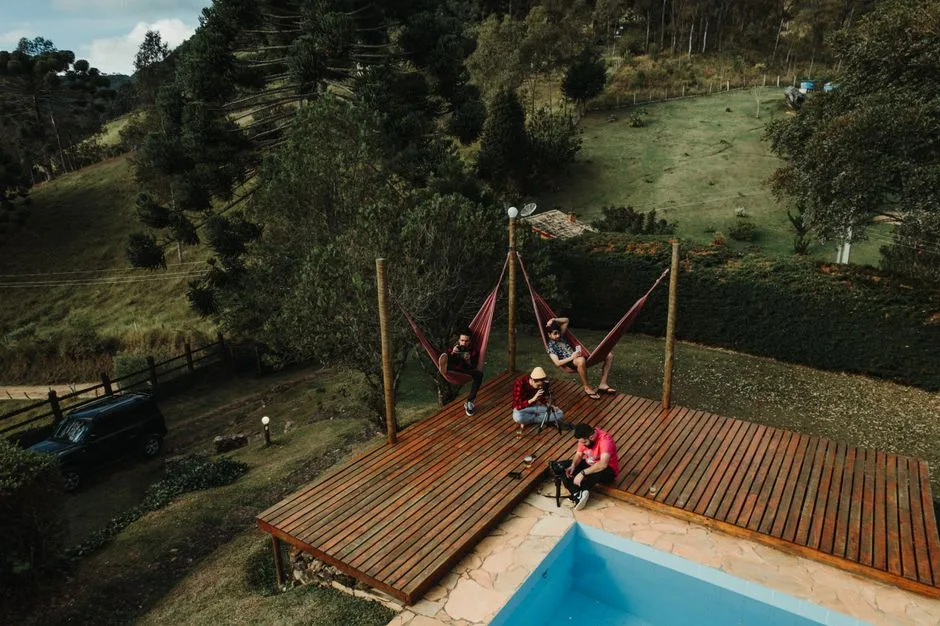
A two-tier deck design places the pool on an upper platform with a lower lounge/dining deck adjacent to it. The level change defines two distinct zones — swimming up top, relaxing below — and the transition steps double as extra seating. This layout works especially well on properties with a natural slope, where the grade change is built into the design rather than fought against.
Photo by Matheus Bertelli on Pexels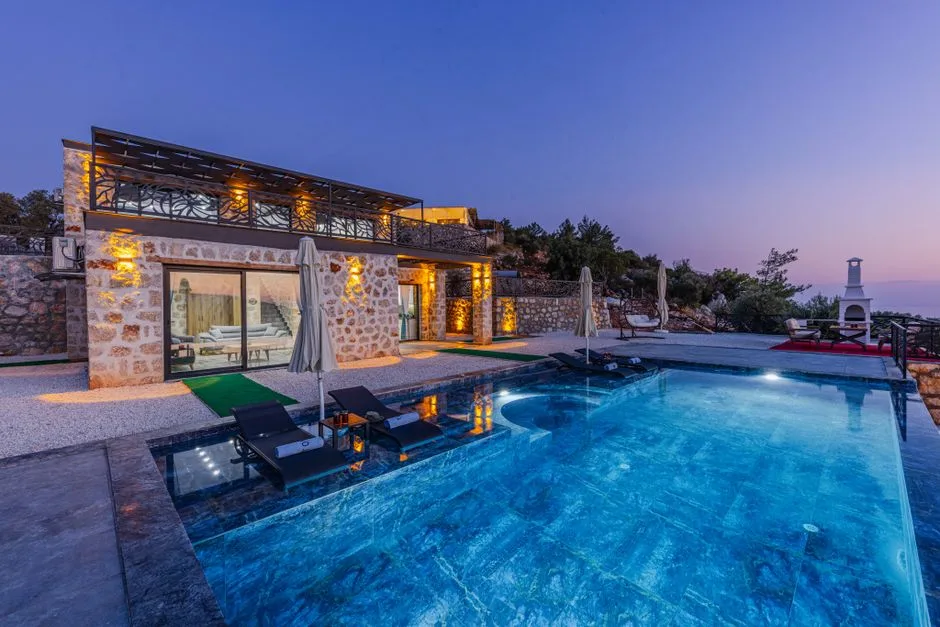
Cover the exposed metal pool wall with a dry-stacked stone veneer, faux stone panels, or brick paver skirting for an instant high-end look. Stone skirting costs $15–$30 per linear foot for materials, but the visual upgrade is dramatic — it makes a $1,500 pool look like a $15,000 installation. Leave access panels for the pump, filter, and electrical connections.
Photo by Ahmet ÇÖTÜR on Pexels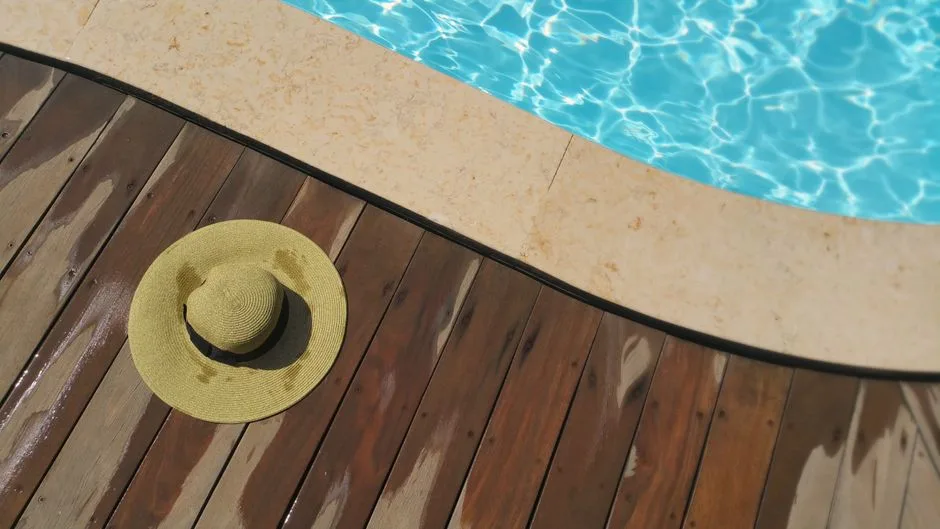
Cedar or pressure-treated fence boards installed vertically as skirting around the pool base create a clean, cottage-style finish at $5–$10 per linear foot. Build attached planter boxes at the base and fill them with ornamental grasses or flowering annuals to soften the transition between pool and landscape. Stain or paint the wood to match your deck or house trim for a cohesive look.
Photo by Pixabay on Pexels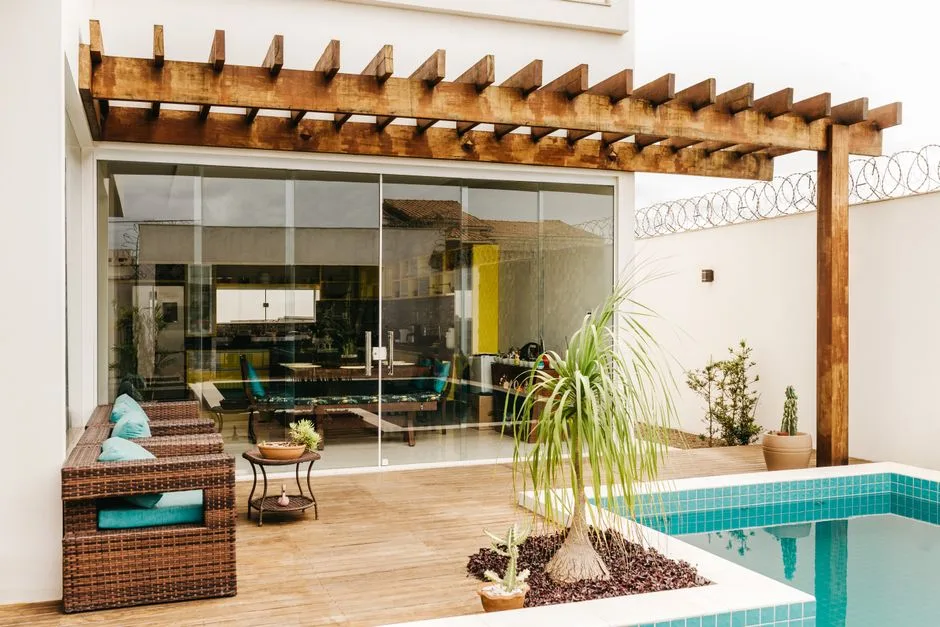
A pergola built over part of the pool deck provides filtered shade and makes the above ground pool area feel like a designed outdoor room. Train climbing vines — wisteria, grape, or clematis — across the top beams for natural, cooling shade that improves with every growing season. Anchor the pergola posts to the deck framing for stability in wind.
Photo by Jonathan Borba on Pexels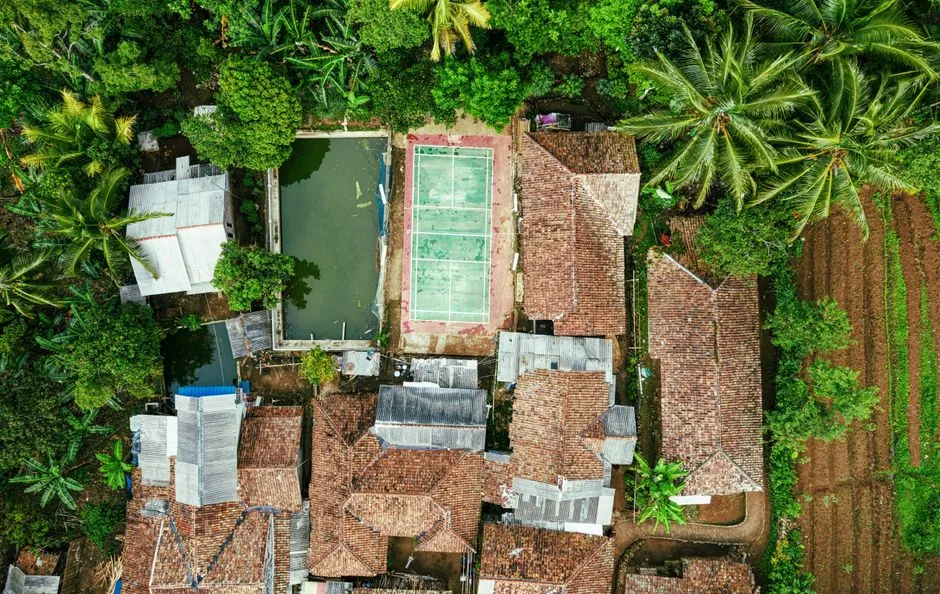
Instead of a deck, build up a gently sloped earthen berm around one or more sides of the pool and plant it with shrubs, ornamental grasses, and perennials. The berm visually anchors the pool in the landscape and creates a natural privacy screen. This is the most budget-friendly approach — soil and plants cost far less than lumber and footings — and it works beautifully with country or cottage-style properties.
Photo by Tom Fisk on Pexels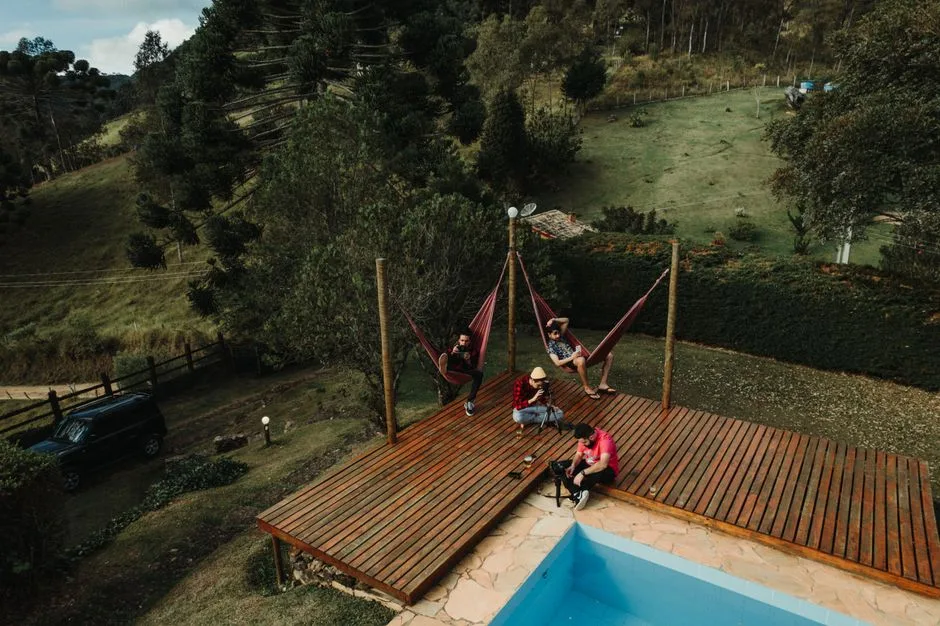
An oval above ground pool naturally lends itself to an end-to-end deck layout — put the deck along one long side and leave the curved ends exposed with landscaping. The elongated shape gives you more swim area (great for laps and games) without taking up the yard width of a round pool. Most oval pools offer 15 × 30 ft or 18 × 33 ft dimensions.
Photo by Matheus Bertelli on Pexels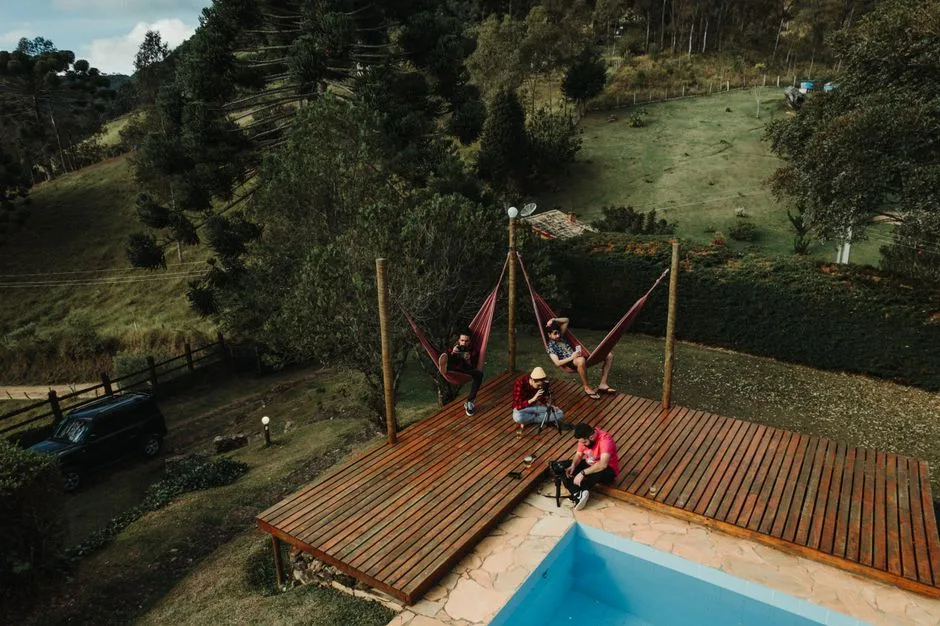
A sloped yard doesn’t disqualify you from an above ground pool — dig into the high side to sink the pool partially, then build a retaining wall on the low side and backfill. The result is a semi-recessed pool that looks more integrated with the landscape than a fully above-ground installation. Professional excavation and a retaining wall will add $3,000–$8,000 to the project cost.
Photo by Matheus Bertelli on Pexels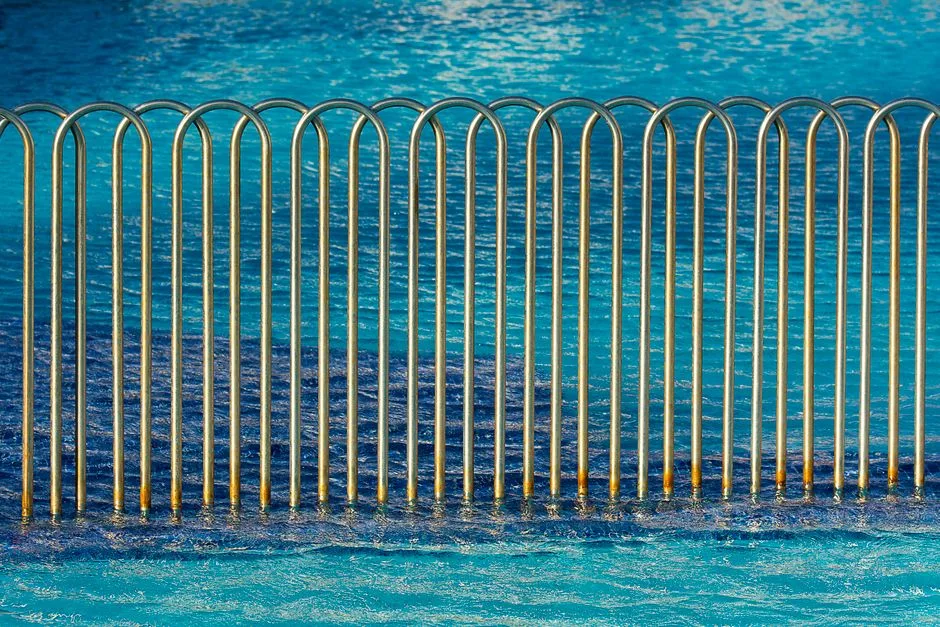
Enclose the pool with a 6-foot wood or vinyl privacy fence and a self-latching gate to create a secluded backyard oasis. This meets most municipal code requirements for pool safety while blocking neighbor sightlines and wind. Add outdoor curtains or a shade sail inside the fence for even more privacy and sun protection.
Photo by Jan van der Wolf on Pexels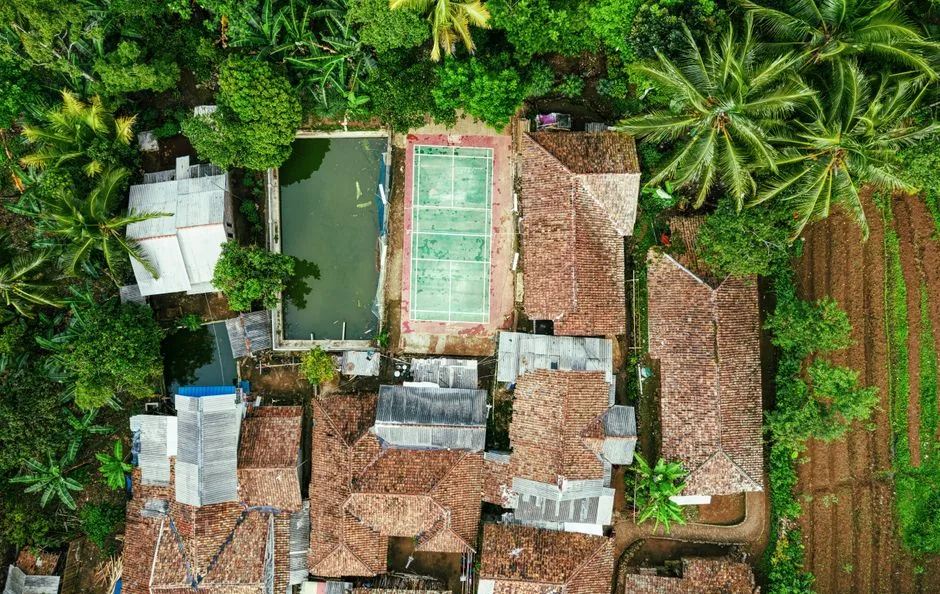
A simple round above ground pool (15–24 ft diameter) on a leveled gravel pad with minimal decking or landscaping is the most affordable way to have a backyard pool. Total cost — pool kit + gravel base + basic pump and filter — can land under $2,500. Add an inflatable hot tub nearby, string up some outdoor lights, and you have a summer-ready setup without breaking the bank.
Photo by Tom Fisk on Pexels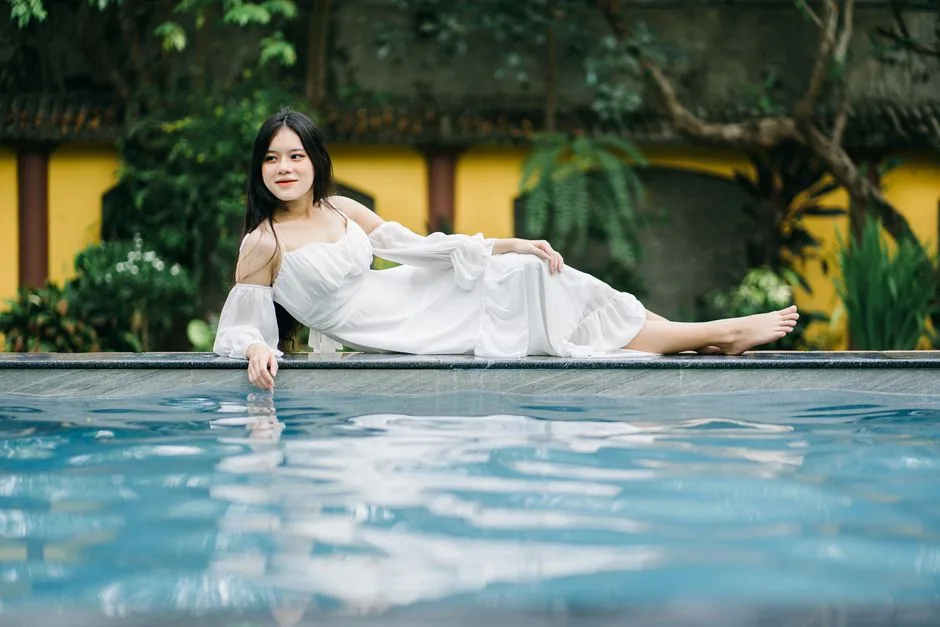
Surround a round above ground pool with layered garden beds — tall ornamental grasses at the back, mid-height flowering shrubs in the middle, and low-growing groundcover at the front. The circular pool shape creates a natural focal point, and the plantings soften the hard metal walls without any construction. Leave a 2–3 ft maintenance path between the plants and the pool wall for access.
Photo by Trần Long on PexelsSemi-Inground Pool Designs
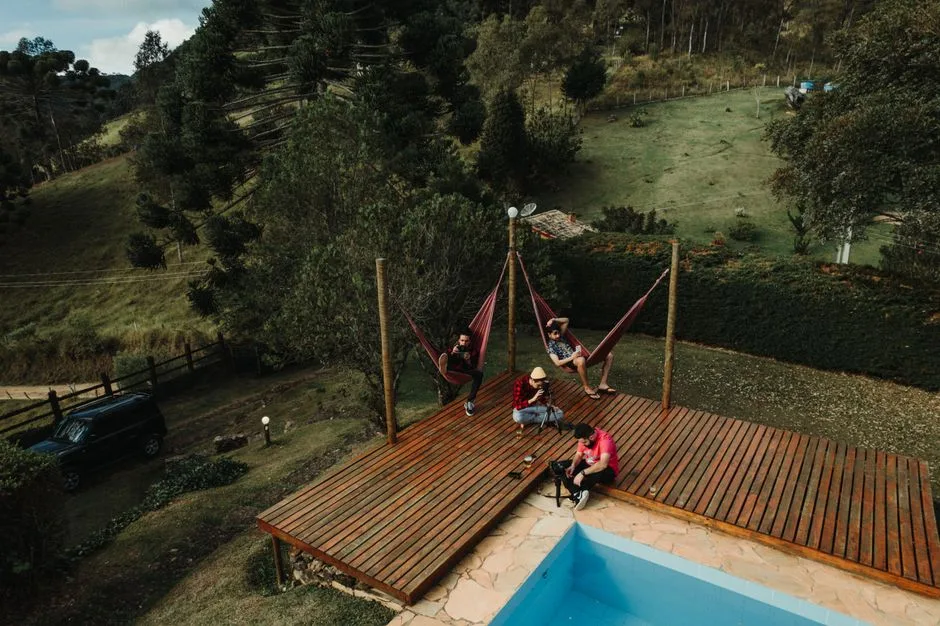
A semi-inground pool built into a hillside uses the natural grade to its advantage — the uphill side sits at ground level while the downhill side is raised with a decorative wall. This is often the most cost-effective way to put a pool on a sloped property, because you avoid the massive excavation and retaining walls required for a fully inground installation. The exposed pool wall becomes a canvas for stone veneer, waterfall features, or bar seating.
Photo by Matheus Bertelli on Pexels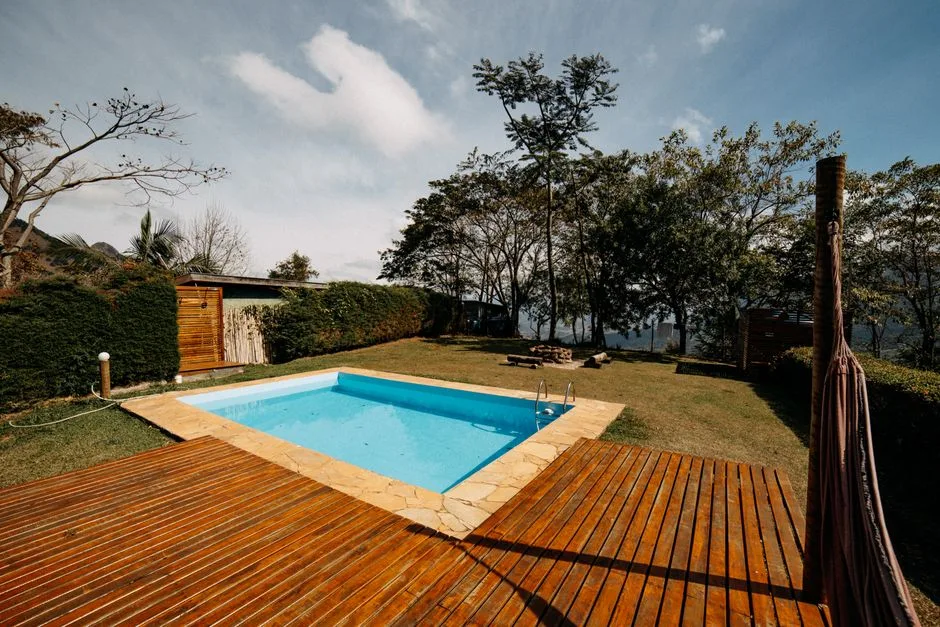
Build a deck at the height of the semi-inground pool’s top rail, and it feels indistinguishable from an inground installation. The deck hides the exposed pool wall section completely, and the elevated platform gives you a panoramic view of the yard. This is the design that most effectively blurs the line between semi-inground and full inground — at roughly 60% of the cost.
Photo by Matheus Bertelli on Pexels
Use natural stone, manufactured stone veneer, or large concrete retaining wall blocks to clad the exposed portion of a semi-inground pool. The stonework turns a structural necessity into a design feature — it looks intentional, permanent, and high-end. Add built-in planter pockets in the wall for trailing plants that will soften the stone over time.
Photo by Rob N on Pexels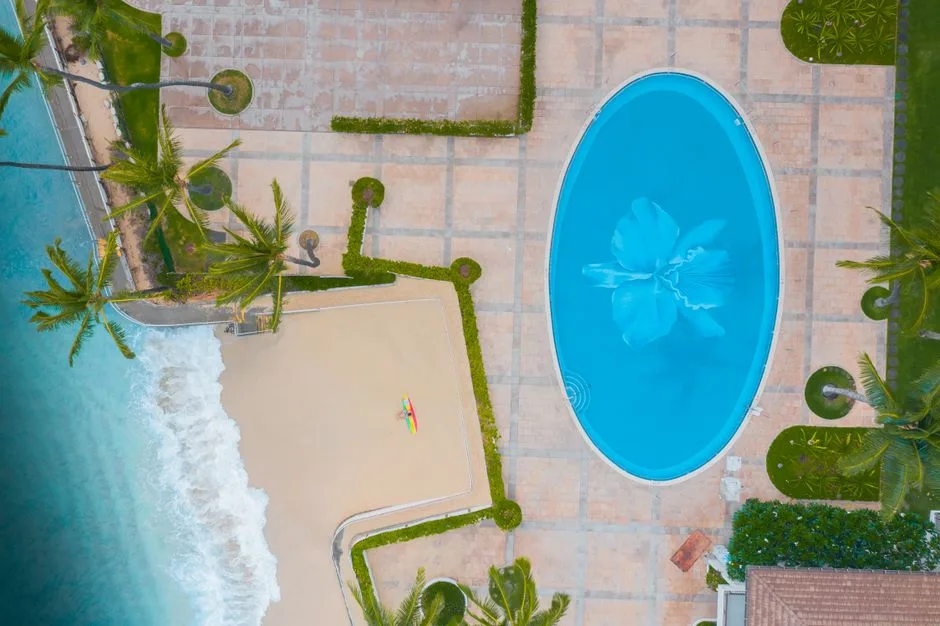
An oval semi-inground pool partially sunk into the ground with the long sides exposed for landscaping creates a natural, pond-like aesthetic. Plant layers of perennials and shrubs along the exposed walls, and use decorative gravel or mulch to define the planting zone. The oval shape feels organic and relaxed — perfect for country properties and informal gardens.
Photo by Jess Loiterton on Pexels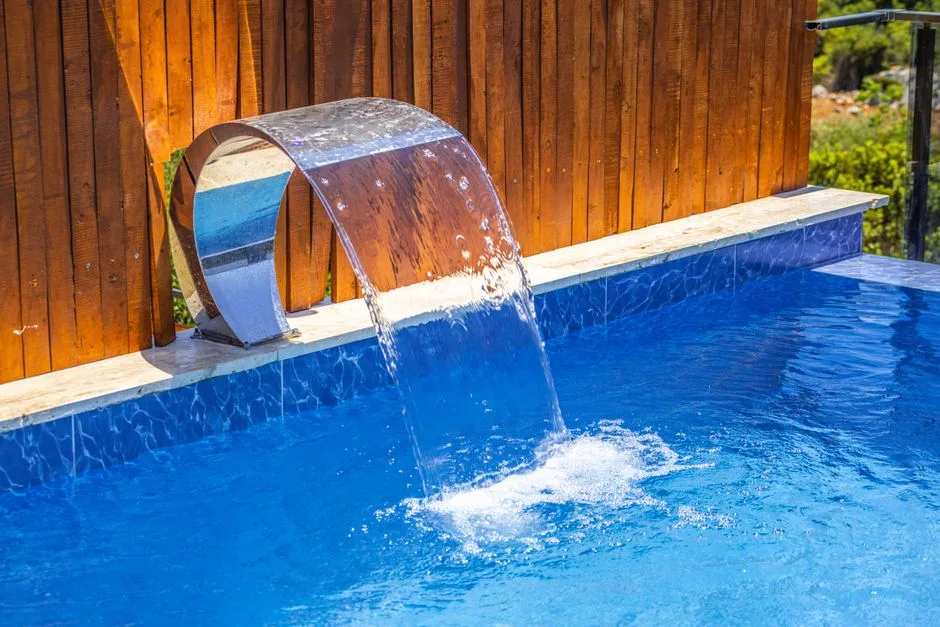
Turn the exposed pool wall into a waterfall wall — water cascades down the stone or tile surface and back into the pool. The sound of falling water masks neighborhood noise and adds a luxury resort feel. Integrate LED lighting behind the waterfall for a spectacular evening effect. Budget $2,000–$5,000 for the waterfall pump, plumbing, and wall finishing.
Photo by Ahmet ÇÖTÜR on Pexels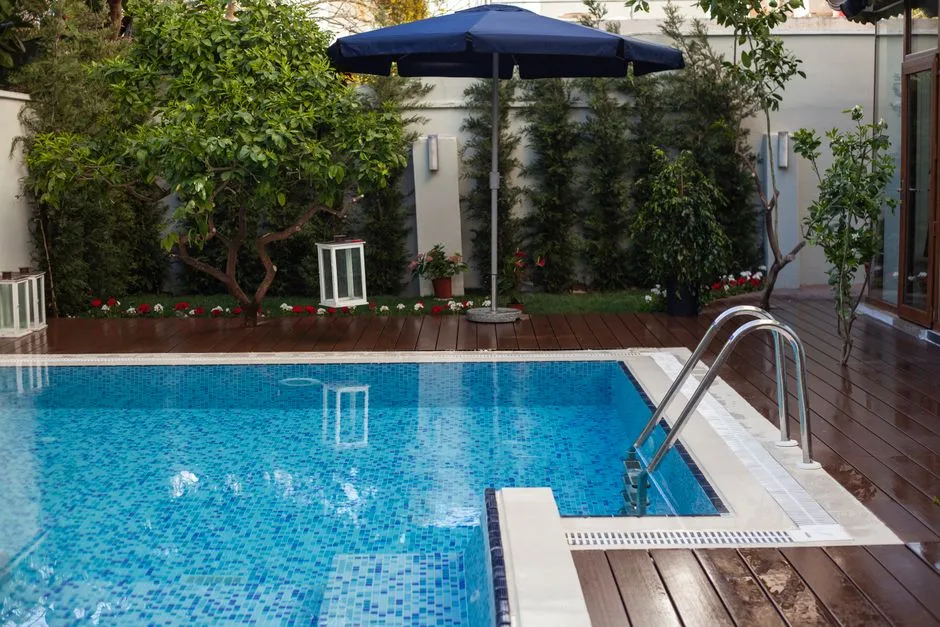
A compact semi-inground pool (12–18 ft round or small oval) fits into yards where a full excavation isn’t feasible — think narrow city lots, rocky soil, or high water tables. The partial burial reduces the visual bulk compared to a fully above-ground pool, and the exposed wall can be finished with composite skirting or stone veneer. A smart compromise for challenging sites.
Photo by Engin Akyurt on Pexels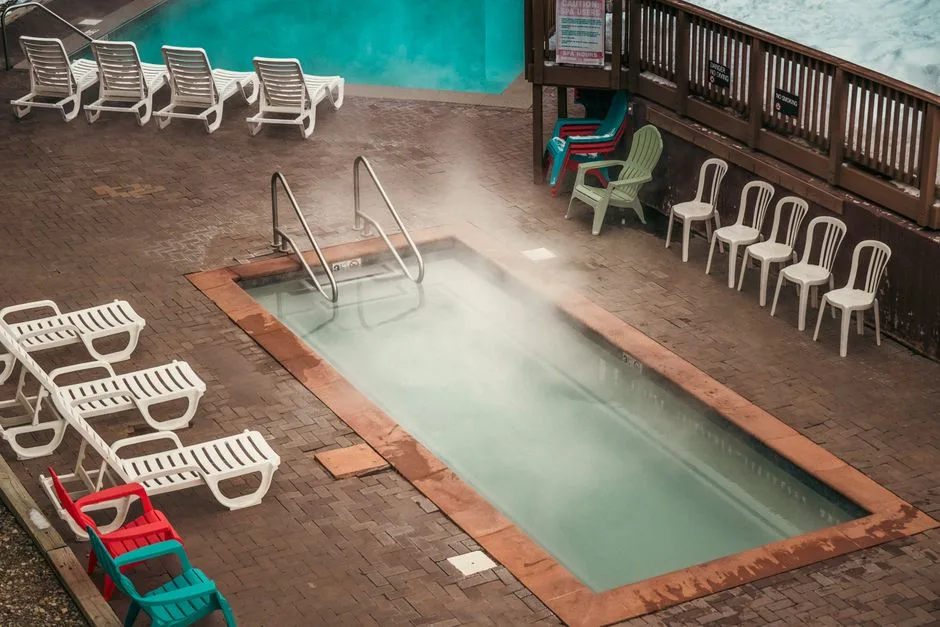
A semi-inground pool with a simple paver patio surround delivers the inground look at $15,000–$25,000 total — roughly half the cost of a full gunite installation. Choose concrete pavers in a running-bond pattern for the most economical paver option, and add a compact gravel border for drainage. This is the sweet spot for homeowners who want the inground aesthetic without the inground price.
Photo by Chris F on Pexels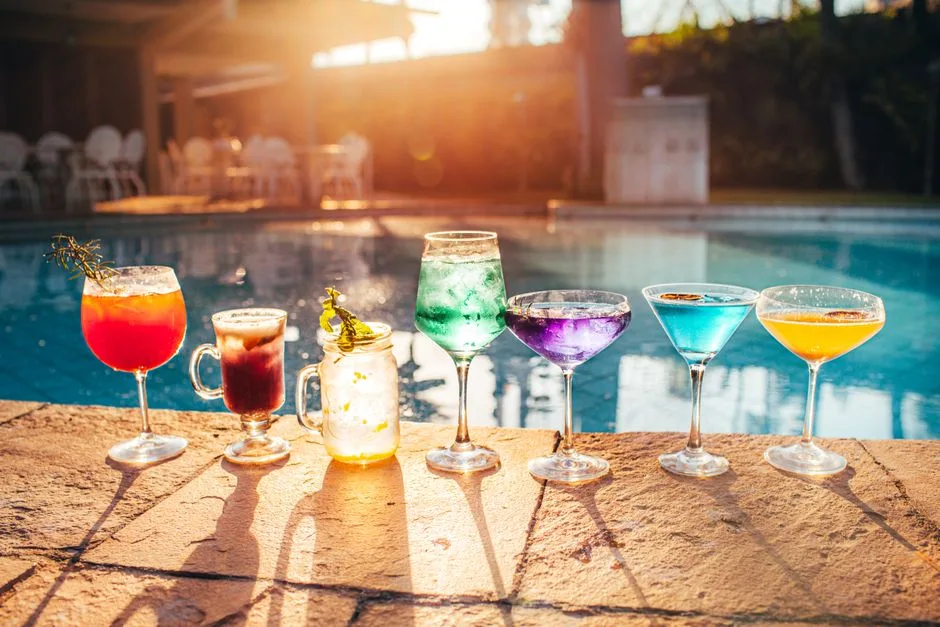
The exposed wall of a semi-inground pool is at the perfect height (about 36–42 inches) to serve as a swim-up bar counter. Add an extended cap stone or composite ledge for drinks and elbows, with bar stools on the outside. It becomes a natural gathering spot during parties — guests on the deck can chat with swimmers in the pool.
Photo by Helena Lopes on Pexels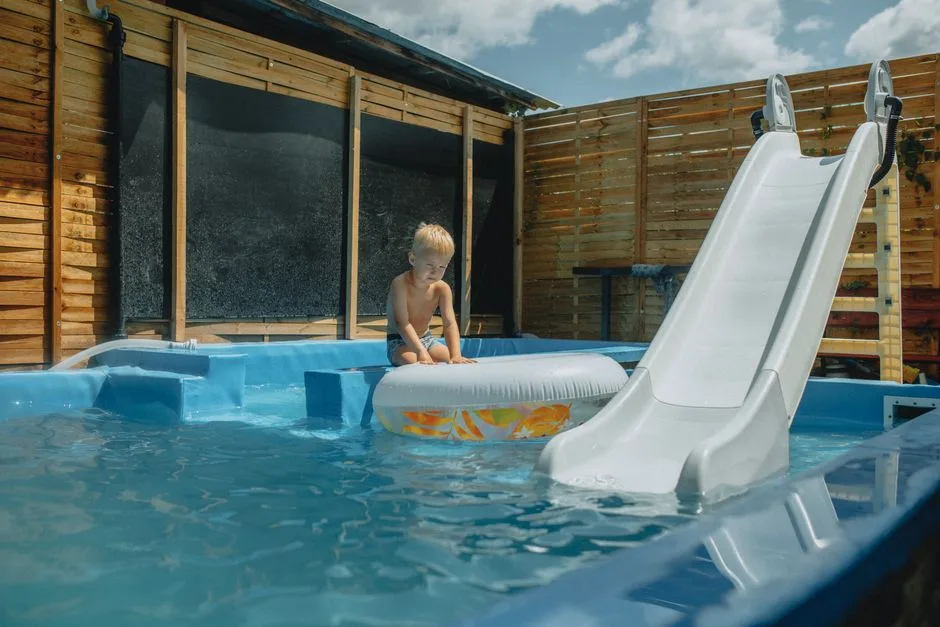
Integrate the required pool safety fence directly into the semi-inground pool’s exposed wall or deck — the fence posts mount to the deck framing, creating a clean, code-compliant enclosure without a separate fence perimeter. Use black aluminum pickets for a nearly invisible barrier that preserves sightlines. This integrated approach saves yard space and looks more intentional than a standalone fence.
Photo by Helena Jankovičová Kováčová on Pexels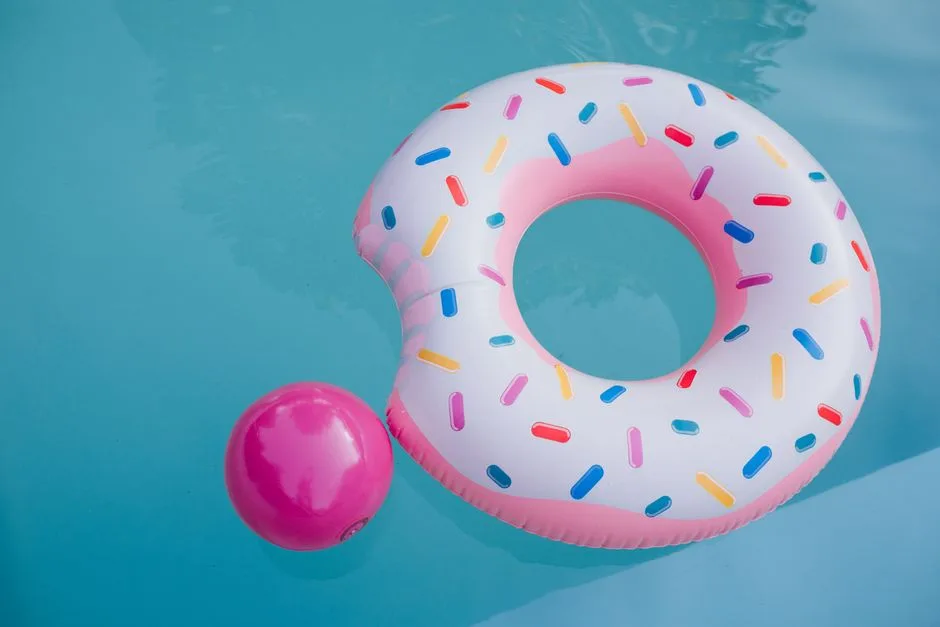
Sink a round pool 24–30 inches into the ground — deep enough to reduce the visual height to just 2–3 feet above grade. The remaining exposed wall gets wrapped in horizontal cedar boards or composite deck fascia for a modern, clean-lined finish. At this depth, you can step down into the pool from a low surrounding deck rather than climbing a full ladder.
Photo by KoolShooters on PexelsStock Tank & Alternative Pool Ideas
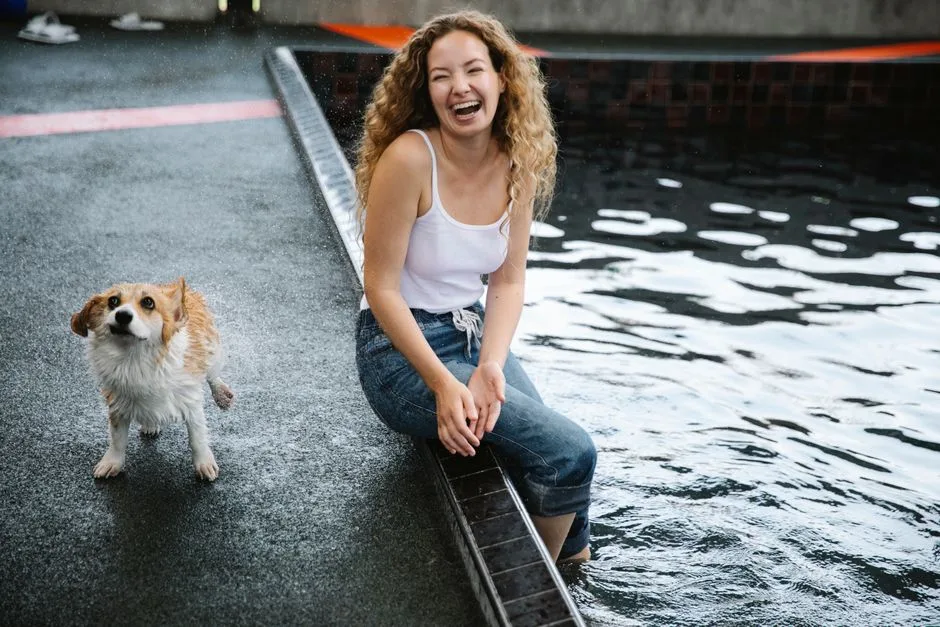
The original DIY pool sensation — an 8-foot galvanized steel stock tank (available at farm supply stores for $400–$600) converted into a backyard plunge pool. Add a small above-ground pool pump and filter ($200–$400), drill intake and return holes, and you have a fully functional mini pool. The galvanized finish looks surprisingly chic with modern patio furniture and string lights overhead.
Photo by Blue Bird on Pexels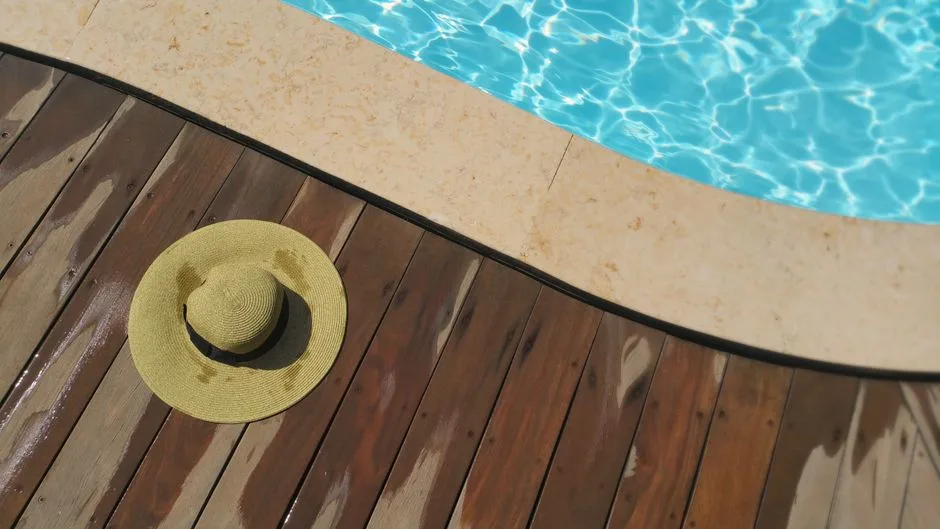
Build a simple wood deck platform adjacent to the stock tank pool — it provides a dry, splinter-free entry point and a place for lounge chairs. Leave a gap between the deck and the tank for pump access, and add a small set of steps or a ladder for easy in-and-out. The deck encloses the pump and filter underneath for a clean, uncluttered look.
Photo by Pixabay on Pexels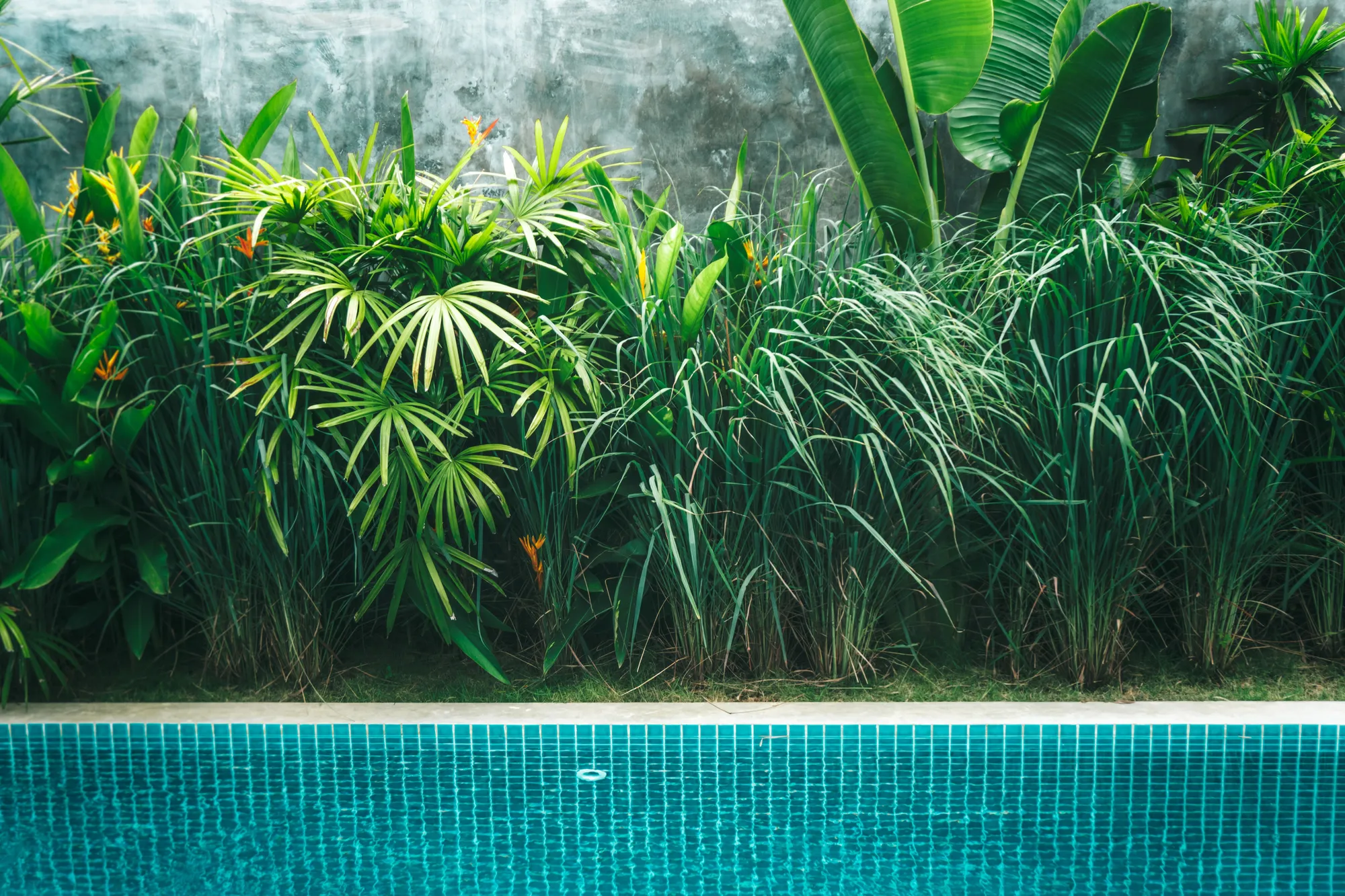
Surround the stock tank with tropical plants in large pots, a gravel pad with stepping stones, and tiki torches or string lights for a mini resort vibe. The contrast between the industrial galvanized steel and lush greenery creates a look that is both edgy and inviting. A $1,000 total budget — tank + pump + plants + gravel — can yield a magazine-worthy backyard transformation.
Photo by ROMAN ODINTSOV on Pexels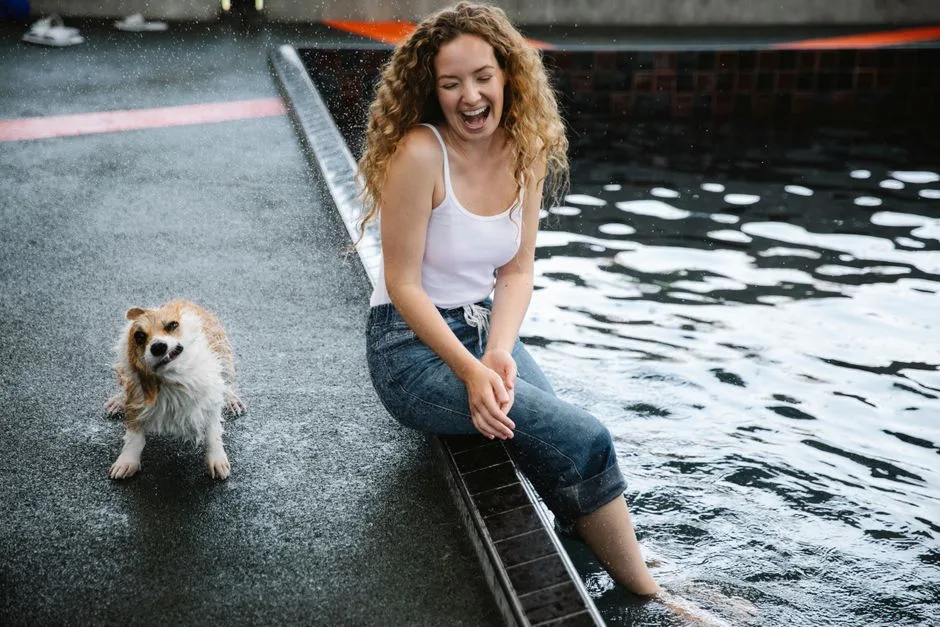
Polyethylene stock tanks (often sold as Rubbermaid or Tarter tubs) offer a lighter, rust-proof alternative to galvanized steel. They come in 100–300 gallon sizes and don’t require a liner — just fill, treat, and swim. The dark poly color helps absorb sunlight and warm the water naturally. Best for small-space splashing and cooling off rather than serious swimming.
Photo by Blue Bird on Pexels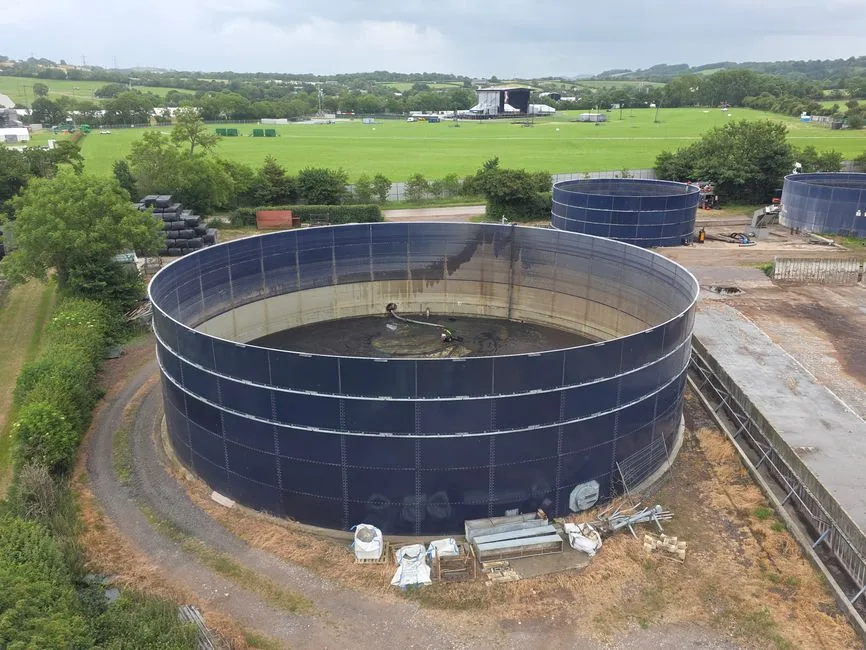
Extra-large stock tanks (10–12 ft diameter, 1,500–2,400 gallons) from specialty suppliers can fit 3–4 adults comfortably. At this size, a stronger pump and sand filter are needed — budget $600–$800 for the mechanicals. These larger tanks bridge the gap between a DIY stock tank and a traditional above ground pool, offering the best of both: the look of the former with the usability of the latter.
Photo by Marian Florinel Condruz on Pexels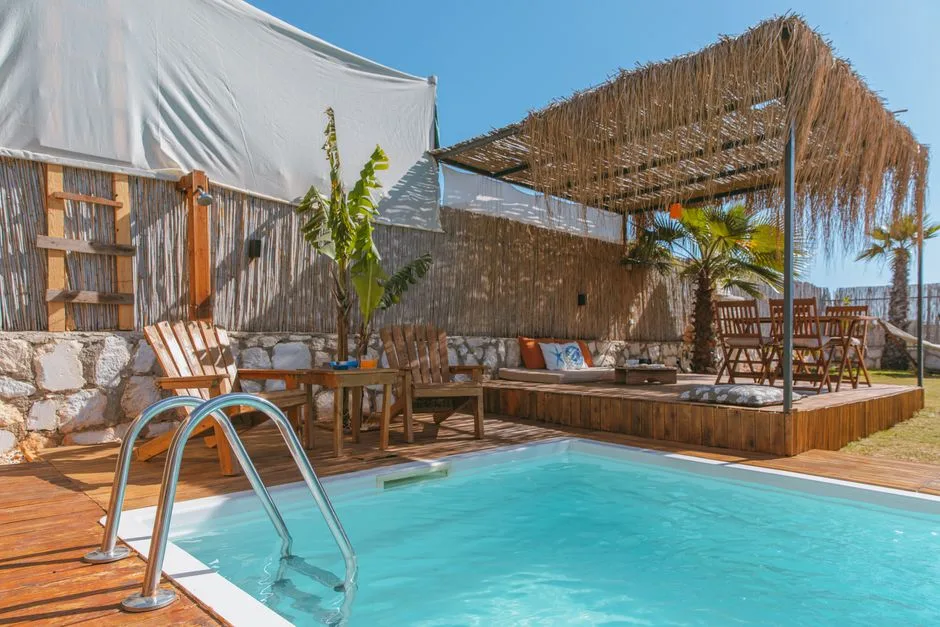
Add a simple privacy screen — cedar slat panels, outdoor curtains on a rod, or a living bamboo screen in planters — around the stock tank to create a secluded bathing nook. Privacy transforms a utilitarian water tank into a relaxing retreat where you actually want to spend time. A $200 screen investment makes a $600 pool feel like a $6,000 spa.
Photo by Ahmet ÇÖTÜR on Pexels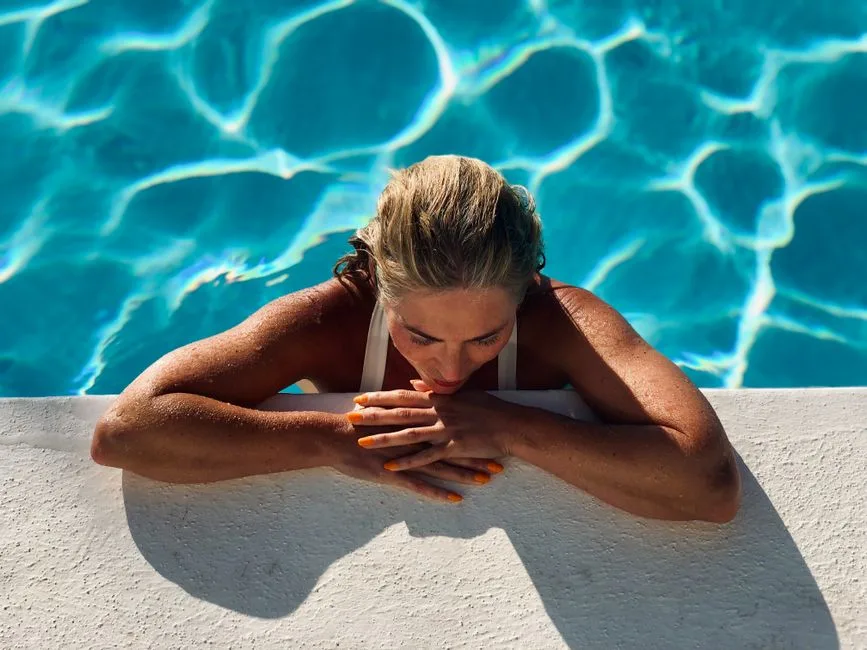
Dig a hole and partially sink the stock tank 18–24 inches into the ground for a semi-inground effect. The surrounding soil helps insulate the water (keeping it cooler in summer heat) and reduces the visual height to a more natural level. Ensure you have good drainage around the tank — gravel backfill prevents rust on galvanized steel. This approach works best in well-draining soils.
Photo by Paul Thebuilder on Pexels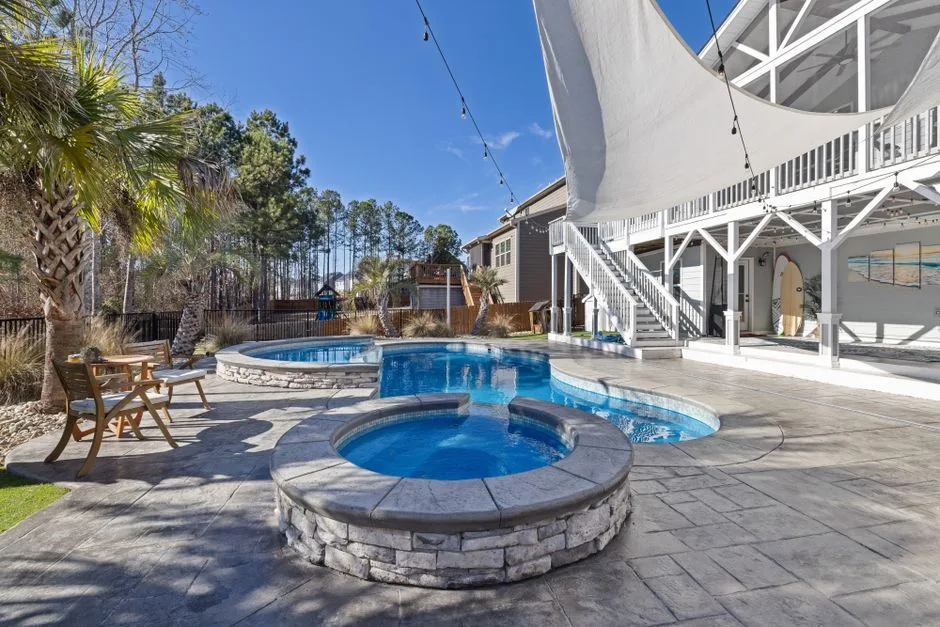
Similar to the stock tank concept, a repurposed livestock watering trough (often oval, 6–9 ft long, 150–300 gallons) creates a charming mini pool with farmhouse character. The oval shape gives you a bit more length to stretch out compared to round tanks. These troughs are also available in durable poly versions that never rust and weigh less than steel.
Photo by Curtis Adams on PexelsPlunge, Cocktail & Spool Pools
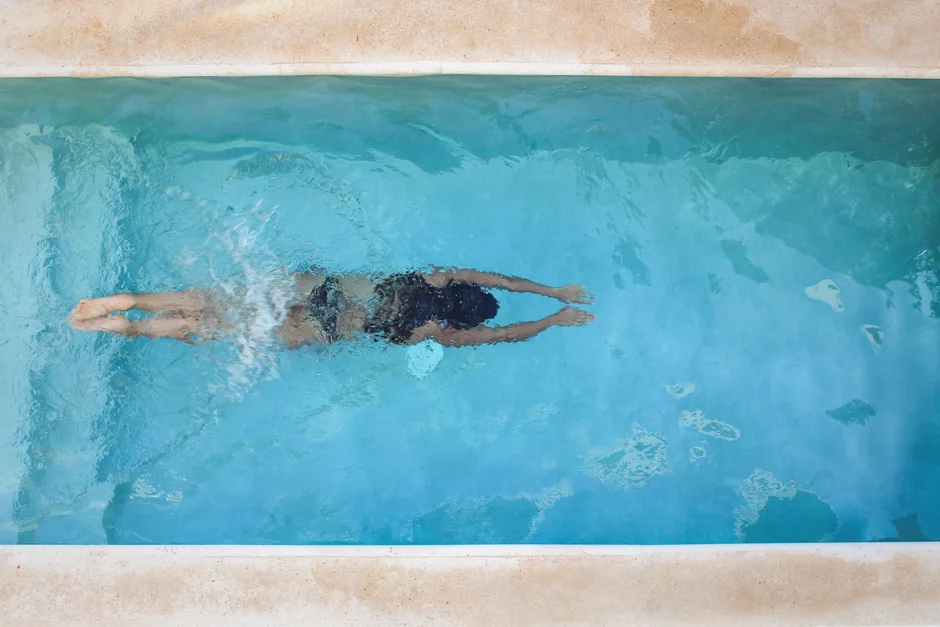
A compact plunge pool (typically 8 × 12 ft or smaller) nestled in a private courtyard creates a Zen-like retreat just steps from the house. The small water surface keeps heating costs low, making a heated plunge pool viable year-round. Pair with minimalist paving, a single sculptural plant, and subtle LED underwater lighting for a sophisticated, spa-like atmosphere. Ideal for cooling off and relaxation — not lap swimming.
Photo by Rio Pepper on Pexels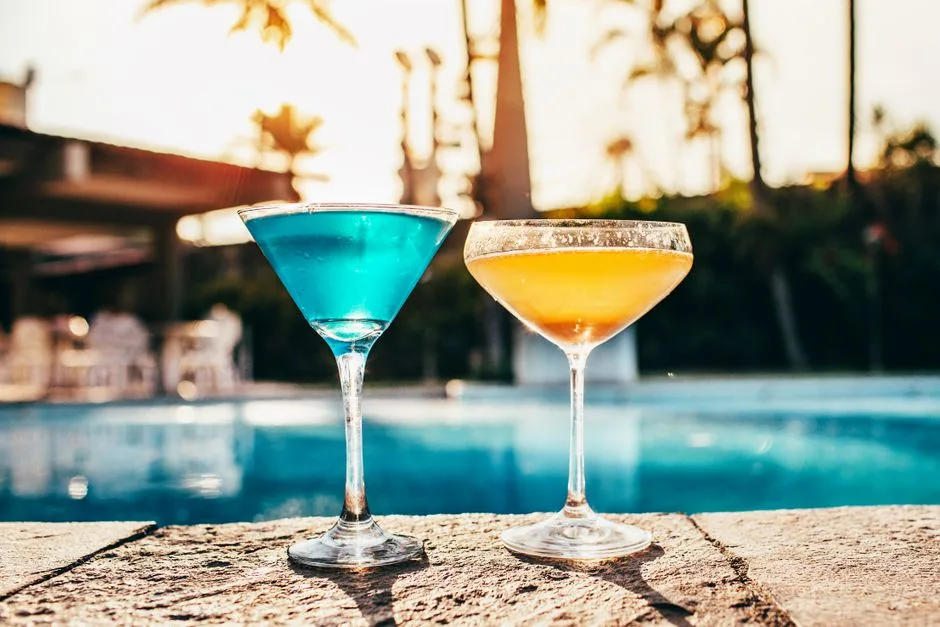
A cocktail pool is sized for socializing — think 12 × 14 ft with built-in bench seating around the perimeter and a shallow depth (3.5–5 ft). It is designed for standing, sitting, and sipping drinks with friends, not swimming laps. Add a built-in table or ledge at water level for drinks and snacks. The small footprint means lower construction costs and easier maintenance than a full-size pool.
Photo by Helena Lopes on Pexels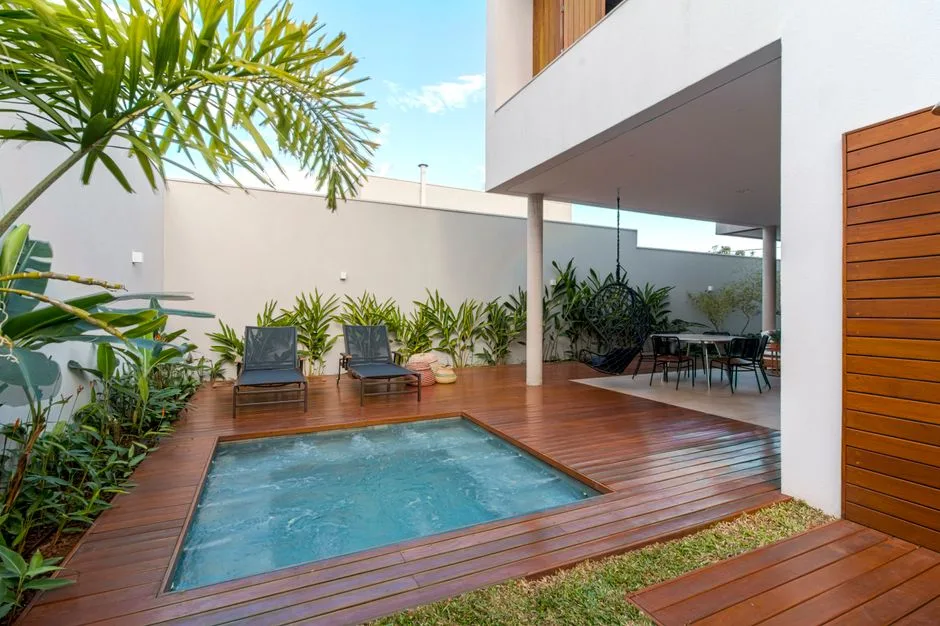
A spool combines a spa’s heated hydrotherapy jets with a pool’s swim space in one compact unit — typically 10 × 16 ft with powerful jet systems. You get the best of both: relaxing hot-water massage and enough room to actually swim against the current. Spools are an excellent choice for small backyards where there is no room for separate spa and pool installations. Budget $20,000–$40,000 for a quality fiberglass or concrete spool.
Photo by Felipe Hueb on Pexels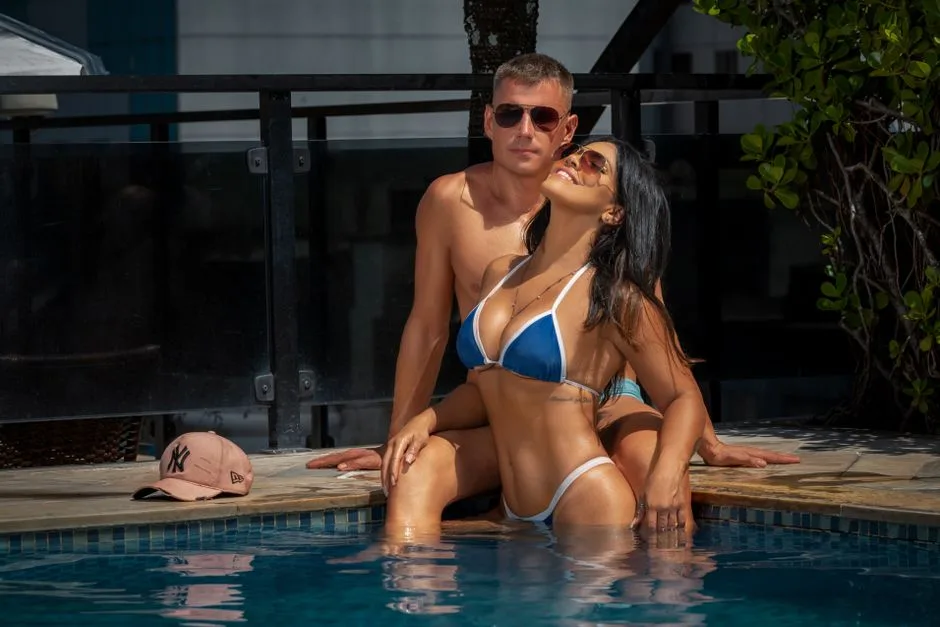
A shallow tanning ledge (6–12 inches deep) built into one end of a plunge pool holds lounge chairs in a few inches of water — the perfect spot to sunbathe while staying cool. The ledge accounts for roughly 25–30% of the pool’s surface area and doubles as a safe splash zone for toddlers. Add an umbrella sleeve in the ledge for adjustable shade. This feature turns a simple plunge pool into a mini resort.
Photo by Jayro Cerqueira da Silva on Pexels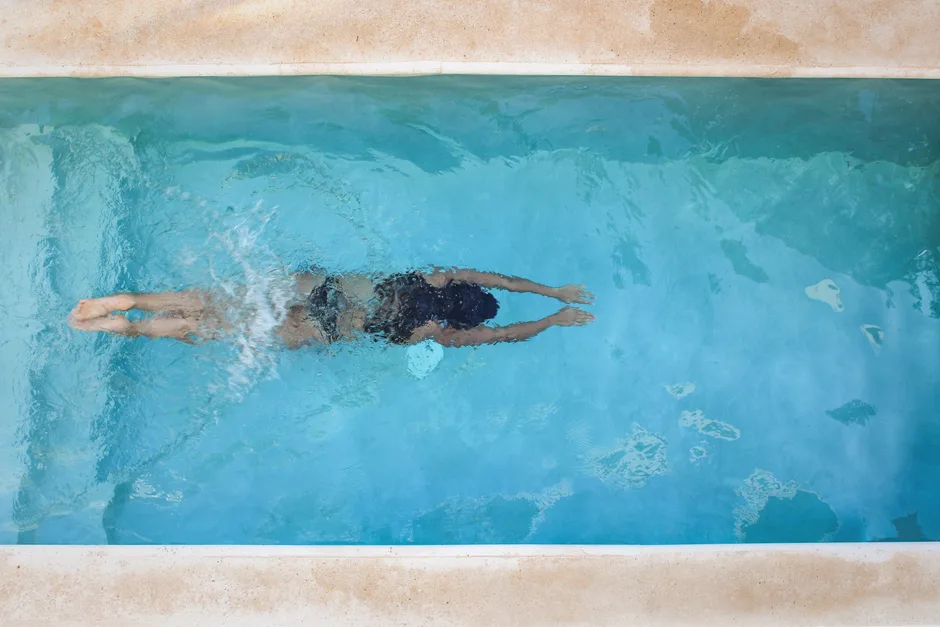
A plunge pool (8 × 10 ft) surrounded by a generous deck creates an illusion of a larger pool area — the deck provides the lounging and entertaining space that the pool itself is too small to accommodate. Use the same decking material around the entire yard for visual continuity. At $15,000–$25,000 all-in, this is one of the most accessible inground pool options for city backyards.
Photo by Rio Pepper on Pexels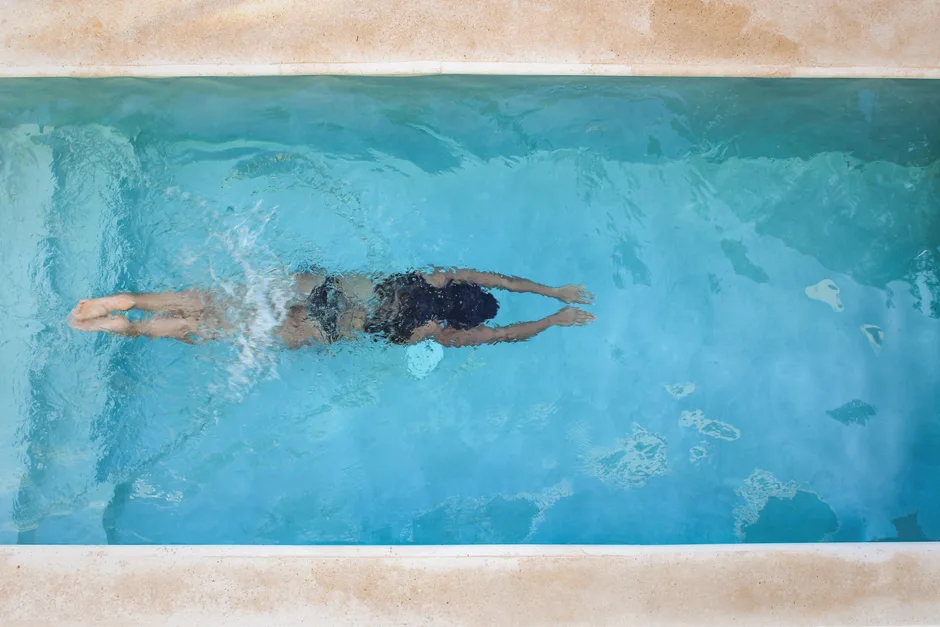
A compact above ground plunge pool — essentially a deep round pool (15–18 ft diameter, 48–54 inches deep) — gives you the cooling and relaxing benefits without excavation. These pools are deeper than standard above ground pools of similar diameter, making them feel more plunge-worthy. Add a small deck around part of the perimeter and a few tall potted plants for privacy.
Photo by Rio Pepper on Pexels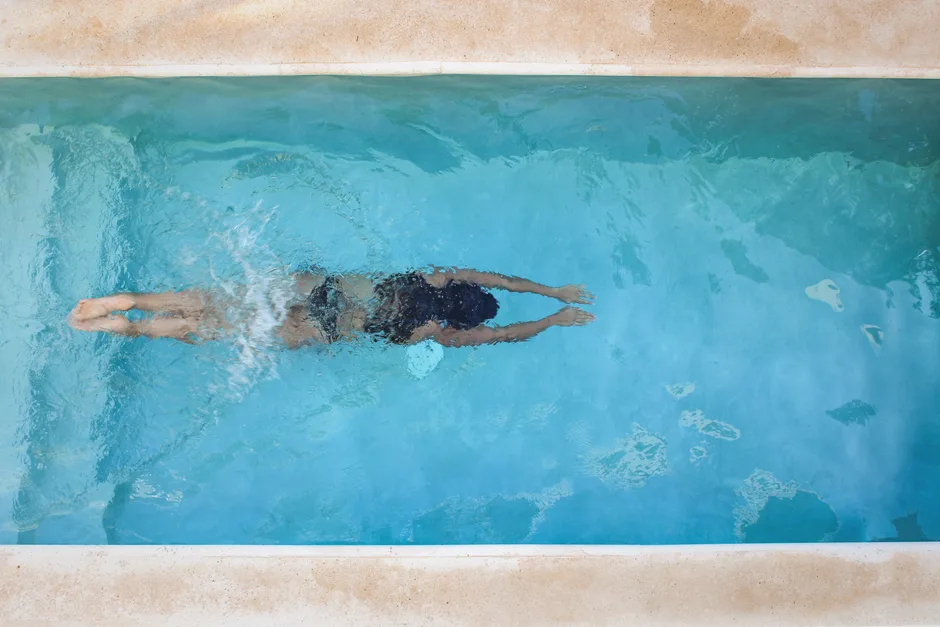
A sheer-descent water wall or scupper at one end of the plunge pool creates the sound of falling water and a striking visual focal point. The water feature can be integrated into a stone-clad end wall with LED lighting behind the cascade. At night with the lights on, it becomes a mesmerizing backdrop for evening swims. Budget $2,000–$4,000 for the water feature plumbing and wall construction.
Photo by Rio Pepper on Pexels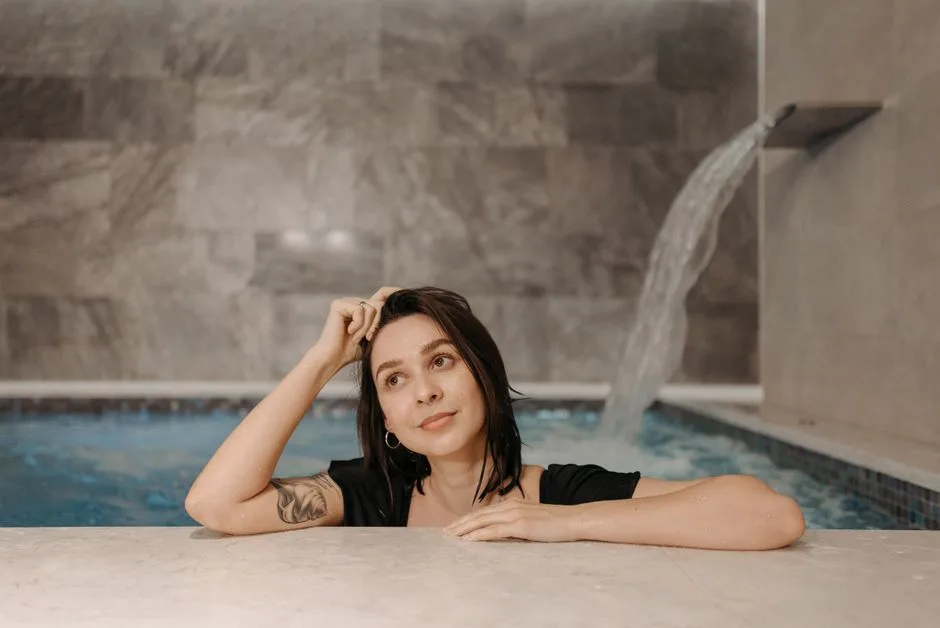
An indoor plunge pool or compact swim spa brings year-round swimming into a sunroom, conservatory, or dedicated pool room. The indoor location eliminates UV exposure, leaf debris, and weather delays — you can swim every day regardless of the season. Proper humidity control (dehumidifier + ventilation) is essential to prevent moisture damage. Glass walls and skylights keep the space from feeling closed-in.
Photo by Pavel Danilyuk on Pexels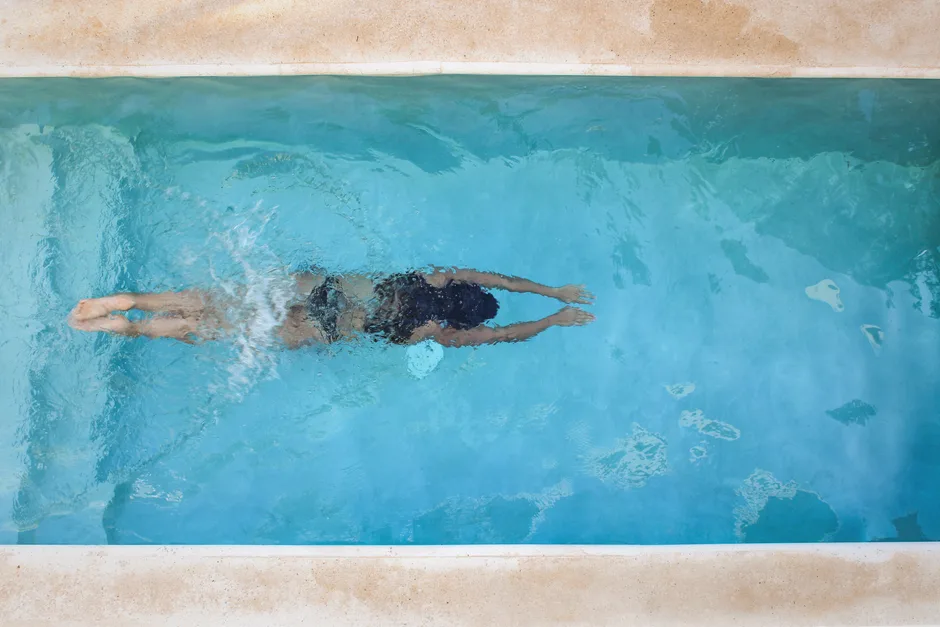
A DIY plunge pool using a stock tank, a reinforced above-ground pool kit, or a pre-cast concrete basin can be installed for under $5,000 including pump and filter. The key is keeping it small (under 1,500 gallons), simple (no heater, no jets), and doing the site prep yourself. This is the entry point for anyone who wants a permanent cooling-off spot without a construction crew. Add decking and landscaping over time as budget allows.
Photo by Rio Pepper on Pexels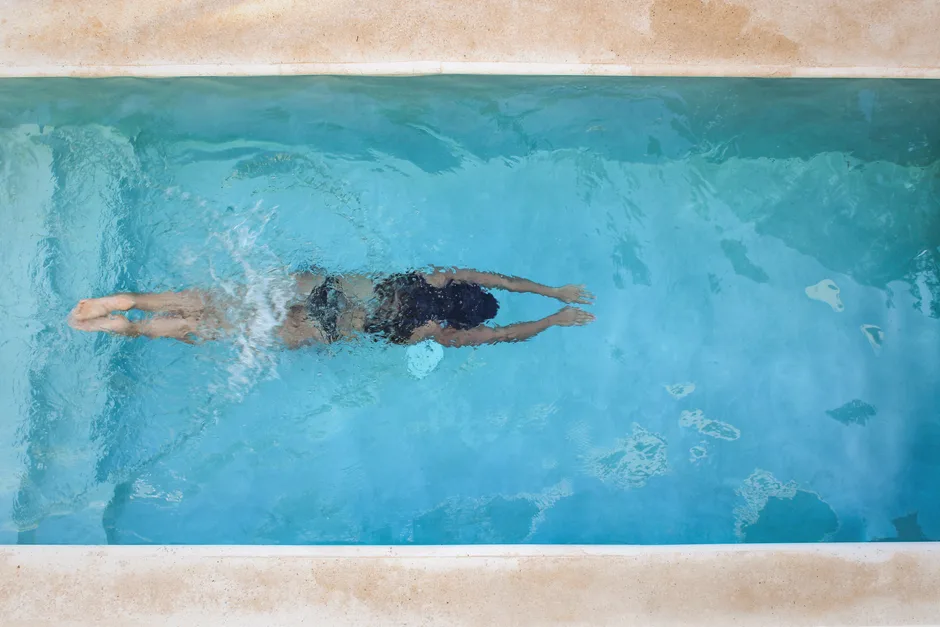
Build a continuous bench seat along one or two sides of the plunge pool — it turns the entire pool into a social zone where people sit in the water rather than just bobbing around. Add spa jets along the bench backrest for a hydrotherapy experience, and choose a contrasting tile or stone for the bench to make it a visual feature. This layout maximizes the usability of a small water footprint.
Photo by Rio Pepper on PexelsMore Pool Design Inspiration
This is part of our Pool Design Ideas series. Explore more guides to plan every aspect of your perfect pool:


